English
- Afrikaans
- Albanian
- Amharic
- Arabic
- Armenian
- Azerbaijani
- Basque
- Belarusian
- Bengali
- Bosnian
- Bulgarian
- Catalan
- Cebuano
- Corsican
- Croatian
- Czech
- Danish
- Dutch
- English
- Esperanto
- Estonian
- Finnish
- French
- Frisian
- Galician
- Georgian
- German
- Greek
- Gujarati
- Haitian Creole
- hausa
- hawaiian
- Hebrew
- Hindi
- Miao
- Hungarian
- Icelandic
- igbo
- Indonesian
- irish
- Italian
- Japanese
- Javanese
- Kannada
- kazakh
- Khmer
- Rwandese
- Korean
- Kurdish
- Kyrgyz
- Lao
- Latin
- Latvian
- Lithuanian
- Luxembourgish
- Macedonian
- Malgashi
- Malay
- Malayalam
- Maltese
- Maori
- Marathi
- Mongolian
- Myanmar
- Nepali
- Norwegian
- Norwegian
- Occitan
- Pashto
- Persian
- Polish
- Portuguese
- Punjabi
- Romanian
- Russian
- Samoan
- Scottish Gaelic
- Serbian
- Sesotho
- Shona
- Sindhi
- Sinhala
- Slovak
- Slovenian
- Somali
- Spanish
- Sundanese
- Swahili
- Swedish
- Tagalog
- Tajik
- Tamil
- Tatar
- Telugu
- Thai
- Turkish
- Turkmen
- Ukrainian
- Urdu
- Uighur
- Uzbek
- Vietnamese
- Welsh
- Bantu
- Yiddish
- Yoruba
- Zulu

Telephone: +86 13120555503
Email: frank@cypump.com


Apr . 01, 2024 17:55 Back to list
good pipeline/horizontal centrifugal pump Performance Analysis
Introduction
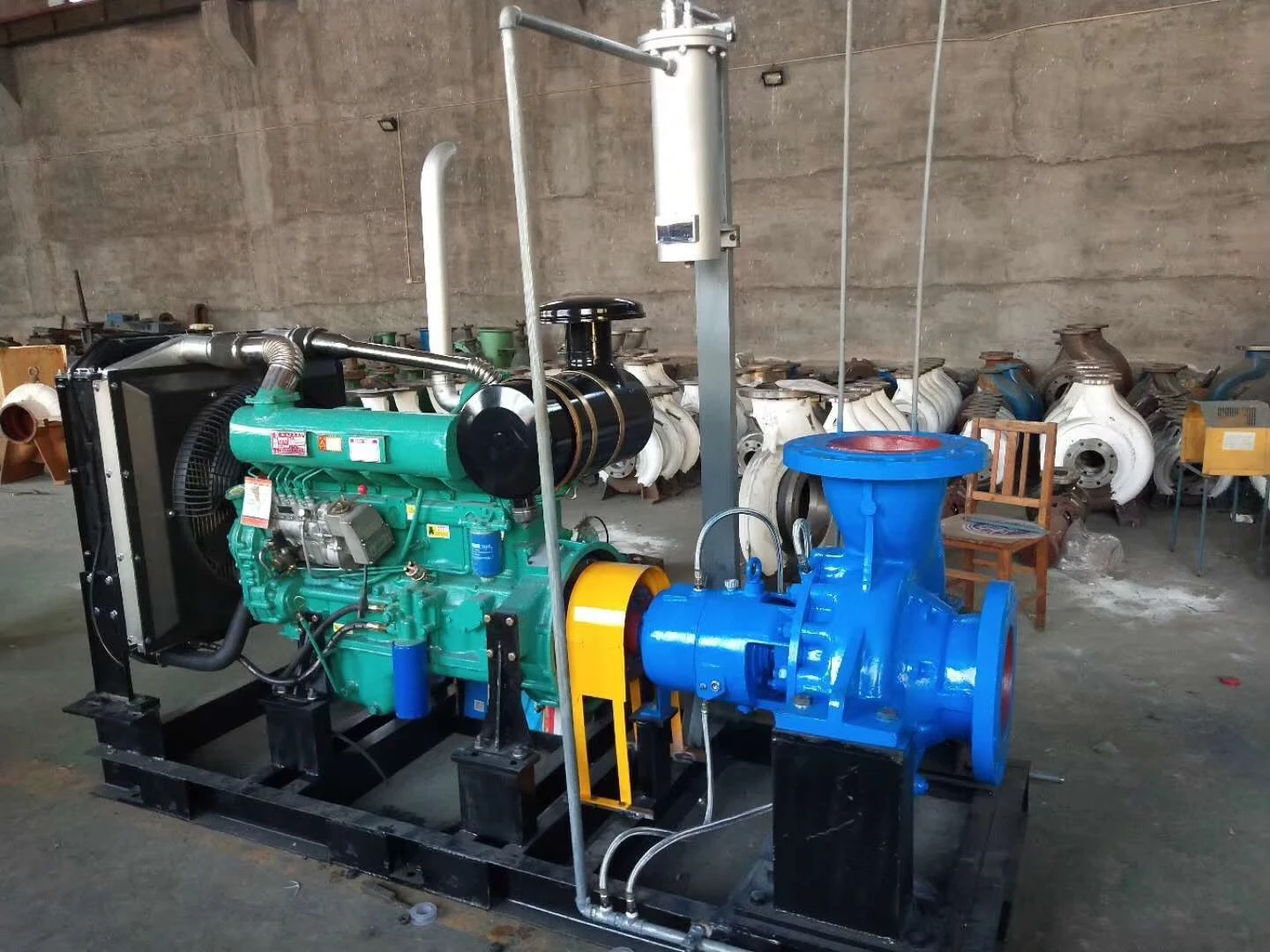
Horizontal centrifugal pumps are a cornerstone of fluid transfer across numerous industries, including oil and gas, water treatment, chemical processing, and power generation. These pumps are categorized as ‘pipeline’ pumps when designed for in-line installation within piping systems, minimizing space requirements and simplifying maintenance access. Their primary function is to convert rotational energy, typically from an electric motor, into kinetic energy to move fluids via centrifugal force. The selection of a good pipeline/horizontal centrifugal pump hinges on its ability to deliver the required flow rate and head (pressure) while maintaining high efficiency, reliability, and adherence to stringent safety and environmental regulations. Core performance characteristics include flow rate (m³/hr), total dynamic head (TDH, in meters), Net Positive Suction Head Required (NPSHr), and pump efficiency (%). A key industry pain point is selecting a pump material compatible with the process fluid to prevent corrosion, erosion, and ultimately, pump failure. Improper selection results in costly downtime and potential safety hazards. This guide provides an in-depth technical analysis of pipeline/horizontal centrifugal pumps, covering material science, manufacturing, performance engineering, failure modes, and industry best practices.
Material Science & Manufacturing
The construction of a pipeline/horizontal centrifugal pump involves several critical material choices, directly impacting its longevity and performance. Pump casings are commonly fabricated from cast iron (ASTM A48 Class 30), ductile iron (ASTM A536 65-45-12), or stainless steel (304, 316 for corrosive fluids). Impellers, the rotating component responsible for imparting kinetic energy to the fluid, are typically made from cast iron, bronze (ASTM B584), or stainless steel, depending on the fluid’s abrasive and corrosive properties. Shafts are generally constructed from high-strength alloy steel (e.g., 4140, quenched and tempered) to withstand torsional stresses. Mechanical seals, vital for preventing leakage, utilize materials like silicon carbide, tungsten carbide, and various elastomers (Viton, EPDM) chosen for chemical compatibility and wear resistance.
Manufacturing processes begin with casting or forging the pump casing and impeller. Casing are produced utilizing sand casting or investment casting. Impellers may be produced using lost-wax casting or centrifugal casting. Precision machining is critical for achieving tight tolerances on impeller diameters and casing volute shapes, influencing pump performance. Shafts are machined from bar stock, undergoing heat treatment to enhance strength and hardness. Welding processes, particularly for larger pumps, require careful control of welding parameters (current, voltage, gas shielding) to prevent distortion and ensure weld integrity as per AWS D1.1 standards. Balancing of the impeller is paramount to minimize vibration and extend bearing life. Surface treatments, such as epoxy coatings, are applied to casings to enhance corrosion resistance. Assembly follows strict procedures, with torque specifications for all fasteners verified to prevent loosening during operation. Non-destructive testing (NDT) methods, including radiographic inspection (RT) and ultrasonic testing (UT), are employed to detect flaws in castings and welds.
Performance & Engineering
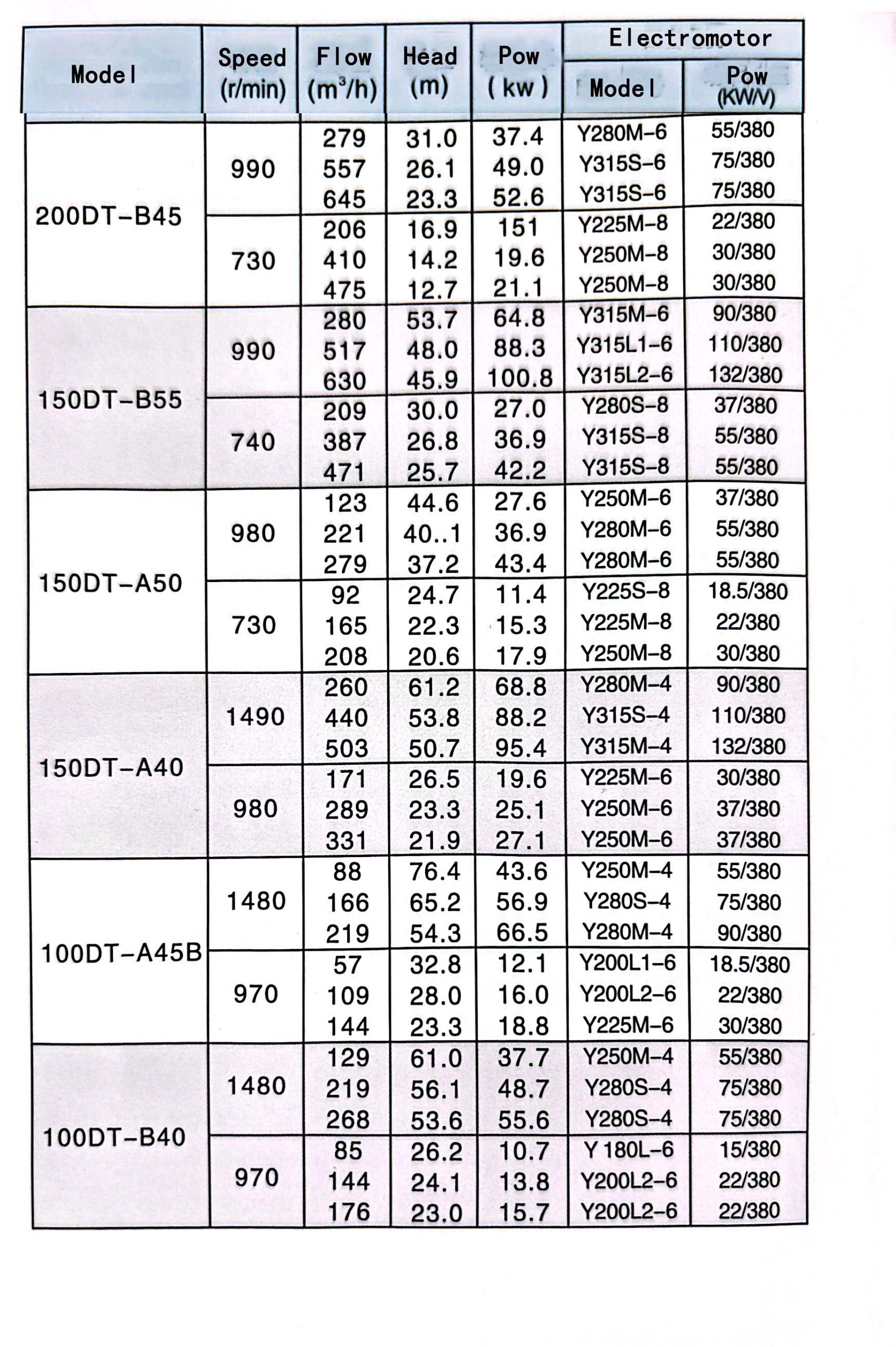
The performance of a pipeline/horizontal centrifugal pump is dictated by fundamental fluid dynamics principles. The pump’s head-capacity curve illustrates the relationship between flow rate and the pressure it can generate. The affinity laws govern how changes in pump speed affect flow rate, head, and power consumption. Cavitation, a detrimental phenomenon where vapor bubbles form within the pump due to low pressure, must be avoided. NPSHr, a critical pump parameter, defines the minimum suction pressure required to prevent cavitation. Proper system design, including minimizing suction lift and maximizing suction pipe diameter, is crucial. The pump's efficiency is affected by hydraulic losses within the impeller and casing, as well as mechanical losses in bearings and seals. Volumetric losses occur due to leakage past the impeller and seals.
Engineering considerations extend to material selection based on fluid properties. For abrasive slurries, hardened alloys or ceramic linings are required to resist erosion. For corrosive fluids, stainless steels, duplex stainless steels, or specialized polymers like PTFE are employed. Pump design must also account for external factors such as temperature, pressure, and ambient conditions. Bearing selection and lubrication are critical for pump longevity. Proper alignment between the pump and motor is essential to prevent vibration and bearing failure. Compliance with industry standards, such as Hydraulic Institute (HI) standards, ensures pump performance and reliability. Force analysis, including stress calculations on the pump casing and impeller, is conducted using Finite Element Analysis (FEA) to ensure structural integrity under operating conditions. Environmental resistance is evaluated through temperature cycling tests and exposure to corrosive atmospheres.
Technical Specifications
| Parameter | Typical Range (Small Pipeline Pump) | Typical Range (Medium Pipeline Pump) | Typical Range (Large Pipeline Pump) |
|---|---|---|---|
| Flow Rate (m³/hr) | 5 – 50 | 50 – 200 | 200 – 1000+ |
| Total Dynamic Head (TDH) (m) | 10 – 30 | 30 – 100 | 100 – 300+ |
| Power (kW) | 1.5 – 7.5 | 7.5 – 55 | 55 – 300+ |
| NPSHr (m) | 1 – 3 | 3 – 6 | 6 – 12+ |
| Maximum Operating Pressure (bar) | 10 – 20 | 20 – 40 | 40 – 100+ |
| Pump Efficiency (%) | 65 – 75 | 70 – 80 | 75 – 85+ |
Failure Mode & Maintenance
Pipeline/horizontal centrifugal pumps are subject to various failure modes. Cavitation erosion causes pitting and damage to the impeller. Corrosion and erosion degrade pump components, particularly in aggressive fluid environments. Mechanical seal failure results in leakage and reduced pump efficiency. Bearing failure, often due to improper lubrication or misalignment, leads to vibration and potential pump seizure. Fatigue cracking in the pump casing or impeller can occur due to cyclic loading. Shaft deformation or breakage can result from excessive torsional stress.
Preventive maintenance is critical. Regular monitoring of pump vibration, temperature, and pressure provides early warning signs of potential problems. Lubrication schedules must be strictly adhered to. Periodic inspection of mechanical seals and bearings is essential. Pump performance should be monitored regularly to detect any decline in efficiency. Visual inspection for corrosion and erosion is recommended. Flushing of the pump casing to remove debris is also important. When failures occur, root cause analysis should be performed to identify the underlying problem and prevent recurrence. Replacement of worn components should be performed using original equipment manufacturer (OEM) parts or approved equivalents. Alignment checks and re-alignment should be conducted after any major maintenance activity.
Industry FAQ
Q: What is the significance of NPSHr and how do I ensure it's met?
A: NPSHr (Net Positive Suction Head Required) represents the minimum absolute pressure required at the pump suction to prevent cavitation. Failing to meet NPSHr leads to vapor bubble formation, impeller damage, and reduced pump performance. Ensuring it’s met involves minimizing suction lift, maximizing suction pipe diameter, keeping suction piping short and straight, and maintaining sufficient system pressure.
Q: How do I select the appropriate pump material for a specific fluid?
A: Material selection depends on the fluid's chemical composition, temperature, abrasive content, and pressure. Stainless steels (304, 316, duplex) are common for corrosive fluids. Hardened alloys or ceramic linings are necessary for abrasive slurries. Consult material compatibility charts and consider performing corrosion testing to ensure long-term reliability.
Q: What are the common causes of pump vibration and how can they be addressed?
A: Common causes include impeller imbalance, misalignment between the pump and motor, bearing failure, cavitation, and pipe strain. Address vibration by balancing the impeller, aligning the pump and motor precisely, replacing worn bearings, ensuring adequate NPSH, and properly supporting the piping system.
Q: What is the role of a mechanical seal and what are the signs of its failure?
A: A mechanical seal prevents leakage between the rotating shaft and the stationary pump casing. Signs of failure include visible leakage around the seal, increased pump noise, and reduced pump efficiency. Failure can be caused by abrasive particles, dry running, or chemical incompatibility.
Q: What are the key considerations when specifying a variable frequency drive (VFD) for a pipeline/horizontal centrifugal pump?
A: When selecting a VFD, consider the motor horsepower, voltage requirements, and the pump's operating range. Ensure the VFD is properly sized to handle the pump's full load current and provide adequate motor control. Harmonic mitigation may be necessary to prevent electrical interference. Proper grounding and shielding are also crucial for reliable operation.
Conclusion
The selection, operation, and maintenance of pipeline/horizontal centrifugal pumps require a thorough understanding of fluid dynamics, material science, and engineering principles. Prioritizing appropriate material selection based on fluid compatibility, meticulous adherence to manufacturing standards, and proactive implementation of preventive maintenance strategies are paramount for ensuring long-term reliability and minimizing operational costs. Correctly calculating and maintaining NPSHr is crucial for preventing cavitation and associated damage.
Looking ahead, advancements in pump design, such as the incorporation of Computational Fluid Dynamics (CFD) for optimizing impeller geometry and the development of more robust and corrosion-resistant materials, will further enhance the performance and longevity of these critical components. Implementing condition monitoring systems with predictive maintenance capabilities will allow for proactive identification of potential failures, minimizing downtime and maximizing operational efficiency. Continued adherence to international standards will be essential for ensuring safety and interoperability.
-
Comprehensive Guide to Waterproof ORings for Optimal Sealing Solutions
News2026-06-09
-
Waste Tank Pump Performance Analysis
News2026-06-27
-
Sewer System Pump Out Material Science
News2026-06-27
-
Sewer Ejector Pit Performance Analysis
News2026-06-27
-
septic tank pumps for sale Performance Engineering
News2026-06-27
-
septic system with lift pump Performance Engineering
News2026-06-27
-
septic system sump pump Performance Analysis
News2026-06-26
-
septic pump company Performance Analysis
News2026-06-26
-
pumps water treatment Performance Analysis
News2026-06-26
-
pumps for septic tanks Material Science and Manufacturing
News2026-06-26
-
pump for septic system Material Science Manufacturing
News2026-06-26
-
heavy duty submersible pump Performance Analysis
News2026-06-25
-
best submersible pump for septic tank Performance Analysis
News2026-06-25
-
basement sewer ejector pump Performance Analysis
News2026-06-25
-
basement pumps ejector pumps Performance Analysis
News2026-06-25




