English
- Afrikaans
- Albanian
- Amharic
- Arabic
- Armenian
- Azerbaijani
- Basque
- Belarusian
- Bengali
- Bosnian
- Bulgarian
- Catalan
- Cebuano
- Corsican
- Croatian
- Czech
- Danish
- Dutch
- English
- Esperanto
- Estonian
- Finnish
- French
- Frisian
- Galician
- Georgian
- German
- Greek
- Gujarati
- Haitian Creole
- hausa
- hawaiian
- Hebrew
- Hindi
- Miao
- Hungarian
- Icelandic
- igbo
- Indonesian
- irish
- Italian
- Japanese
- Javanese
- Kannada
- kazakh
- Khmer
- Rwandese
- Korean
- Kurdish
- Kyrgyz
- Lao
- Latin
- Latvian
- Lithuanian
- Luxembourgish
- Macedonian
- Malgashi
- Malay
- Malayalam
- Maltese
- Maori
- Marathi
- Mongolian
- Myanmar
- Nepali
- Norwegian
- Norwegian
- Occitan
- Pashto
- Persian
- Polish
- Portuguese
- Punjabi
- Romanian
- Russian
- Samoan
- Scottish Gaelic
- Serbian
- Sesotho
- Shona
- Sindhi
- Sinhala
- Slovak
- Slovenian
- Somali
- Spanish
- Sundanese
- Swahili
- Swedish
- Tagalog
- Tajik
- Tamil
- Tatar
- Telugu
- Thai
- Turkish
- Turkmen
- Ukrainian
- Urdu
- Uighur
- Uzbek
- Vietnamese
- Welsh
- Bantu
- Yiddish
- Yoruba
- Zulu

Telephone: +86 13120555503
Email: frank@cypump.com


Apr . 01, 2024 17:55 Back to list
good double suction sludge water pump Performance Analysis
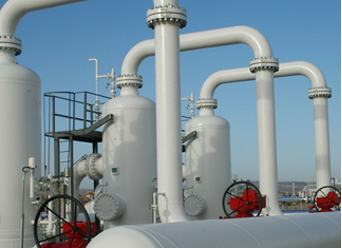
Introduction
Double suction sludge water pumps are centrifugal pumps specifically designed for handling liquids containing high solids content, often found in wastewater treatment, mining, paper mills, and various industrial processes. Unlike clear water pumps, these units are engineered to minimize clogging, abrasion, and corrosion due to the nature of the pumped media. The “double suction” design, meaning water enters the impeller from both sides, increases suction capability and reduces the net positive suction head required (NPSHr), vital when dealing with viscous or aerated fluids. This guide will provide an in-depth technical overview of these pumps, covering materials, manufacturing, performance characteristics, failure modes, and relevant industry standards. A core pain point within these applications is pump downtime due to wear or blockage, leading to significant operational and financial losses. Optimized pump selection and preventative maintenance are therefore paramount.
Material Science & Manufacturing
The construction of a robust double suction sludge pump necessitates careful material selection to withstand the abrasive and corrosive nature of sludge. Impellers, volutes, and wear plates are commonly manufactured from high-chrome cast iron (typically 27% Cr) for exceptional abrasion resistance. This alloy forms hard carbides during casting, providing durability against solid particle impact. Pump casings are often constructed from ductile iron (ASTM A536 Grade 65-45-12) offering a balance of strength, ductility, and corrosion resistance. Shafts are typically made from 4140 or 4340 alloy steel, heat-treated to achieve high tensile strength and torsional rigidity. Seals are critical, and often utilize mechanical seals with silicon carbide or tungsten carbide faces to prevent leakage and protect against abrasive wear. Manufacturing processes include sand casting for the major components (casing, impeller), followed by precision machining to ensure dimensional accuracy and smooth surface finishes. Welding, utilizing shielded metal arc welding (SMAW) or gas tungsten arc welding (GTAW) processes, is employed for joining components. Key parameter control involves maintaining tight tolerances during machining, ensuring proper impeller balancing to minimize vibration, and rigorous quality control of casting porosity. The impeller hydrodynamically designed to handle solids, minimizing plugging.
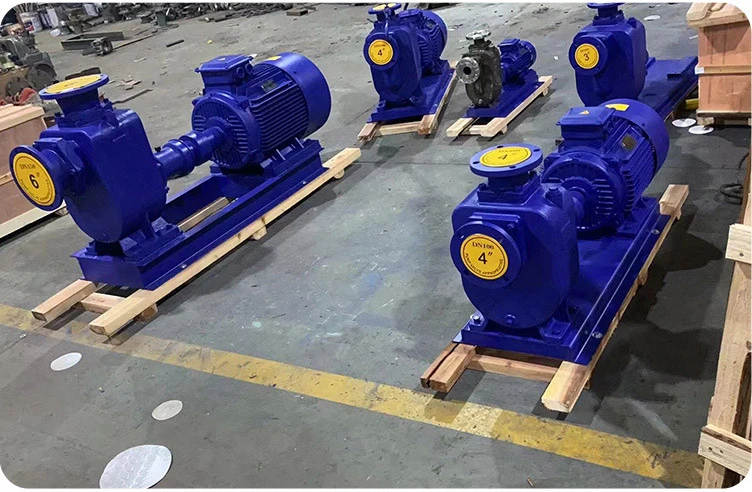
Performance & Engineering
Performance of double suction sludge pumps is dictated by several engineering factors. Hydraulic efficiency is a primary concern, and is maximized through optimized impeller design and volute geometry. Force analysis must account for radial loads imparted by the impeller, particularly when handling unevenly distributed solids. Shaft stiffness is crucial to prevent deflection and seal failure. Cavitation, a significant risk with many pumps, is mitigated through the double suction design and careful NPSH calculations. Environmental resistance is addressed through coatings and material selection; epoxy coatings or specialized polymer linings are often applied to internal surfaces to enhance corrosion resistance. Compliance with industry standards, such as Hydraulic Institute (HI) standards, ensures pump performance meets specified criteria. The pump curves (head vs. flow rate) must be carefully matched to the system requirements. Solids handling capability is determined by impeller diameter, vane design, and the pump's internal clearances. Furthermore, the pump's hydraulic power is directly related to flow rate, head, and fluid density. Proper pump selection necessitates a thorough understanding of the sludge characteristics, including solids concentration, particle size distribution, and specific gravity. A proper understanding of system head loss (friction, elevation, etc.) is essential for correct sizing.
Technical Specifications
| Parameter | Unit | Typical Range (Sludge Pump) | Clear Water Pump Equivalent |
|---|---|---|---|
| Flow Rate | m³/h | 50 – 1500 | 10 – 800 |
| Total Head | m | 10 – 80 | 20 – 120 |
| Solids Handling Capability | mm | Up to 75 | Typically < 5 |
| Impeller Diameter | mm | 200 – 600 | 150 – 400 |
| Power Input | kW | 5.5 – 200 | 2.2 – 100 |
| Operating Temperature | °C | -20 to 100 | 0 to 60 |
Failure Mode & Maintenance
Failure modes in double suction sludge pumps are often related to abrasive wear, corrosion, and clogging. Fatigue cracking can occur in the impeller and shaft due to cyclical loading and vibration. Delamination of coatings can expose the underlying metal to corrosive attack. Degradation of seals leads to leakage and potential pump failure. Oxidation of metallic components can occur in oxygen-rich environments. Abrasive wear is a pervasive issue; solids impact the impeller vanes and casing, causing material erosion. Clogging occurs when large solids become lodged in the impeller or volute, reducing pump performance and potentially causing damage. Preventative maintenance is crucial and should include regular inspection of seals, bearings, and impeller wear. Lubrication is essential to minimize friction and wear in bearings. Monitoring vibration levels can detect early signs of imbalance or bearing failure. Regular flushing of the pump casing can remove accumulated solids. Periodic inspection and repair of coatings prevent corrosion. Scheduled overhaul, including impeller replacement and seal replacement, is necessary to extend pump life. Detailed logbooks tracking maintenance and performance data are vital for trend analysis and predictive maintenance.
Industry FAQ
Q: What is the primary difference between a double suction and a single suction sludge pump, and why choose double suction?
A: The key difference lies in the suction inlet. A double suction pump draws fluid from both sides of the impeller, effectively doubling the suction capacity. This reduces NPSHr, making it more suitable for handling viscous or aerated sludge prone to cavitation. It also typically results in higher flow rates for a given impeller diameter.
Q: How do I determine the appropriate impeller material for a specific sludge application?
A: The sludge composition is paramount. High solids content necessitates high-chrome cast iron for abrasion resistance. Corrosive sludge requires stainless steel or coated impellers. Particle size and shape also influence material selection. A detailed sludge analysis is recommended.
Q: What are the typical failure points regarding mechanical seals in sludge pumps?
A: Mechanical seals in sludge pumps are susceptible to abrasive wear from solids, leading to leakage. Incorrect seal selection, improper installation, and insufficient lubrication also contribute to failure. Seal face separation due to shaft deflection can occur with heavy loads.
Q: What role does impeller balancing play in the longevity of a sludge pump?
A: Proper impeller balancing is critical. An imbalanced impeller induces vibration, leading to bearing wear, seal failure, and eventual pump damage. Dynamic balancing, performed after impeller machining, ensures smooth operation and extends pump life.
Q: How frequently should the pump casing be inspected for wear or corrosion?
A: Inspection frequency depends on the sludge characteristics and operating conditions. A minimum annual inspection is recommended, with more frequent inspections (e.g., quarterly) for highly abrasive or corrosive applications. Ultrasonic thickness testing can assess casing wall thickness and detect corrosion.
Conclusion
Double suction sludge water pumps represent a critical component in numerous industrial wastewater and solids handling applications. The effective operation of these pumps relies heavily on proper material selection, precise manufacturing processes, and a comprehensive understanding of their performance characteristics. Addressing the inherent challenges of abrasive wear, corrosion, and potential clogging through preventative maintenance strategies is paramount to maximizing operational uptime and minimizing life-cycle costs.
Future developments in this field will likely focus on advanced materials (such as ceramic composites) offering superior wear resistance and enhanced hydraulic designs optimized for solids handling. Furthermore, integrating smart sensor technology for real-time monitoring of pump performance and condition will enable predictive maintenance and proactive failure prevention, ultimately enhancing the reliability and efficiency of sludge pumping systems.
-
Sewage Pump Company Performance and Engineering
News2026-05-24
-
sewage pump 1/2 hp Performance Analysis
News2026-05-24
-
Sewage Ejector Systems Performance Analysis
News2026-05-24
-
Sewage Ejection System Material Science and Manufacturing
News2026-05-24
-
sewage and effluent pumps Performance Engineering
News2026-05-24
-
pump for sewage water Performance Analysis
News2026-05-23
-
plumbing sewage ejector pump Performance Engineering
News2026-05-23
-
home sewer pump station Performance and Engineering
News2026-05-23
-
high pressure sump pump Performance Analysis
News2026-05-23
-
high head effluent pump Performance Analysis
News2026-05-23
-
Effluent vs Sump Pump Performance Analysis
News2026-05-22
-
effluent septic pump Performance Engineering
News2026-05-22
-
best sewer pumps Performance Engineering
News2026-05-22
-
best sewer pump Performance Analysis
News2026-05-22
-
best sewage pumps Performance Engineering
News2026-05-22




