English
- Afrikaans
- Albanian
- Amharic
- Arabic
- Armenian
- Azerbaijani
- Basque
- Belarusian
- Bengali
- Bosnian
- Bulgarian
- Catalan
- Cebuano
- Corsican
- Croatian
- Czech
- Danish
- Dutch
- English
- Esperanto
- Estonian
- Finnish
- French
- Frisian
- Galician
- Georgian
- German
- Greek
- Gujarati
- Haitian Creole
- hausa
- hawaiian
- Hebrew
- Hindi
- Miao
- Hungarian
- Icelandic
- igbo
- Indonesian
- irish
- Italian
- Japanese
- Javanese
- Kannada
- kazakh
- Khmer
- Rwandese
- Korean
- Kurdish
- Kyrgyz
- Lao
- Latin
- Latvian
- Lithuanian
- Luxembourgish
- Macedonian
- Malgashi
- Malay
- Malayalam
- Maltese
- Maori
- Marathi
- Mongolian
- Myanmar
- Nepali
- Norwegian
- Norwegian
- Occitan
- Pashto
- Persian
- Polish
- Portuguese
- Punjabi
- Romanian
- Russian
- Samoan
- Scottish Gaelic
- Serbian
- Sesotho
- Shona
- Sindhi
- Sinhala
- Slovak
- Slovenian
- Somali
- Spanish
- Sundanese
- Swahili
- Swedish
- Tagalog
- Tajik
- Tamil
- Tatar
- Telugu
- Thai
- Turkish
- Turkmen
- Ukrainian
- Urdu
- Uighur
- Uzbek
- Vietnamese
- Welsh
- Bantu
- Yiddish
- Yoruba
- Zulu

Telephone: +86 13120555503
Email: frank@cypump.com


Apr . 01, 2024 17:55 Back to list
good clean water double suction pump Performance Analysis
Introduction
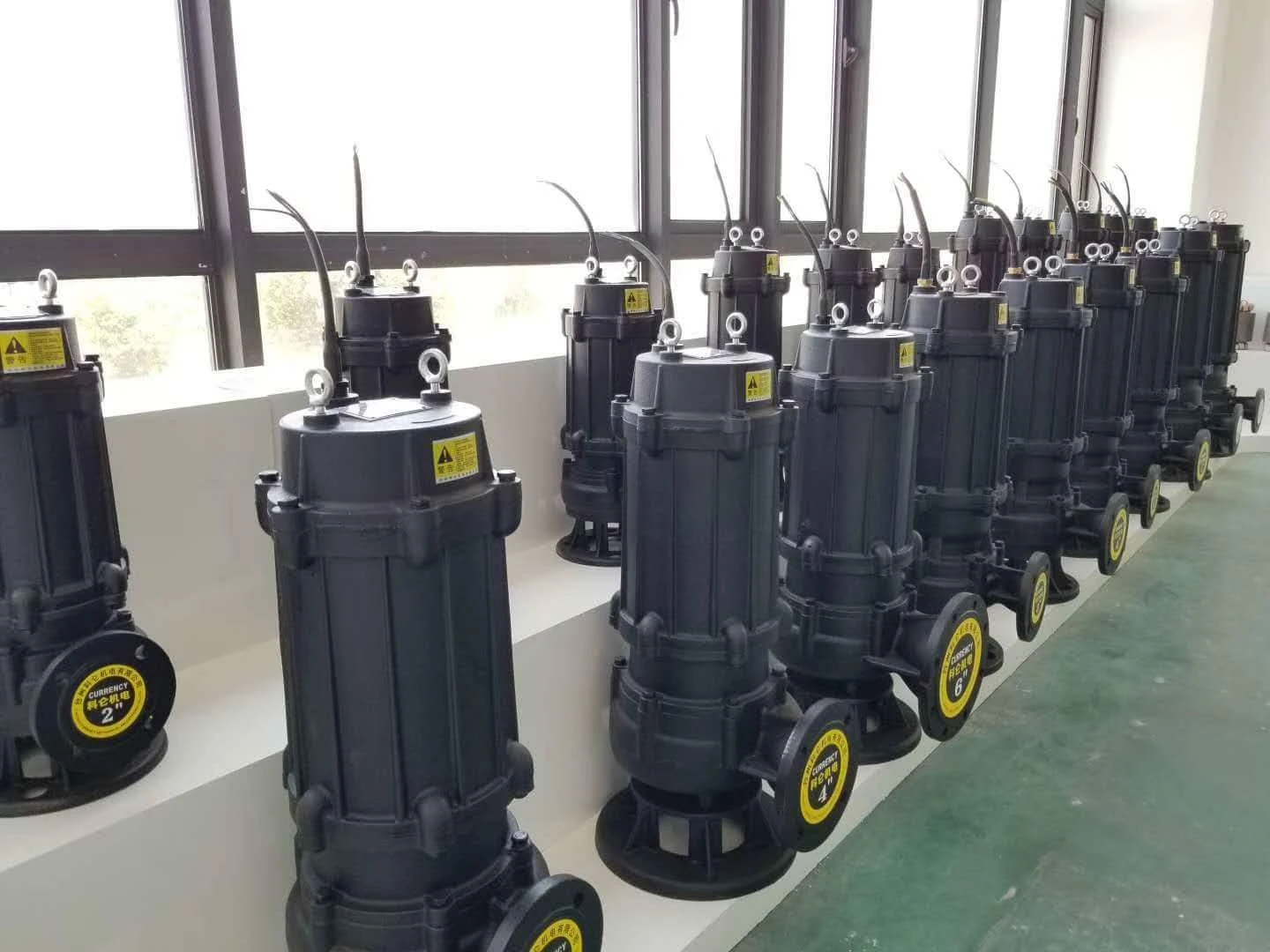
The good clean water double suction pump is a centrifugal pump designed for high-volume fluid transfer, specifically targeting clean water applications. Occupying a crucial position in water supply systems, irrigation, and industrial processes, this pump differentiates itself through its symmetrical impeller configuration, drawing fluid from both sides to minimize axial thrust and maximize efficiency. This design contrasts with single-suction pumps, which often require thrust bearings to manage unbalanced forces. Core performance characteristics include high flow rates, moderate head pressures, and relatively low energy consumption when operated within its specified parameters. A significant pain point within the water management sector revolves around maintaining consistent flow rates under varying demand and minimizing cavitation risk, both areas directly addressed by the double-suction pump’s design and operational considerations. The pump's efficiency is pivotal for reducing operational costs and ensuring long-term reliability in critical infrastructure.
Material Science & Manufacturing
The primary material for the pump housing is typically cast iron (ASTM A126 Grade B) due to its cost-effectiveness, machinability, and corrosion resistance in freshwater applications. However, for more aggressive water conditions or specialized applications, materials such as ductile iron (ASTM A536 65-45-12), stainless steel (304 or 316 – ASTM A743), or even specialized alloys may be employed. The impeller is most commonly constructed from cast iron or bronze (ASTM B148) for optimal hydraulic performance and erosion resistance. Shaft materials generally consist of carbon steel (ASTM A108) with a hardened surface or stainless steel. Manufacturing processes begin with pattern making for the cast iron components. The castings undergo rigorous inspection for defects before machining. Impeller blades are often produced using investment casting for high precision and complex geometries. Key parameter control focuses on maintaining tight tolerances during machining of the impeller and pump housing to ensure proper alignment and minimize vibration. Balancing the impeller is crucial to reduce wear on bearings and seals. Welding is utilized for joining certain components and requires adherence to AWS D1.1 standards for structural welding. Surface treatments, such as epoxy coating, are applied to the exterior of the pump housing to enhance corrosion protection, particularly in outdoor installations.
Performance & Engineering
Performance of a double suction pump is governed by several key engineering principles. Force analysis involves assessing radial and axial thrust loads generated by the impeller. The double-suction design intrinsically minimizes axial thrust, significantly reducing stress on the bearings and extending their service life. Hydraulic design focuses on optimizing impeller geometry and volute casing shape to maximize energy transfer from the fluid to the impeller. Cavitation, a major concern in centrifugal pumps, is mitigated through proper Net Positive Suction Head Available (NPSHA) calculations and impeller design. The pump's performance curve (Head vs. Flow Rate) is a critical engineering tool for selecting the appropriate pump size for a given application. Environmental resistance is enhanced through material selection and protective coatings. Pumps operating in cold climates require freeze protection measures, while those exposed to UV radiation necessitate UV-resistant coatings. Compliance requirements, such as those specified by ANSI/HI standards for pump performance and safety, dictate design and testing protocols. The pump’s mechanical seals are designed to prevent leakage and maintain system pressure. Seal materials (e.g., silicon carbide, tungsten carbide) are selected based on the fluid’s compatibility and operating temperature. Proper alignment of the pump and motor is essential to prevent premature bearing failure and ensure efficient operation. Vibration analysis is frequently employed to detect and diagnose potential mechanical issues.
Technical Specifications
| Parameter | Unit | Typical Value (Range) | Testing Standard |
|---|---|---|---|
| Flow Rate | m³/h | 50 - 1500 | ISO 9906:2012 |
| Head | m | 10 - 80 | ISO 9906:2012 |
| Pump Speed | rpm | 1450 - 3600 | Manufacturer Specification |
| Suction Pipe Diameter | mm | 100 - 400 | Manufacturer Specification |
| Discharge Pipe Diameter | mm | 80 - 300 | Manufacturer Specification |
| Operating Temperature | °C | 0 - 80 | Manufacturer Specification |
Failure Mode & Maintenance
Failure modes in double suction pumps are diverse and often interconnected. Fatigue cracking in the impeller, particularly around the blade roots, can occur due to cyclic loading and stress concentrations. Delamination of the pump housing coating, due to inadequate surface preparation or incompatible coatings, leads to corrosion. Cavitation erosion damages the impeller blades, reducing pump efficiency and potentially leading to catastrophic failure. Bearing failure results from improper lubrication, misalignment, or excessive loading. Seal leakage stems from worn seal faces, abrasive particles, or incompatible fluids. Oxidation of metallic components occurs in corrosive environments, weakening the material structure. Preventative maintenance is crucial to mitigate these failures. Regular vibration analysis can detect bearing wear and misalignment early on. Lubrication schedules should be strictly followed, utilizing appropriate greases or oils. Impeller balancing should be performed periodically to minimize vibration. Seal inspections and replacements are essential to prevent leakage. Coating repairs should be undertaken promptly to maintain corrosion protection. Routine flushing of the pump system removes debris and prevents clogging. During disassembly for maintenance, all components should be thoroughly inspected for signs of wear or damage. Replacement parts should meet or exceed original manufacturer specifications. Careful attention to NPSHA during commissioning and operation is vital to prevent cavitation.
Industry FAQ
Q: What is the primary advantage of a double-suction pump over a single-suction pump for large-scale water transfer?
A: The double-suction design inherently reduces axial thrust, leading to less stress on the bearings and improved reliability, especially at higher flow rates. This minimizes the need for robust and costly thrust bearings, and often results in longer bearing life.
Q: How does material selection impact the long-term operational cost of a double suction pump in a brackish water environment?
A: Using standard cast iron in brackish water significantly reduces pump lifespan due to corrosion. Investing in materials like stainless steel (316) or specialized alloys like duplex stainless steel increases the initial cost, but drastically lowers maintenance frequency and replacement costs over the pump's lifecycle.
Q: What preventative measures can be implemented to mitigate cavitation damage in a double-suction pump system?
A: Ensuring sufficient NPSHA is paramount. This involves optimizing suction pipe diameter, minimizing suction lift, and controlling fluid temperature. Regular impeller inspection and refurbishment can also address early signs of cavitation damage.
Q: What are the key considerations when selecting a mechanical seal for a good clean water double suction pump handling slightly abrasive fluids?
A: Choosing a seal material with high abrasion resistance, such as tungsten carbide, is crucial. Flushing the seal with clean water can also help remove abrasive particles and extend seal life. Considering a double mechanical seal arrangement provides an additional layer of protection.
Q: How often should impeller balancing be performed on a large-scale, continuously operating double-suction pump?
A: Generally, impeller balancing should be performed during scheduled maintenance outages, typically every 1-2 years, or after any major repairs. However, continuous vibration monitoring can provide early warning signs of imbalance and necessitate more frequent checks.
Conclusion
The good clean water double suction pump represents a robust and efficient solution for high-volume fluid transfer, critically dependent on sound material selection, precise manufacturing, and diligent maintenance. Its design, minimizing axial thrust and optimizing hydraulic performance, addresses key challenges in water management and industrial applications. The pump’s performance is profoundly linked to operating conditions and proper adherence to industry standards.
Looking forward, advancements in computational fluid dynamics (CFD) will facilitate even more optimized impeller designs, maximizing efficiency and reducing cavitation risk. The integration of smart sensors and predictive maintenance algorithms will further enhance pump reliability and minimize downtime. Continued development of corrosion-resistant materials will extend pump lifespan in challenging environments, driving down lifecycle costs and supporting sustainable water management practices.
-
Comprehensive Guide to Waterproof ORings for Optimal Sealing Solutions
News2026-06-09
-
Septic Pump System Performance Analysis
News2026-06-08
-
pump for septic Material Science
News2026-06-08
-
basement sewer pump Performance Analysis
News2026-06-08
-
submerged pump Performance Engineering
News2026-06-08
-
Septic System Pumps Performance Analysis
News2026-06-08
-
septic system pump Material Science and Manufacturing
News2026-06-07
-
pump for septic tank Material Science Manufacturing
News2026-06-07
-
submersible sewage pump Material Science
News2026-06-07
-
Sewage Ejector Material Science and Manufacturing
News2026-06-07
-
Ejection Pump Material Science
News2026-06-07
-
pump submersible Performance Analysis
News2026-06-06
-
ejector pumps Performance Engineering
News2026-06-06
-
basement ejector pump Material Science Manufacturing
News2026-06-06
-
Septic Tanks Pumping Performance Analysis
News2026-06-06




