English
- Afrikaans
- Albanian
- Amharic
- Arabic
- Armenian
- Azerbaijani
- Basque
- Belarusian
- Bengali
- Bosnian
- Bulgarian
- Catalan
- Cebuano
- Corsican
- Croatian
- Czech
- Danish
- Dutch
- English
- Esperanto
- Estonian
- Finnish
- French
- Frisian
- Galician
- Georgian
- German
- Greek
- Gujarati
- Haitian Creole
- hausa
- hawaiian
- Hebrew
- Hindi
- Miao
- Hungarian
- Icelandic
- igbo
- Indonesian
- irish
- Italian
- Japanese
- Javanese
- Kannada
- kazakh
- Khmer
- Rwandese
- Korean
- Kurdish
- Kyrgyz
- Lao
- Latin
- Latvian
- Lithuanian
- Luxembourgish
- Macedonian
- Malgashi
- Malay
- Malayalam
- Maltese
- Maori
- Marathi
- Mongolian
- Myanmar
- Nepali
- Norwegian
- Norwegian
- Occitan
- Pashto
- Persian
- Polish
- Portuguese
- Punjabi
- Romanian
- Russian
- Samoan
- Scottish Gaelic
- Serbian
- Sesotho
- Shona
- Sindhi
- Sinhala
- Slovak
- Slovenian
- Somali
- Spanish
- Sundanese
- Swahili
- Swedish
- Tagalog
- Tajik
- Tamil
- Tatar
- Telugu
- Thai
- Turkish
- Turkmen
- Ukrainian
- Urdu
- Uighur
- Uzbek
- Vietnamese
- Welsh
- Bantu
- Yiddish
- Yoruba
- Zulu

Telephone: +86 13120555503
Email: frank@cypump.com


Apr . 01, 2024 17:55 Back to list
good chemical pipeline water pump Performance Engineering
Introduction
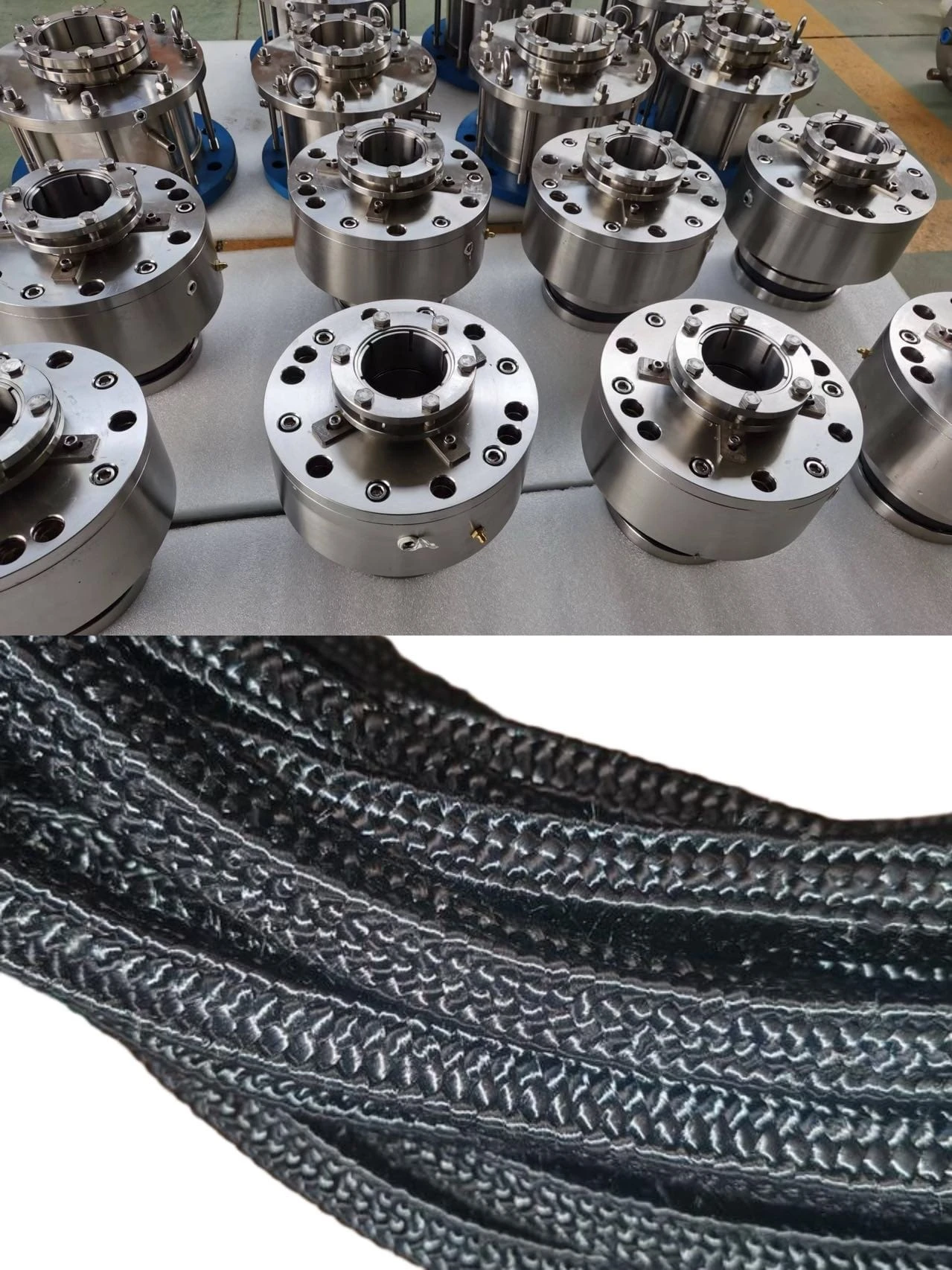
Good chemical pipeline water pumps are centrifugal pumps specifically engineered for the reliable and safe transfer of corrosive and hazardous chemicals across a wide range of industrial processes. These pumps represent a critical component within chemical processing plants, water and wastewater treatment facilities, pharmaceutical manufacturing, and oil & gas applications. Unlike general-purpose pumps, chemical pipeline pumps are designed to withstand the aggressive nature of chemical fluids, ensuring process integrity and minimizing environmental and safety risks. Core performance metrics center around fluid compatibility, leak prevention, and consistent volumetric flow rate against varying system pressures and fluid viscosities. Their position within the industry chain is post-reaction or post-processing, transferring product or waste streams. The pumps' efficacy directly influences downstream process efficiency and product quality. Common materials of construction include stainless steel alloys, fluoropolymers (PTFE, PFA), and specialized elastomers, selected for their resistance to specific chemical attack.
Material Science & Manufacturing
The selection of materials is paramount in chemical pipeline pump construction. Pump housings, impellers, and sealing components are commonly fabricated from 316L stainless steel, offering excellent corrosion resistance to a broad spectrum of chemicals. However, for highly corrosive media like hydrochloric acid or strong alkalis, more exotic alloys such as Hastelloy C-276 or duplex stainless steels are employed. Impellers are often manufactured via investment casting, providing complex geometries necessary for efficient fluid transfer. Shafts utilize high-strength alloys, frequently hardened and tempered for improved fatigue resistance. Sealing is typically achieved with mechanical seals utilizing seal faces made from silicon carbide or tungsten carbide, coupled with elastomeric O-rings constructed from PTFE, Viton, or Kalrez – the specific elastomer chosen dictated by chemical compatibility. Manufacturing processes for pump housings often involve precision casting followed by CNC machining to ensure tight tolerances. Welding, when used, requires certified welders and procedures adhering to ASME Section IX to guarantee weld integrity and prevent corrosion initiation points. Surface finish is critical; electropolishing is frequently applied to stainless steel components to further enhance corrosion resistance by removing surface imperfections where corrosive agents can initiate attack. The quality control process includes hydrostatic testing, non-destructive examination (NDT) like radiographic testing and liquid penetrant inspection, and material certification to verify alloy composition.
Performance & Engineering
Performance engineering for chemical pipeline pumps centers on hydraulic design and mechanical integrity. Force analysis focuses on stresses induced by internal pressure, impeller loading, and external piping forces. Finite Element Analysis (FEA) is routinely employed to optimize housing geometry and minimize stress concentrations. Cavitation is a significant concern, particularly with volatile liquids; pump designs incorporate Net Positive Suction Head Required (NPSHr) calculations and optimized impeller inlet profiles to mitigate this risk. Environmental resistance necessitates consideration of operating temperature, humidity, and potential exposure to UV radiation or salt spray. Pumps intended for outdoor installations typically feature protective coatings and corrosion-resistant hardware. Compliance requirements are stringent, governed by standards like API 610 (Centrifugal Pumps) and potentially ATEX directives for hazardous area applications. The pump’s hydraulic performance curve – demonstrating flow rate versus head (pressure) – is a critical engineering deliverable, allowing for proper system matching. Motor selection is also crucial, requiring explosion-proof enclosures and appropriate ingress protection (IP) ratings for hazardous environments. Proper piping support and alignment are essential to prevent vibration and bearing failure. Pump efficiency directly impacts energy consumption, and optimized impeller designs coupled with variable frequency drives (VFDs) can significantly reduce operating costs.
Technical Specifications
| Parameter | Units | Typical Range | Material Options |
|---|---|---|---|
| Flow Rate | GPM (Gallons Per Minute) | 50 - 500 | 316L SS, Hastelloy C-276 |
| Head (Pressure) | ft (Feet) | 50 - 300 | 316L SS, Hastelloy C-276 |
| Temperature Range | °F (°Fahrenheit) | -20 to 250 | PTFE, PFA, Viton, Kalrez |
| Viscosity Range | cP (Centipoise) | 1 - 500 | Pump Design Considerations (Impeller Type) |
| Seal Type | - | Mechanical Seal (Single/Double) | SiC/SiC, TC/TC, PTFE/Ceramic |
| Motor Power | HP (Horsepower) | 1 - 100 | TEFC, Explosion-Proof |
Failure Mode & Maintenance
Common failure modes in chemical pipeline pumps include mechanical seal failure (leading to leakage), bearing failure (resulting from lubrication issues or misalignment), impeller erosion/corrosion (due to abrasive or corrosive fluids), and cavitation damage (caused by inadequate NPSH). Fatigue cracking can occur in pump housings or shafts under cyclic loading. Delamination of polymeric coatings used for corrosion protection can also contribute to failure. Oxidation and pitting corrosion are prevalent in chloride-containing environments. Regular maintenance is crucial. This includes periodic seal inspection and replacement, bearing lubrication and monitoring, impeller inspection for wear or damage, and verification of proper alignment. Vibration analysis can detect early signs of bearing failure or imbalance. Routine flushing of pump casings prevents buildup of solids. A preventative maintenance program should include detailed record-keeping of pump operating parameters (flow rate, pressure, temperature) to identify trends and potential issues. For seal failures, a thorough analysis of the fluid being pumped and the seal materials is required to identify the root cause. In cases of cavitation, system adjustments or impeller modifications may be necessary. Proper grounding and bonding are essential to prevent galvanic corrosion.
Industry FAQ
Q: What is the primary difference between a chemical pipeline pump and a standard centrifugal pump?
A: The key difference lies in material selection and sealing. Chemical pumps utilize corrosion-resistant alloys and specialized elastomers to withstand aggressive chemical attack, and employ robust mechanical seals designed to prevent leakage of hazardous fluids. Standard centrifugal pumps lack these features and are unsuitable for corrosive applications.
Q: How do I determine the correct material of construction for a specific chemical application?
A: A chemical compatibility chart should be consulted, detailing the resistance of various materials to specific chemicals at different concentrations and temperatures. Factors like pH, temperature, and flow velocity must be considered. Consulting with a materials engineer is recommended for critical applications.
Q: What are the potential consequences of cavitation in a chemical pump?
A: Cavitation causes pitting and erosion of the impeller, leading to reduced pump performance and eventual failure. It also generates noise and vibration. Adequate NPSH is critical to prevent cavitation.
Q: What is the role of a double mechanical seal in a chemical pump?
A: A double mechanical seal provides a secondary barrier to prevent leakage, even if the primary seal fails. The space between the seals is typically flooded with a clean, inert fluid to provide lubrication and cooling, and to detect any primary seal leakage.
Q: How often should mechanical seals be inspected and replaced?
A: Inspection frequency depends on the application and the chemical being pumped. A general guideline is to inspect seals during scheduled maintenance (e.g., every 6-12 months). Replacement should occur when signs of wear, leakage, or damage are observed.
Conclusion
Good chemical pipeline water pumps are indispensable components in numerous industries requiring the safe and efficient handling of corrosive chemicals. Their long-term reliability is heavily dependent on a holistic approach encompassing meticulous material selection, precise manufacturing techniques, and rigorous adherence to industry standards. Selecting the correct pump for the application requires a comprehensive understanding of the fluid properties, operating conditions, and potential failure modes.
Future advancements in pump technology will likely focus on developing more durable and chemically resistant materials, improving impeller designs for enhanced efficiency, and incorporating predictive maintenance technologies utilizing sensor data and machine learning algorithms to minimize downtime and optimize pump performance. Continued innovation in sealing technology is also critical to ensure zero-leakage operation and environmental protection.
-
Comprehensive Guide to Waterproof ORings for Optimal Sealing Solutions
News2026-06-09
-
Septic Pump System Performance Analysis
News2026-06-08
-
pump for septic Material Science
News2026-06-08
-
basement sewer pump Performance Analysis
News2026-06-08
-
submerged pump Performance Engineering
News2026-06-08
-
Septic System Pumps Performance Analysis
News2026-06-08
-
septic system pump Material Science and Manufacturing
News2026-06-07
-
pump for septic tank Material Science Manufacturing
News2026-06-07
-
submersible sewage pump Material Science
News2026-06-07
-
Sewage Ejector Material Science and Manufacturing
News2026-06-07
-
Ejection Pump Material Science
News2026-06-07
-
pump submersible Performance Analysis
News2026-06-06
-
ejector pumps Performance Engineering
News2026-06-06
-
basement ejector pump Material Science Manufacturing
News2026-06-06
-
Septic Tanks Pumping Performance Analysis
News2026-06-06




