English
- Afrikaans
- Albanian
- Amharic
- Arabic
- Armenian
- Azerbaijani
- Basque
- Belarusian
- Bengali
- Bosnian
- Bulgarian
- Catalan
- Cebuano
- Corsican
- Croatian
- Czech
- Danish
- Dutch
- English
- Esperanto
- Estonian
- Finnish
- French
- Frisian
- Galician
- Georgian
- German
- Greek
- Gujarati
- Haitian Creole
- hausa
- hawaiian
- Hebrew
- Hindi
- Miao
- Hungarian
- Icelandic
- igbo
- Indonesian
- irish
- Italian
- Japanese
- Javanese
- Kannada
- kazakh
- Khmer
- Rwandese
- Korean
- Kurdish
- Kyrgyz
- Lao
- Latin
- Latvian
- Lithuanian
- Luxembourgish
- Macedonian
- Malgashi
- Malay
- Malayalam
- Maltese
- Maori
- Marathi
- Mongolian
- Myanmar
- Nepali
- Norwegian
- Norwegian
- Occitan
- Pashto
- Persian
- Polish
- Portuguese
- Punjabi
- Romanian
- Russian
- Samoan
- Scottish Gaelic
- Serbian
- Sesotho
- Shona
- Sindhi
- Sinhala
- Slovak
- Slovenian
- Somali
- Spanish
- Sundanese
- Swahili
- Swedish
- Tagalog
- Tajik
- Tamil
- Tatar
- Telugu
- Thai
- Turkish
- Turkmen
- Ukrainian
- Urdu
- Uighur
- Uzbek
- Vietnamese
- Welsh
- Bantu
- Yiddish
- Yoruba
- Zulu

Telephone: +86 13120555503
Email: frank@cypump.com


Apr . 01, 2024 17:55 Back to list
generac clean water pump Performance Engineering
Introduction
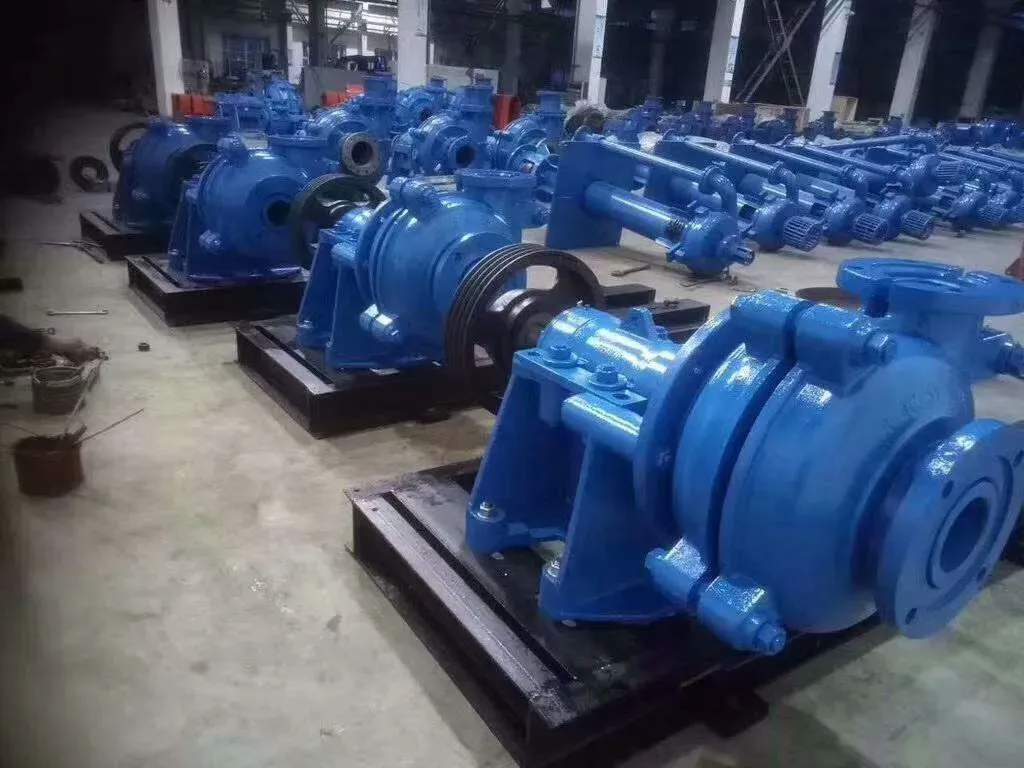
The Generac clean water pump represents a significant component within the residential and light commercial water transfer and dewatering equipment sector. Positioned as a self-priming centrifugal pump, its function is to efficiently move non-corrosive liquids, typically clean water, from one location to another. Within the industry chain, these pumps operate downstream of water sources (wells, tanks, reservoirs) and upstream of end-use applications like irrigation, construction site dewatering, and emergency water supply. Core performance characteristics center around flow rate (gallons per minute - GPM), total dynamic head (TDH) – the maximum height the pump can lift water – and pump efficiency. These parameters dictate the pump’s suitability for specific applications. A key industry pain point is achieving consistent performance across varying water quality conditions and ensuring robust construction to withstand demanding operational environments. Addressing these concerns through optimized impeller design, durable material selection, and effective sealing mechanisms are crucial for market acceptance and longevity.
Material Science & Manufacturing
Generac clean water pumps commonly utilize cast iron for the pump housing and volute due to its cost-effectiveness, rigidity, and resistance to corrosion from relatively clean water. The impeller, responsible for imparting kinetic energy to the water, is frequently constructed from reinforced thermoplastic materials like polypropylene or Noryl, offering a balance of strength, corrosion resistance, and weight. Shafts are typically manufactured from stainless steel (304 or 410 grade) to resist corrosion and torsional stress. Seals, a critical component, often employ elastomers like nitrile rubber (NBR) or Viton (FKM) for their compatibility with water and resistance to wear. Manufacturing processes involve precision casting for the housing and volute, followed by machining to ensure dimensional accuracy and smooth surface finishes. Impellers are generally produced via injection molding. Assembly involves careful alignment and fastening of components, followed by rigorous testing for leak-tightness and performance. Parameter control focuses on maintaining consistent material properties through quality control of raw materials, precise temperature and pressure control during molding, and stringent adherence to dimensional tolerances during machining. The selection of appropriate coatings, such as epoxy, can further enhance corrosion resistance in specific operating conditions. The manufacturing process must also consider adherence to environmental regulations regarding material waste and energy consumption.
Performance & Engineering
The performance of a Generac clean water pump is fundamentally governed by the principles of fluid dynamics and mechanical engineering. Force analysis involves calculating the centrifugal force generated by the rotating impeller, which overcomes the gravitational force and frictional losses within the system. Total Dynamic Head (TDH) is a critical parameter, determined by static lift (vertical distance water is raised), friction losses in the piping, and pressure requirements at the discharge point. Pump curves, generated through performance testing, illustrate the relationship between flow rate and TDH, allowing engineers to select the appropriate pump for a given application. Environmental resistance is addressed through material selection and protective coatings. Pumps are often designed to operate within a specified temperature range (typically 33°F to 104°F) and are susceptible to damage from freezing temperatures. Compliance requirements, particularly regarding electrical safety (UL listing, CSA certification) and water quality (NSF/ANSI 61 standard for components in contact with potable water), are paramount. Functional implementation relies on a motor-pump coupling, typically a direct drive arrangement, requiring careful alignment to minimize vibration and wear. Efficient hydraulic design, minimizing energy losses through optimized impeller geometry and volute shape, is crucial for maximizing pump efficiency and reducing operating costs.
Technical Specifications
| Model Number | Maximum Flow Rate (GPM) | Maximum Total Dynamic Head (ft) | Motor Horsepower (HP) |
|---|---|---|---|
| PW7950 | 100 | 60 | 1.5 |
| PW7951 | 75 | 85 | 2 |
| PW7952 | 50 | 110 | 2.5 |
| PW7953 | 30 | 130 | 3 |
| PW7954 | 20 | 150 | 3.5 |
| PW7955 | 10 | 175 | 4 |
Failure Mode & Maintenance
Common failure modes in Generac clean water pumps include impeller wear (due to abrasion from particulate matter, even in “clean” water), seal failure (leading to leakage), bearing failure (resulting from inadequate lubrication or excessive load), and motor burnout (caused by overheating or electrical issues). Fatigue cracking in the pump housing or volute can occur under cyclical loading, particularly in pumps subjected to frequent start-stop operation. Delamination of coatings can also lead to corrosion. Oxidation of metal components over extended periods, especially in humid environments, can reduce component strength. Preventative maintenance is crucial for extending pump life. This includes regular inspection of seals for wear or damage, lubrication of bearings, checking for debris buildup in the impeller, and ensuring proper motor ventilation. Periodic testing of the pump’s electrical connections and grounding is also essential. In the event of seal failure, replacement with a compatible seal material is required. Impeller wear necessitates impeller replacement. Bearing failure requires bearing replacement and potentially shaft inspection. Motor burnout typically necessitates motor replacement or rewinding. Routine flushing of the pump with clean water can help prevent debris buildup and maintain optimal performance. Proper winterization, draining the pump and protecting it from freezing temperatures, is critical in cold climates.
Industry FAQ
Q: What is the typical lifespan of a Generac clean water pump under normal operating conditions?
A: Under typical residential use (intermittent operation, clean water source), a Generac clean water pump can be expected to last between 5 to 10 years. However, this lifespan is heavily dependent on maintenance practices, water quality, and the frequency of use. Commercial applications with continuous operation will likely experience a shorter lifespan, typically 3 to 5 years.
Q: How do I determine the appropriate pump size for my application?
A: Determining the correct pump size requires calculating the total dynamic head (TDH) and the required flow rate. TDH includes the vertical lift, friction losses in the piping, and any pressure requirements at the discharge. Flow rate is determined by the application's demand. Comparing these values to the pump's performance curve will identify the optimal model.
Q: What type of water can be safely pumped with a Generac clean water pump?
A: These pumps are designed for clean water, meaning water that is free of abrasive particles, chemicals, or corrosive substances. Pumping water containing sand, silt, or other debris can quickly damage the impeller and seals. If the water source is not demonstrably clean, a filtration system is highly recommended.
Q: What are the common causes of pump failure and how can they be prevented?
A: Common causes include impeller wear, seal failure, bearing failure, and motor burnout. Prevention involves regular maintenance (lubrication, cleaning, inspection), using a clean water source, protecting the pump from freezing temperatures, and ensuring proper electrical grounding.
Q: Is professional installation required for a Generac clean water pump?
A: While a skilled DIY enthusiast may be able to install the pump, professional installation is strongly recommended, particularly for electrical connections. Improper installation can void the warranty and create a safety hazard. A qualified plumber or electrician can ensure the pump is installed correctly and meets local codes.
Conclusion
The Generac clean water pump, while seemingly straightforward in its function, represents a complex interplay of material science, fluid dynamics, and mechanical engineering principles. Its performance is critically dependent on careful material selection, precise manufacturing processes, and diligent maintenance. Achieving optimal efficiency and longevity requires a thorough understanding of its operational parameters, potential failure modes, and adherence to industry standards.
Future advancements in clean water pump technology will likely focus on improving energy efficiency through optimized impeller designs and the integration of variable frequency drives (VFDs), enhancing material durability to withstand harsher operating conditions, and incorporating smart monitoring systems to predict and prevent failures. These innovations will address the evolving needs of both residential and commercial users, ensuring reliable and cost-effective water transfer solutions.
-
Effluent vs Sump Pump Performance Analysis
News2026-05-22
-
effluent septic pump Performance Engineering
News2026-05-22
-
best sewer pumps Performance Engineering
News2026-05-22
-
best sewer pump Performance Analysis
News2026-05-22
-
best sewage pumps Performance Engineering
News2026-05-22
-
basement bathroom sewage pump Material Science Manufacturing
News2026-05-21
-
wastewater treatment plant pumps Material Science Manufacturing
News2026-05-21
-
waste water pump for basement Material Science Manufacturing
News2026-05-21
-
sump pump sewage Performance Analysis
News2026-05-21
-
sump pump for sewage Material Science and Manufacturing
News2026-05-21
-
sump pump for septic systems Material Science Manufacturing
News2026-05-20
-
sump pump and ejector pump Material Science Manufacturing
News2026-05-20
-
sewage treatment plant pumps Performance Analysis
News2026-05-20
-
sewage tank pump Material Science and Manufacturing
News2026-05-20
-
sewage pump for septic tank Performance Analysis
News2026-05-20




