English
- Afrikaans
- Albanian
- Amharic
- Arabic
- Armenian
- Azerbaijani
- Basque
- Belarusian
- Bengali
- Bosnian
- Bulgarian
- Catalan
- Cebuano
- Corsican
- Croatian
- Czech
- Danish
- Dutch
- English
- Esperanto
- Estonian
- Finnish
- French
- Frisian
- Galician
- Georgian
- German
- Greek
- Gujarati
- Haitian Creole
- hausa
- hawaiian
- Hebrew
- Hindi
- Miao
- Hungarian
- Icelandic
- igbo
- Indonesian
- irish
- Italian
- Japanese
- Javanese
- Kannada
- kazakh
- Khmer
- Rwandese
- Korean
- Kurdish
- Kyrgyz
- Lao
- Latin
- Latvian
- Lithuanian
- Luxembourgish
- Macedonian
- Malgashi
- Malay
- Malayalam
- Maltese
- Maori
- Marathi
- Mongolian
- Myanmar
- Nepali
- Norwegian
- Norwegian
- Occitan
- Pashto
- Persian
- Polish
- Portuguese
- Punjabi
- Romanian
- Russian
- Samoan
- Scottish Gaelic
- Serbian
- Sesotho
- Shona
- Sindhi
- Sinhala
- Slovak
- Slovenian
- Somali
- Spanish
- Sundanese
- Swahili
- Swedish
- Tagalog
- Tajik
- Tamil
- Tatar
- Telugu
- Thai
- Turkish
- Turkmen
- Ukrainian
- Urdu
- Uighur
- Uzbek
- Vietnamese
- Welsh
- Bantu
- Yiddish
- Yoruba
- Zulu

Telephone: +86 13120555503
Email: frank@cypump.com


Apr . 01, 2024 17:55 Back to list
End Suction Pump Performance Analysis
Introduction
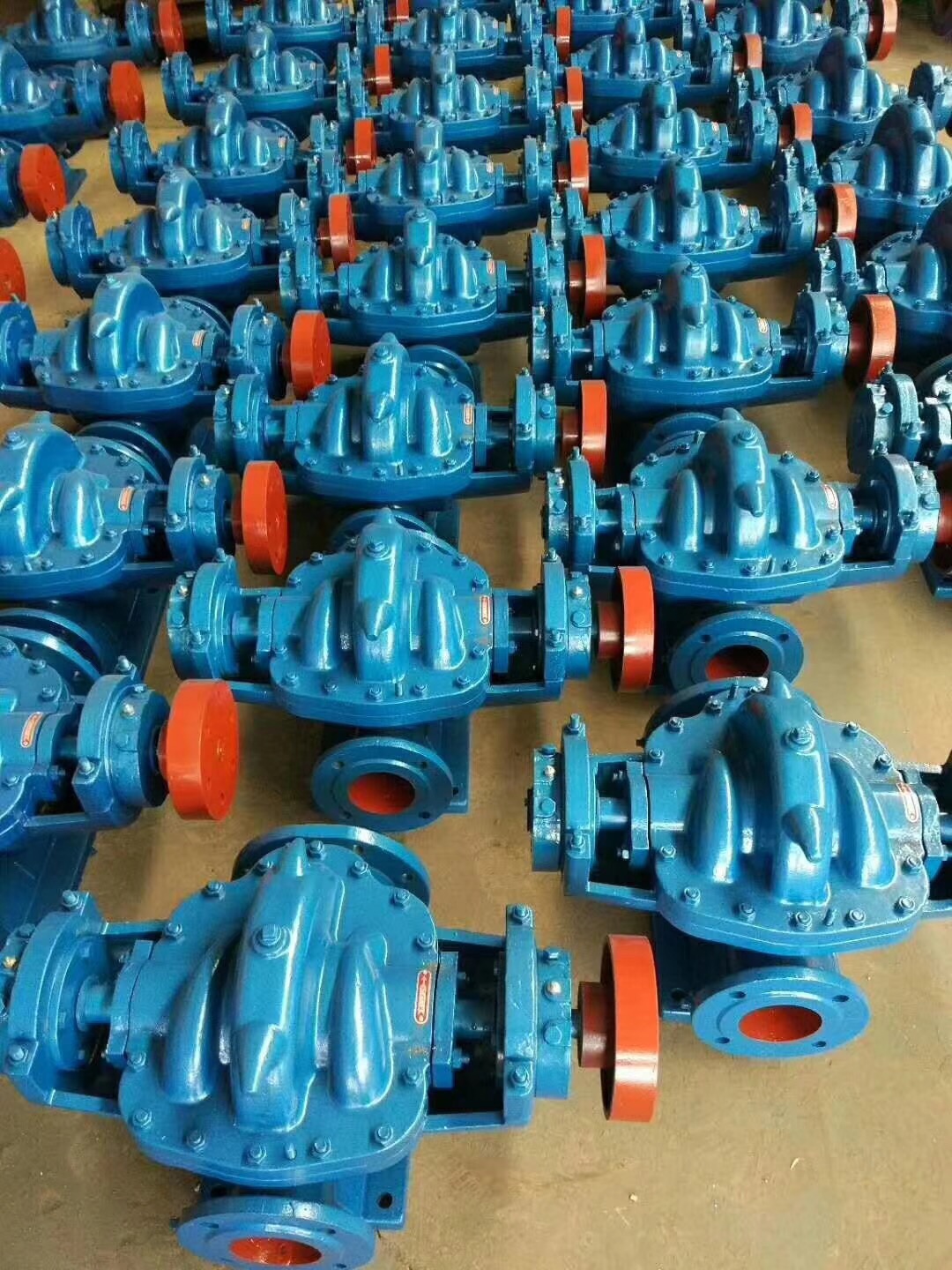
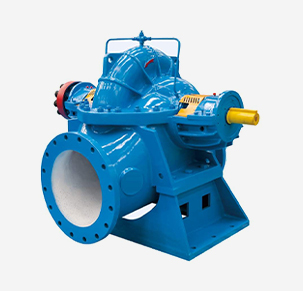
End suction pumps represent a ubiquitous class of centrifugal pumps employed across a vast spectrum of industrial applications, including water supply, irrigation, fire protection systems, and chemical processing. Their design, characterized by a single suction inlet and radial discharge, positions them as a cost-effective and reliable solution for transferring fluids. The technical position within the fluid handling chain typically involves taking suction from a source (tank, reservoir, etc.) and delivering it to a downstream process or destination. Core performance characteristics, such as flow rate, head (pressure), and efficiency, are dictated by impeller design, pump speed, and fluid properties. A key industry pain point is optimizing pump performance for varying fluid viscosities and solids content, impacting efficiency and lifespan. Selection often involves balancing initial cost with lifecycle costs, including energy consumption and maintenance requirements. Cavitation, a common challenge, requires careful Net Positive Suction Head (NPSH) calculation and system design.
Material Science & Manufacturing
The construction of end suction pumps necessitates careful material selection to ensure compatibility with the conveyed fluid and to withstand operating pressures and temperatures. Common materials include cast iron (ASTM A126 Class 30 for housings), stainless steel (304, 316 for impellers and wetted parts – chosen for corrosion resistance), and bronze (for impellers in applications requiring higher resistance to abrasion). Impellers are commonly manufactured using investment casting or centrifugal casting, processes that yield precise geometries and smooth surface finishes critical for hydraulic efficiency. Pump housings are typically produced through sand casting or resin-bonded investment casting, followed by machining to tight tolerances. Shafts are usually forged from alloy steel (e.g., 4140) and hardened to resist torsional stress and wear. Seals, vital for preventing leakage, are often made from materials like Viton, EPDM, or PTFE, selected for their chemical compatibility and sealing properties. Parameter control during manufacturing focuses on impeller balancing (minimizing vibration), dimensional accuracy of the casing volute (maximizing head), and surface roughness of all wetted parts (reducing friction losses). Welding procedures, if applicable, must adhere to standards like AWS D1.1 for structural welding to ensure joint integrity. The choice of elastomers for seals is critical; incorrect material selection leads to rapid degradation and failure. A significant industry challenge revolves around managing lead times for specialized alloys and ensuring consistent material quality from suppliers.
Performance & Engineering
End suction pump performance is governed by fundamental hydraulic principles. The pump’s head-capacity curve, a graphical representation of the relationship between flow rate and discharge pressure, is crucial for system matching. Force analysis involves calculating radial and axial thrust loads on the impeller shaft, demanding robust bearing design and proper shaft alignment. Environmental resistance is paramount; pumps operating in corrosive environments require appropriate material selection and protective coatings. Compliance requirements vary by application. For potable water systems, NSF/ANSI 61 certification is mandatory, ensuring materials do not leach harmful substances. Pumps handling flammable liquids must meet API 610 standards for safety and reliability. Functional implementation necessitates consideration of Net Positive Suction Head Required (NPSHr) – the minimum pressure required at the pump inlet to prevent cavitation. Cavitation causes noise, vibration, and impeller erosion, drastically reducing pump life. System design must ensure adequate NPSH Available (NPSHa) exceeds NPSHr. Variable Frequency Drives (VFDs) are increasingly used to optimize energy consumption by adjusting pump speed to match demand. A core pain point lies in accurately predicting pump performance with non-Newtonian fluids or fluids containing suspended solids, necessitating sophisticated computational fluid dynamics (CFD) modeling.
Technical Specifications
| Parameter | Unit | Typical Value (Small Pump) | Typical Value (Large Pump) |
|---|---|---|---|
| Flow Rate | GPM (US) | 50-200 | 500-2000 |
| Total Head | ft | 20-80 | 100-300 |
| Pump Speed | RPM | 1750-3450 | 900-1800 |
| Power | HP | 1-5 | 20-100 |
| Suction Pressure | psi | -30 to 50 | -30 to 100 |
| Discharge Pressure | psi | 20 to 150 | 100 to 400 |
Failure Mode & Maintenance
End suction pumps are susceptible to several failure modes. Fatigue cracking in the impeller, often initiated by cavitation erosion, is a common occurrence. Delamination of pump casing coatings can lead to corrosion and reduced hydraulic efficiency. Bearing failure, typically due to inadequate lubrication or overloading, results in noise, vibration, and eventual pump seizure. Seal failure, caused by abrasion, chemical attack, or improper installation, results in leakage. Oxidation and corrosion of metallic components, especially in aggressive fluid environments, weaken the structure. Regular preventative maintenance is crucial. This includes periodic vibration analysis to detect bearing wear, impeller balancing to reduce stress, seal replacement according to manufacturer’s recommendations, and inspection for corrosion. Lubrication schedules must be strictly adhered to, using the correct lubricant grade. For pumps handling abrasive fluids, wear rings should be inspected and replaced regularly to maintain close clearances. Root cause analysis of failures should be conducted to identify underlying issues and prevent recurrence. A significant industry challenge is the lack of comprehensive condition monitoring systems for smaller pumps, leading to unexpected downtime and costly repairs.
Industry FAQ
Q: What is the primary cause of cavitation in end suction pumps and how can it be mitigated?
A: Cavitation occurs when the absolute pressure at the pump inlet falls below the vapor pressure of the liquid, causing vapor bubbles to form. These bubbles collapse violently, eroding the impeller and reducing pump performance. Mitigation involves ensuring sufficient NPSHa, increasing suction pipe diameter, reducing suction pipe length, lowering pump speed, or increasing pump inlet pressure.
Q: How does fluid viscosity affect the performance of an end suction pump?
A: Increased fluid viscosity leads to higher friction losses within the pump, reducing flow rate and efficiency. Pumps handling viscous fluids require larger motors and may operate at lower speeds to maintain acceptable performance. Pump curves are typically derated for viscous fluids.
Q: What are the key considerations when selecting a seal material for a pump handling a corrosive fluid?
A: Seal material compatibility is paramount. The material must be resistant to chemical attack by the fluid at the operating temperature and pressure. Common choices include Viton, EPDM, PTFE, and specialized alloys, but the specific fluid chemistry dictates the optimal selection. Chemical compatibility charts should be consulted.
Q: How can vibration analysis be used to diagnose pump problems?
A: Vibration analysis can identify bearing wear, impeller imbalance, misalignment, and cavitation. Specific vibration frequencies correlate to different fault conditions, enabling targeted maintenance and repair. Regular vibration monitoring is a key component of predictive maintenance programs.
Q: What are the benefits of using a VFD with an end suction pump?
A: VFDs allow for precise control of pump speed, optimizing energy consumption by matching flow rate to demand. They also reduce mechanical stress on the pump and piping system, extending pump life. Soft starting capabilities minimize water hammer and reduce inrush current.
Conclusion
End suction pumps remain a cornerstone of fluid transfer applications due to their versatility, cost-effectiveness, and relative simplicity. However, achieving optimal performance and longevity requires a comprehensive understanding of material science, hydraulic principles, and potential failure modes. Proper material selection, meticulous manufacturing processes, and proactive maintenance practices are crucial for mitigating risks and maximizing return on investment.
Looking forward, advancements in pump design, such as improved impeller geometries and the integration of smart sensors for condition monitoring, will further enhance efficiency and reliability. Addressing industry pain points related to handling challenging fluids and optimizing energy consumption through intelligent control systems will be key drivers of innovation in the end suction pump market.
-
pump for sewage water Performance Analysis
News2026-05-23
-
plumbing sewage ejector pump Performance Engineering
News2026-05-23
-
home sewer pump station Performance and Engineering
News2026-05-23
-
high pressure sump pump Performance Analysis
News2026-05-23
-
high head effluent pump Performance Analysis
News2026-05-23
-
Effluent vs Sump Pump Performance Analysis
News2026-05-22
-
effluent septic pump Performance Engineering
News2026-05-22
-
best sewer pumps Performance Engineering
News2026-05-22
-
best sewer pump Performance Analysis
News2026-05-22
-
best sewage pumps Performance Engineering
News2026-05-22
-
basement bathroom sewage pump Material Science Manufacturing
News2026-05-21
-
wastewater treatment plant pumps Material Science Manufacturing
News2026-05-21
-
waste water pump for basement Material Science Manufacturing
News2026-05-21
-
sump pump sewage Performance Analysis
News2026-05-21
-
sump pump for sewage Material Science and Manufacturing
News2026-05-21




