English
- Afrikaans
- Albanian
- Amharic
- Arabic
- Armenian
- Azerbaijani
- Basque
- Belarusian
- Bengali
- Bosnian
- Bulgarian
- Catalan
- Cebuano
- Corsican
- Croatian
- Czech
- Danish
- Dutch
- English
- Esperanto
- Estonian
- Finnish
- French
- Frisian
- Galician
- Georgian
- German
- Greek
- Gujarati
- Haitian Creole
- hausa
- hawaiian
- Hebrew
- Hindi
- Miao
- Hungarian
- Icelandic
- igbo
- Indonesian
- irish
- Italian
- Japanese
- Javanese
- Kannada
- kazakh
- Khmer
- Rwandese
- Korean
- Kurdish
- Kyrgyz
- Lao
- Latin
- Latvian
- Lithuanian
- Luxembourgish
- Macedonian
- Malgashi
- Malay
- Malayalam
- Maltese
- Maori
- Marathi
- Mongolian
- Myanmar
- Nepali
- Norwegian
- Norwegian
- Occitan
- Pashto
- Persian
- Polish
- Portuguese
- Punjabi
- Romanian
- Russian
- Samoan
- Scottish Gaelic
- Serbian
- Sesotho
- Shona
- Sindhi
- Sinhala
- Slovak
- Slovenian
- Somali
- Spanish
- Sundanese
- Swahili
- Swedish
- Tagalog
- Tajik
- Tamil
- Tatar
- Telugu
- Thai
- Turkish
- Turkmen
- Ukrainian
- Urdu
- Uighur
- Uzbek
- Vietnamese
- Welsh
- Bantu
- Yiddish
- Yoruba
- Zulu

Telephone: +86 13120555503
Email: frank@cypump.com


Apr . 01, 2024 17:55 Back to list
electric submersible sewage pump quotes Performance Analysis
Introduction
Electric submersible sewage pumps (ESSP) represent a critical component in wastewater management systems, serving diverse applications from municipal sewage treatment plants to industrial effluent handling and flood control. These pumps, designed for complete submersion, offer significant advantages over traditional surface-mounted pumps, particularly in applications requiring the transfer of solids-laden fluids. The selection of an ESSP is heavily reliant on a detailed understanding of its performance characteristics, material compatibility with the conveyed fluid, and adherence to stringent industry regulations. A comprehensive “quote” for an ESSP isn’t merely a price list; it's a technical document detailing the pump’s suitability for a specific application, considering total dynamic head, flow rate, solids handling capability, and operational environment. Failure to adequately specify these parameters can lead to premature pump failure, increased operational costs, and environmental concerns. This guide will delve into the key technical aspects of ESSPs, from material science and manufacturing to performance engineering, failure modes, and industry standards, providing a robust framework for evaluating ESSP quotes and ensuring optimal system performance.
Material Science & Manufacturing
The construction of an ESSP demands careful material selection to withstand the abrasive and corrosive nature of sewage. Pump casings are typically manufactured from cast iron (ASTM A48 Class 30), ductile iron (ASTM A536-89 Grade 65-45-12), or stainless steel (304, 316, or duplex stainless steel). Cast iron offers cost-effectiveness but is susceptible to corrosion, particularly in hydrogen sulfide (H2S) environments. Ductile iron provides enhanced toughness and corrosion resistance. Stainless steel, especially duplex grades, offers superior resistance to both corrosion and abrasion, making it ideal for highly aggressive applications. Impellers, the rotating components responsible for fluid movement, are commonly constructed from high-chrome cast iron or stainless steel. The impeller's material and design are crucial for handling solids without clogging or excessive wear. Shafts are usually made from high-strength alloy steel (e.g., 4140 or 4340) and undergo heat treatment to improve their tensile strength and fatigue resistance. Seals are critical for preventing leakage and protecting the motor. Common seal materials include silicon carbide, tungsten carbide, and various elastomers (e.g., Viton, Buna-N) selected based on chemical compatibility with the sewage composition. Manufacturing processes include sand casting for the casing, investment casting or forging for impellers, and precision machining for shafts and other components. Welding is used extensively in pump assembly, requiring qualified welders and adherence to AWS D1.1 standards to ensure structural integrity. Critical parameters during manufacturing include dimensional accuracy, surface finish, and material hardness, all meticulously controlled to meet specified tolerances and prevent premature failure.
Performance & Engineering
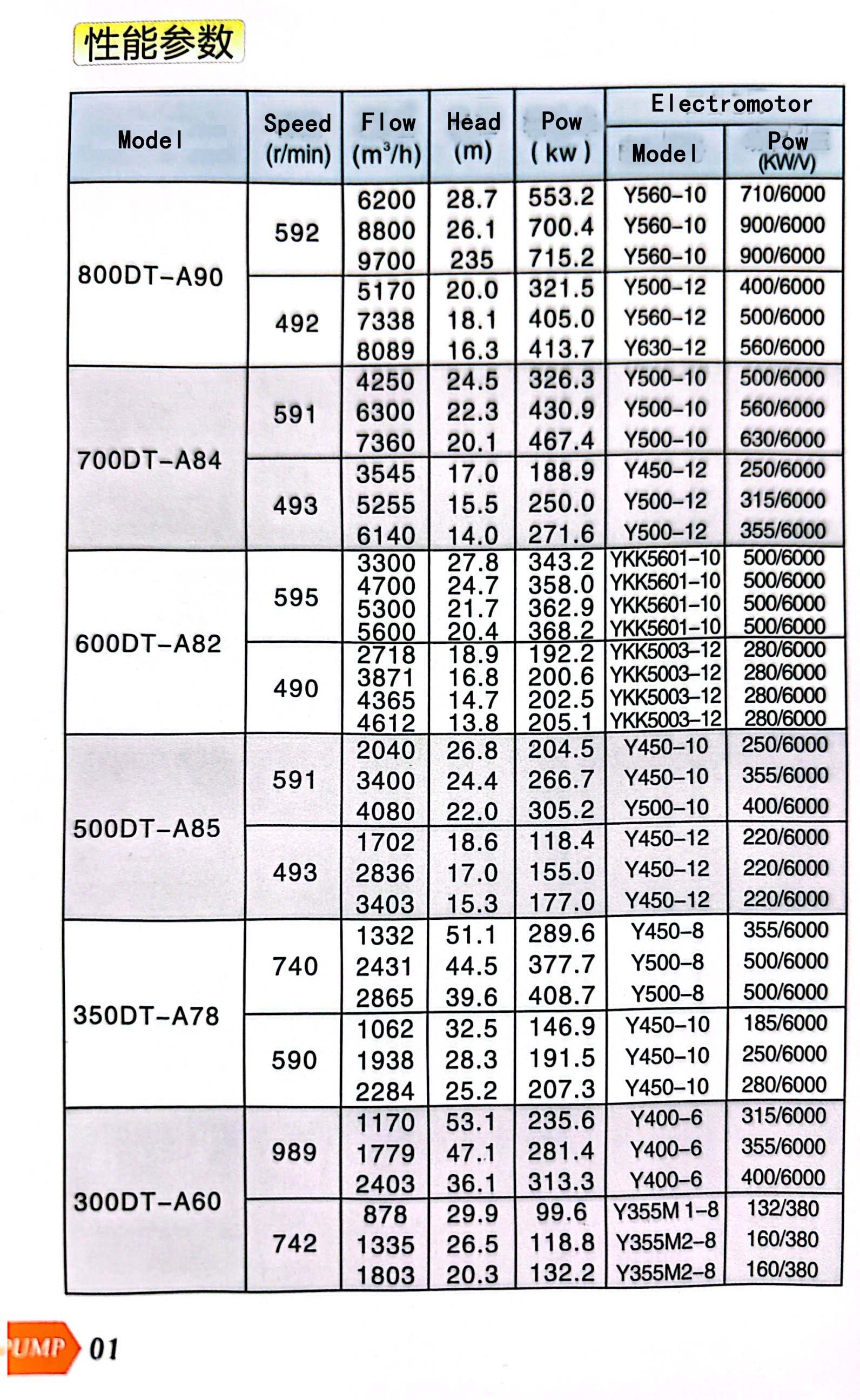
The performance of an ESSP is defined by its hydraulic efficiency, head-capacity curve, and solids handling capability. The head-capacity curve illustrates the relationship between the pump’s discharge head (the height to which it can lift the fluid) and the volumetric flow rate. This curve is crucial for matching the pump to the specific system requirements. Force analysis is paramount in ESSP design, considering the hydrostatic pressure, fluid dynamic forces, and mechanical stresses on the pump components. The pump must be capable of withstanding these forces without deformation or failure. Environmental resistance is also a key consideration. Pumps operating in corrosive environments must be protected against chemical attack through appropriate material selection and protective coatings. The motor, typically a squirrel-cage induction motor, must be adequately sealed and insulated to prevent water ingress and electrical short circuits. Compliance requirements vary depending on the application and geographical location. For example, pumps used in municipal wastewater treatment must comply with EPA standards for effluent discharge. Engineering details also include the pump’s power consumption, efficiency, and noise level. The impeller design, including the vane angle and number of vanes, significantly impacts the pump's efficiency and solids handling ability. Vortex impellers are commonly used for handling large solids, while radial impellers are more efficient for clean liquids. Proper pump sizing and system design are crucial for minimizing energy consumption and maximizing pump lifespan. Hydraulic Institute standards (HI) provide guidelines for pump performance testing and evaluation.
Technical Specifications
| Parameter | Unit | Typical Range | Material |
|---|---|---|---|
| Flow Rate | GPM (Gallons Per Minute) | 50 - 5000 | N/A |
| Total Dynamic Head | ft (Feet) | 20 - 200 | N/A |
| Motor Power | HP (Horsepower) | 3 - 200 | N/A |
| Solids Handling Capability | in (Inches) | 1 - 6 | N/A |
| Casing Material | - | Cast Iron, Ductile Iron, Stainless Steel | ASTM A48, A536, AISI 304/316 |
| Impeller Material | - | High-Chrome Cast Iron, Stainless Steel | AISI 304/316 |
Failure Mode & Maintenance
ESSPs are susceptible to several failure modes. Fatigue cracking in the impeller or casing can occur due to cyclic loading and stress concentration. Cavitation, caused by low inlet pressure, can erode the impeller vanes. Abrasion from solids in the sewage can wear down the impeller and casing. Corrosion, particularly in aggressive environments, can weaken the pump components. Seal failure can lead to leakage and motor damage. Bearing failure can result from inadequate lubrication or excessive load. Failure analysis often involves visual inspection, non-destructive testing (NDT) methods such as ultrasonic testing and radiography, and metallurgical analysis. Preventive maintenance is crucial for extending pump lifespan and minimizing downtime. Regular inspection of the pump for signs of wear, corrosion, or leakage is essential. Lubrication of bearings according to manufacturer’s specifications is critical. Periodic cleaning of the impeller and casing to remove accumulated debris is recommended. Seal replacement should be performed proactively based on operating hours or observed leakage. Monitoring the pump’s performance parameters, such as flow rate, head, and power consumption, can provide early warning signs of potential problems. Vibration analysis can also detect bearing wear or impeller imbalance. Following a robust maintenance schedule and addressing issues promptly can significantly reduce the risk of catastrophic failure and ensure reliable pump operation.
Industry FAQ
Q: What is the significance of the pump curve when evaluating an ESSP quote?
A: The pump curve is fundamental. It defines the pump’s performance across a range of flow rates and heads. You need to ensure the pump's best efficiency point (BEP) aligns with your system’s required operating point. A pump operating significantly off its BEP will be less efficient, consume more energy, and have a shorter lifespan.
Q: How does the specific gravity of the sewage affect pump selection?
A: Specific gravity influences the pump’s required head. Sewage typically has a specific gravity close to water, but significant solids content can increase it. The quote should specify the pump's capacity to handle the expected specific gravity of your influent stream. Ignoring this can result in the pump being undersized and unable to deliver the required flow.
Q: What is the role of the impeller type in solids handling capability?
A: Impeller type is crucial. Vortex impellers are designed to pass large solids with minimal clogging, but they are generally less efficient. Radial impellers are more efficient but can be prone to clogging. The quote should clearly indicate the impeller type and its suitability for the expected solids content.
Q: What corrosion protection measures are included in the quoted pump?
A: This is vital, particularly if the sewage contains corrosive substances like hydrogen sulfide. The quote should detail the materials used (e.g., stainless steel, epoxy coatings) and any additional corrosion protection measures implemented, like sacrificial anodes. A lack of corrosion protection will drastically reduce pump life.
Q: What are the warranty terms and available service support for the ESSP?
A: The warranty provides a baseline for the pump’s expected lifespan and quality. Equally important is the availability of service support, including spare parts, repair services, and technical assistance. A comprehensive service plan can minimize downtime and ensure long-term reliability.
Conclusion
Selecting an electric submersible sewage pump is a complex process demanding a thorough understanding of hydraulic principles, material science, and industry regulations. Evaluating an ESSP quote requires more than simply comparing prices; it necessitates a detailed assessment of the pump’s technical specifications, performance characteristics, and suitability for the specific application. A well-defined quote should provide comprehensive information regarding flow rate, head, motor power, solids handling capability, material composition, and corrosion protection measures.
Ultimately, a robust ESSP selection process, guided by technical expertise and adherence to industry standards, minimizes operational costs, maximizes pump lifespan, and ensures the reliable and efficient operation of wastewater management systems. Investing in a high-quality pump and a proactive maintenance program will yield long-term benefits, protecting both the environment and your capital investment.
-
Precision at the Pump: How Better Machining Protects Flow and Uptime
News2026-11-20
-
Why Pump Reliability Begins Before the First Drop of Fluid
News2026-11-20
-
Beyond the Pump: Designing Safer Access Around Critical Water Infrastructure
News2026-11-20
-
Why Pumping Stations Depend on the Infrastructure Beneath the Pumps
News2026-11-20
-
Beyond the Pump Room: How Smarter Loading Protects Industrial Equipment
News2026-11-19
-
When Pumps Stop: Designing More Resilient Power for Critical Pumping Systems
News2026-11-19
-
The Hidden Role of Dust and Gas Monitoring in Reliable Pump Operations
News2026-11-19
-
The Hidden Role of Mineral Compounds in Extending Industrial Pump Lifespan
News2026-10-12
-
Why Pump System Reliability Depends on Precision Hose Assembly Methods
News2026-09-15
-
How Advanced Imaging Films Are Transforming Pump Component Quality Control
News2026-08-25
-
How Advanced Filtration Protects Pump Systems from Premature Wear and Costly Downtime
News2026-08-25
-
How Steel Material Selection Drives Pump Reliability in Heavy-Duty Systems
News2026-08-25
-
Ensuring Pump System Efficiency: The Role of High-Quality Pipe Fittings and Tubing
News2026-08-24
-
Optimizing Fluid Dynamics and Material Consistency in Industrial Processing
News2026-08-18
-
Innovations and Challenges in Hydraulic Systems for Heavy Machinery
News2026-08-13




