English
- Afrikaans
- Albanian
- Amharic
- Arabic
- Armenian
- Azerbaijani
- Basque
- Belarusian
- Bengali
- Bosnian
- Bulgarian
- Catalan
- Cebuano
- Corsican
- Croatian
- Czech
- Danish
- Dutch
- English
- Esperanto
- Estonian
- Finnish
- French
- Frisian
- Galician
- Georgian
- German
- Greek
- Gujarati
- Haitian Creole
- hausa
- hawaiian
- Hebrew
- Hindi
- Miao
- Hungarian
- Icelandic
- igbo
- Indonesian
- irish
- Italian
- Japanese
- Javanese
- Kannada
- kazakh
- Khmer
- Rwandese
- Korean
- Kurdish
- Kyrgyz
- Lao
- Latin
- Latvian
- Lithuanian
- Luxembourgish
- Macedonian
- Malgashi
- Malay
- Malayalam
- Maltese
- Maori
- Marathi
- Mongolian
- Myanmar
- Nepali
- Norwegian
- Norwegian
- Occitan
- Pashto
- Persian
- Polish
- Portuguese
- Punjabi
- Romanian
- Russian
- Samoan
- Scottish Gaelic
- Serbian
- Sesotho
- Shona
- Sindhi
- Sinhala
- Slovak
- Slovenian
- Somali
- Spanish
- Sundanese
- Swahili
- Swedish
- Tagalog
- Tajik
- Tamil
- Tatar
- Telugu
- Thai
- Turkish
- Turkmen
- Ukrainian
- Urdu
- Uighur
- Uzbek
- Vietnamese
- Welsh
- Bantu
- Yiddish
- Yoruba
- Zulu

Telephone: +86 13120555503
Email: frank@cypump.com


Apr . 01, 2024 17:55 Back to list
electric submersible sewage pump Material Science and Manufacturing
Introduction
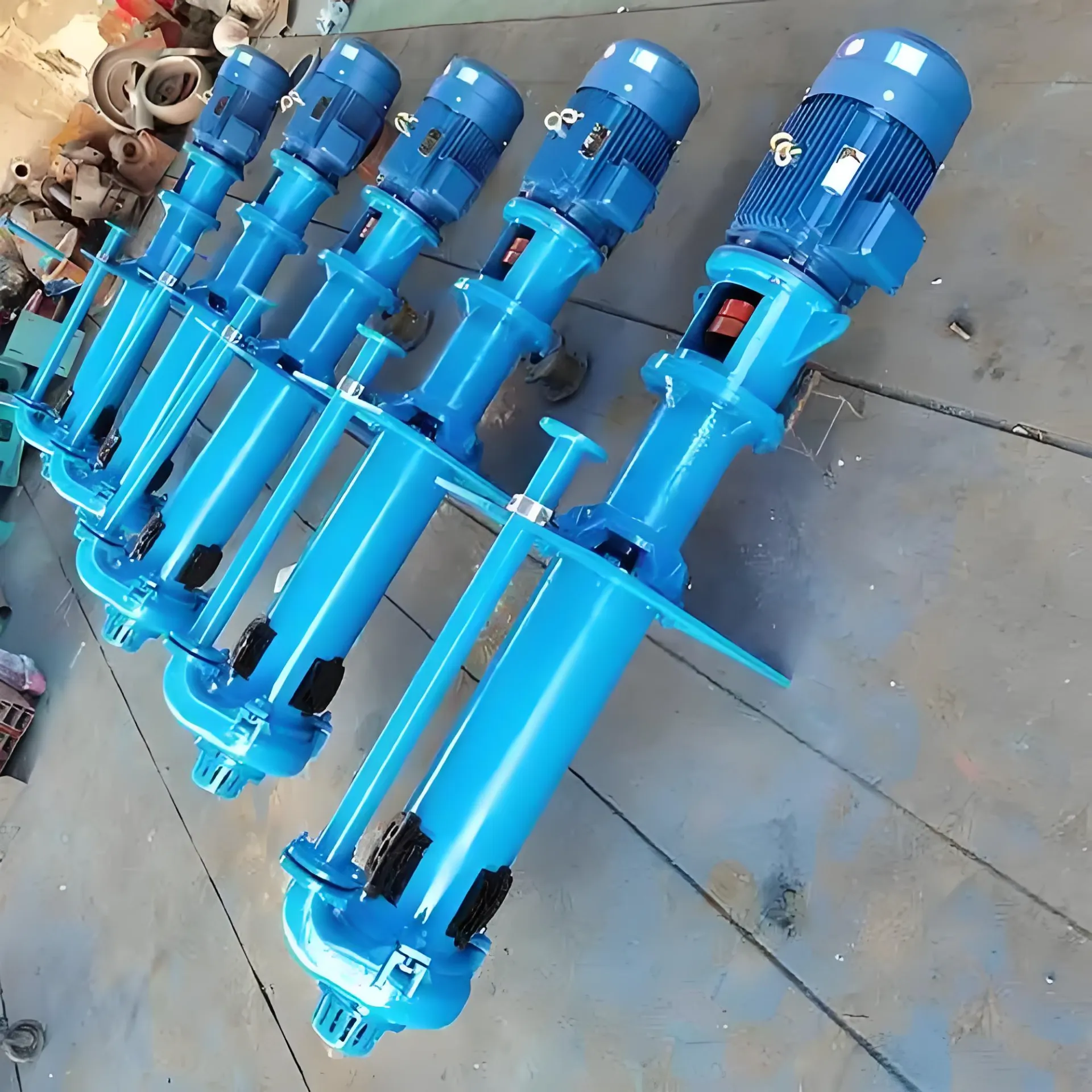
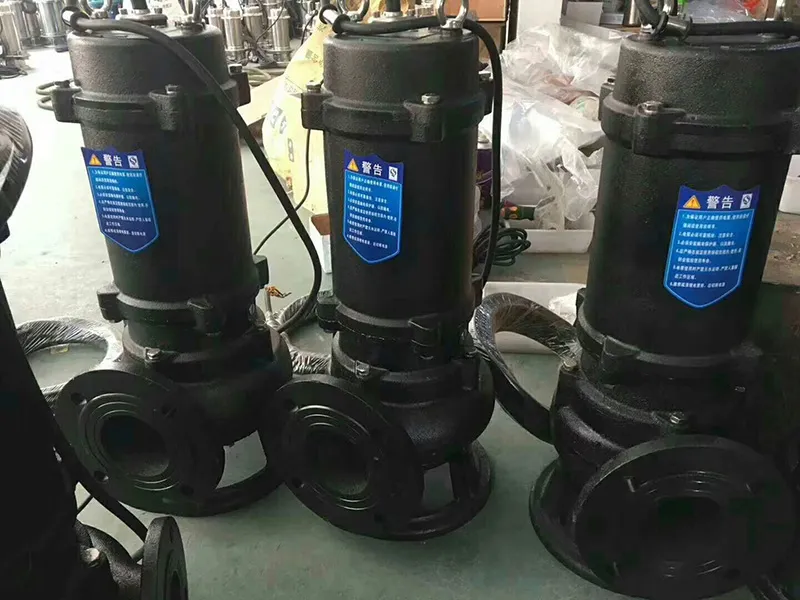
Electric Submersible Sewage Pumps (ESSP) are centrifugal pumps specifically designed for the efficient and reliable removal of wastewater and sewage. Positioned as a crucial component within municipal and industrial wastewater treatment systems, ESSPs provide a robust solution for handling solids-laden fluids. Unlike surface-mounted pumps, ESSPs are fully submerged, eliminating the need for priming and reducing noise pollution. Their primary function is to lift sewage from collection points—such as lift stations, basements, and industrial facilities—to a discharge point for further treatment. Core performance characteristics are defined by flow rate (typically measured in gallons per minute or liters per second), head (vertical distance the pump can lift the fluid, measured in feet or meters), solids handling capability (expressed as sphere diameter in millimeters), and motor power (measured in horsepower or kilowatts). The inherent design advantages, coupled with increasingly stringent environmental regulations, have driven the adoption of ESSPs as a preferred technology in wastewater management.
Material Science & Manufacturing
The performance and longevity of an ESSP are heavily reliant on the materials used in its construction. Pump housings are commonly manufactured from cast iron (ASTM A48 Class 30), stainless steel (304 or 316 for corrosion resistance – ASTM A240), or high-density polyethylene (HDPE) for smaller, less demanding applications. Impellers, responsible for imparting energy to the fluid, often utilize hardened stainless steel (440C) or ductile iron with wear-resistant coatings (e.g., chromium carbide) to withstand abrasive solids. Shafts typically employ alloy steel (4140) heat-treated for high tensile strength and torsional resistance. Seals, critical for preventing leakage and protecting the motor, consist of materials like silicon carbide (SiC) or tungsten carbide (WC) against ceramic mating surfaces, offering exceptional wear and chemical inertness.
Manufacturing processes vary depending on the component. Housings are produced using sand casting or investment casting, followed by machining for precise dimensions and surface finish. Impellers are often produced via centrifugal casting and then undergo extensive balancing to minimize vibration. Shafts are typically machined from bar stock and undergo surface hardening treatments. Motor stators are wound with high-temperature insulated copper wire and encapsulated in epoxy resin. Critical parameter control includes impeller balancing (achieving tolerances within 0.05mm to prevent cavitation and bearing wear), seal surface flatness (maintained within 0.001 inches for optimal sealing), and coating thickness (controlled via electroplating or thermal spraying to prevent corrosion). The entire assembly undergoes rigorous hydrostatic testing to verify pressure integrity and leak-proof operation. Welding, when used (particularly in some stainless steel constructions), is performed using shielded metal arc welding (SMAW) or gas tungsten arc welding (GTAW) under strict quality control procedures to ensure weld strength and corrosion resistance per AWS D1.1 standards.
Performance & Engineering
The engineering design of an ESSP revolves around optimizing hydraulic performance, mechanical stability, and electrical reliability within the harsh environment of sewage handling. Force analysis considers static and dynamic loads, including the weight of the pump, fluid forces, and external stresses from piping systems. Hydraulic design focuses on impeller geometry, volute shape, and diffuser design to maximize efficiency and minimize head loss. Environmental resistance is addressed through material selection and protective coatings to withstand corrosive chemicals, abrasive solids, and temperature fluctuations.
A key engineering challenge is preventing cavitation, the formation and collapse of vapor bubbles that can damage the impeller. This is mitigated through careful impeller design, maintaining adequate submergence depth, and controlling inlet flow velocity. Bearing selection is crucial for supporting the shaft and minimizing friction. Deep groove ball bearings or tapered roller bearings are commonly used, lubricated with oil or grease, and protected by seals. Motor design incorporates thermal overload protection to prevent overheating and ensure long-term reliability. Compliance requirements include adherence to National Electrical Manufacturers Association (NEMA) standards for motor performance and safety (NEMA MG 1) and hydraulic institute standards for pump performance (HI standards). Cable and seal systems must meet IP68 ingress protection ratings to ensure complete submersion and prevent water intrusion. The pump’s power cable requires specialized strain relief mechanisms to withstand the weight of the cable and prevent damage due to bending and twisting. Additionally, many applications require adherence to local and regional regulations pertaining to wastewater discharge limits and environmental protection.
Technical Specifications
| Flow Rate (GPM) | Head (ft) | Motor Power (HP) | Solids Handling (in) |
|---|---|---|---|
| 50 | 40 | 1 | 2 |
| 100 | 60 | 2 | 3 |
| 150 | 80 | 3 | 4 |
| 200 | 100 | 5 | 4 |
| 300 | 120 | 7.5 | 5 |
| 400 | 150 | 10 | 6 |
Failure Mode & Maintenance
ESSPs are susceptible to several failure modes. Bearing failure, often caused by contamination, lack of lubrication, or excessive load, is a common issue. Symptoms include increased noise, vibration, and eventual pump stoppage. Impeller wear, stemming from abrasive solids, leads to reduced efficiency and flow rate. Seal failure, resulting from abrasive particles or chemical attack, causes leakage and potential motor damage. Motor winding failure, due to overheating or insulation breakdown, leads to complete pump failure. Cable failure, caused by strain, abrasion, or chemical degradation, results in loss of power. Corrosion of metallic components, particularly in aggressive sewage environments, weakens structural integrity.
Preventative maintenance is crucial. Regular inspection of seals, bearings, and impellers for wear and tear is essential. Lubrication schedules should be strictly adhered to, using appropriate high-quality lubricants. The pump should be periodically flushed to remove accumulated solids. Electrical connections should be checked for corrosion and tightness. Motor windings should be tested for insulation resistance. A vibration analysis program can detect early signs of bearing or impeller imbalance. When failure occurs, a thorough root cause analysis should be performed to identify the underlying issue and prevent recurrence. Seal replacement typically involves a complete pump disassembly and reassembly, adhering to manufacturer’s specifications. Bearing replacement requires careful alignment and pre-loading. If corrosion is severe, component replacement or application of corrosion-resistant coatings may be necessary.
Industry FAQ
Q: What are the key considerations when selecting an ESSP for a lift station application?
A: The primary considerations are flow rate, head requirements, solids handling capability, and the frequency of pump starts/stops. The pump’s duty cycle needs to match the anticipated demand. Corrosive properties of the sewage should dictate material selection (e.g., stainless steel). Additionally, the lift station’s wet well dimensions and control system integration are crucial factors.
Q: How does impeller design influence pump efficiency and solids handling?
A: Impeller design is paramount. Closed impellers generally offer higher efficiency but are more susceptible to clogging. Open impellers excel at solids handling but typically have lower efficiency. Semi-open impellers represent a compromise between the two. Impeller blade angle and width also influence performance. Computational Fluid Dynamics (CFD) modeling is used to optimize impeller geometry for specific applications.
Q: What are the common causes of seal failure in ESSPs?
A: The most common causes are abrasive particles between the seal faces, chemical attack from aggressive sewage constituents, dry running (lack of lubrication), and excessive temperature. Selecting the appropriate seal material (SiC vs. WC) for the specific fluid is critical. Regular inspection and replacement of seals based on operating hours are recommended.
Q: What maintenance practices can extend the life of an ESSP motor?
A: Regular monitoring of motor current and voltage, ensuring proper ventilation, maintaining clean electrical connections, and periodic insulation resistance testing are essential. Thermal overload protection should be verified. The motor should be protected from moisture and excessive humidity. Avoid frequent starts and stops, as they generate heat and stress on the windings.
Q: How do you mitigate the risk of cavitation in an ESSP?
A: Ensuring adequate submergence depth, maintaining proper inlet flow velocity, and selecting an impeller designed for the specific application are key. Removing air pockets from the suction line is also important. Regular inspection of the impeller for damage is recommended. Using a larger diameter suction pipe can reduce flow velocity and minimize the risk of cavitation.
Conclusion
Electric Submersible Sewage Pumps represent a vital component in modern wastewater management infrastructure. Their robust design, ability to handle solids, and efficient operation make them a preferred choice for a wide range of applications. Understanding the material science, manufacturing processes, and performance characteristics of ESSPs is crucial for selecting the right pump for a given application and ensuring its long-term reliability.
Future advancements in ESSP technology will likely focus on improved energy efficiency, predictive maintenance capabilities through sensor integration and data analytics, and the development of more durable and corrosion-resistant materials. Proper maintenance practices, coupled with adherence to industry standards, are paramount for maximizing the lifespan and minimizing the total cost of ownership of these critical pumps.
-
Precision at the Pump: How Better Machining Protects Flow and Uptime
News2026-11-20
-
Why Pump Reliability Begins Before the First Drop of Fluid
News2026-11-20
-
Beyond the Pump: Designing Safer Access Around Critical Water Infrastructure
News2026-11-20
-
Why Pumping Stations Depend on the Infrastructure Beneath the Pumps
News2026-11-20
-
Beyond the Pump Room: How Smarter Loading Protects Industrial Equipment
News2026-11-19
-
When Pumps Stop: Designing More Resilient Power for Critical Pumping Systems
News2026-11-19
-
The Hidden Role of Dust and Gas Monitoring in Reliable Pump Operations
News2026-11-19
-
The Hidden Role of Mineral Compounds in Extending Industrial Pump Lifespan
News2026-10-12
-
Why Pump System Reliability Depends on Precision Hose Assembly Methods
News2026-09-15
-
How Advanced Imaging Films Are Transforming Pump Component Quality Control
News2026-08-25
-
How Advanced Filtration Protects Pump Systems from Premature Wear and Costly Downtime
News2026-08-25
-
How Steel Material Selection Drives Pump Reliability in Heavy-Duty Systems
News2026-08-25
-
Ensuring Pump System Efficiency: The Role of High-Quality Pipe Fittings and Tubing
News2026-08-24
-
Optimizing Fluid Dynamics and Material Consistency in Industrial Processing
News2026-08-18
-
Innovations and Challenges in Hydraulic Systems for Heavy Machinery
News2026-08-13




