English
- Afrikaans
- Albanian
- Amharic
- Arabic
- Armenian
- Azerbaijani
- Basque
- Belarusian
- Bengali
- Bosnian
- Bulgarian
- Catalan
- Cebuano
- Corsican
- Croatian
- Czech
- Danish
- Dutch
- English
- Esperanto
- Estonian
- Finnish
- French
- Frisian
- Galician
- Georgian
- German
- Greek
- Gujarati
- Haitian Creole
- hausa
- hawaiian
- Hebrew
- Hindi
- Miao
- Hungarian
- Icelandic
- igbo
- Indonesian
- irish
- Italian
- Japanese
- Javanese
- Kannada
- kazakh
- Khmer
- Rwandese
- Korean
- Kurdish
- Kyrgyz
- Lao
- Latin
- Latvian
- Lithuanian
- Luxembourgish
- Macedonian
- Malgashi
- Malay
- Malayalam
- Maltese
- Maori
- Marathi
- Mongolian
- Myanmar
- Nepali
- Norwegian
- Norwegian
- Occitan
- Pashto
- Persian
- Polish
- Portuguese
- Punjabi
- Romanian
- Russian
- Samoan
- Scottish Gaelic
- Serbian
- Sesotho
- Shona
- Sindhi
- Sinhala
- Slovak
- Slovenian
- Somali
- Spanish
- Sundanese
- Swahili
- Swedish
- Tagalog
- Tajik
- Tamil
- Tatar
- Telugu
- Thai
- Turkish
- Turkmen
- Ukrainian
- Urdu
- Uighur
- Uzbek
- Vietnamese
- Welsh
- Bantu
- Yiddish
- Yoruba
- Zulu

Telephone: +86 13120555503
Email: frank@cypump.com


Apr . 01, 2024 17:55 Back to list
electric clean water pump Performance Analysis
Introduction
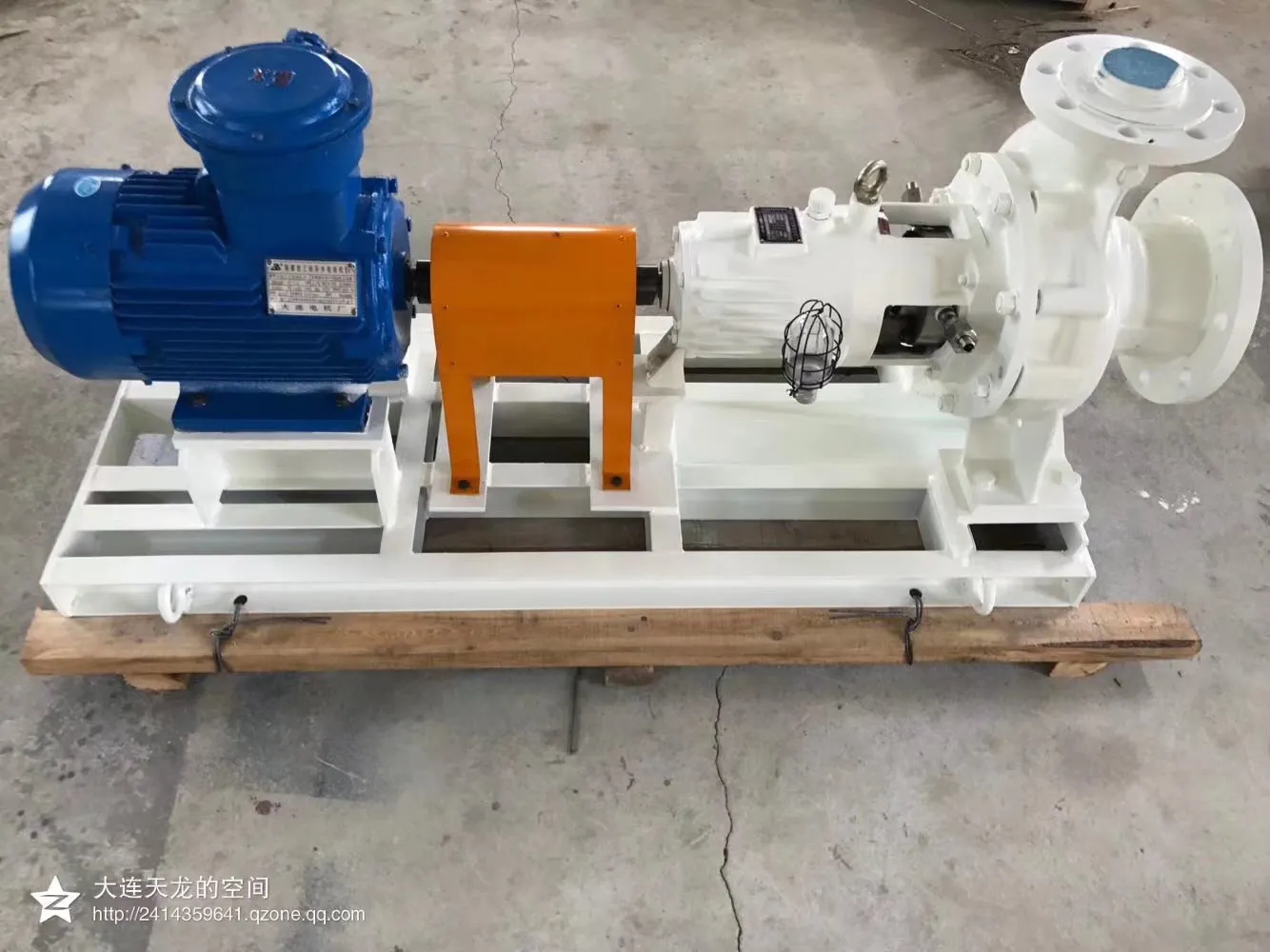
Electric clean water pumps represent a crucial component in a wide range of fluid transfer applications, spanning domestic water supply, irrigation, industrial processes, and cooling systems. These pumps, fundamentally centrifugal in design, utilize an electric motor to impart kinetic energy to a fluid, increasing its pressure and enabling its movement through a piping network. Distinguished from submersible or sewage pumps by their intended use with clean, non-abrasive liquids, clean water pumps prioritize efficiency, durability, and consistent performance. Their position in the industry chain is as the endpoint device in water distribution systems, dependent on upstream sources like municipal water supplies, wells, or storage tanks. Core performance metrics center on flow rate (typically measured in gallons per minute or liters per second), head (the maximum height the pump can lift water, in feet or meters), power consumption, and overall operational lifespan. A significant industry pain point revolves around balancing cost-effectiveness with long-term reliability, particularly regarding impeller material selection and motor winding insulation.
Material Science & Manufacturing
The construction of an electric clean water pump necessitates careful material selection based on fluid compatibility, mechanical strength, and cost considerations. Pump housings are commonly manufactured from cast iron, stainless steel (grades 304 and 316 being prevalent due to their corrosion resistance), or engineered plastics like polypropylene. Impellers, the rotating components responsible for imparting energy to the fluid, are frequently constructed from brass, bronze, stainless steel, or reinforced thermoplastic polymers. Shafts demand high tensile strength and resistance to torsional stress, typically utilizing stainless steel alloys. Seals, critical for preventing leakage, employ elastomers like nitrile rubber (NBR), Viton (FKM), or ethylene propylene diene monomer (EPDM), chosen based on the fluid’s chemical composition and temperature. Manufacturing processes primarily involve sand casting for housings, investment casting or machining for impellers, and precision machining for shafts. A critical parameter in impeller manufacturing is dynamic balancing to minimize vibration and ensure smooth operation. Motor stators are typically wound with copper wire coated with insulating varnish, a process demanding precise control of winding tension and insulation thickness to prevent short circuits. Assembly requires tight tolerance control and rigorous quality checks, including hydrostatic pressure testing to identify leaks and performance verification against specified curves.
Performance & Engineering
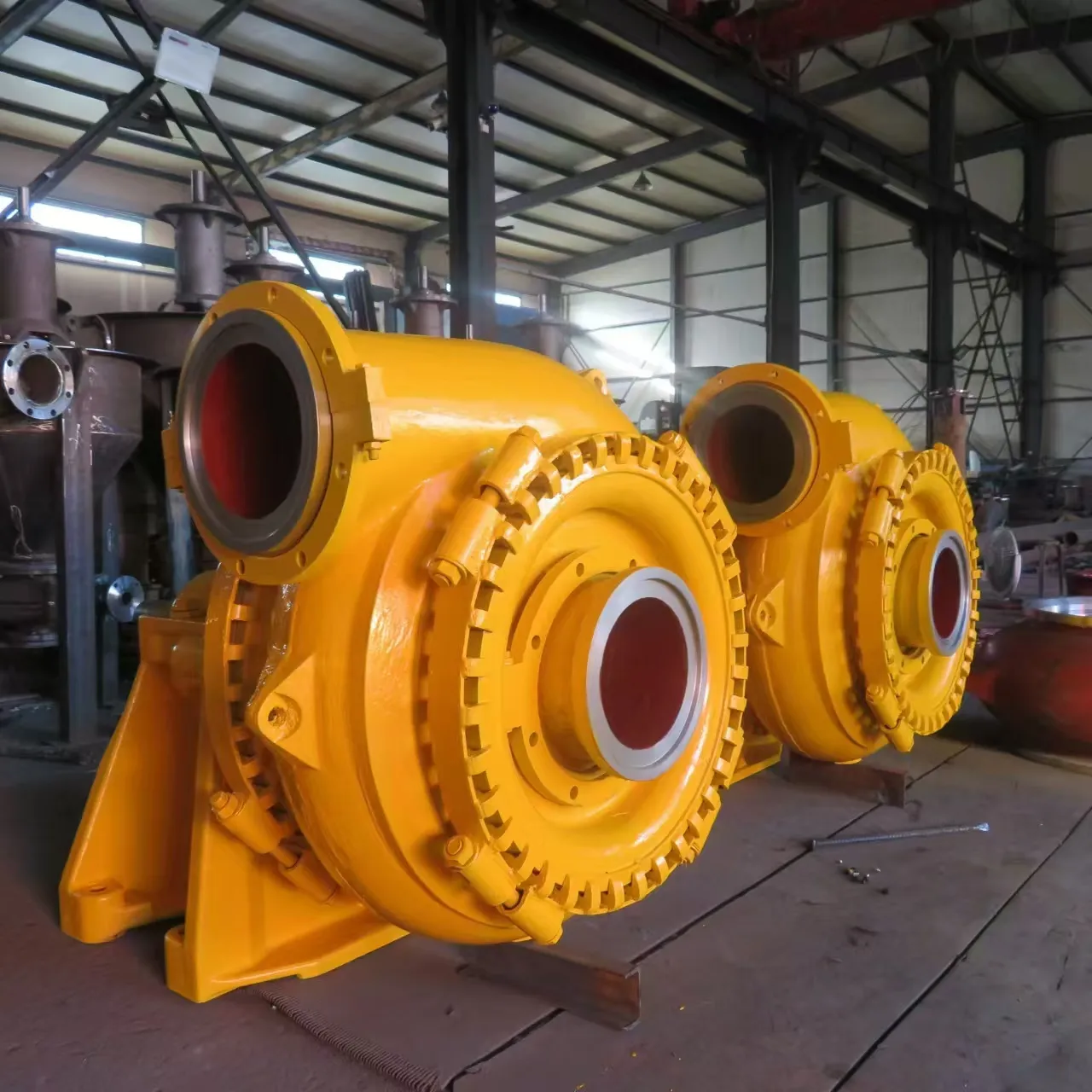
Pump performance is fundamentally governed by Bernoulli’s principle and the principles of fluid dynamics. The pump's head-capacity curve illustrates the inverse relationship between flow rate and achievable head. Engineering design focuses on optimizing impeller geometry (blade angle, number of blades, and impeller diameter) to maximize hydraulic efficiency. Force analysis considers both static and dynamic loads, including the weight of the pump, fluid pressure, and centrifugal forces generated by the rotating impeller. Cavitation, a critical concern, arises when the absolute pressure at the impeller inlet falls below the vapor pressure of the fluid, forming vapor bubbles that collapse and damage the impeller. Preventing cavitation requires ensuring sufficient Net Positive Suction Head Available (NPSHa) exceeds the Net Positive Suction Head Required (NPSHr) by the pump. Environmental resistance is addressed through material selection (corrosion resistance) and protective coatings. Compliance requirements vary by region but commonly include electrical safety standards (UL, CE), pressure vessel regulations, and environmental regulations regarding energy efficiency. Functional implementation requires careful consideration of piping layout, suction lift limitations, and the use of appropriate check valves and strainers to protect the pump from debris.
Technical Specifications
| Parameter | Unit | Typical Value (Small Domestic Pump) | Typical Value (Industrial Pump) |
|---|---|---|---|
| Flow Rate | GPM (Gallons Per Minute) | 10-30 | 100-500 |
| Head | ft (Feet) | 20-50 | 100-300 |
| Motor Power | HP (Horsepower) | 0.5-1 | 5-20 |
| Voltage | V (Volts) | 115/230 (Single Phase) | 230/460 (Three Phase) |
| Inlet/Outlet Size | in (Inches) | 1.25/1.25 | 2/3 |
| Maximum Fluid Temperature | °F (Fahrenheit) | 140 | 212 |
Failure Mode & Maintenance
Electric clean water pumps are susceptible to several failure modes. Mechanical seal failure, leading to leakage, is common, often caused by wear, corrosion, or incompatibility with the pumped fluid. Impeller cavitation, as previously discussed, results in erosion and reduced pump performance. Bearing failure, manifesting as noise and vibration, stems from inadequate lubrication, contamination, or excessive loading. Motor winding failure, characterized by overheating and loss of power, is typically caused by insulation breakdown due to voltage spikes, moisture ingress, or thermal stress. Corrosion of pump components, particularly in aggressive fluids, reduces material thickness and compromises structural integrity. Preventative maintenance is crucial and includes regular inspection of seals, bearings, and windings. Lubrication of bearings according to manufacturer specifications is essential. Monitoring motor current and temperature can detect early signs of winding degradation. Periodic flushing of the pump to remove sediment and debris prevents impeller blockage and seal damage. In the event of failure, thorough failure analysis – including visual inspection, dimensional measurements, and potentially metallographic examination – is recommended to identify the root cause and prevent recurrence.
Industry FAQ
Q: What is the impact of water hammer on the pump's lifespan?
A: Water hammer, a pressure surge caused by sudden changes in flow velocity, can significantly reduce the lifespan of an electric clean water pump. The shock waves generated can damage impellers, seals, and piping connections. Mitigation strategies include using slow-closing valves, installing pressure relief valves, and implementing surge suppressors.
Q: How do I select the correct pump size for my application?
A: Correct pump sizing requires careful consideration of the required flow rate, total dynamic head (TDH), and fluid properties. TDH encompasses static lift, friction losses in piping, and any pressure requirements at the discharge point. Undersizing leads to insufficient flow, while oversizing results in inefficient operation and potential damage.
Q: What is the role of a check valve in a clean water pump system?
A: A check valve prevents backflow in the piping system when the pump is shut off. This prevents water from draining back into the source, maintaining prime and reducing the risk of water hammer. It also protects the pump from reverse rotation, which can cause damage.
Q: What are the benefits of using a variable frequency drive (VFD) with a clean water pump?
A: A VFD allows for precise control of pump speed, enabling flow rate adjustment to match demand. This results in significant energy savings, reduced mechanical stress on the pump, and improved process control. VFDs also offer soft starting capabilities, minimizing inrush current and preventing water hammer.
Q: How does impeller material impact the pump's corrosion resistance?
A: Impeller material directly influences the pump’s resistance to corrosion. Brass impellers are suitable for clean, neutral pH water, but are susceptible to dezincification in acidic conditions. Stainless steel (316) offers superior corrosion resistance for a wider range of fluids. Thermoplastic polymers are resistant to many chemicals, but may have limitations in high-temperature applications.
Conclusion
Electric clean water pumps represent a mature but continually evolving technology. Optimizing performance and longevity hinges on a comprehensive understanding of fluid dynamics, material science, and the potential failure modes inherent in their operation. Selecting the appropriate pump size, materials of construction, and implementing a robust preventative maintenance program are paramount to maximizing return on investment and minimizing downtime.
Future developments are likely to focus on further enhancing energy efficiency through advanced impeller designs and motor technologies, integrating smart sensors for predictive maintenance, and exploring the use of new materials with superior corrosion resistance and durability. The continued demand for reliable and efficient water transfer solutions will ensure the ongoing importance of these critical components across numerous industries.
-
Effluent vs Sump Pump Performance Analysis
News2026-05-22
-
effluent septic pump Performance Engineering
News2026-05-22
-
best sewer pumps Performance Engineering
News2026-05-22
-
best sewer pump Performance Analysis
News2026-05-22
-
best sewage pumps Performance Engineering
News2026-05-22
-
basement bathroom sewage pump Material Science Manufacturing
News2026-05-21
-
wastewater treatment plant pumps Material Science Manufacturing
News2026-05-21
-
waste water pump for basement Material Science Manufacturing
News2026-05-21
-
sump pump sewage Performance Analysis
News2026-05-21
-
sump pump for sewage Material Science and Manufacturing
News2026-05-21
-
sump pump for septic systems Material Science Manufacturing
News2026-05-20
-
sump pump and ejector pump Material Science Manufacturing
News2026-05-20
-
sewage treatment plant pumps Performance Analysis
News2026-05-20
-
sewage tank pump Material Science and Manufacturing
News2026-05-20
-
sewage pump for septic tank Performance Analysis
News2026-05-20




