English
- Afrikaans
- Albanian
- Amharic
- Arabic
- Armenian
- Azerbaijani
- Basque
- Belarusian
- Bengali
- Bosnian
- Bulgarian
- Catalan
- Cebuano
- Corsican
- Croatian
- Czech
- Danish
- Dutch
- English
- Esperanto
- Estonian
- Finnish
- French
- Frisian
- Galician
- Georgian
- German
- Greek
- Gujarati
- Haitian Creole
- hausa
- hawaiian
- Hebrew
- Hindi
- Miao
- Hungarian
- Icelandic
- igbo
- Indonesian
- irish
- Italian
- Japanese
- Javanese
- Kannada
- kazakh
- Khmer
- Rwandese
- Korean
- Kurdish
- Kyrgyz
- Lao
- Latin
- Latvian
- Lithuanian
- Luxembourgish
- Macedonian
- Malgashi
- Malay
- Malayalam
- Maltese
- Maori
- Marathi
- Mongolian
- Myanmar
- Nepali
- Norwegian
- Norwegian
- Occitan
- Pashto
- Persian
- Polish
- Portuguese
- Punjabi
- Romanian
- Russian
- Samoan
- Scottish Gaelic
- Serbian
- Sesotho
- Shona
- Sindhi
- Sinhala
- Slovak
- Slovenian
- Somali
- Spanish
- Sundanese
- Swahili
- Swedish
- Tagalog
- Tajik
- Tamil
- Tatar
- Telugu
- Thai
- Turkish
- Turkmen
- Ukrainian
- Urdu
- Uighur
- Uzbek
- Vietnamese
- Welsh
- Bantu
- Yiddish
- Yoruba
- Zulu

Telephone: +86 13120555503
Email: frank@cypump.com


Apr . 01, 2024 17:55 Back to list
ejector sump pump Performance Engineering
Introduction
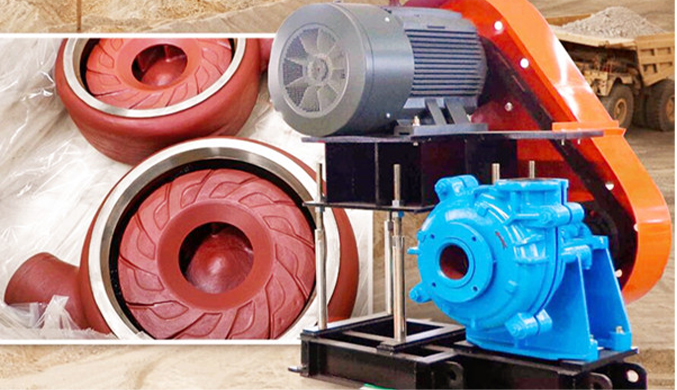
Ejector sump pumps are specialized centrifugal pumps designed to lift wastewater from below grade, utilizing a venturi-based ejector system to create a vacuum and draw fluid upwards. These pumps are critical in residential, commercial, and industrial applications where gravity drainage is insufficient, typically employed to handle sewage, effluent, or stormwater. Unlike standard sump pumps, ejector systems are capable of handling solids and overcoming significant vertical lift, making them vital in basement installations, remote lift stations, and applications requiring long discharge runs. The technical position of the ejector sump pump within the wastewater management chain is as a primary lifting mechanism, interfacing with the building's plumbing system and ultimately discharging to a municipal sewer system or a septic tank. Core performance indicators include flow rate (gallons per minute), head (vertical lift in feet), solids handling capacity (diameter of acceptable solids), and horsepower requirements, all influencing the system's efficiency and operational lifespan. The key pain point addressed by ejector sump pumps is the inability to rely on gravity for wastewater removal, particularly in low-lying areas or buildings with complex plumbing layouts.
Material Science & Manufacturing
The construction of an ejector sump pump relies on a combination of materials selected for corrosion resistance, structural integrity, and compatibility with wastewater. The pump housing and impeller are typically manufactured from cast iron (ASTM A48 Class 30) due to its cost-effectiveness and durability, though stainless steel (304 or 316) is increasingly used for enhanced resistance to corrosive elements found in sewage. The ejector body, responsible for creating the vacuum, is often constructed from glass-filled polypropylene or PVC, offering chemical resistance and lightweight properties. Seals are typically made from nitrile rubber (NBR) or Viton (fluoroelastomer), chosen for their resistance to degradation from wastewater components. Manufacturing processes include: casting for the pump housing, machining for impeller and shaft components, injection molding for plastic parts, and welding for assembly of critical components. Key parameter control during manufacturing includes dimensional accuracy of the impeller to ensure efficient fluid transfer, proper balancing of rotating components to minimize vibration, and stringent quality control of welds to prevent leakage. The impeller’s hydrodynamic profile is crucial, dictated by computational fluid dynamics (CFD) simulations to optimize efficiency and prevent cavitation. Ejector nozzle diameter and throat dimensions are also tightly controlled, influencing the vacuum strength and overall pumping capacity. Furthermore, surface preparation and coating (epoxy or similar) are essential to prevent corrosion of cast iron components.
Performance & Engineering
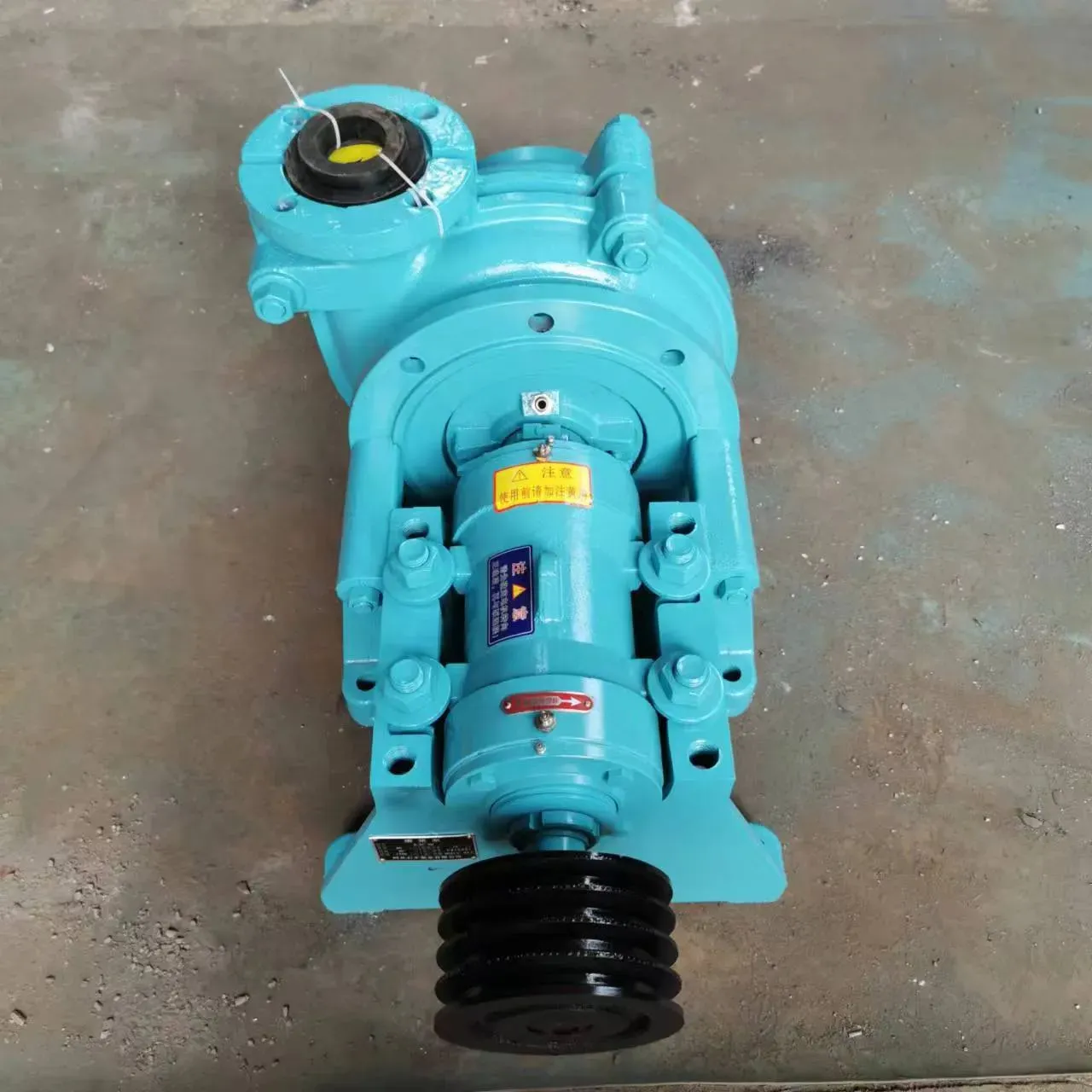
Ejector sump pump performance is governed by Bernoulli's principle and the Venturi effect. The ejector creates a vacuum by constricting the flow of a motive fluid (pumped wastewater), which reduces pressure and draws in additional fluid from the sump. Force analysis involves calculating the hydrodynamic forces acting on the impeller, the static and dynamic head pressure, and the frictional losses within the piping system. Environmental resistance is a critical consideration, as sump pumps are exposed to potentially corrosive wastewater and fluctuating temperatures. The pump's electrical components must be sealed to prevent moisture ingress (IP68 rating is common), and materials must resist chemical attack from sulfides, chlorides, and other contaminants. Compliance requirements include adherence to National Electrical Manufacturers Association (NEMA) standards for motor performance and safety, and potentially local plumbing codes governing wastewater discharge. Functional implementation requires careful sizing of the pump to match the anticipated flow rate and head requirements. Pipe sizing is also critical; undersized pipes increase frictional losses, reducing pumping capacity, while oversized pipes increase costs. Proper check valve installation prevents backflow and water hammer, protecting the pump and piping system. Furthermore, the ejector's geometry directly impacts its priming capability and ability to handle solids. A properly designed ejector can maintain prime even with intermittent inflow and can effectively transport solids without clogging.
Technical Specifications
| Parameter | Unit | Typical Range | Testing Standard |
|---|---|---|---|
| Flow Rate | GPM (Gallons Per Minute) | 25-150 | ANSI/HI 1.1 |
| Total Dynamic Head | Feet | 10-60 | ANSI/HI 1.4 |
| Motor Horsepower | HP | 1/2 - 5 | NEMA MG 1 |
| Solids Handling Capacity | Inches | Up to 2 | Manufacturer Specification |
| Discharge Pipe Size | Inches | 2-4 | ASME B36.10M |
| Minimum Submergence | Inches | 8-12 | Manufacturer Specification |
Failure Mode & Maintenance
Ejector sump pumps are susceptible to several failure modes. Fatigue cracking can occur in the pump housing or impeller due to repeated stress from fluid flow and vibration. Corrosion, particularly in cast iron components, can lead to weakening of the housing and eventual failure. Delamination of the ejector nozzle can reduce its efficiency and lead to loss of prime. Bearing failure in the motor is a common issue, often caused by lack of lubrication or ingress of water. Impeller blockage by solids is another frequent cause of reduced performance or complete failure. Oxidation of electrical connections can lead to intermittent operation or short circuits. Preventive maintenance includes regular inspection of the pump for leaks, corrosion, and unusual noises. Lubrication of motor bearings should be performed according to the manufacturer's recommendations. The sump pit should be periodically cleaned to remove accumulated solids. Electrical connections should be checked for corrosion and tightness. In the event of failure, a thorough failure analysis should be conducted to determine the root cause and prevent recurrence. Replacing worn seals and impellers proactively can extend the pump's lifespan. Furthermore, ensuring proper venting of the ejector system is critical for maintaining prime and preventing air lock.
Industry FAQ
Q: What is the optimal material for an ejector sump pump handling highly acidic wastewater?
A: For highly acidic wastewater, 316 stainless steel is the preferred material for the pump housing and impeller due to its superior corrosion resistance compared to cast iron or 304 stainless steel. The ejector body should be constructed from a chemically resistant plastic like polypropylene or HDPE. Additionally, Viton seals offer better resistance to aggressive chemicals than nitrile rubber.
Q: How does impeller design affect the pump’s ability to handle solids?
A: Impeller design is crucial. Open-style impellers with large passageways are best for handling solids. A recessed impeller design reduces clogging potential. The impeller's blade angle and shape also impact its ability to shear or break down solids, preventing blockage.
Q: What is the significance of the “minimum submergence” specification?
A: Minimum submergence refers to the lowest acceptable water level above the pump. Maintaining adequate submergence is critical to prevent the pump from running dry, which can damage the impeller and seals. It also ensures proper priming of the ejector system.
Q: What are the common causes of air locking in an ejector sump pump?
A: Air locking can occur due to insufficient venting of the ejector system, a leak in the suction line, or a blockage in the discharge pipe. Proper installation with a dedicated vent pipe and regular inspection for leaks are essential to prevent air locking.
Q: How do I determine the appropriate horsepower (HP) for my ejector sump pump?
A: HP selection depends on the total dynamic head (vertical lift plus friction losses) and the required flow rate. Consult pump performance curves provided by the manufacturer and use hydraulic calculations to determine the appropriate HP. Oversizing the pump can lead to increased energy consumption and potential damage, while undersizing results in inadequate performance.
Conclusion
Ejector sump pumps represent a critical component in wastewater management systems, specifically addressing the challenge of lifting fluids from below-grade locations. Their effectiveness relies on a confluence of material science, precise manufacturing processes, and sound engineering principles. The selection of appropriate materials—ranging from cast iron for cost-effectiveness to stainless steel for corrosion resistance—coupled with rigorous quality control during casting, machining, and assembly, dictates the pump's longevity and reliability.
Moving forward, advancements in pump design will likely focus on increasing energy efficiency through optimized impeller geometries and motor technologies, improving solids handling capabilities via innovative impeller designs, and enhancing remote monitoring and diagnostic capabilities through the integration of IoT sensors. Continued adherence to industry standards and best practices in installation and maintenance will remain paramount to ensuring the reliable and cost-effective operation of ejector sump pump systems.
-
Comprehensive Guide to Waterproof ORings for Optimal Sealing Solutions
News2026-06-09
-
septic effluent pump Performance and Engineering
News2026-06-13
-
ejector sump pump Performance Engineering
News2026-06-13
-
Wastewater Pump Performance Analysis
News2026-06-13
-
waste water pumps Material Science Manufacturing
News2026-06-13
-
submersible sewage pumps Material Science Manufacturing
News2026-06-13
-
submersable pumps Performance Analysis
News2026-06-12
-
submerge pump Performance Analysis
News2026-06-12
-
Septic Tank Lift Pump Performance Analysis
News2026-06-12
-
Septic System Pump Replacement Performance Analysis
News2026-06-12
-
Septic Pumps Cost Performance Analysis
News2026-06-12
-
best sewage ejector pump Performance Engineering
News2026-06-11
-
aerobic septic system pump Performance Analysis
News2026-06-11
-
Sumergible Pump Performance Analysis
News2026-06-11
-
ejector pump for basement Performance Engineering
News2026-06-11




