English
- Afrikaans
- Albanian
- Amharic
- Arabic
- Armenian
- Azerbaijani
- Basque
- Belarusian
- Bengali
- Bosnian
- Bulgarian
- Catalan
- Cebuano
- Corsican
- Croatian
- Czech
- Danish
- Dutch
- English
- Esperanto
- Estonian
- Finnish
- French
- Frisian
- Galician
- Georgian
- German
- Greek
- Gujarati
- Haitian Creole
- hausa
- hawaiian
- Hebrew
- Hindi
- Miao
- Hungarian
- Icelandic
- igbo
- Indonesian
- irish
- Italian
- Japanese
- Javanese
- Kannada
- kazakh
- Khmer
- Rwandese
- Korean
- Kurdish
- Kyrgyz
- Lao
- Latin
- Latvian
- Lithuanian
- Luxembourgish
- Macedonian
- Malgashi
- Malay
- Malayalam
- Maltese
- Maori
- Marathi
- Mongolian
- Myanmar
- Nepali
- Norwegian
- Norwegian
- Occitan
- Pashto
- Persian
- Polish
- Portuguese
- Punjabi
- Romanian
- Russian
- Samoan
- Scottish Gaelic
- Serbian
- Sesotho
- Shona
- Sindhi
- Sinhala
- Slovak
- Slovenian
- Somali
- Spanish
- Sundanese
- Swahili
- Swedish
- Tagalog
- Tajik
- Tamil
- Tatar
- Telugu
- Thai
- Turkish
- Turkmen
- Ukrainian
- Urdu
- Uighur
- Uzbek
- Vietnamese
- Welsh
- Bantu
- Yiddish
- Yoruba
- Zulu

Telephone: +86 13120555503
Email: frank@cypump.com


Apr . 01, 2024 17:55 Back to list
ejector pumps for sewage Performance Analysis
Introduction
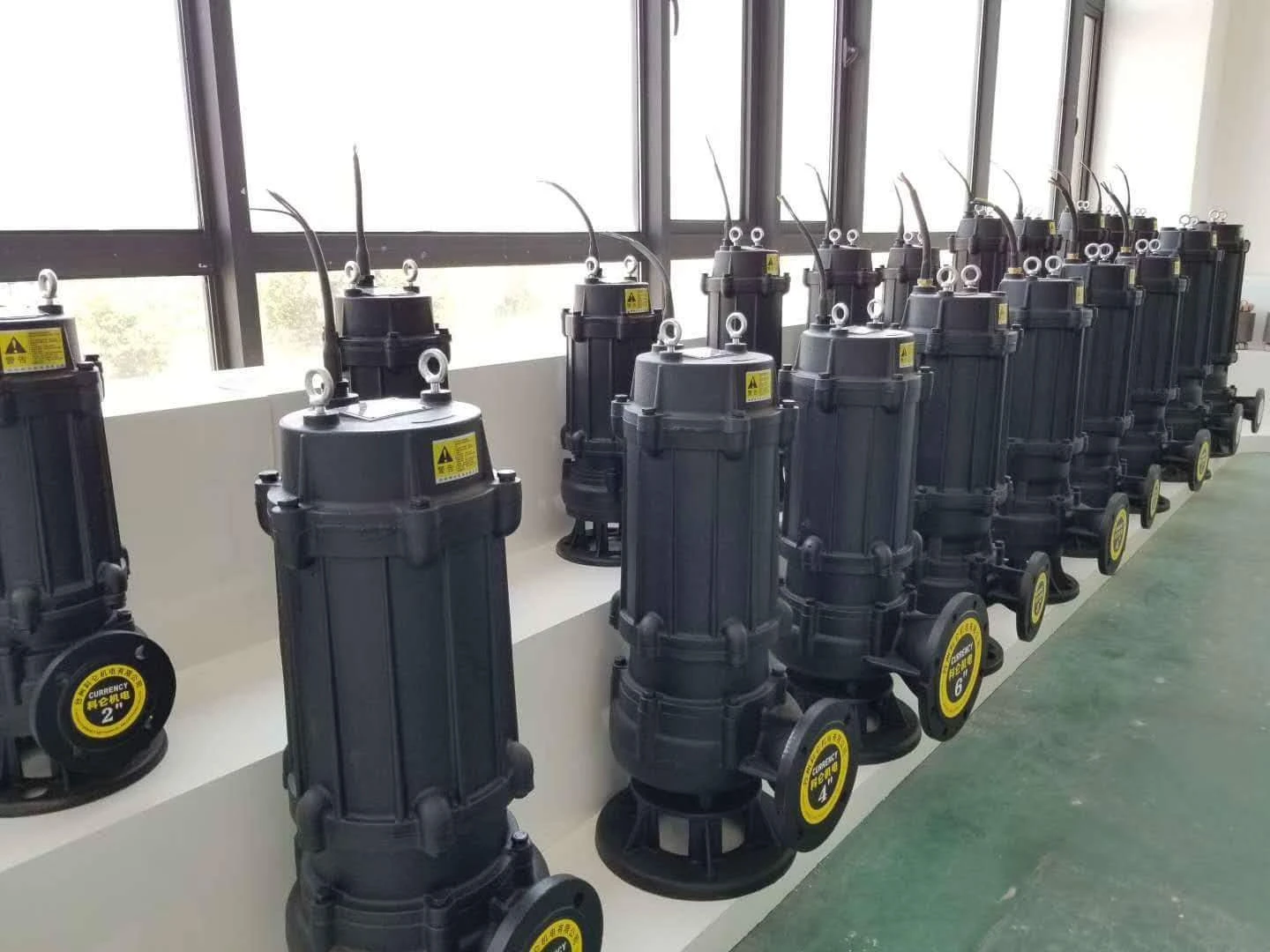
Ejector pumps for sewage, also known as jet pumps, are specialized centrifugal pumps designed to transfer wastewater and sewage from below grade to a higher elevation or into a municipal sewer system. Unlike standard centrifugal pumps, ejector pumps utilize a Venturi effect to create a vacuum, enabling the lifting of sewage containing solids. Their technical position within the wastewater treatment chain is critical for basements, low-lying areas, and industrial facilities where gravity drainage is insufficient. Core performance characteristics center on flow rate (measured in gallons per minute or liters per second), total dynamic head (TDH, expressed in feet or meters), solids handling capability (typically measured by the maximum sphere diameter the pump can pass), and energy efficiency, all of which are vital for maintaining consistent and reliable sewage removal. A key pain point in the industry is the frequent clogging associated with inconsistent waste streams and inadequate pump selection for the specific application, leading to costly downtime and maintenance. Furthermore, corrosion from hydrogen sulfide and other aggressive chemicals present in sewage demands careful material selection for long-term operational reliability.
Material Science & Manufacturing
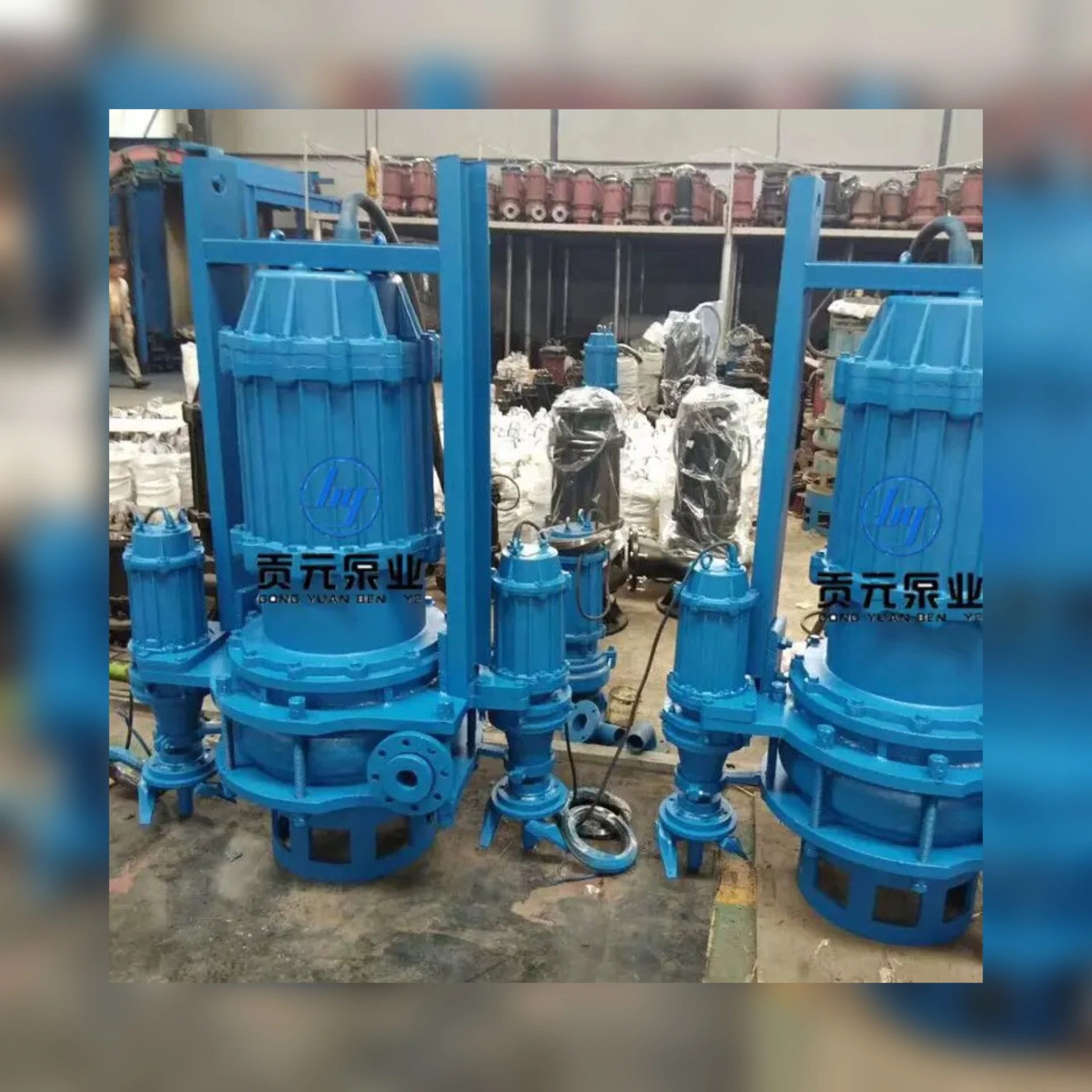
The construction of ejector pumps for sewage necessitates materials resistant to corrosion and abrasion. Pump casings are typically manufactured from ductile iron (ASTM A536-83), offering a balance of strength and corrosion resistance, often further enhanced with epoxy or polyurethane coatings for increased chemical protection. Impellers and diffusers, critical for fluid dynamics, are commonly made from high-grade stainless steel (316 stainless steel – ASTM A743 CA15), exhibiting superior resistance to pitting and crevice corrosion in sewage environments. Shafts are similarly constructed from stainless steel (410 or 420 series) to withstand torsional stresses and corrosive attack. Seals are typically mechanical seals utilizing silicon carbide faces and Viton elastomers for chemical compatibility and long-term reliability.
Manufacturing processes begin with casting the ductile iron casing, followed by machining to precise tolerances. Stainless steel components are produced through investment casting or machining from bar stock. Welding, where required (e.g., for connecting piping), adheres to AWS D1.1 standards. Critical parameters during manufacturing include impeller balancing (to minimize vibration and extend bearing life), surface finish of wetted parts (to reduce friction and prevent solids buildup), and coating thickness and adhesion (for corrosion protection). Quality control involves hydrostatic testing to verify casing integrity, non-destructive testing (NDT) like dye penetrant inspection to detect surface cracks, and dimensional verification using coordinate measuring machines (CMMs). The pump assembly process must strictly adhere to documented procedures to ensure proper alignment and functionality.
Performance & Engineering
The performance of ejector pumps is dictated by Bernoulli's principle and the Venturi effect. A jet of fluid (typically the pumped sewage itself) is accelerated through a converging nozzle, creating a low-pressure zone that draws additional sewage into the pump. Force analysis considers the hydraulic forces acting on the impeller, the motor's torque requirements, and the static and dynamic loads on the pump casing and piping. Environmental resistance is a critical concern, particularly resistance to corrosion from hydrogen sulfide (H2S) and other sulfide compounds, which generate sulfuric acid. This necessitates proper material selection, protective coatings, and potentially the use of corrosion inhibitors. Compliance requirements include adherence to National Electrical Manufacturers Association (NEMA) standards for motor performance, hydraulic institute standards for pump performance testing, and local plumbing codes for wastewater disposal. Functional implementation demands careful consideration of suction lift requirements, pipe sizing to minimize friction losses, and the installation of check valves to prevent backflow. A key engineering challenge is preventing air locking, which can significantly reduce pump efficiency and capacity. Proper venting and priming procedures are essential. Furthermore, noise and vibration control are important considerations, particularly in residential or commercial applications, requiring vibration isolation mounts and optimized impeller design.
Technical Specifications
| Parameter | Units | Typical Range | Testing Standard |
|---|---|---|---|
| Flow Rate | GPM (Gallons Per Minute) | 25 – 200 | Hydraulic Institute Standard |
| Total Dynamic Head (TDH) | Feet | 10 – 50 | Hydraulic Institute Standard |
| Solids Handling Capability | Inches | Up to 2 | Manufacturer’s Specification |
| Motor Horsepower | HP | 0.5 – 5 | NEMA MG 1 |
| Operating Voltage | Volts | 120/240V, 480V | IEC 60038 |
| Minimum Submergence | Inches | 12 | Manufacturer’s Recommendation |
Failure Mode & Maintenance
Ejector pumps are susceptible to several failure modes. Fatigue cracking in the pump casing can occur due to cyclic stress from fluid pressure and vibration. Impeller cavitation, caused by low suction pressure, leads to pitting and erosion of the impeller blades. Delamination of epoxy or polyurethane coatings occurs due to poor adhesion or exposure to aggressive chemicals. Bearing failure is common due to insufficient lubrication or contamination. Mechanical seal failure results in leakage and potential motor damage. Clogging is a frequent issue, caused by debris, rags, and other solids obstructing the impeller or discharge piping. Oxidation and corrosion of metallic components reduce pump efficiency and structural integrity.
Preventative maintenance is crucial for extending pump life. Regular inspection of seals, bearings, and impellers is essential. Periodic flushing of the pump casing to remove accumulated solids is recommended. Lubrication of bearings according to manufacturer's specifications is vital. Monitoring motor current and temperature can detect early signs of failure. For clogged pumps, careful clearing of obstructions is necessary, avoiding forceful methods that could damage the impeller. Corrosion protection can be enhanced by applying protective coatings and using corrosion inhibitors. In the event of a major failure, complete pump replacement or overhaul may be required. Record keeping of maintenance activities and failure history is critical for identifying recurring problems and optimizing maintenance schedules.
Industry FAQ
Q: What is the primary difference between a sewage ejector pump and a submersible sewage pump?
A: A sewage ejector pump relies on creating a vacuum to lift sewage, typically using a portion of the pumped fluid. This makes it suitable for installations where the pump is above the sewage level. A submersible sewage pump, conversely, is designed to be fully submerged in the sewage and relies on positive displacement to move the fluid. Ejector pumps generally have lower initial costs but can be less efficient and more prone to clogging in heavily loaded systems.
Q: How do I determine the correct total dynamic head (TDH) for my application?
A: TDH is calculated by summing the static head (the vertical distance the sewage needs to be lifted), the friction head loss in the piping (which depends on pipe diameter, length, and flow rate), and any pressure at the discharge point. Accurate TDH calculation is crucial for selecting a pump that can deliver the required flow rate at the specified elevation. Use hydraulic calculation software or consult with a pump specialist to ensure accurate determination.
Q: What materials are best suited for handling hydrogen sulfide (H2S) in sewage applications?
A: Hydrogen sulfide is highly corrosive. 316 stainless steel is a common choice due to its improved resistance to pitting and crevice corrosion compared to lower grades of stainless steel. Epoxy or polyurethane coatings can provide an additional barrier against corrosion. Consider materials with high molybdenum content, as molybdenum enhances resistance to sulfide stress cracking. Careful monitoring of corrosion rates and proactive coating maintenance are also essential.
Q: What are the common causes of clogging in ejector pumps, and how can they be prevented?
A: Common causes include rags, wipes, plastics, and excessive solids. Prevention strategies include installing bar screens or filters upstream of the pump to remove large debris, educating users about what should not be flushed down the drain, and ensuring the pump is properly sized for the expected solids load. Regular pump inspection and cleaning are also vital.
Q: What maintenance should be performed on an ejector pump to ensure its longevity?
A: Regular maintenance includes checking and lubricating bearings, inspecting seals for wear or leakage, flushing the pump casing to remove debris, verifying impeller rotation for free movement, and monitoring motor current and temperature. Annual inspection by a qualified technician is recommended. Keep a detailed maintenance log to track repairs and identify potential issues.
Conclusion
Ejector pumps for sewage represent a critical component in wastewater management, providing a reliable method for lifting sewage from below-grade locations. The selection and implementation of these pumps demand a thorough understanding of their operational principles, material science considerations, and potential failure modes. Prioritizing corrosion-resistant materials, conducting precise TDH calculations, and implementing a robust preventative maintenance program are paramount to ensuring long-term performance and minimizing lifecycle costs.
Looking ahead, advancements in pump design, such as improved impeller geometries and more efficient motors, will continue to enhance the performance and energy efficiency of ejector pumps. Furthermore, the integration of smart sensors and remote monitoring systems will enable proactive maintenance and reduce downtime. Continued adherence to industry standards and best practices will remain essential for ensuring the reliable and sustainable operation of these vital systems.
-
Comprehensive Guide to Waterproof ORings for Optimal Sealing Solutions
News2026-06-09
-
heavy duty submersible pump Performance Analysis
News2026-06-25
-
best submersible pump for septic tank Performance Analysis
News2026-06-25
-
basement sewer ejector pump Performance Analysis
News2026-06-25
-
basement pumps ejector pumps Performance Analysis
News2026-06-25
-
basement lift pump Performance and Engineering
News2026-06-25
-
basement bathroom pump systems Performance Analysis
News2026-06-24
-
basement bathroom ejector pump system Performance Engineering
News2026-06-24
-
2 hp sewage pump Performance Engineering
News2026-06-24
-
1 hp septic pump Performance Engineering
News2026-06-24
-
submersible effluent pump Performance Analysis
News2026-06-24
-
submergable pump Material Science
News2026-06-23
-
sewer injection pump Performance Engineering
News2026-06-23
-
Sewer Ejector Pump System Performance Analysis
News2026-06-23
-
septic tank pump for sale Performance Engineering
News2026-06-23




