English
- Afrikaans
- Albanian
- Amharic
- Arabic
- Armenian
- Azerbaijani
- Basque
- Belarusian
- Bengali
- Bosnian
- Bulgarian
- Catalan
- Cebuano
- Corsican
- Croatian
- Czech
- Danish
- Dutch
- English
- Esperanto
- Estonian
- Finnish
- French
- Frisian
- Galician
- Georgian
- German
- Greek
- Gujarati
- Haitian Creole
- hausa
- hawaiian
- Hebrew
- Hindi
- Miao
- Hungarian
- Icelandic
- igbo
- Indonesian
- irish
- Italian
- Japanese
- Javanese
- Kannada
- kazakh
- Khmer
- Rwandese
- Korean
- Kurdish
- Kyrgyz
- Lao
- Latin
- Latvian
- Lithuanian
- Luxembourgish
- Macedonian
- Malgashi
- Malay
- Malayalam
- Maltese
- Maori
- Marathi
- Mongolian
- Myanmar
- Nepali
- Norwegian
- Norwegian
- Occitan
- Pashto
- Persian
- Polish
- Portuguese
- Punjabi
- Romanian
- Russian
- Samoan
- Scottish Gaelic
- Serbian
- Sesotho
- Shona
- Sindhi
- Sinhala
- Slovak
- Slovenian
- Somali
- Spanish
- Sundanese
- Swahili
- Swedish
- Tagalog
- Tajik
- Tamil
- Tatar
- Telugu
- Thai
- Turkish
- Turkmen
- Ukrainian
- Urdu
- Uighur
- Uzbek
- Vietnamese
- Welsh
- Bantu
- Yiddish
- Yoruba
- Zulu

Telephone: +86 13120555503
Email: frank@cypump.com


Apr . 01, 2024 17:55 Back to list
ejector pumps for basement bathrooms Performance Analysis
Introduction
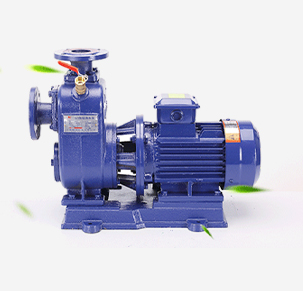
Ejector pumps for basement bathrooms represent a critical component in wastewater management for below-grade sanitary systems. Unlike conventional sewage pumps, ejector pumps utilize the Venturi effect to create a vacuum, drawing wastewater from fixtures located below the sewer line. This is essential in basements and lower-level bathrooms where gravity drainage is insufficient. Their technical position within the plumbing infrastructure chain is as the primary lift station, bridging the gap between the fixture drain lines and the municipal sewer main or septic system. Core performance characteristics include flow rate (gallons per minute - GPM), head (vertical lift in feet), horsepower (HP), and solids handling capability. Proper selection and installation are paramount to prevent backups, sewage odours, and potential health hazards, representing a significant pain point for homeowners and building maintenance personnel.
Material Science & Manufacturing
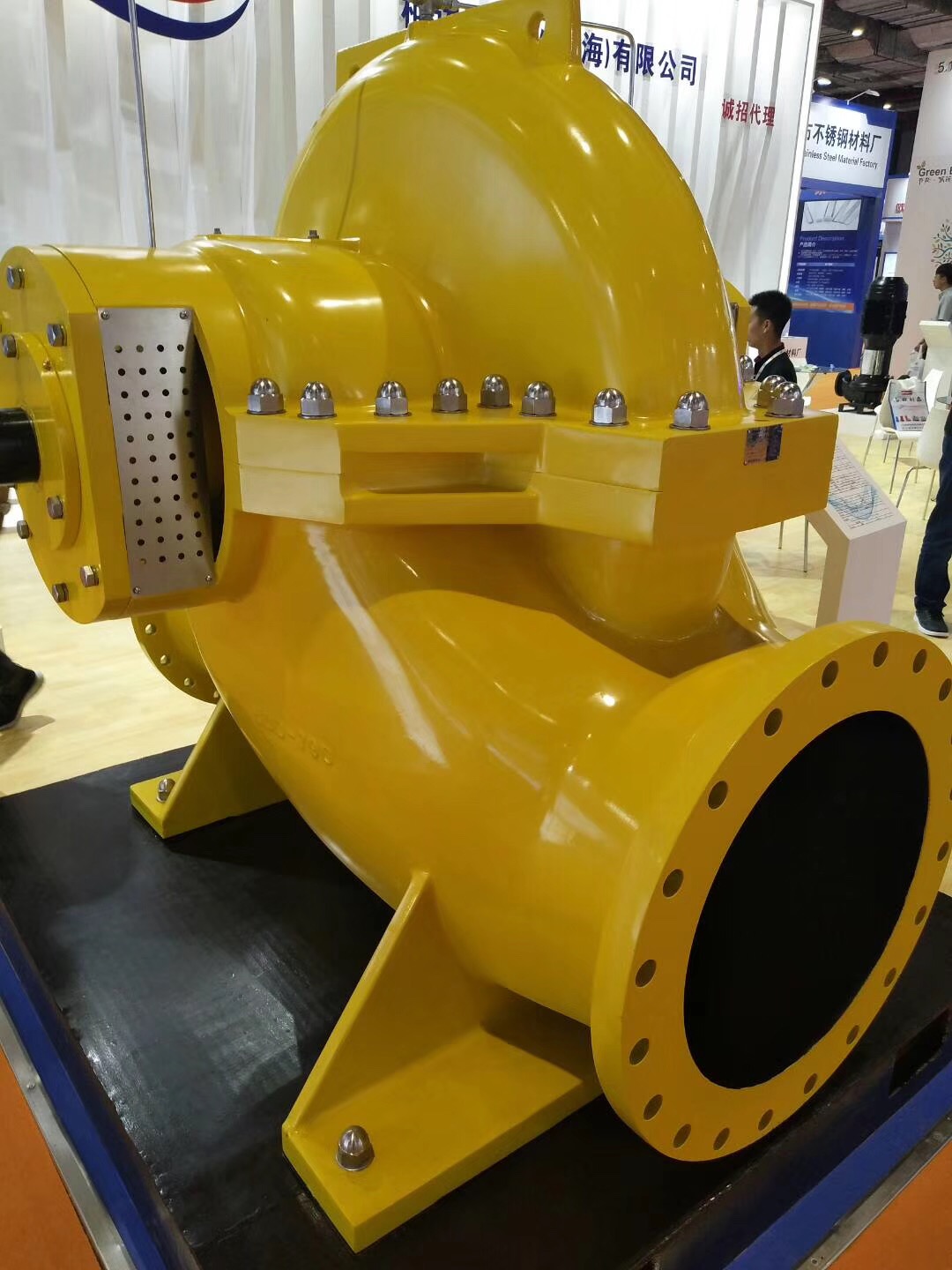
The construction of ejector pumps typically involves several key materials. Pump housings are frequently manufactured from cast iron (ASTM A48 Class 30) due to its durability, corrosion resistance (when properly coated), and cost-effectiveness. Impellers, responsible for generating the pumping action, are often composed of engineered plastics like Noryl (a polypropylene blend) or stainless steel (304 or 316) depending on the anticipated solids content and abrasiveness of the wastewater. Seals are crucial for preventing leakage and are commonly made from materials like nitrile rubber (Buna-N) or Viton (fluoroelastomer) for compatibility with various wastewater constituents. Check valves, integral to preventing backflow, utilize materials like thermoplastic elastomers (TPE) or stainless steel. The manufacturing process incorporates several stages: casting of the housing, machining of internal components, impeller molding (for plastic impellers), and assembly incorporating rigorous quality control measures. Welding, where applicable (e.g., for stainless steel components), requires adherence to AWS D1.1 standards. Critical parameter control during manufacturing focuses on dimensional accuracy of the impeller to ensure optimal hydraulic performance, seal integrity to prevent leakage, and coating thickness (epoxy or powder coating) on cast iron components to maximize corrosion resistance. The choice of materials must account for the potential for hydrogen sulfide (H2S) corrosion in sewage environments.
Performance & Engineering
Ejector pump performance is governed by Bernoulli's principle and the Venturi effect. The pump's nozzle accelerates a portion of the pumped fluid, creating a low-pressure zone that draws in wastewater from the inlet. Key engineering considerations include hydraulic design to optimize flow rate and head, motor sizing to provide sufficient power, and mechanical design to ensure structural integrity. Force analysis involves calculating the stresses on the impeller, housing, and other components due to fluid pressure and rotational forces. Environmental resistance is a critical factor, as the pump operates in a potentially corrosive environment. Pump curves, generated through hydraulic testing (per Hydraulic Institute standards), define the pump’s performance characteristics at various flow rates and heads. Compliance requirements include UL 778 (safety standards for submersible pumps) and relevant local plumbing codes. The pump’s discharge piping must be sized correctly to minimize friction losses and prevent cavitation. Proper venting is also essential to prevent air locking. Failure to account for dynamic loading and fatigue can lead to premature failure of the impeller or housing. The selection of the pump must also consider the potential for clogging due to solids.
Technical Specifications
| Model Number | Maximum Head (ft) | Maximum Flow Rate (GPM) | Motor Horsepower (HP) |
|---|---|---|---|
| EPB-100 | 25 | 45 | 1/2 |
| EPB-200 | 35 | 60 | 3/4 |
| EPB-300 | 45 | 75 | 1 |
| EPB-400 | 55 | 90 | 1.5 |
| EPB-500 | 65 | 105 | 2 |
| EPB-600 | 75 | 120 | 2.5 |
Failure Mode & Maintenance
Ejector pumps are susceptible to several failure modes. Fatigue cracking in the impeller or housing can occur due to cyclical loading. Delamination of coatings on cast iron housings exposes the metal to corrosion. Degradation of seals leads to leakage and reduced pump efficiency. Oxidation of electrical components causes motor failure. Clogging due to solids (e.g., wipes, feminine hygiene products) is a common issue, resulting in pump overload and potential burnout. Failure analysis should include visual inspection for cracks, corrosion, and wear; electrical testing to assess motor insulation; and hydraulic testing to verify pump performance. Preventive maintenance includes regular inspection of the pump, cleaning of the intake screen, and lubrication of bearings. Periodic testing of the check valve is crucial to ensure proper sealing. If corrosion is present, repair involves surface preparation and re-coating with an epoxy or polyurethane coating. Motor repairs or replacements should be performed by qualified technicians. Proper wastewater screening upstream of the pump can significantly reduce the incidence of clogging.
Industry FAQ
Q: What is the primary cause of ejector pump failure in residential applications?
A: The most common cause of failure is solids-induced clogging. Non-biodegradable items like wipes, feminine hygiene products, and excessive hair accumulate in the pump, leading to impeller blockage, motor overload, and eventual pump burnout. Proper education of homeowners regarding what can and cannot be flushed is crucial.
Q: How does the check valve contribute to overall system efficiency?
A: The check valve prevents backflow of wastewater from the discharge pipe into the sump pit when the pump is off. Without a properly functioning check valve, the pump would have to work harder to overcome the backpressure, reducing efficiency and increasing energy consumption.
Q: What material is best suited for ejector pump impellers in abrasive environments?
A: Stainless steel (316 grade) offers the best resistance to abrasion and corrosion in environments with high solids content. While more expensive than plastic impellers, the increased durability and lifespan justify the cost in these applications.
Q: What is the acceptable range for the vertical lift (head) of an ejector pump?
A: The acceptable range depends on the pump's specifications and the overall system design. Generally, ejector pumps are designed for lifts up to 75 feet, but performance decreases significantly as the lift increases. It’s crucial to accurately calculate the total dynamic head (TDH) to select the appropriate pump.
Q: What maintenance procedures should be performed on an ejector pump annually?
A: Annual maintenance should include a thorough inspection of the pump for leaks, corrosion, and wear. Clean the intake screen, test the check valve for proper sealing, and lubricate any bearings. Electrical connections should also be inspected for corrosion and secure connections. Consider a professional hydraulic performance test.
Conclusion
Ejector pumps are indispensable components of basement bathroom plumbing systems, enabling the effective removal of wastewater from below-grade fixtures. Their reliable operation hinges on meticulous material selection, precise manufacturing processes, and appropriate engineering design. Understanding the potential failure modes and implementing a robust preventative maintenance program are essential to maximizing pump lifespan and minimizing the risk of costly repairs.
Future advancements in ejector pump technology will likely focus on improved impeller designs for increased efficiency and solids handling capability, the integration of smart sensors for predictive maintenance, and the development of more corrosion-resistant materials. Continued adherence to industry standards and best practices will ensure the long-term performance and reliability of these critical wastewater management systems.
-
Comprehensive Guide to Waterproof ORings for Optimal Sealing Solutions
News2026-06-09
-
Septic Pump Replacement Performance Analysis
News2026-06-10
-
Septic Pump Price Performance Analysis
News2026-06-10
-
pumps for septic systems Material Science Manufacturing
News2026-06-10
-
ejector pumps for basement bathrooms Performance Analysis
News2026-06-10
-
Ejector Pump Cost Analysis
News2026-06-10
-
drainage pumps Performance and Engineering
News2026-06-09
-
basement bathroom ejector pump Material Science
News2026-06-09
-
Sewer Ejector Pump Cost Performance Analysis
News2026-06-09
-
Septic Tank Pump Replacement Performance Analysis
News2026-06-09
-
septic sump pump Performance and Engineering
News2026-06-09
-
Septic Pump System Performance Analysis
News2026-06-08
-
pump for septic Material Science
News2026-06-08
-
basement sewer pump Performance Analysis
News2026-06-08
-
submerged pump Performance Engineering
News2026-06-08




