English
- Afrikaans
- Albanian
- Amharic
- Arabic
- Armenian
- Azerbaijani
- Basque
- Belarusian
- Bengali
- Bosnian
- Bulgarian
- Catalan
- Cebuano
- Corsican
- Croatian
- Czech
- Danish
- Dutch
- English
- Esperanto
- Estonian
- Finnish
- French
- Frisian
- Galician
- Georgian
- German
- Greek
- Gujarati
- Haitian Creole
- hausa
- hawaiian
- Hebrew
- Hindi
- Miao
- Hungarian
- Icelandic
- igbo
- Indonesian
- irish
- Italian
- Japanese
- Javanese
- Kannada
- kazakh
- Khmer
- Rwandese
- Korean
- Kurdish
- Kyrgyz
- Lao
- Latin
- Latvian
- Lithuanian
- Luxembourgish
- Macedonian
- Malgashi
- Malay
- Malayalam
- Maltese
- Maori
- Marathi
- Mongolian
- Myanmar
- Nepali
- Norwegian
- Norwegian
- Occitan
- Pashto
- Persian
- Polish
- Portuguese
- Punjabi
- Romanian
- Russian
- Samoan
- Scottish Gaelic
- Serbian
- Sesotho
- Shona
- Sindhi
- Sinhala
- Slovak
- Slovenian
- Somali
- Spanish
- Sundanese
- Swahili
- Swedish
- Tagalog
- Tajik
- Tamil
- Tatar
- Telugu
- Thai
- Turkish
- Turkmen
- Ukrainian
- Urdu
- Uighur
- Uzbek
- Vietnamese
- Welsh
- Bantu
- Yiddish
- Yoruba
- Zulu

Telephone: +86 13120555503
Email: frank@cypump.com


Apr . 01, 2024 17:55 Back to list
ejector pump parts Material Science Manufacturing
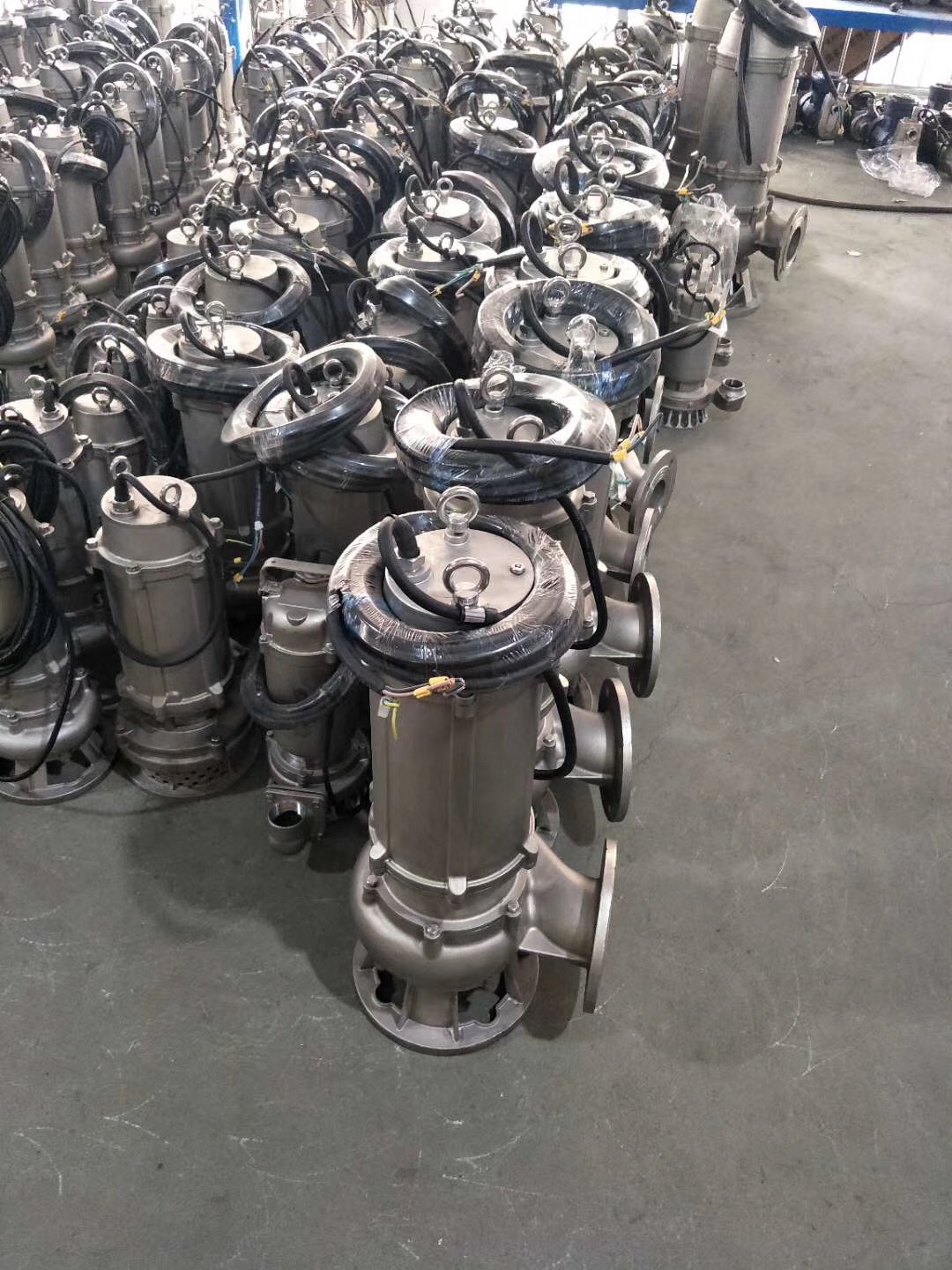
Introduction
Ejector pump parts, integral components within jet pump systems, facilitate fluid transfer leveraging the Venturi effect. These systems are widely employed across diverse industries, including wastewater treatment, chemical processing, and oil & gas, primarily for lifting liquids from wells or transferring fluids between tanks. The core function relies on a high-velocity motive fluid (liquid or gas) creating a vacuum, drawing the suction fluid along. Critical components include the nozzle, throat, diffuser, and body, each influencing performance characteristics. Understanding the material composition, manufacturing tolerances, and operational parameters of these parts is crucial for optimizing system efficiency, minimizing downtime, and ensuring long-term reliability. The primary industrial challenge revolves around managing erosion, corrosion, and cavitation, particularly in abrasive or chemically aggressive environments. A robust understanding of hydrodynamic principles and material science is essential for selecting and maintaining ejector pump components that meet stringent performance requirements and safety standards.
Material Science & Manufacturing
The selection of materials for ejector pump parts is dictated by the fluid being pumped, operating pressures, and temperatures. Nozzles and throats, subject to the highest velocities, are frequently manufactured from duplex stainless steels (e.g., UNS S31803, S32205) for their superior corrosion resistance and erosion characteristics. These materials exhibit a high PREN (Pitting Resistance Equivalent Number), mitigating localized corrosion. Diffusers, experiencing lower velocities, may utilize cast iron alloys (ASTM A48 Class 30) with protective coatings like epoxy or ceramic linings to enhance wear resistance. Pump bodies are typically constructed from carbon steel (ASTM A516 Grade 70) for structural integrity, often with internal coatings to protect against fluid compatibility issues. Manufacturing processes vary depending on the component. Nozzles and throats are commonly produced via precision machining, often involving CNC turning and milling, ensuring tight dimensional tolerances crucial for optimizing flow characteristics. Diffusers are frequently cast, requiring careful control of solidification rates and cooling to minimize residual stresses. The welding process, crucial for assembling pump bodies, must adhere to ASME Section IX standards, employing qualified welders and appropriate filler metals to maintain structural integrity and prevent corrosion. Heat treatment post-welding is often required to relieve stresses and optimize mechanical properties. Surface finish is paramount, particularly for the nozzle and throat, impacting cavitation performance. Electropolishing or abrasive blasting may be employed to achieve the desired surface roughness.
Performance & Engineering
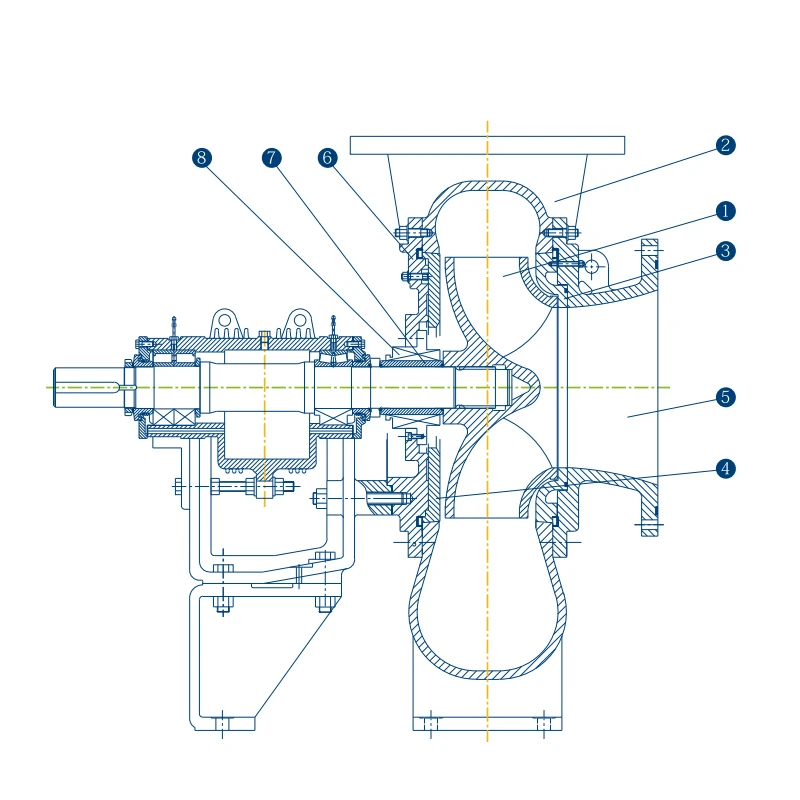
Ejector pump performance is fundamentally governed by fluid dynamics, specifically Bernoulli's principle and the Venturi effect. The nozzle's geometry and throat diameter are critical parameters influencing the motive fluid’s velocity and, consequently, the suction created. Force analysis considers pressure differentials, fluid inertia, and frictional losses within the pump body. Cavitation, a significant concern, occurs when the absolute pressure drops below the fluid's vapor pressure, forming vapor bubbles that collapse, causing erosion and noise. Minimizing cavitation risk requires careful nozzle design, optimized operating pressures, and appropriate material selection. Environmental resistance is crucial, especially in harsh chemical environments. Material compatibility charts (e.g., those published by ASTM) must be consulted to ensure the pump parts are resistant to corrosion or degradation from the pumped fluid. Compliance requirements vary by application. For potable water applications, components must comply with NSF/ANSI 61 standards for lead content and extractable contaminants. For oil & gas applications, API 610 standards dictate design, manufacturing, and testing requirements for centrifugal pumps, which can be applied to certain ejector pump design aspects. Proper suction piping design is essential to prevent air entrainment, which significantly reduces pump efficiency. Furthermore, adequate support structures and vibration isolation are crucial to prevent fatigue failure and maintain operational reliability. The efficiency of an ejector pump is defined as the ratio of the hydraulic power imparted to the suction fluid to the hydraulic power of the motive fluid, which is generally relatively low, necessitating careful system design to minimize motive fluid consumption.
Technical Specifications
| Parameter | Unit | Typical Range (Stainless Steel) | Typical Range (Cast Iron with Coating) |
|---|---|---|---|
| Nozzle Diameter | mm | 6 - 50 | 10 - 80 |
| Throat Diameter | mm | 3 - 25 | 5 - 40 |
| Motive Fluid Pressure | bar | 2 - 20 | 3 - 15 |
| Suction Lift | m | Up to 8 | Up to 6 |
| Maximum Fluid Temperature | °C | -20 to 150 | -10 to 100 |
| Material (Nozzle/Throat) | - | Duplex Stainless Steel (S31803) | Cast Iron with Epoxy Coating |
Failure Mode & Maintenance
Ejector pump parts are susceptible to several failure modes. Erosion, particularly in the nozzle and throat, is a common issue caused by high-velocity fluid impacting the surfaces, especially when handling abrasive slurries. Corrosion, induced by chemical incompatibilities, leads to material degradation and eventual failure. Cavitation, as discussed, causes pitting and erosion. Fatigue cracking can occur in the pump body due to cyclic loading and vibration. Delamination of coatings on cast iron components reduces corrosion resistance and accelerates wear. Oxidation at elevated temperatures can weaken material integrity. Regular inspection is crucial. Visual inspection for signs of erosion, corrosion, or cracks should be performed periodically. Non-destructive testing (NDT) methods, such as ultrasonic testing (UT) and radiography (RT), can detect subsurface defects. Preventative maintenance includes periodic cleaning to remove deposits and debris, lubrication of moving parts (if applicable), and replacement of worn components. If cavitation is suspected, reducing motive fluid pressure or optimizing suction piping can mitigate the issue. For corroded components, replacing them with materials exhibiting higher corrosion resistance is the most effective solution. Proper storage of spare parts in a dry, clean environment is essential to prevent premature degradation. Detailed maintenance logs should be maintained to track component performance and identify recurring failure patterns.
Industry FAQ
Q: What is the impact of suction line length on ejector pump performance?
A: Increasing suction line length increases frictional losses, reducing the effective suction lift and overall pump efficiency. Longer lines also increase the risk of air entrainment, further degrading performance. Proper sizing of the suction line, minimizing bends, and utilizing a foot valve are crucial for mitigating these effects.
Q: How do I select the appropriate motive fluid for a specific application?
A: Motive fluid selection depends on the properties of the suction fluid and the desired performance characteristics. Consider factors like density, viscosity, and compatibility. Higher-density motive fluids generally provide greater suction lift. The motive fluid must be chemically compatible with both the suction fluid and the pump materials to prevent corrosion.
Q: What are the key indicators of cavitation, and how can it be prevented?
A: Key indicators of cavitation include noise (a rattling or gravel-like sound), reduced pump efficiency, and visible damage to the nozzle and throat. Prevention strategies include optimizing nozzle design, increasing motive fluid pressure (within allowable limits), reducing suction lift, and ensuring adequate NPSHa (Net Positive Suction Head Available).
Q: What is the recommended maintenance schedule for ejector pump parts in a wastewater treatment plant?
A: A typical maintenance schedule involves visual inspection quarterly, NDT testing annually, and replacement of nozzles and throats every 2-3 years, depending on the abrasiveness of the wastewater. Regular cleaning to remove solids buildup is also essential. Maintaining detailed records of inspections and repairs is crucial.
Q: Can ejector pumps handle fluids with high solids content?
A: While ejector pumps can handle fluids with solids, it significantly increases the risk of erosion and abrasion. Selecting erosion-resistant materials (e.g., duplex stainless steel, hardfacing alloys) and implementing regular inspection and replacement schedules are critical. Pre-filtration may be necessary to remove larger solids and extend component life.
Conclusion
Ejector pump parts represent a vital technology in numerous industrial fluid handling applications. Their functionality is inextricably linked to meticulous material selection, precision manufacturing, and a thorough understanding of hydrodynamic principles. Addressing key industry challenges – erosion, corrosion, and cavitation – necessitates a proactive approach to maintenance, incorporating regular inspections, non-destructive testing, and timely component replacement.
Ultimately, optimizing ejector pump performance and longevity requires a holistic system perspective, encompassing proper suction line design, appropriate motive fluid selection, and adherence to relevant industry standards. Continued advancements in material science and computational fluid dynamics will further refine the design and operational efficiency of these critical components, ensuring their sustained relevance in evolving industrial landscapes.
-
Precision at the Pump: How Better Machining Protects Flow and Uptime
News2026-11-20
-
Why Pump Reliability Begins Before the First Drop of Fluid
News2026-11-20
-
Beyond the Pump: Designing Safer Access Around Critical Water Infrastructure
News2026-11-20
-
Why Pumping Stations Depend on the Infrastructure Beneath the Pumps
News2026-11-20
-
Beyond the Pump Room: How Smarter Loading Protects Industrial Equipment
News2026-11-19
-
When Pumps Stop: Designing More Resilient Power for Critical Pumping Systems
News2026-11-19
-
The Hidden Role of Dust and Gas Monitoring in Reliable Pump Operations
News2026-11-19
-
The Hidden Role of Mineral Compounds in Extending Industrial Pump Lifespan
News2026-10-12
-
Why Pump System Reliability Depends on Precision Hose Assembly Methods
News2026-09-15
-
How Advanced Imaging Films Are Transforming Pump Component Quality Control
News2026-08-25
-
How Advanced Filtration Protects Pump Systems from Premature Wear and Costly Downtime
News2026-08-25
-
How Steel Material Selection Drives Pump Reliability in Heavy-Duty Systems
News2026-08-25
-
Ensuring Pump System Efficiency: The Role of High-Quality Pipe Fittings and Tubing
News2026-08-24
-
Optimizing Fluid Dynamics and Material Consistency in Industrial Processing
News2026-08-18
-
Innovations and Challenges in Hydraulic Systems for Heavy Machinery
News2026-08-13




