English
- Afrikaans
- Albanian
- Amharic
- Arabic
- Armenian
- Azerbaijani
- Basque
- Belarusian
- Bengali
- Bosnian
- Bulgarian
- Catalan
- Cebuano
- Corsican
- Croatian
- Czech
- Danish
- Dutch
- English
- Esperanto
- Estonian
- Finnish
- French
- Frisian
- Galician
- Georgian
- German
- Greek
- Gujarati
- Haitian Creole
- hausa
- hawaiian
- Hebrew
- Hindi
- Miao
- Hungarian
- Icelandic
- igbo
- Indonesian
- irish
- Italian
- Japanese
- Javanese
- Kannada
- kazakh
- Khmer
- Rwandese
- Korean
- Kurdish
- Kyrgyz
- Lao
- Latin
- Latvian
- Lithuanian
- Luxembourgish
- Macedonian
- Malgashi
- Malay
- Malayalam
- Maltese
- Maori
- Marathi
- Mongolian
- Myanmar
- Nepali
- Norwegian
- Norwegian
- Occitan
- Pashto
- Persian
- Polish
- Portuguese
- Punjabi
- Romanian
- Russian
- Samoan
- Scottish Gaelic
- Serbian
- Sesotho
- Shona
- Sindhi
- Sinhala
- Slovak
- Slovenian
- Somali
- Spanish
- Sundanese
- Swahili
- Swedish
- Tagalog
- Tajik
- Tamil
- Tatar
- Telugu
- Thai
- Turkish
- Turkmen
- Ukrainian
- Urdu
- Uighur
- Uzbek
- Vietnamese
- Welsh
- Bantu
- Yiddish
- Yoruba
- Zulu

Telephone: +86 13120555503
Email: frank@cypump.com


Apr . 01, 2024 17:55 Back to list
ejector pump for basement Performance Engineering
Introduction
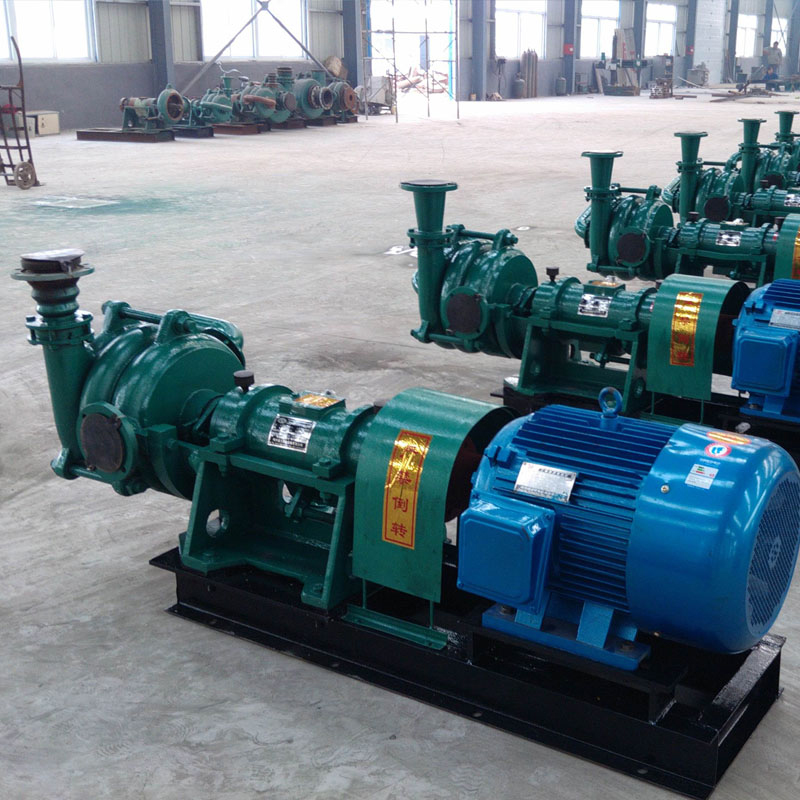
Ejector pumps for basement applications represent a critical component in wastewater management for properties situated below the main sewer line. These pumps, fundamentally jet pumps, utilize a venturi effect to lift wastewater from a pit or sump and discharge it into the municipal sewer system or a designated septic tank. Unlike traditional submersible pumps, ejector pumps are typically installed outside the basin and rely on pressurized water to create suction. Their selection and implementation require careful consideration of hydraulic head, flow rate, and the specific characteristics of the wastewater being handled. The primary industry pain point lies in selecting a pump capable of consistently overcoming static lift, addressing solids handling limitations, and resisting corrosion in potentially harsh basement environments. Furthermore, ensuring reliable operation and minimizing maintenance downtime are paramount concerns for property owners and facility managers. This guide provides a comprehensive overview of ejector pump technology, encompassing material science, manufacturing processes, performance engineering, failure modes, and relevant industry standards.
Material Science & Manufacturing
Ejector pumps are constructed from a variety of materials chosen for their compatibility with wastewater and resistance to corrosion. The pump housing is commonly manufactured from cast iron (ASTM A48 Class 30) due to its strength, cost-effectiveness, and ability to withstand significant pressures. However, for more aggressive wastewater streams containing high levels of sulfides or chlorides, alternatives like stainless steel (316L grade) or engineered polymers (Polypropylene, PVC) are employed. The impeller, responsible for generating the high-velocity jet of water, is often made from bronze (B148 Alloy C92200) or reinforced thermoplastic, balancing durability with resistance to cavitation erosion. Seals are critical components, frequently utilizing materials like Buna-N rubber (for general-purpose applications) or Viton (fluoroelastomer) for enhanced chemical resistance. The manufacturing process typically involves sand casting for iron housings, followed by machining to precise tolerances. Impellers are often investment cast or injection molded. Critical parameter control during manufacturing includes dimensional accuracy of the venturi throat and nozzle to ensure optimal jet velocity and suction lift. Welding processes, where applicable, must adhere to AWS D1.1 standards to maintain structural integrity and prevent corrosion pathways. The quality of surface finish on internal components directly impacts flow characteristics and minimizes the potential for solids buildup. Material traceability and certification are essential for ensuring compliance with industry standards and long-term reliability.
Performance & Engineering
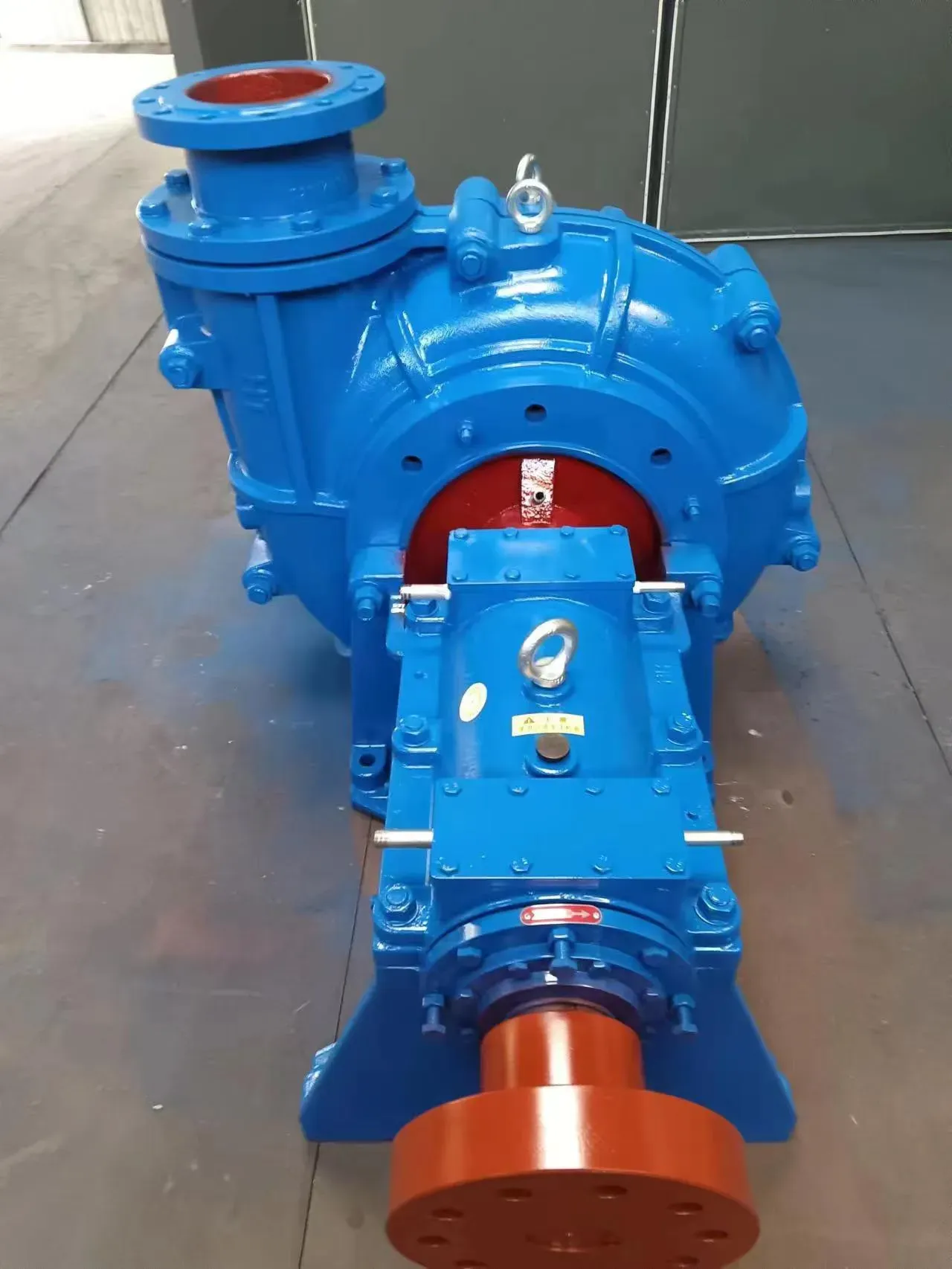
The performance of an ejector pump is fundamentally governed by Bernoulli's principle and the venturi effect. The pump's motor drives a high-velocity jet of water through a nozzle, creating a low-pressure zone within the venturi. This pressure differential draws wastewater into the suction chamber and entrains it within the jet stream, propelling it upwards and out of the discharge pipe. Key engineering considerations include calculating the required static lift (the vertical distance between the pump and the discharge point), determining the necessary flow rate based on anticipated wastewater volume, and accounting for friction losses within the piping system. Force analysis focuses on the stresses induced by the pressurized water and the weight of the wastewater column. The pump's design must withstand these forces without deformation or failure. Environmental resistance is paramount, particularly in basement environments prone to moisture and temperature fluctuations. The pump must be adequately sealed to prevent water ingress and protected against corrosion. Compliance requirements include adherence to local plumbing codes and potentially NSF/ANSI 61 certification for potable water applications (if applicable). The proper sizing of the receiving tank, vent stack, and check valve are crucial for optimal performance and prevention of backflow. Additionally, consideration must be given to noise reduction strategies, as ejector pumps can generate significant noise during operation.
Technical Specifications
| Parameter | Unit | Typical Range | Performance Impact |
|---|---|---|---|
| Static Lift | ft (m) | 10-30 (3-9) | Determines pump's ability to overcome vertical distance. |
| Flow Rate | GPM (LPM) | 25-100 (95-380) | Indicates the volume of wastewater pumped per unit time. |
| Motor Horsepower | HP (kW) | 0.5-2 (0.37-1.5) | Affects pump's capacity and energy consumption. |
| Suction Pipe Diameter | in (mm) | 2-4 (50-100) | Influences flow velocity and potential for solids clogging. |
| Discharge Pipe Diameter | in (mm) | 1.5-3 (38-75) | Impacts friction losses and discharge velocity. |
| Maximum Solids Size | in (mm) | 0.5-1 (12.7-25.4) | Defines the largest particles the pump can handle without clogging. |
Failure Mode & Maintenance
Ejector pumps are susceptible to several failure modes. Cavitation, caused by the formation and collapse of vapor bubbles within the impeller, can lead to erosion and reduced pump performance. Solids buildup within the venturi or suction line can restrict flow and overload the motor. Seal failure results in leakage and loss of prime. Corrosion, particularly in aggressive wastewater environments, can weaken pump components and lead to catastrophic failure. Fatigue cracking can occur in the pump housing or impeller due to cyclical loading. Regular maintenance is crucial for preventing these failures. This includes periodic inspection of seals for wear and tear, flushing the pump and piping system to remove solids buildup, lubricating motor bearings, and conducting visual inspections for corrosion. Preventive maintenance schedules should be established based on operating conditions and wastewater characteristics. In the event of a failure, a thorough failure analysis should be performed to identify the root cause and implement corrective actions. Replacing worn components with OEM-specified parts is essential for maintaining pump performance and reliability. Furthermore, proper electrical grounding and protection against overcurrent are critical for preventing electrical failures.
Industry FAQ
Q: What is the primary difference between an ejector pump and a submersible pump for basement applications?
A: Ejector pumps utilize a jet of pressurized water to create suction, whereas submersible pumps are fully immersed in the wastewater and directly lift the fluid. Ejector pumps can handle greater static lift but generally have lower flow rates and can be more prone to clogging. Submersible pumps offer higher flow rates and are less susceptible to clogging but are limited by their maximum lift capacity. The choice depends on the specific application and the height the wastewater needs to be pumped.
Q: How do I determine the correct ejector pump size for my basement?
A: Correct sizing requires calculating the total dynamic head (TDH), which includes static lift, friction losses in the piping system, and any pressure required at the discharge point. You also need to estimate the peak flow rate based on anticipated wastewater volume. Consult pump performance curves and manufacturer’s specifications to select a pump that can deliver the required flow rate at the calculated TDH.
Q: What are the common causes of ejector pump failure due to solids?
A: Common causes include inadequate screening of wastewater, allowing large solids to enter the system; the presence of non-biodegradable materials like wipes and feminine hygiene products; and insufficient flushing of the system to remove accumulated sediment. Implementing a proper solids management strategy, including regular pump cleaning and the use of pre-filters, can significantly reduce the risk of solids-related failures.
Q: How can I prevent corrosion in an ejector pump system?
A: Selecting corrosion-resistant materials, such as stainless steel or engineered polymers, is crucial. Implementing a cathodic protection system can further mitigate corrosion in iron housings. Regularly inspecting and replacing sacrificial anodes (if present) and maintaining proper water chemistry can also help prevent corrosion.
Q: What maintenance should be performed on an ejector pump system on a semi-annual basis?
A: Semi-annual maintenance should include a thorough inspection of all seals and gaskets for leaks or wear, flushing the pump and piping system to remove accumulated sediment, lubricating motor bearings, checking electrical connections for tightness and corrosion, and verifying the proper operation of the check valve. A functional test of the pump should also be performed to ensure it is operating within specifications.
Conclusion
Ejector pumps remain a vital solution for managing wastewater in basement applications where gravity drainage is impractical. Their performance is heavily reliant on precise material selection, meticulous manufacturing, and careful engineering considerations, particularly concerning hydraulic head and solids handling. Understanding the potential failure modes and implementing a proactive maintenance program are paramount for ensuring long-term reliability and minimizing downtime.
The future of ejector pump technology likely involves advancements in materials science, leading to even greater corrosion resistance and improved efficiency. Integration with smart monitoring systems, providing real-time data on pump performance and predictive maintenance alerts, will also play a significant role in optimizing operational efficiency and extending service life. Proper specification, installation, and maintenance remain the cornerstones of successful ejector pump system performance.
-
Comprehensive Guide to Waterproof ORings for Optimal Sealing Solutions
News2026-06-09
-
best sewage ejector pump Performance Engineering
News2026-06-11
-
aerobic septic system pump Performance Analysis
News2026-06-11
-
Sumergible Pump Performance Analysis
News2026-06-11
-
ejector pump for basement Performance Engineering
News2026-06-11
-
sewer lift pump Performance Engineering
News2026-06-11
-
Septic Pump Replacement Performance Analysis
News2026-06-10
-
Septic Pump Price Performance Analysis
News2026-06-10
-
pumps for septic systems Material Science Manufacturing
News2026-06-10
-
ejector pumps for basement bathrooms Performance Analysis
News2026-06-10
-
Ejector Pump Cost Analysis
News2026-06-10
-
drainage pumps Performance and Engineering
News2026-06-09
-
basement bathroom ejector pump Material Science
News2026-06-09
-
Sewer Ejector Pump Cost Performance Analysis
News2026-06-09
-
Septic Tank Pump Replacement Performance Analysis
News2026-06-09




