English
- Afrikaans
- Albanian
- Amharic
- Arabic
- Armenian
- Azerbaijani
- Basque
- Belarusian
- Bengali
- Bosnian
- Bulgarian
- Catalan
- Cebuano
- Corsican
- Croatian
- Czech
- Danish
- Dutch
- English
- Esperanto
- Estonian
- Finnish
- French
- Frisian
- Galician
- Georgian
- German
- Greek
- Gujarati
- Haitian Creole
- hausa
- hawaiian
- Hebrew
- Hindi
- Miao
- Hungarian
- Icelandic
- igbo
- Indonesian
- irish
- Italian
- Japanese
- Javanese
- Kannada
- kazakh
- Khmer
- Rwandese
- Korean
- Kurdish
- Kyrgyz
- Lao
- Latin
- Latvian
- Lithuanian
- Luxembourgish
- Macedonian
- Malgashi
- Malay
- Malayalam
- Maltese
- Maori
- Marathi
- Mongolian
- Myanmar
- Nepali
- Norwegian
- Norwegian
- Occitan
- Pashto
- Persian
- Polish
- Portuguese
- Punjabi
- Romanian
- Russian
- Samoan
- Scottish Gaelic
- Serbian
- Sesotho
- Shona
- Sindhi
- Sinhala
- Slovak
- Slovenian
- Somali
- Spanish
- Sundanese
- Swahili
- Swedish
- Tagalog
- Tajik
- Tamil
- Tatar
- Telugu
- Thai
- Turkish
- Turkmen
- Ukrainian
- Urdu
- Uighur
- Uzbek
- Vietnamese
- Welsh
- Bantu
- Yiddish
- Yoruba
- Zulu

Telephone: +86 13120555503
Email: frank@cypump.com


Apr . 01, 2024 17:55 Back to list
Ejector Pump cost of an ejector pump and associated expenses for Performance Analysis
Introduction
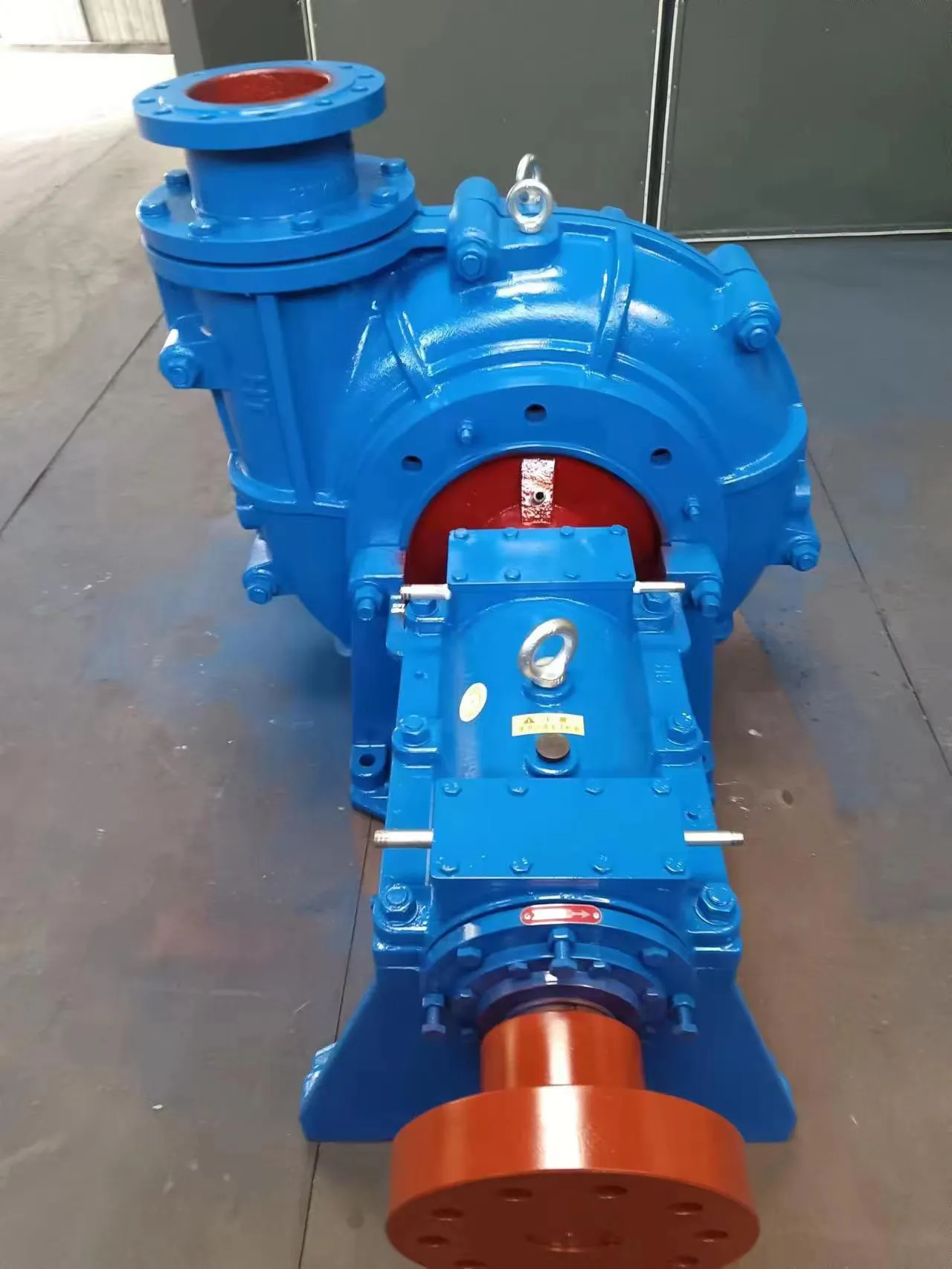
Ejector pumps, also known as jet pumps, are mechanical devices utilizing the Venturi effect to transfer fluids. They are commonly employed in applications requiring the lifting of liquids from a source below the pump, such as well water extraction, sewage lift stations, and condensate removal. This guide provides an in-depth analysis of the costs associated with ejector pumps, encompassing initial purchase price, installation, operational expenses, and potential maintenance requirements. Understanding these cost drivers is crucial for informed procurement decisions in various industries, including municipal water management, industrial wastewater treatment, and building services. The core performance characteristic centers on suction lift capability, flow rate, and efficiency – parameters fundamentally impacted by material selection, pump design, and operational parameters. Ejector pump systems represent a cost-effective solution when compared to traditional submersible pumps in certain applications, however, a comprehensive cost evaluation is necessary for optimal project budgeting.
Material Science & Manufacturing
The primary materials utilized in ejector pump construction include cast iron, stainless steel (304, 316 grades), and engineered polymers (typically polypropylene or PVC for internal components). Cast iron offers a cost-effective solution for pump housings, benefitting from good machinability and vibration damping properties. However, its susceptibility to corrosion necessitates protective coatings such as epoxy or galvanization. Stainless steel, particularly 316, provides superior corrosion resistance, crucial in aggressive fluid environments, but at a higher material cost. Polymeric materials are favored for nozzles and diffusers where erosion from fluid velocity is a concern. Manufacturing processes involve sand casting for iron housings, investment casting or CNC machining for stainless steel components, and injection molding for polymer parts. Critical parameter control during manufacturing focuses on dimensional accuracy of the nozzle and throat diameters – deviations impact the jet momentum and subsequently, the pump's suction lift and flow rate. Welding processes (SMAW, GTAW) are employed for joining stainless steel components, requiring rigorous quality control to ensure weld integrity and prevent stress corrosion cracking. Surface finish of internal passages is also paramount; smoother surfaces minimize frictional losses and improve hydraulic efficiency. Material compatibility with the pumped fluid is a critical consideration. For example, using cast iron in systems handling corrosive chemicals will lead to rapid degradation and pump failure.
Performance & Engineering
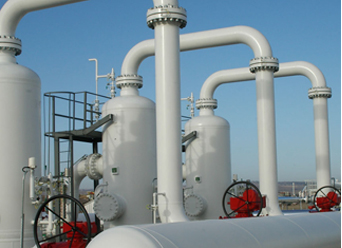
The performance of an ejector pump hinges on several key engineering principles. Bernoulli’s principle dictates the pressure-velocity relationship within the Venturi, directly influencing suction lift. Force analysis involves calculating the momentum transfer from the motive fluid (typically water under pressure) to the suction fluid. The nozzle’s geometry and the throat’s diameter are critical design parameters; a smaller throat increases velocity but also elevates frictional losses. Environmental resistance is addressed through material selection; corrosive fluids demand stainless steel or polymeric components. Compliance requirements vary by region, but typically involve adherence to hydraulic institute standards and local building codes. Pump sizing necessitates calculating the total dynamic head (TDH), which considers static lift, friction losses in piping, and pressure at the discharge point. Cavitation is a significant concern; insufficient Net Positive Suction Head Available (NPSHA) can lead to vapor bubble formation and subsequent impeller damage. Proper piping design, minimizing bends and ensuring adequate suction line diameter, mitigates this risk. The efficiency of an ejector pump is inherently lower than positive displacement pumps, typically ranging from 20-40%, due to the energy losses associated with mixing and momentum transfer. Proper system design and minimizing the motive fluid flow rate can optimize efficiency within practical constraints.
Technical Specifications
| Parameter | Unit | Typical Range (Shallow Well Ejector) | Typical Range (Deep Well Ejector) |
|---|---|---|---|
| Suction Lift | Feet | Up to 25 | Up to 250 |
| Flow Rate | GPM | 10-100 | 20-200 |
| Motive Fluid Pressure | PSI | 30-60 | 40-80 |
| Discharge Head | Feet | Up to 50 | Up to 100 |
| Nozzle Diameter | Inches | 0.25 - 0.5 | 0.5 - 1.0 |
| Throat Diameter | Inches | 0.5 - 1.0 | 1.0 - 2.0 |
Failure Mode & Maintenance
Ejector pumps are susceptible to several failure modes. Fatigue cracking can occur in the pump housing due to cyclical pressure fluctuations and vibrations. Erosion of the nozzle and throat, particularly when handling abrasive fluids, reduces pump efficiency and suction lift. Delamination of protective coatings on cast iron housings exposes the metal to corrosion. Cavitation, as previously discussed, can cause impeller damage and premature wear. Scaling and debris buildup within the pump can restrict flow and reduce performance. Maintenance typically involves regular inspection of the nozzle and throat for erosion, cleaning of the pump housing to remove debris, and verification of the motive fluid pressure. Preventive maintenance schedules should include periodic coating inspection and repair. In cases of severe corrosion or cracking, complete pump replacement may be necessary. A failure analysis should be conducted when unexpected failures occur, to identify the root cause (e.g., improper fluid compatibility, inadequate NPSHA) and implement corrective actions. Proper lubrication of bearings (if applicable) is also crucial for extending pump life. Documented maintenance logs are essential for tracking pump performance and identifying trends that may indicate impending failures.
Industry FAQ
Q: What is the typical lifespan of an ejector pump in a residential well water application?
A: In a well-maintained residential well water application, an ejector pump can typically last between 10-15 years. However, the lifespan is highly dependent on water quality (mineral content, presence of abrasives), frequency of use, and adherence to a regular maintenance schedule. Corrosion and erosion are the primary factors leading to premature failure.
Q: How does the motive fluid pressure affect the overall system cost?
A: Higher motive fluid pressure generally results in increased flow rates and suction lift, but also higher energy consumption. Optimizing the motive fluid pressure is crucial for balancing performance and operating costs. A larger booster pump may be required to achieve higher pressures, adding to the initial capital expenditure and ongoing electricity bills.
Q: What are the advantages of using a stainless steel ejector pump versus a cast iron one?
A: Stainless steel offers significantly superior corrosion resistance, making it ideal for handling corrosive fluids or operating in harsh environments. While the initial cost is higher, the extended lifespan and reduced maintenance requirements often offset the increased investment in the long run. Cast iron is suitable for clean water applications where corrosion is not a major concern.
Q: What is the impact of suction line length and diameter on ejector pump performance?
A: Longer suction lines and smaller diameters increase friction losses, reducing the available NPSHA and potentially leading to cavitation. Proper sizing of the suction line is critical for maintaining optimal pump performance. Consult with a hydraulic engineer to determine the appropriate dimensions based on the specific application.
Q: Beyond the pump itself, what other costs should be considered when budgeting for an ejector pump system?
A: Additional costs include piping (suction and discharge), valves, fittings, electrical wiring, a pressure tank (to reduce pump cycling), a pressure switch, and labor for installation. Long-term costs include electricity consumption, routine maintenance (inspections, cleaning), and potential repair or replacement of components.
Conclusion
The cost of an ejector pump system extends far beyond the initial purchase price. A thorough understanding of the material science, manufacturing processes, performance characteristics, and potential failure modes is essential for accurate budgeting and long-term operational efficiency. Selecting the appropriate materials (cast iron vs. stainless steel) based on fluid compatibility and environmental conditions is paramount. Optimizing the motive fluid pressure, properly sizing the suction line, and implementing a robust preventive maintenance program are crucial for maximizing pump lifespan and minimizing downtime.
The total cost of ownership should encompass initial capital expenditure, installation expenses, ongoing operational costs (electricity), and anticipated maintenance and repair costs. Careful consideration of these factors will ensure the selection of a cost-effective ejector pump solution tailored to the specific application requirements.
-
Precision at the Pump: How Better Machining Protects Flow and Uptime
News2026-11-20
-
Why Pump Reliability Begins Before the First Drop of Fluid
News2026-11-20
-
Beyond the Pump: Designing Safer Access Around Critical Water Infrastructure
News2026-11-20
-
Why Pumping Stations Depend on the Infrastructure Beneath the Pumps
News2026-11-20
-
Beyond the Pump Room: How Smarter Loading Protects Industrial Equipment
News2026-11-19
-
When Pumps Stop: Designing More Resilient Power for Critical Pumping Systems
News2026-11-19
-
The Hidden Role of Dust and Gas Monitoring in Reliable Pump Operations
News2026-11-19
-
The Hidden Role of Mineral Compounds in Extending Industrial Pump Lifespan
News2026-10-12
-
Why Pump System Reliability Depends on Precision Hose Assembly Methods
News2026-09-15
-
How Advanced Imaging Films Are Transforming Pump Component Quality Control
News2026-08-25
-
How Advanced Filtration Protects Pump Systems from Premature Wear and Costly Downtime
News2026-08-25
-
How Steel Material Selection Drives Pump Reliability in Heavy-Duty Systems
News2026-08-25
-
Ensuring Pump System Efficiency: The Role of High-Quality Pipe Fittings and Tubing
News2026-08-24
-
Optimizing Fluid Dynamics and Material Consistency in Industrial Processing
News2026-08-18
-
Innovations and Challenges in Hydraulic Systems for Heavy Machinery
News2026-08-13




