English
- Afrikaans
- Albanian
- Amharic
- Arabic
- Armenian
- Azerbaijani
- Basque
- Belarusian
- Bengali
- Bosnian
- Bulgarian
- Catalan
- Cebuano
- Corsican
- Croatian
- Czech
- Danish
- Dutch
- English
- Esperanto
- Estonian
- Finnish
- French
- Frisian
- Galician
- Georgian
- German
- Greek
- Gujarati
- Haitian Creole
- hausa
- hawaiian
- Hebrew
- Hindi
- Miao
- Hungarian
- Icelandic
- igbo
- Indonesian
- irish
- Italian
- Japanese
- Javanese
- Kannada
- kazakh
- Khmer
- Rwandese
- Korean
- Kurdish
- Kyrgyz
- Lao
- Latin
- Latvian
- Lithuanian
- Luxembourgish
- Macedonian
- Malgashi
- Malay
- Malayalam
- Maltese
- Maori
- Marathi
- Mongolian
- Myanmar
- Nepali
- Norwegian
- Norwegian
- Occitan
- Pashto
- Persian
- Polish
- Portuguese
- Punjabi
- Romanian
- Russian
- Samoan
- Scottish Gaelic
- Serbian
- Sesotho
- Shona
- Sindhi
- Sinhala
- Slovak
- Slovenian
- Somali
- Spanish
- Sundanese
- Swahili
- Swedish
- Tagalog
- Tajik
- Tamil
- Tatar
- Telugu
- Thai
- Turkish
- Turkmen
- Ukrainian
- Urdu
- Uighur
- Uzbek
- Vietnamese
- Welsh
- Bantu
- Yiddish
- Yoruba
- Zulu

Telephone: +86 13120555503
Email: frank@cypump.com


Apr . 01, 2024 17:55 Back to list
Ejector Pit and Pump System Performance
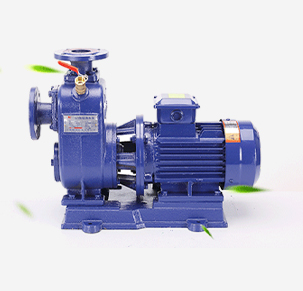
Introduction
Ejector pits and pumps represent a critical component in wastewater management and industrial fluid handling systems. They are employed to efficiently collect and transfer fluids, often containing solids, from lower elevations to higher elevations or into a main conveyance system. Unlike traditional lift stations relying solely on pumps, ejector pits leverage the Venturi effect – creating a vacuum through a converging-diverging nozzle – to initiate fluid flow, reducing energy consumption and minimizing the risk of pump cavitation. Within the industrial chain, these systems function as essential infrastructure for processes ranging from municipal sewage treatment and building drainage to chemical processing, manufacturing, and mining operations. Core performance characteristics include flow rate (gallons per minute or cubic meters per hour), head (vertical lift capacity), solids handling capability, and overall system efficiency. A key challenge in selecting and maintaining these systems lies in balancing operational costs with the need for robust performance in potentially corrosive or abrasive environments.
Material Science & Manufacturing
The construction of ejector pits and pumps necessitates a diverse range of materials, each chosen for specific properties to withstand operating conditions. Ejector pit structures are commonly fabricated from reinforced concrete, offering high compressive strength and durability. Concrete mixes are designed with specific aggregate sizes and cement types to resist chemical attack from the conveyed fluids (e.g., sulfate resistance in sewage applications). Polypropylene or polyethylene liners are often incorporated to enhance chemical resistance and prevent infiltration. Pump casings are typically cast iron (ASTM A48 Class 30 or equivalent) for general applications, though stainless steel (304, 316, or duplex grades per ASTM A240) is favored for corrosive environments. Impellers can be manufactured from cast iron, bronze (ASTM B584), or stainless steel, with the material selection dictated by the abrasive nature of the fluid. Nozzles within the ejector assembly utilize hardened materials such as ceramic or tungsten carbide to resist erosion from high-velocity fluid flow. Manufacturing processes include concrete casting and curing, sand casting for pump components, investment casting for complex impeller geometries, and precision machining for nozzle fabrication. Key parameter control involves ensuring dimensional accuracy of ejector components to maximize Venturi effect efficiency, proper heat treatment of metal components to achieve desired hardness and tensile strength, and rigorous quality control to prevent porosity in castings. Welding processes (SMAW, GMAW, GTAW per AWS D1.1) are employed for joining metal components, requiring qualified welders and adherence to strict inspection criteria.
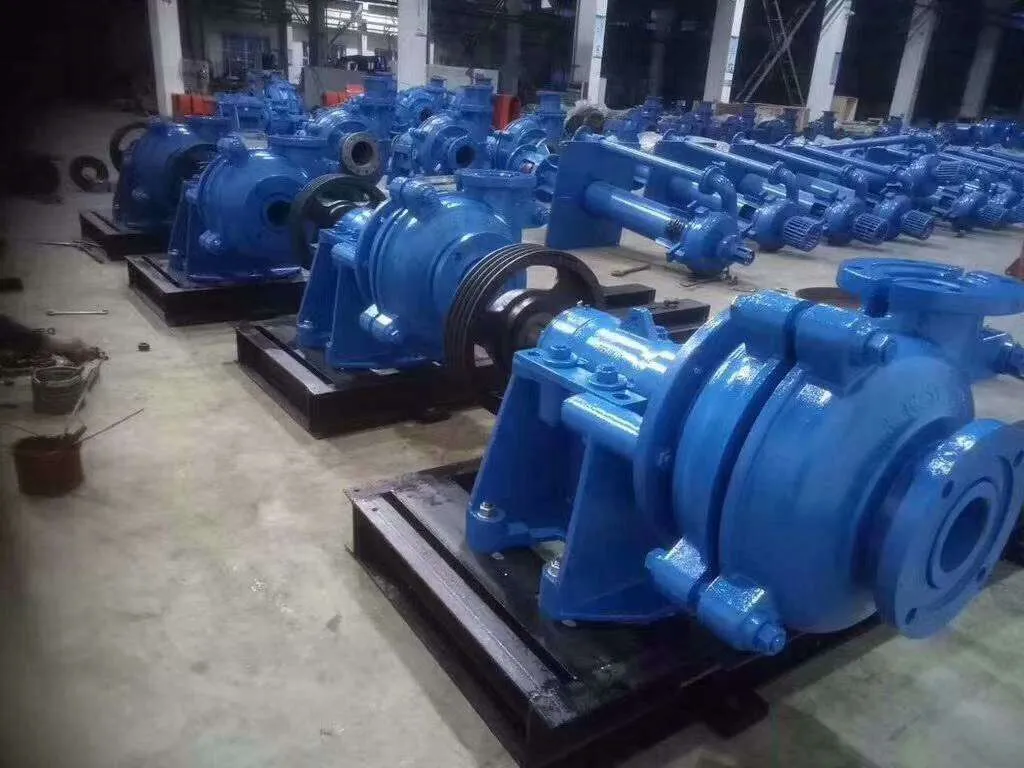
Performance & Engineering
The performance of ejector pit and pump systems is governed by principles of fluid dynamics and mechanical engineering. Force analysis focuses on the pressure differential created by the ejector nozzle, the hydraulic head generated by the pump, and the frictional losses within the piping network. The ejector's performance is characterized by its non-dimensional suction lift ratio (Hs/Hd, where Hs is the suction lift and Hd is the discharge head) and the entrainment ratio (volume of liquid entrained per unit volume of motive fluid). Pump selection involves matching the pump curve (head vs. flow rate) to the system's head-flow requirements, considering factors like net positive suction head available (NPSHA) to prevent cavitation. Environmental resistance is critical, particularly in outdoor installations, requiring consideration of temperature fluctuations, freeze-thaw cycles, and exposure to UV radiation. Compliance requirements include adherence to local building codes, environmental regulations (discharge permits), and safety standards (e.g., OSHA requirements for confined space entry). Functional implementation necessitates proper sizing of the ejector pit volume to accommodate anticipated flow fluctuations, selection of appropriate piping materials and diameters to minimize friction losses, and integration of control systems (level sensors, float switches, variable frequency drives) to automate operation and optimize energy efficiency. Pump selection needs careful consideration of the solids handling capacity. Ragging, the accumulation of debris within the pump impeller, is a major operational concern addressed by utilizing impeller designs specifically configured for solids passage.
Technical Specifications
| Parameter | Typical Range (Ejector Pit) | Typical Range (Pump) | Relevant Standard |
|---|---|---|---|
| Pit Volume | 500 - 10,000 gallons (1893 - 37,854 liters) | N/A | Local Building Codes |
| Pump Flow Rate | N/A | 50 - 500 GPM (189 - 1893 LPM) | HI Standards (Hydraulic Institute) |
| Total Dynamic Head | Up to 50 ft (15.24 m) | Up to 200 ft (60.96 m) | ANSI/HI 1.3 |
| Solids Handling Capability | Up to 2 inches (50.8 mm) | Up to 3 inches (76.2 mm) | WEFTEC (Water Environment Federation Technical Manual) |
| Material (Pit) | Reinforced Concrete (3000-4000 psi) | N/A | ACI 318 (American Concrete Institute) |
| Material (Pump Casing) | N/A | Cast Iron (ASTM A48 Class 30) or Stainless Steel (ASTM A240) | ASTM Standards |
Failure Mode & Maintenance
Ejector pit and pump systems are susceptible to several failure modes. Fatigue cracking in concrete structures can occur due to repeated loading and environmental exposure. Corrosion of metal components (pump casings, impellers, nozzles) is a common issue, especially in aggressive chemical environments. Delamination of concrete liners can result from inadequate bonding or freeze-thaw damage. Pump impeller wear is prevalent in abrasive slurry applications, leading to reduced efficiency and increased energy consumption. Ejector nozzle erosion can occur due to high-velocity fluid flow containing abrasive particles, altering the Venturi effect and reducing suction lift. Pump seal failure leads to leakage and potential motor damage. Maintenance solutions include regular visual inspections for cracks, corrosion, and leakage. Concrete repairs require patching with appropriate concrete mixes and application of protective coatings. Pump impellers should be inspected for wear and replaced as needed. Ejector nozzles may require periodic replacement or refurbishment using wear-resistant coatings. Pump seals should be replaced proactively based on manufacturer recommendations and operating conditions. Regular cleaning of the ejector pit to remove accumulated solids prevents clogging and maintains optimal performance. Vibration analysis can identify bearing wear or impeller imbalance. Preventative maintenance schedules, incorporating lubrication, seal inspections, and performance monitoring, are crucial for extending system lifespan and minimizing downtime.
Industry FAQ
Q: What are the primary advantages of using an ejector pit system compared to a traditional lift station utilizing only a pump?
A: Ejector pit systems often offer lower initial costs and reduced energy consumption, particularly in applications with relatively low flow rates. The ejector utilizes the momentum of a smaller flow (motive fluid) to initiate the larger flow, minimizing pump cycling and reducing wear on the pump. Additionally, ejectors are less prone to clogging with solids than pumps, reducing maintenance requirements.
Q: How does the specific gravity of the fluid being pumped affect the performance of the ejector and pump system?
A: Higher specific gravity fluids require a greater pressure differential to achieve the same lift, impacting both the ejector's suction lift capacity and the pump’s head requirements. System design must account for this, potentially necessitating a larger ejector nozzle or a higher-head pump.
Q: What materials are best suited for ejector pit construction in a highly corrosive environment, such as a chemical processing plant?
A: In corrosive environments, reinforced concrete with a polypropylene or polyethylene liner is typically recommended. The liner provides a barrier against chemical attack, while the concrete provides structural support. For pump components in direct contact with the fluid, stainless steel alloys (316 or duplex grades) are preferred due to their superior corrosion resistance.
Q: How can I mitigate the risk of ragging and clogging in an ejector pit system handling sewage?
A: Implementing a robust screening system upstream of the ejector pit is crucial. This can include bar screens, vortex grit chambers, or fine screens to remove large debris. Selecting a pump with a recessed impeller or a non-clog impeller design further reduces the risk of ragging. Regular pit cleaning is also essential.
Q: What are the key considerations when selecting a variable frequency drive (VFD) for a pump in an ejector pit system?
A: The VFD should be sized to handle the pump's motor horsepower and voltage requirements. It's essential to consider the pump's minimum operating speed to avoid cavitation and ensure adequate flow. The VFD should be programmed with appropriate acceleration and deceleration ramps to minimize mechanical stress on the pump and piping system. Integration with level sensors is crucial for automated operation.
Conclusion
Ejector pit and pump systems represent a well-established and versatile solution for fluid transfer applications. The optimal performance and longevity of these systems depend on a thorough understanding of material science, hydraulic principles, and industry-specific compliance requirements. Careful attention to detail during the design, manufacturing, and maintenance phases is paramount to ensure reliable operation and minimize lifecycle costs.
Future advancements in this field are likely to focus on optimizing ejector nozzle geometries for improved efficiency, developing more durable and corrosion-resistant materials, and integrating smart sensor technologies for predictive maintenance. Further research into reducing energy consumption and mitigating environmental impacts will continue to drive innovation in ejector pit and pump technology, solidifying its position as a critical component of infrastructure across a diverse range of industries.
-
Comprehensive Guide to Waterproof ORings for Optimal Sealing Solutions
News2026-06-09
-
septic tank pump system Performance Analysis
News2026-06-15
-
septic system lift pump Performance Analysis
News2026-06-15
-
septic pumps for sale Performance Analysis
News2026-06-15
-
lift pump for septic system Material Science Manufacturing
News2026-06-15
-
Ejector Pit and Pump System Performance
News2026-06-15
-
basement plumbing pump Performance Engineering
News2026-06-14
-
water submersible pump Performance Engineering
News2026-06-14
-
Septic Systems with Pumps Performance Analysis
News2026-06-14
-
Septic Pump Systems Performance Analysis
News2026-06-14
-
septic ejector pump Material Science and Manufacturing
News2026-06-14
-
septic effluent pump Performance and Engineering
News2026-06-13
-
ejector sump pump Performance Engineering
News2026-06-13
-
Wastewater Pump Performance Analysis
News2026-06-13
-
waste water pumps Material Science Manufacturing
News2026-06-13




