English
- Afrikaans
- Albanian
- Amharic
- Arabic
- Armenian
- Azerbaijani
- Basque
- Belarusian
- Bengali
- Bosnian
- Bulgarian
- Catalan
- Cebuano
- Corsican
- Croatian
- Czech
- Danish
- Dutch
- English
- Esperanto
- Estonian
- Finnish
- French
- Frisian
- Galician
- Georgian
- German
- Greek
- Gujarati
- Haitian Creole
- hausa
- hawaiian
- Hebrew
- Hindi
- Miao
- Hungarian
- Icelandic
- igbo
- Indonesian
- irish
- Italian
- Japanese
- Javanese
- Kannada
- kazakh
- Khmer
- Rwandese
- Korean
- Kurdish
- Kyrgyz
- Lao
- Latin
- Latvian
- Lithuanian
- Luxembourgish
- Macedonian
- Malgashi
- Malay
- Malayalam
- Maltese
- Maori
- Marathi
- Mongolian
- Myanmar
- Nepali
- Norwegian
- Norwegian
- Occitan
- Pashto
- Persian
- Polish
- Portuguese
- Punjabi
- Romanian
- Russian
- Samoan
- Scottish Gaelic
- Serbian
- Sesotho
- Shona
- Sindhi
- Sinhala
- Slovak
- Slovenian
- Somali
- Spanish
- Sundanese
- Swahili
- Swedish
- Tagalog
- Tajik
- Tamil
- Tatar
- Telugu
- Thai
- Turkish
- Turkmen
- Ukrainian
- Urdu
- Uighur
- Uzbek
- Vietnamese
- Welsh
- Bantu
- Yiddish
- Yoruba
- Zulu

Telephone: +86 13120555503
Email: frank@cypump.com


Apr . 01, 2024 17:55 Back to list
Effluent vs Sump Pump Performance Analysis
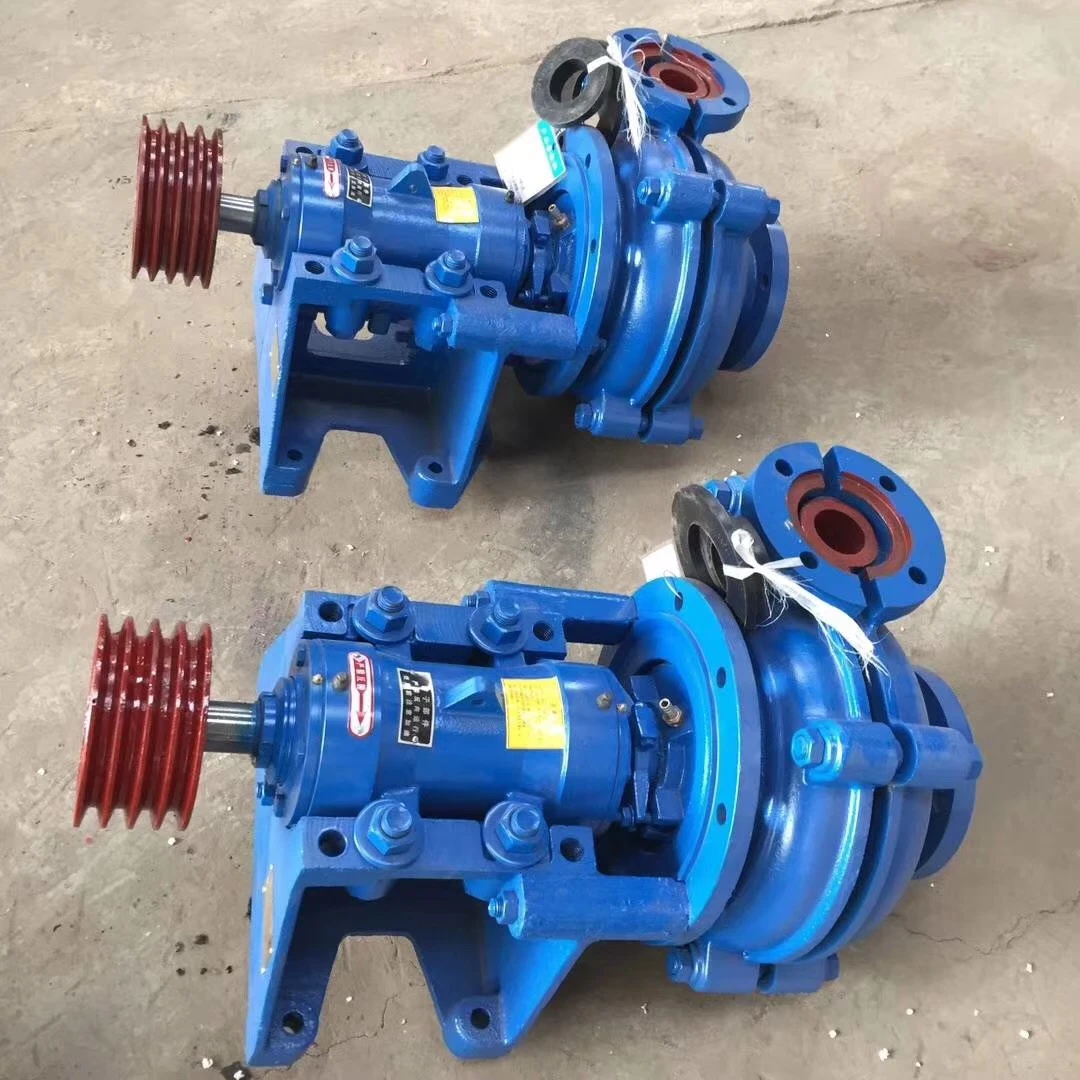
Introduction
Effluent and sump pumps, while both designed to move water, serve distinctly different purposes within fluid management systems. An effluent pump is specifically engineered to handle wastewater – domestic sewage, industrial discharge, or agricultural runoff – typically discharging it to a septic system, drain field, or municipal sewer line. Sump pumps, conversely, are designed to remove accumulated water, primarily groundwater, from basements, crawlspaces, or other low-lying areas, preventing flooding. The crucial difference lies in the nature of the fluid handled: effluent pumps manage heavily contaminated wastewater, necessitating robust materials and sealing systems, while sump pumps typically handle cleaner groundwater. This guide will provide a comprehensive technical overview of both pump types, covering material science, manufacturing processes, performance characteristics, failure modes, and relevant industry standards, providing a detailed understanding for engineers and procurement professionals involved in wastewater management and building infrastructure.
Material Science & Manufacturing
Effluent pumps frequently utilize cast iron housings for their high tensile strength and corrosion resistance, particularly against the aggressive chemicals present in wastewater. Impellers are often constructed from high-grade stainless steel (316SS being common) or engineered polymers like Vortex polymeric materials, selected for their resistance to abrasion and chemical attack. Shafts are typically made from 4140 alloy steel, heat-treated for increased hardness and durability. Seals are a critical component, utilizing silicon carbide or ceramic faces with Viton or EPDM elastomers to ensure a leak-proof barrier against corrosive fluids. Manufacturing involves sand casting for the housing, followed by machining to precise tolerances. Impellers are often investment cast or injection molded. Sump pumps often employ thermoplastic housings (polypropylene or polyethylene) for lower cost and resistance to corrosion from groundwater. Impellers are frequently made of reinforced Noryl or other engineered plastics, designed for efficient water movement with minimal clogging. Manufacturing processes lean heavily on injection molding for both housing and impeller components. Critical parameters in both manufacturing processes include dimensional accuracy, surface finish (to minimize friction and turbulence), and weld integrity (if applicable). The selection of elastomeric materials is also key, requiring specific durometer ratings and chemical compatibility testing.
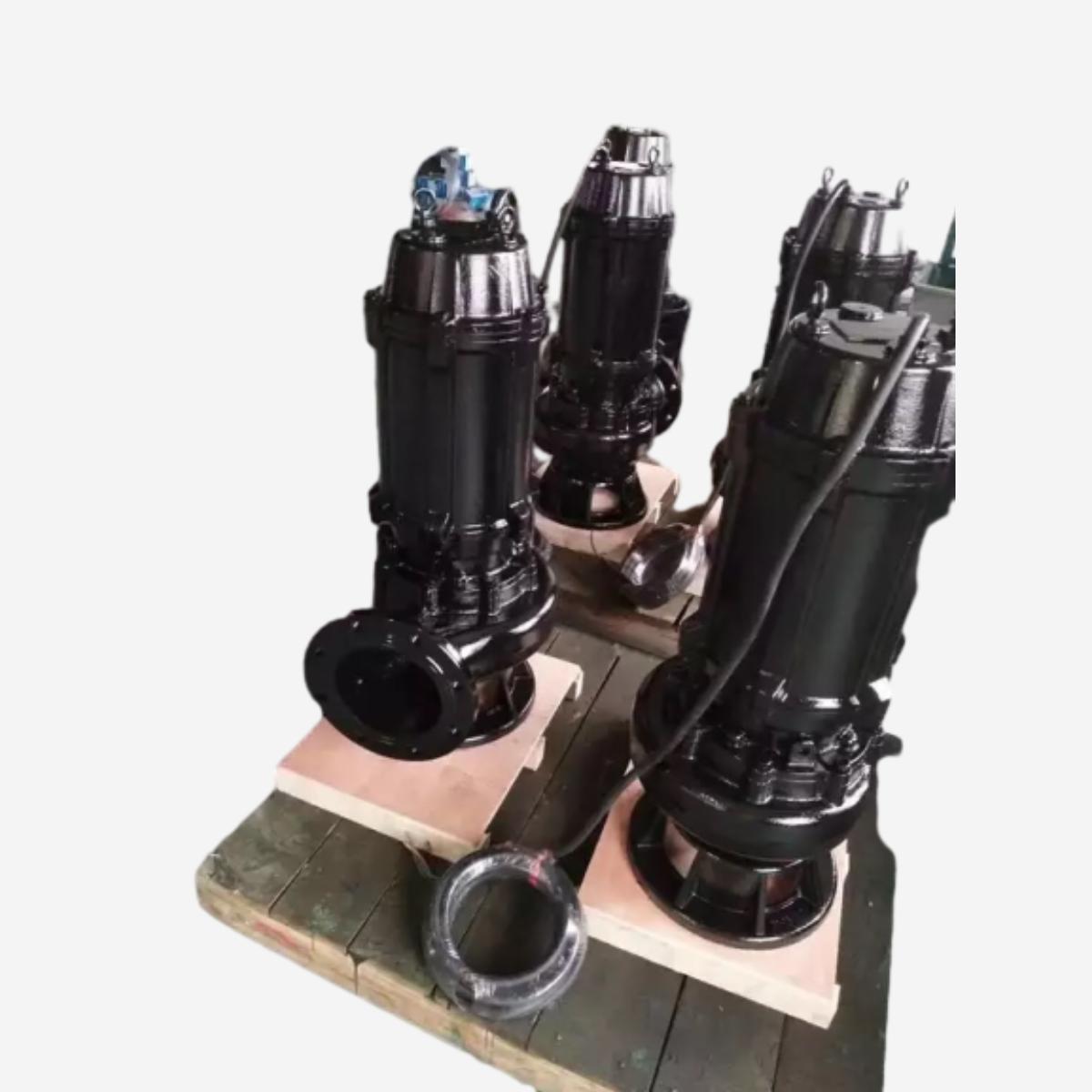
Performance & Engineering
The performance of both pump types is dictated by several key engineering principles. Effluent pumps must overcome static head (the vertical distance the fluid is lifted) and dynamic head (friction losses within the piping system). Pump curves, generated through hydraulic testing, illustrate the relationship between flow rate and head. Motor selection is crucial, often utilizing totally enclosed fan-cooled (TEFC) motors to protect against moisture. Effluent pumps are frequently designed with solids handling capabilities, featuring vortex impellers or recessed impellers to prevent clogging from rags, debris, or other solids. Sump pumps operate under similar principles but generally handle cleaner water and lower solids content. Float switches are commonly employed in sump pumps to automatically activate and deactivate the pump based on water level. The pump’s capacity (gallons per minute – GPM) and head (feet) must be carefully matched to the anticipated inflow rate and discharge elevation. Environmental resistance is also a critical consideration; pumps operating outdoors require robust weatherproofing and corrosion protection. Compliance with local regulations regarding discharge quality is paramount for effluent pumps, necessitating consideration of pump efficiency and potential for leakage. Force analysis focuses on impeller stress, shaft bending moments, and housing pressure to ensure structural integrity under operating conditions.
Technical Specifications
| Parameter | Effluent Pump (Typical) | Sump Pump (Typical) | Units |
|---|---|---|---|
| Flow Rate | 50-200 | 25-100 | GPM |
| Total Head | 10-50 | 5-30 | Feet |
| Solids Handling | Up to 2 inches | Up to 1/2 inch | Inches |
| Motor Horsepower | 1-5 | 1/3 – 1 | HP |
| Voltage | 120/240/480 | 120 | Volts |
| Housing Material | Cast Iron/Stainless Steel | Thermoplastic | - |
Failure Mode & Maintenance
Effluent pumps are susceptible to failure due to impeller clogging, bearing wear, seal failure, and motor burnout. Clogging is often caused by fibrous materials or excessive solids. Bearing wear results from lubrication failure or abrasive particles in the fluid. Seal failure leads to leakage and potential motor damage. Motor burnout occurs due to overheating or voltage fluctuations. Sump pumps commonly fail due to float switch malfunction, impeller blockage, motor failure, and check valve failure. Float switch malfunction prevents automatic operation. Impeller blockage reduces pump capacity. Motor failure can be caused by overheating or electrical issues. Check valve failure allows backflow, reducing pumping efficiency. Preventative maintenance for both pump types includes regular inspection for leaks, checking impeller for blockage, lubricating bearings, verifying float switch operation, and monitoring motor temperature and voltage. Failure analysis should focus on identifying the root cause of the failure; for example, examining the impeller for wear patterns or analyzing the fluid for excessive solids content. Replacement of worn seals, bearings, and impellers is often necessary. Periodic testing of the pump’s performance curve can identify declining efficiency and potential issues.
Industry FAQ
Q: What is the primary difference in impeller design between effluent and sump pumps and why?
A: Effluent pumps often employ vortex or recessed impellers. This design creates a swirling action that allows solids to pass through the pump without causing clogging or damage. Sump pumps typically use radial impellers, which are more efficient at moving clean water but are more susceptible to clogging from solids.
Q: How does the choice of seal material impact the longevity of an effluent pump?
A: The seal is critical in effluent pumps due to the corrosive nature of the wastewater. Silicon carbide and ceramic seals paired with elastomers like Viton or EPDM offer superior resistance to chemical attack and abrasion compared to standard rubber seals. Selecting the appropriate seal material based on the specific chemical composition of the effluent is vital for long-term reliability.
Q: What are the key considerations when sizing a sump pump for a residential application?
A: Sizing requires calculating the anticipated inflow rate (based on rainfall data and soil permeability) and the vertical distance the water needs to be lifted (static head). The pump's capacity (GPM) should exceed the inflow rate to effectively prevent flooding. Consideration should also be given to the discharge pipe diameter to minimize friction losses.
Q: How can I mitigate the risk of impeller clogging in an effluent pump system?
A: Installing a pre-filter or strainer upstream of the pump can remove larger solids. Regularly inspecting and cleaning the wet well to remove accumulated debris is also crucial. Consider a pump with a robust solids handling impeller design.
Q: What are the typical power requirements and control options for larger-scale effluent pump stations?
A: Larger effluent pump stations typically utilize three-phase power (480V) and require variable frequency drives (VFDs) for precise flow control and energy optimization. Programmable logic controllers (PLCs) are commonly used for automated operation, monitoring, and alarm functions.
Conclusion
The selection between an effluent and sump pump hinges on the specific application and the nature of the fluid being handled. Effluent pumps are engineered for the harsh realities of wastewater management, prioritizing chemical resistance and solids handling capabilities, while sump pumps focus on efficient groundwater removal in cleaner environments. Understanding the nuanced material science, manufacturing processes, and performance characteristics of each pump type is critical for ensuring long-term reliability and operational efficiency.
Ongoing maintenance, including regular inspections, seal replacement, and performance monitoring, is paramount for preventing failures and maximizing the lifespan of both effluent and sump pump systems. Furthermore, adherence to relevant industry standards and compliance regulations is essential for responsible environmental stewardship and operational safety. Future advancements in pump technology will likely focus on increased energy efficiency, smart monitoring capabilities, and improved solids handling performance.
-
Effluent vs Sump Pump Performance Analysis
News2026-05-22
-
effluent septic pump Performance Engineering
News2026-05-22
-
best sewer pumps Performance Engineering
News2026-05-22
-
best sewer pump Performance Analysis
News2026-05-22
-
best sewage pumps Performance Engineering
News2026-05-22
-
basement bathroom sewage pump Material Science Manufacturing
News2026-05-21
-
wastewater treatment plant pumps Material Science Manufacturing
News2026-05-21
-
waste water pump for basement Material Science Manufacturing
News2026-05-21
-
sump pump sewage Performance Analysis
News2026-05-21
-
sump pump for sewage Material Science and Manufacturing
News2026-05-21
-
sump pump for septic systems Material Science Manufacturing
News2026-05-20
-
sump pump and ejector pump Material Science Manufacturing
News2026-05-20
-
sewage treatment plant pumps Performance Analysis
News2026-05-20
-
sewage tank pump Material Science and Manufacturing
News2026-05-20
-
sewage pump for septic tank Performance Analysis
News2026-05-20




