English
- Afrikaans
- Albanian
- Amharic
- Arabic
- Armenian
- Azerbaijani
- Basque
- Belarusian
- Bengali
- Bosnian
- Bulgarian
- Catalan
- Cebuano
- Corsican
- Croatian
- Czech
- Danish
- Dutch
- English
- Esperanto
- Estonian
- Finnish
- French
- Frisian
- Galician
- Georgian
- German
- Greek
- Gujarati
- Haitian Creole
- hausa
- hawaiian
- Hebrew
- Hindi
- Miao
- Hungarian
- Icelandic
- igbo
- Indonesian
- irish
- Italian
- Japanese
- Javanese
- Kannada
- kazakh
- Khmer
- Rwandese
- Korean
- Kurdish
- Kyrgyz
- Lao
- Latin
- Latvian
- Lithuanian
- Luxembourgish
- Macedonian
- Malgashi
- Malay
- Malayalam
- Maltese
- Maori
- Marathi
- Mongolian
- Myanmar
- Nepali
- Norwegian
- Norwegian
- Occitan
- Pashto
- Persian
- Polish
- Portuguese
- Punjabi
- Romanian
- Russian
- Samoan
- Scottish Gaelic
- Serbian
- Sesotho
- Shona
- Sindhi
- Sinhala
- Slovak
- Slovenian
- Somali
- Spanish
- Sundanese
- Swahili
- Swedish
- Tagalog
- Tajik
- Tamil
- Tatar
- Telugu
- Thai
- Turkish
- Turkmen
- Ukrainian
- Urdu
- Uighur
- Uzbek
- Vietnamese
- Welsh
- Bantu
- Yiddish
- Yoruba
- Zulu

Telephone: +86 13120555503
Email: frank@cypump.com


Apr . 01, 2024 17:55 Back to list
effluent sump pump Performance Analysis
Introduction
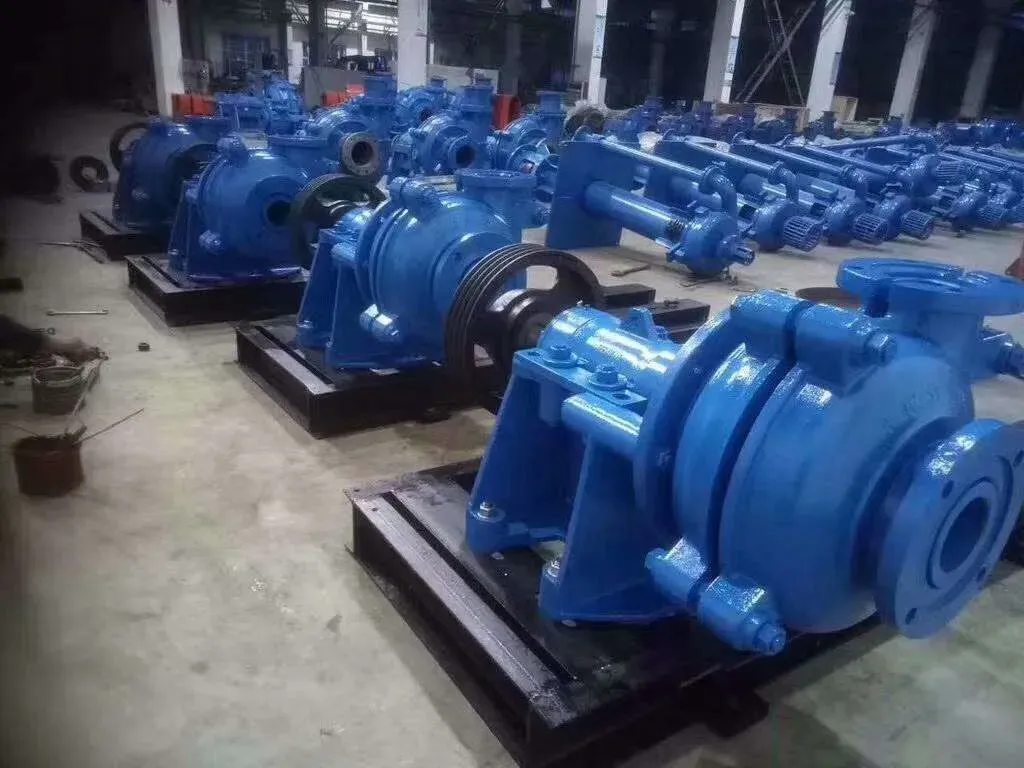
Effluent sump pumps are critical components in wastewater management systems, designed for the removal of liquids containing solids from residential, commercial, and industrial sources. Positioned within a sump basin, these pumps facilitate the transfer of effluent – partially treated wastewater – to septic tanks, treatment plants, or designated disposal areas. Their technical position within the wastewater treatment chain is pre-treatment; they prevent solids buildup that could compromise downstream processes or cause system failure. Core performance characteristics are defined by flow rate (gallons per minute or liters per second), head (vertical distance the pump can lift the liquid), solids handling capability (maximum particle size), and motor horsepower. A key industry pain point is pump failure due to abrasive solids, leading to costly downtime and potential environmental contamination. Selection focuses on matching pump characteristics to effluent composition and volume, requiring detailed analysis of solids content, chemical compatibility, and potential for clogging.
Material Science & Manufacturing
Effluent sump pump construction typically involves several key materials. Pump housings are commonly manufactured from cast iron (ASTM A48 Class 30) due to its cost-effectiveness, durability, and resistance to corrosion in typical wastewater environments. However, for highly corrosive effluents, stainless steel (304L or 316L) is employed, offering superior chemical resistance but at a higher cost. Impellers, responsible for imparting kinetic energy to the liquid, are frequently constructed from high-strength polymers like polypropylene or engineered thermoplastics, selected for their abrasion resistance and lightweight properties. Shafts are generally made from 4140 alloy steel, heat-treated for enhanced tensile strength and fatigue resistance. Seals, critical for preventing leakage, utilize materials like Viton (fluoroelastomer) or EPDM rubber, chosen for their compatibility with a broad range of chemicals. Manufacturing processes include sand casting for housings, injection molding for impellers and polymeric components, and CNC machining for precision components like shafts. Welding processes (SMAW or GMAW) are used for joining metal parts. Critical parameter control includes ensuring proper heat treatment of steel components to achieve desired hardness and tensile strength, maintaining tight tolerances in impeller geometry to maximize hydraulic efficiency, and rigorously testing seal integrity to prevent leakage. Chemical compatibility is paramount; improper material selection can lead to rapid degradation and pump failure. The choice of elastomers must consider pH levels, presence of sulfides, and other corrosive agents.
Performance & Engineering
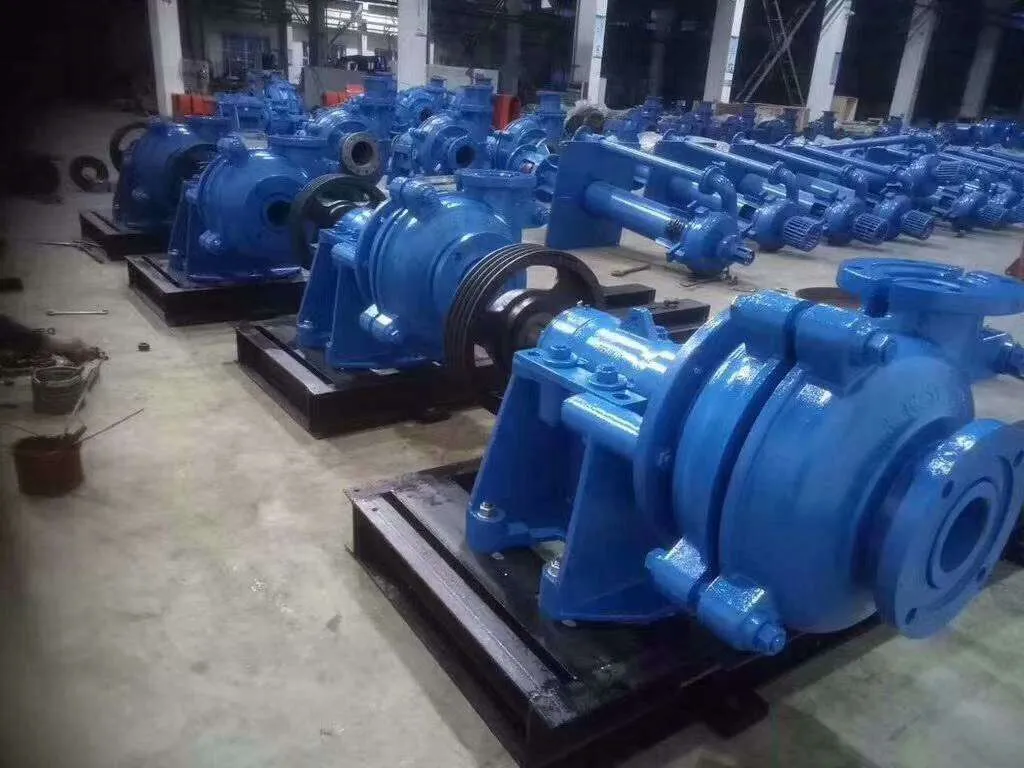
Pump performance is fundamentally governed by hydraulic principles. Force analysis focuses on the radial and axial loads exerted on the impeller and shaft, demanding robust bearing design to prevent premature wear. Environmental resistance is a crucial consideration; pumps must withstand continuous immersion in corrosive wastewater and fluctuating temperatures. Motor enclosures are typically rated to NEMA standards (e.g., NEMA 4X for washdown environments) to protect against moisture and dust ingress. Compliance requirements often include certifications for electrical safety (UL/CSA) and potentially environmental standards related to wastewater discharge. Functional implementation involves careful selection of pump curves to match the system's head-flow requirements. Net Positive Suction Head (NPSH) is a critical parameter; insufficient NPSH can lead to cavitation, damaging the impeller and reducing pump efficiency. Pump selection considers the specific gravity of the effluent; denser fluids require more powerful pumps. Variable Frequency Drives (VFDs) are increasingly employed to optimize pump speed and energy consumption based on demand. Further, appropriate sizing is key to preventing solids buildup. A slow pump speed can result in solids settling within the pump casing, leading to clogging, while an excessive speed can cause shearing of larger solids, impacting pump performance and longevity.
Technical Specifications
| Parameter | Typical Range (Residential) | Typical Range (Commercial) | Typical Range (Industrial) |
|---|---|---|---|
| Flow Rate (GPM) | 20-50 | 50-150 | 150-500+ |
| Head (Feet) | 10-20 | 20-50 | 50-100+ |
| Solids Handling (Inches) | Up to 2 | Up to 3 | Up to 4+ |
| Motor Horsepower (HP) | 1/2 - 1 | 1 - 5 | 5 - 20+ |
| Impeller Material | Polypropylene | Stainless Steel/Polypropylene | Stainless Steel/High-Chromium Iron |
| Housing Material | Cast Iron | Cast Iron/Stainless Steel | Stainless Steel (316L) |
Failure Mode & Maintenance
Effluent sump pump failures are often attributed to several modes. Fatigue cracking in the impeller or housing can occur due to cyclical stress from solids impact. Delamination of polymeric impeller vanes can result from prolonged exposure to abrasive particles and chemical attack. Degradation of seals leads to leakage, potentially damaging the motor and causing electrical hazards. Oxidation and corrosion, particularly in cast iron housings, can weaken the structural integrity of the pump. Clogging is a frequent issue, caused by the accumulation of solids in the impeller or discharge piping, leading to motor overload and eventual failure. Maintenance solutions include regular inspection of seals and bearings, periodic cleaning to remove accumulated solids, and lubrication of moving parts. Preventative maintenance schedules should be established based on pump usage and effluent characteristics. For pumps handling abrasive effluents, consider installing a pre-filter or grit chamber to reduce solids loading. Routine voltage and amperage checks can identify motor issues before they escalate. Bearing replacement is recommended annually or based on wear indicators. In cases of corrosion, protective coatings can be applied to extend the lifespan of cast iron components. Properly grounding the pump is essential for electrical safety.
Industry FAQ
Q: What is the impact of effluent temperature on pump performance and longevity?
A: Elevated effluent temperatures can reduce the viscosity of the fluid, potentially increasing flow rates but also accelerating the degradation of rubber seals and polymeric components. Continuous operation at temperatures exceeding the manufacturer's specifications can significantly reduce pump lifespan. Selecting pumps with temperature-rated seals and considering cooling mechanisms for the motor may be necessary in high-temperature applications.
Q: How do I determine the appropriate pump size for my application?
A: Determining the correct pump size requires a thorough assessment of the system’s head-flow requirements. This involves calculating the total dynamic head (TDH), which includes static lift, friction losses in the piping, and pressure at the discharge point. You also need to accurately estimate the anticipated flow rate based on peak demand. Pump curves should be consulted to select a pump that operates efficiently within the desired operating range.
Q: What are the common causes of pump cavitation and how can it be prevented?
A: Pump cavitation occurs when the absolute pressure at the impeller inlet falls below the vapor pressure of the liquid, forming vapor bubbles that collapse violently, causing damage to the impeller. Common causes include insufficient NPSH, high suction lift, and restrictions in the suction piping. Prevention involves ensuring adequate NPSH, minimizing suction lift, using larger diameter suction piping, and removing any obstructions in the suction line.
Q: What type of motor protection is recommended for effluent sump pumps?
A: Thermal overload protection is essential to prevent motor damage from overheating. Additionally, phase loss protection and single-phasing protection are recommended to safeguard against electrical faults. Consider using a motor controller with adjustable trip settings to customize protection levels based on the application.
Q: How often should I inspect and replace the pump seals?
A: Seal inspection frequency depends on the effluent composition and pump usage. As a general guideline, seals should be inspected at least annually, or more frequently in corrosive or abrasive environments. Signs of wear include leakage, discoloration, or cracking of the seal material. Preventative seal replacement is recommended to avoid unexpected pump failures and potential environmental contamination.
Conclusion
Effluent sump pumps represent a vital, yet often overlooked, component of comprehensive wastewater management. Their reliable operation is contingent upon a meticulous understanding of material science, hydraulic principles, and potential failure modes. Selecting a pump that is appropriately sized, constructed from compatible materials, and protected against common failure mechanisms is paramount to ensuring long-term performance and minimizing lifecycle costs.
Future trends in effluent sump pump technology will likely focus on increased energy efficiency through optimized impeller designs and variable speed drives, as well as the integration of remote monitoring and diagnostic capabilities to facilitate proactive maintenance. Adherence to relevant industry standards and a commitment to preventative maintenance practices will remain essential for maximizing pump lifespan and ensuring compliance with environmental regulations.
-
sump pump for septic systems Material Science Manufacturing
News2026-05-20
-
sump pump and ejector pump Material Science Manufacturing
News2026-05-20
-
sewage treatment plant pumps Performance Analysis
News2026-05-20
-
sewage tank pump Material Science and Manufacturing
News2026-05-20
-
sewage pump for septic tank Performance Analysis
News2026-05-20
-
Sewage Pump and Tank Performance Analysis
News2026-05-19
-
Sewage Ejector Pump Replacement Performance Analysis
News2026-05-19
-
sewage ejector pump for basement bathroom Material Science Manufacturing
News2026-05-19
-
sewage ejection pump Material Science and Manufacturing
News2026-05-19
-
in line sewage pump Performance Analysis
News2026-05-19
-
effluent sump pump Performance Analysis
News2026-05-18
-
best grinder pump for sewage Performance Engineering
News2026-05-18
-
basement waste water pump Performance Engineering
News2026-05-18
-
sump pump sewer Performance Analysis
News2026-05-18
-
sump pump for sewer Performance Analysis
News2026-05-18




