English
- Afrikaans
- Albanian
- Amharic
- Arabic
- Armenian
- Azerbaijani
- Basque
- Belarusian
- Bengali
- Bosnian
- Bulgarian
- Catalan
- Cebuano
- Corsican
- Croatian
- Czech
- Danish
- Dutch
- English
- Esperanto
- Estonian
- Finnish
- French
- Frisian
- Galician
- Georgian
- German
- Greek
- Gujarati
- Haitian Creole
- hausa
- hawaiian
- Hebrew
- Hindi
- Miao
- Hungarian
- Icelandic
- igbo
- Indonesian
- irish
- Italian
- Japanese
- Javanese
- Kannada
- kazakh
- Khmer
- Rwandese
- Korean
- Kurdish
- Kyrgyz
- Lao
- Latin
- Latvian
- Lithuanian
- Luxembourgish
- Macedonian
- Malgashi
- Malay
- Malayalam
- Maltese
- Maori
- Marathi
- Mongolian
- Myanmar
- Nepali
- Norwegian
- Norwegian
- Occitan
- Pashto
- Persian
- Polish
- Portuguese
- Punjabi
- Romanian
- Russian
- Samoan
- Scottish Gaelic
- Serbian
- Sesotho
- Shona
- Sindhi
- Sinhala
- Slovak
- Slovenian
- Somali
- Spanish
- Sundanese
- Swahili
- Swedish
- Tagalog
- Tajik
- Tamil
- Tatar
- Telugu
- Thai
- Turkish
- Turkmen
- Ukrainian
- Urdu
- Uighur
- Uzbek
- Vietnamese
- Welsh
- Bantu
- Yiddish
- Yoruba
- Zulu

Telephone: +86 13120555503
Email: frank@cypump.com


Apr . 01, 2024 17:55 Back to list
Effluent Pumps Performance Analysis
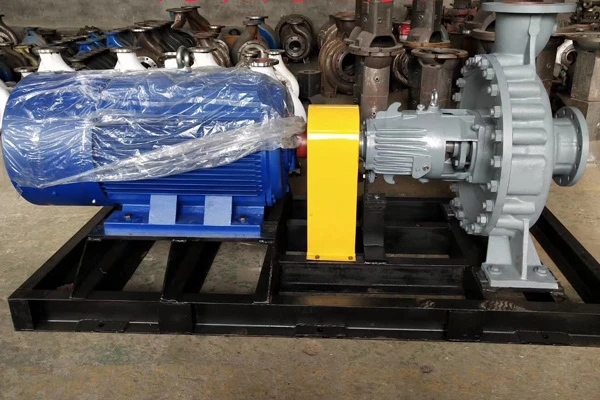
Introduction
Effluent pumps are specialized centrifugal pumps designed for the handling of wastewater, sewage, and other liquids containing solids. Unlike conventional pumps, effluent pumps are engineered to effectively transfer fluids with abrasive particles, fibrous materials, and varying viscosity levels. They are integral to wastewater treatment plants, municipal sewage systems, industrial processing, and agricultural drainage. Their technical position in the industry chain lies between upstream component manufacturers (motors, seals, impellers) and downstream application sectors requiring fluid transfer and management. Core performance characteristics include flow rate (measured in gallons per minute or liters per second), total dynamic head (TDH – the total height a pump can lift fluid), solids handling capability (particle size and concentration), and energy efficiency (reflected in pump hydraulic efficiency and motor efficiency). Selecting the appropriate effluent pump demands careful consideration of the effluent’s chemical composition, solids content, temperature, and the overall system requirements to ensure reliable and long-term operation.
Material Science & Manufacturing
The construction of effluent pumps prioritizes materials resistant to corrosion, abrasion, and degradation from the handled effluent. Impellers and volute casings are commonly manufactured from ductile iron (ASTM A536, Grade 65-45-12) due to its high tensile strength and resistance to cracking. For more aggressive effluents (high acidity or alkalinity, presence of chlorides), stainless steel alloys such as 304L or 316L (ASTM A240) are employed for superior corrosion resistance. Pump shafts are typically constructed from high-strength alloy steel (4140 or 4340) that is heat treated for increased durability. Seals are critical components; mechanical seals using silicon carbide (SiC) faces and elastomers like Viton (fluoroelastomer) or EPDM (ethylene propylene diene monomer) are preferred for their chemical compatibility and wear resistance. Manufacturing processes begin with casting or forging the major components. Impellers are often produced using investment casting for complex geometries and tight tolerances. Welding processes (SMAW, GMAW, GTAW) are crucial for assembling the pump housing, requiring qualified welders and adherence to AWS D1.1 structural welding code. The impeller is dynamically balanced to minimize vibration and ensure smooth operation. Surface coatings, such as epoxy or ceramic linings, are applied to internal surfaces to enhance corrosion and abrasion resistance. Quality control involves non-destructive testing (NDT) methods like liquid penetrant inspection (LPI) and radiographic testing (RT) to detect any internal flaws or surface cracks.
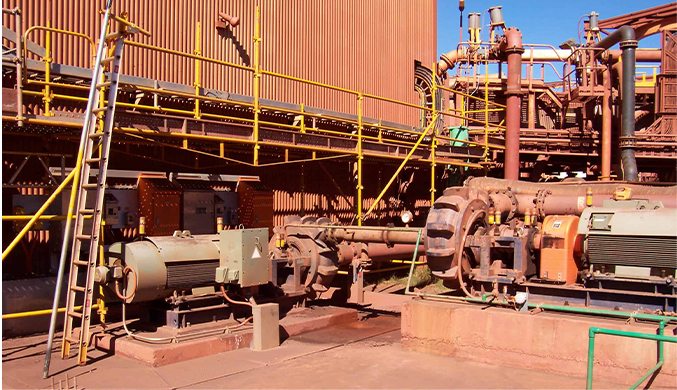
Performance & Engineering
Effluent pump performance is governed by principles of fluid dynamics and pump affinity laws. The pump’s hydraulic power is directly related to the flow rate and total dynamic head. Force analysis considers both static and dynamic loads, including the weight of the pump, the hydrostatic pressure of the effluent, and the stresses induced by fluid flow and impeller rotation. Environmental resistance is a primary concern, necessitating consideration of ambient temperature, humidity, and potential exposure to UV radiation. Pump housings are often designed with provisions for thermal expansion and contraction. Compliance requirements are dictated by industry regulations, such as those established by the EPA (Environmental Protection Agency) concerning effluent discharge limits and pump energy efficiency standards. Functional implementation involves selecting a pump with a suitable pump curve (a graphical representation of head vs. flow rate) that matches the system’s requirements. Vibration analysis is employed during commissioning to ensure proper alignment and minimize wear on bearings and seals. Pump system design includes considerations for suction and discharge piping, check valves to prevent backflow, and strainers to remove debris before it enters the pump. The Net Positive Suction Head Required (NPSHr) – a critical parameter – must be less than the Net Positive Suction Head Available (NPSHa) to avoid cavitation, a phenomenon that can severely damage the impeller.
Technical Specifications
| Parameter | Unit | Typical Range (Small/Medium Duty) | Typical Range (Large/Heavy Duty) |
|---|---|---|---|
| Flow Rate | GPM (Gallons Per Minute) | 20 – 200 | 500 – 5000 |
| Total Dynamic Head (TDH) | ft (feet) | 10 – 80 | 100 – 300 |
| Solids Handling Capability | inches | Up to 2 | Up to 4 |
| Motor Power | HP (Horsepower) | 0.5 – 5 | 10 – 100 |
| Pump Material (Casing) | - | Ductile Iron (65-45-12) | Stainless Steel (316L) |
| Seal Material | - | Silicon Carbide / Viton | Silicon Carbide / EPDM |
Failure Mode & Maintenance
Effluent pump failures commonly arise from several mechanisms. Cavitation, as previously mentioned, erodes the impeller due to imploding vapor bubbles. Abrasion occurs when solid particles wear away the impeller and volute surfaces. Corrosion, particularly in aggressive effluents, degrades the pump materials. Seal failures are frequent, resulting in leakage and reduced pump efficiency. Bearing failures can occur due to inadequate lubrication, excessive loading, or contamination. Fatigue cracking in the pump housing or impeller can develop over time due to cyclical stress. Regular maintenance is crucial for extending pump lifespan. This includes routine visual inspections for leaks, excessive vibration, or unusual noises. Lubrication of bearings according to manufacturer's recommendations is essential. Seal replacement should be performed proactively based on runtime or observed leakage. Impeller inspection and cleaning to remove accumulated debris are vital. Periodic performance monitoring (flow rate, pressure) can identify potential issues before they escalate. Preventative maintenance programs should include vibration analysis and thermography to detect early signs of bearing or motor failures. When replacing components, it’s critical to use manufacturer-approved parts to ensure compatibility and maintain warranty validity.
Industry FAQ
Q: What is the optimal impeller material for handling effluent containing high concentrations of abrasive silica sand?
A: For effluents with high silica sand concentrations, a high-chrome iron impeller is the optimal choice. High-chrome iron exhibits superior abrasion resistance compared to standard ductile iron or stainless steel, extending the impeller's lifespan in such demanding applications. Consider coatings such as tungsten carbide for even greater wear protection.
Q: How does pump speed affect the solids handling capability of an effluent pump?
A: Lower pump speeds generally improve solids handling capability. Reducing the impeller tip speed allows larger solids to pass through the pump without causing clogging or damage. However, lower speeds also reduce the pump’s flow rate. Therefore, a balance must be struck based on the specific effluent characteristics and system requirements.
Q: What is the significance of NPSHr versus NPSHa, and how do you mitigate cavitation?
A: NPSHr is the minimum suction head required by the pump to prevent cavitation, while NPSHa is the actual suction head available in the system. NPSHa must always be greater than NPSHr by a sufficient margin (typically 2-3 feet). To mitigate cavitation, increase the suction head (e.g., by lowering the pump or raising the liquid level), reduce the flow rate, or use a larger diameter suction pipe.
Q: What are the energy efficiency considerations when selecting an effluent pump?
A: Energy efficiency is crucial for minimizing operating costs. Look for pumps with high hydraulic efficiency ratings and IE3 or IE4 efficiency class motors. Variable Frequency Drives (VFDs) can significantly reduce energy consumption by adjusting the pump speed to match the demand. Proper system design, including minimizing pipe friction losses, is also essential.
Q: What are the typical maintenance intervals for mechanical seals in effluent pump applications?
A: Mechanical seal maintenance intervals vary depending on the effluent composition and pump operating conditions. As a general guideline, seals should be inspected every 6-12 months and replaced proactively every 1-2 years, or sooner if leakage is observed. Maintaining proper lubrication and ensuring clean effluent are key to extending seal life.
Conclusion
Effluent pumps are critical components in wastewater management systems, demanding a robust understanding of material science, fluid dynamics, and industry-specific regulations. Proper pump selection and preventative maintenance are paramount for ensuring reliable operation, minimizing downtime, and achieving optimal energy efficiency. The long-term performance of these pumps is heavily influenced by the chemical and physical properties of the effluent, dictating the necessity for corrosion-resistant materials and appropriate sealing solutions.
Future trends in effluent pump technology include the development of more energy-efficient designs, incorporating advanced monitoring systems for predictive maintenance, and utilizing smart pump controls to optimize performance based on real-time effluent characteristics. Addressing the growing need for sustainable wastewater treatment solutions will drive further innovation in effluent pump technology and materials, leading to more durable, efficient, and environmentally responsible systems.
-
Comprehensive Guide to Waterproof ORings for Optimal Sealing Solutions
News2026-06-09
-
heavy duty submersible pump Performance Analysis
News2026-06-25
-
best submersible pump for septic tank Performance Analysis
News2026-06-25
-
basement sewer ejector pump Performance Analysis
News2026-06-25
-
basement pumps ejector pumps Performance Analysis
News2026-06-25
-
basement lift pump Performance and Engineering
News2026-06-25
-
basement bathroom pump systems Performance Analysis
News2026-06-24
-
basement bathroom ejector pump system Performance Engineering
News2026-06-24
-
2 hp sewage pump Performance Engineering
News2026-06-24
-
1 hp septic pump Performance Engineering
News2026-06-24
-
submersible effluent pump Performance Analysis
News2026-06-24
-
submergable pump Material Science
News2026-06-23
-
sewer injection pump Performance Engineering
News2026-06-23
-
Sewer Ejector Pump System Performance Analysis
News2026-06-23
-
septic tank pump for sale Performance Engineering
News2026-06-23




