English
- Afrikaans
- Albanian
- Amharic
- Arabic
- Armenian
- Azerbaijani
- Basque
- Belarusian
- Bengali
- Bosnian
- Bulgarian
- Catalan
- Cebuano
- Corsican
- Croatian
- Czech
- Danish
- Dutch
- English
- Esperanto
- Estonian
- Finnish
- French
- Frisian
- Galician
- Georgian
- German
- Greek
- Gujarati
- Haitian Creole
- hausa
- hawaiian
- Hebrew
- Hindi
- Miao
- Hungarian
- Icelandic
- igbo
- Indonesian
- irish
- Italian
- Japanese
- Javanese
- Kannada
- kazakh
- Khmer
- Rwandese
- Korean
- Kurdish
- Kyrgyz
- Lao
- Latin
- Latvian
- Lithuanian
- Luxembourgish
- Macedonian
- Malgashi
- Malay
- Malayalam
- Maltese
- Maori
- Marathi
- Mongolian
- Myanmar
- Nepali
- Norwegian
- Norwegian
- Occitan
- Pashto
- Persian
- Polish
- Portuguese
- Punjabi
- Romanian
- Russian
- Samoan
- Scottish Gaelic
- Serbian
- Sesotho
- Shona
- Sindhi
- Sinhala
- Slovak
- Slovenian
- Somali
- Spanish
- Sundanese
- Swahili
- Swedish
- Tagalog
- Tajik
- Tamil
- Tatar
- Telugu
- Thai
- Turkish
- Turkmen
- Ukrainian
- Urdu
- Uighur
- Uzbek
- Vietnamese
- Welsh
- Bantu
- Yiddish
- Yoruba
- Zulu

Telephone: +86 13120555503
Email: frank@cypump.com


Apr . 01, 2024 17:55 Back to list
effluent pumps for septic tanks Material Science Manufacturing
Introduction
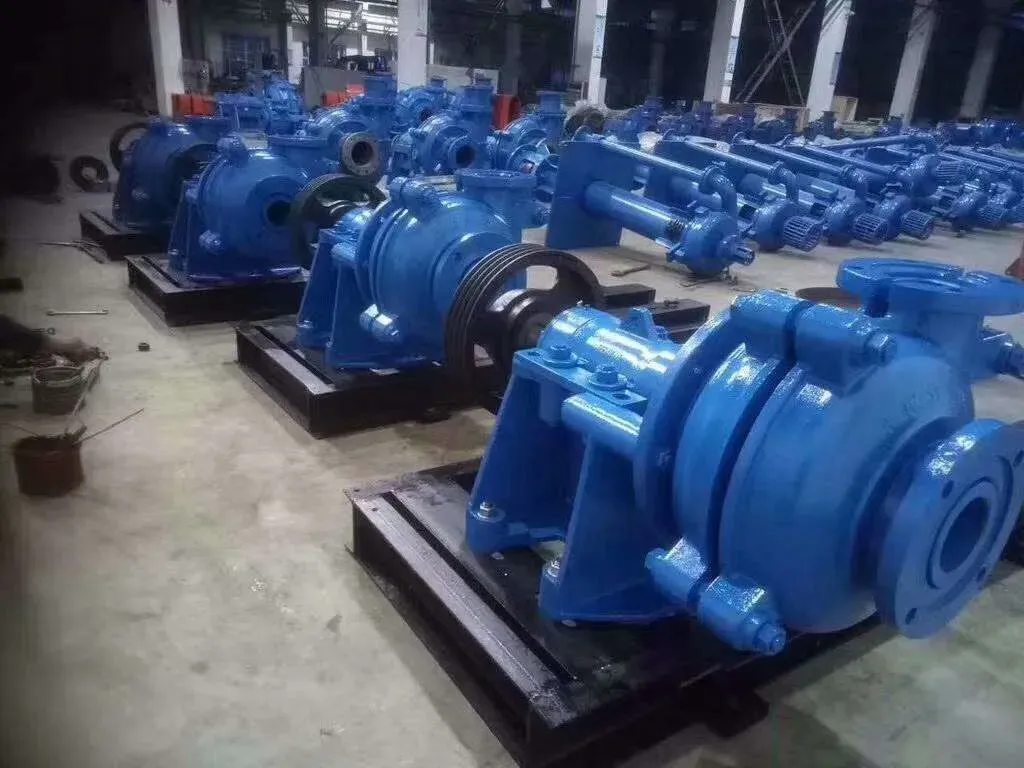
Effluent pumps for septic tanks are specialized submersible pumps designed to transfer partially treated wastewater (effluent) from a septic tank to a subsequent treatment component, typically a leach field or a mound system. Unlike general-purpose pumps, these units are engineered to handle the specific challenges presented by septic tank environments – including solids content, varying flow rates, and potentially corrosive biological byproducts. Their technical position within the wastewater treatment chain is crucial; proper pump selection and operation directly impact the effectiveness of the entire septic system, influencing groundwater quality and regulatory compliance. Core performance characteristics center around reliable solids handling capability, efficient hydraulic performance (head and flow rate), corrosion resistance, and long-term durability in a submerged, often harsh, operational environment. The increasing prevalence of advanced septic systems (AES) and the tightening of environmental regulations have driven demand for more sophisticated and robust effluent pump designs.
Material Science & Manufacturing
The construction of effluent pumps prioritizes materials resistant to the corrosive nature of septic tank effluent. Pump housings are commonly manufactured from engineered thermoplastics, such as polypropylene (PP) or high-density polyethylene (HDPE), offering excellent chemical resistance to hydrogen sulfide, sulfates, and organic acids. Impeller materials typically utilize a combination of stainless steel (304 or 316 grade, with 316 preferred for higher sulfide concentrations) and reinforced polymers. Shafts are generally constructed from stainless steel for corrosion resistance and mechanical strength. Seals are critical components; designs often employ multiple seals – a mechanical seal for primary containment and a lip seal as a backup – fabricated from materials like Viton or EPDM, chosen for their chemical compatibility and resistance to abrasion. Manufacturing processes involve injection molding for thermoplastic components, investment casting or machining for stainless steel parts, and precision assembly to ensure watertight integrity. A key parameter control is the consistency of polymer resin density during injection molding to prevent cracking and ensure impact resistance. Welding of stainless steel components requires strict adherence to AWS D1.1 standards to avoid porosity and ensure structural integrity. Furthermore, the impeller balancing process, typically using dynamic balancing techniques, is crucial to minimize vibration and extend bearing life.
Performance & Engineering
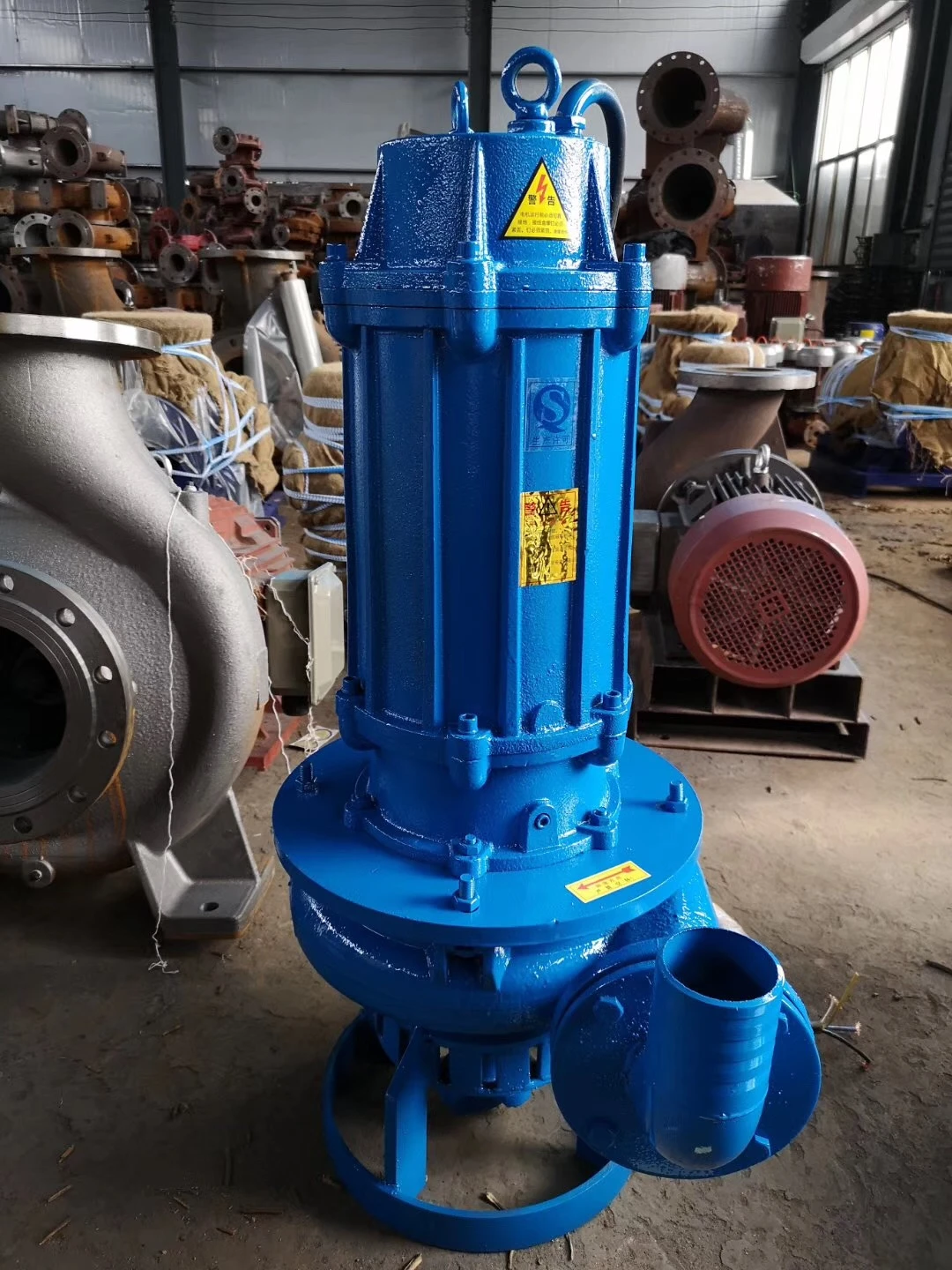
Effluent pump performance is characterized by hydraulic performance curves detailing flow rate versus total dynamic head (TDH). Engineering considerations encompass both hydraulic design and motor selection. Impeller geometry significantly influences pump efficiency and solids handling capability; designs often incorporate non-clog impellers with recessed vanes or grinding mechanisms to process fibrous materials and prevent blockage. Motor selection is typically based on submersible, thermally protected induction motors, sized to deliver the required horsepower (HP) for the anticipated TDH and flow rate. Force analysis focuses on static and dynamic loads imposed on the pump, particularly during start-up and shut-down cycles. Environmental resistance is paramount, necessitating hermetically sealed motors and corrosion-resistant housings. Compliance requirements vary by region but generally include UL/CSA certification for electrical safety and NSF/ANSI Standard 40 for components in contact with potable water (though effluent pumps don't directly handle potable water, the standard's material requirements often serve as a benchmark). A critical engineering challenge is minimizing the risk of pump cavitation, which can occur when the net positive suction head available (NPSHa) is insufficient. This requires careful consideration of pump inlet design and operating conditions.
Technical Specifications
| Model Number | Horsepower (HP) | Maximum Head (ft) | Maximum Flow Rate (GPM) |
|---|---|---|---|
| EP-100 | 1/3 | 30 | 60 |
| EP-250 | 1/2 | 45 | 85 |
| EP-400 | 3/4 | 60 | 120 |
| EP-600 | 1 | 80 | 150 |
| EP-800 | 1.5 | 100 | 200 |
| EP-1000 | 2 | 120 | 250 |
Failure Mode & Maintenance
Common failure modes for effluent pumps include impeller blockage due to debris, motor burnout from overheating or electrical faults, seal failure leading to water ingress, and bearing wear. Fatigue cracking in the pump housing can occur over extended periods, particularly in areas subject to stress concentration. Delamination of thermoplastic components can result from UV exposure or prolonged contact with aggressive chemicals. Degradation of seals is often caused by chemical incompatibility or abrasive particles. Oxidation of stainless steel components is possible, although less frequent with proper alloy selection. Preventative maintenance is crucial. Regular inspection of seals and bearings, flushing the pump to remove accumulated solids, and verifying motor winding insulation resistance are essential. In the event of pump failure, a thorough failure analysis is recommended to identify the root cause and prevent recurrence. Replacing damaged seals, impellers, or motors is standard practice. Routine cleaning of the septic tank to minimize solids buildup reduces the load on the pump and extends its lifespan. Proper electrical grounding and surge protection are critical to prevent motor burnout due to voltage fluctuations.
Industry FAQ
Q: What is the impact of effluent temperature on pump performance?
A: Elevated effluent temperatures, common in warmer climates or during peak usage, can reduce the viscosity of the fluid and potentially increase flow rates. However, excessively high temperatures can also reduce the lifespan of seals and motor insulation. Pump selection should consider the maximum expected effluent temperature.
Q: How does the solids content of the effluent affect pump selection?
A: Higher solids content necessitates pumps with non-clog impellers and larger discharge passages. Pump horsepower requirements also increase to overcome the frictional resistance of the solids. Regular pump cleaning and tank maintenance are vital in high-solids applications.
Q: What are the key differences between single-phase and three-phase effluent pumps?
A: Single-phase pumps are more common in residential applications due to their simpler electrical requirements. Three-phase pumps are typically used in commercial or industrial settings, offering higher efficiency and power capabilities but requiring a three-phase power supply.
Q: How often should effluent pump control panels be inspected?
A: Control panels should be inspected at least annually for corrosion, loose connections, and proper operation of float switches and alarm systems. Regular testing of backup power systems (if applicable) is also recommended.
Q: What is the role of a float switch in an effluent pump system?
A: Float switches automatically control the pump's operation based on effluent level. They prevent the pump from running dry (which can damage the motor) and prevent overflow by activating the pump when the effluent level reaches a predetermined point.
Conclusion
Effluent pumps are critical components of modern septic systems, demanding careful consideration of material science, hydraulic engineering, and regulatory compliance. The selection process should prioritize corrosion resistance, solids handling capability, and long-term reliability, given the harsh operational environment. Proactive preventative maintenance, including regular inspections and cleaning, is essential to maximize pump lifespan and ensure the effective operation of the entire wastewater treatment system.
Future trends in effluent pump technology will likely focus on improved energy efficiency, smart control systems with remote monitoring capabilities, and the integration of advanced sensors for predictive maintenance. Addressing the challenges posed by increasingly stringent environmental regulations and the growing demand for sustainable wastewater treatment solutions will drive innovation in this sector. A thorough understanding of these technical aspects is paramount for procurement managers, engineers, and service providers in the wastewater industry.
-
sewage submersible pumps Material Science Manufacturing
News2026-05-16
-
sewage pump for basement toilet Performance Engineering
News2026-05-16
-
Sewage Ejector Pump Systems Performance Analysis
News2026-05-16
-
sewage effluent pump Material Science and Manufacturing
News2026-05-16
-
effluent pumps for septic tanks Material Science Manufacturing
News2026-05-16
-
Sewer Line Pump Material Science and Manufacturing
News2026-05-15
-
best sewage pump Performance Analysis
News2026-05-15
-
sewage pump for basement bathroom Performance and Engineering
News2026-05-15
-
submersible sewer pump Material Science and Manufacturing
News2026-05-15
-
septic tank sump pump Performance Analysis
News2026-05-15
-
effluent pump Performance and Engineering
News2026-05-14
-
basement waste pump Performance Analysis
News2026-05-14
-
sewage water pump Material Science and Manufacturing
News2026-05-14
-
Sewage Transfer Pump Performance Analysis
News2026-05-14
-
sewage submersible pump Performance Analysis
News2026-05-14




