English
- Afrikaans
- Albanian
- Amharic
- Arabic
- Armenian
- Azerbaijani
- Basque
- Belarusian
- Bengali
- Bosnian
- Bulgarian
- Catalan
- Cebuano
- Corsican
- Croatian
- Czech
- Danish
- Dutch
- English
- Esperanto
- Estonian
- Finnish
- French
- Frisian
- Galician
- Georgian
- German
- Greek
- Gujarati
- Haitian Creole
- hausa
- hawaiian
- Hebrew
- Hindi
- Miao
- Hungarian
- Icelandic
- igbo
- Indonesian
- irish
- Italian
- Japanese
- Javanese
- Kannada
- kazakh
- Khmer
- Rwandese
- Korean
- Kurdish
- Kyrgyz
- Lao
- Latin
- Latvian
- Lithuanian
- Luxembourgish
- Macedonian
- Malgashi
- Malay
- Malayalam
- Maltese
- Maori
- Marathi
- Mongolian
- Myanmar
- Nepali
- Norwegian
- Norwegian
- Occitan
- Pashto
- Persian
- Polish
- Portuguese
- Punjabi
- Romanian
- Russian
- Samoan
- Scottish Gaelic
- Serbian
- Sesotho
- Shona
- Sindhi
- Sinhala
- Slovak
- Slovenian
- Somali
- Spanish
- Sundanese
- Swahili
- Swedish
- Tagalog
- Tajik
- Tamil
- Tatar
- Telugu
- Thai
- Turkish
- Turkmen
- Ukrainian
- Urdu
- Uighur
- Uzbek
- Vietnamese
- Welsh
- Bantu
- Yiddish
- Yoruba
- Zulu

Telephone: +86 13120555503
Email: frank@cypump.com


Apr . 01, 2024 17:55 Back to list
effluent pump vs sump pump Performance Analysis
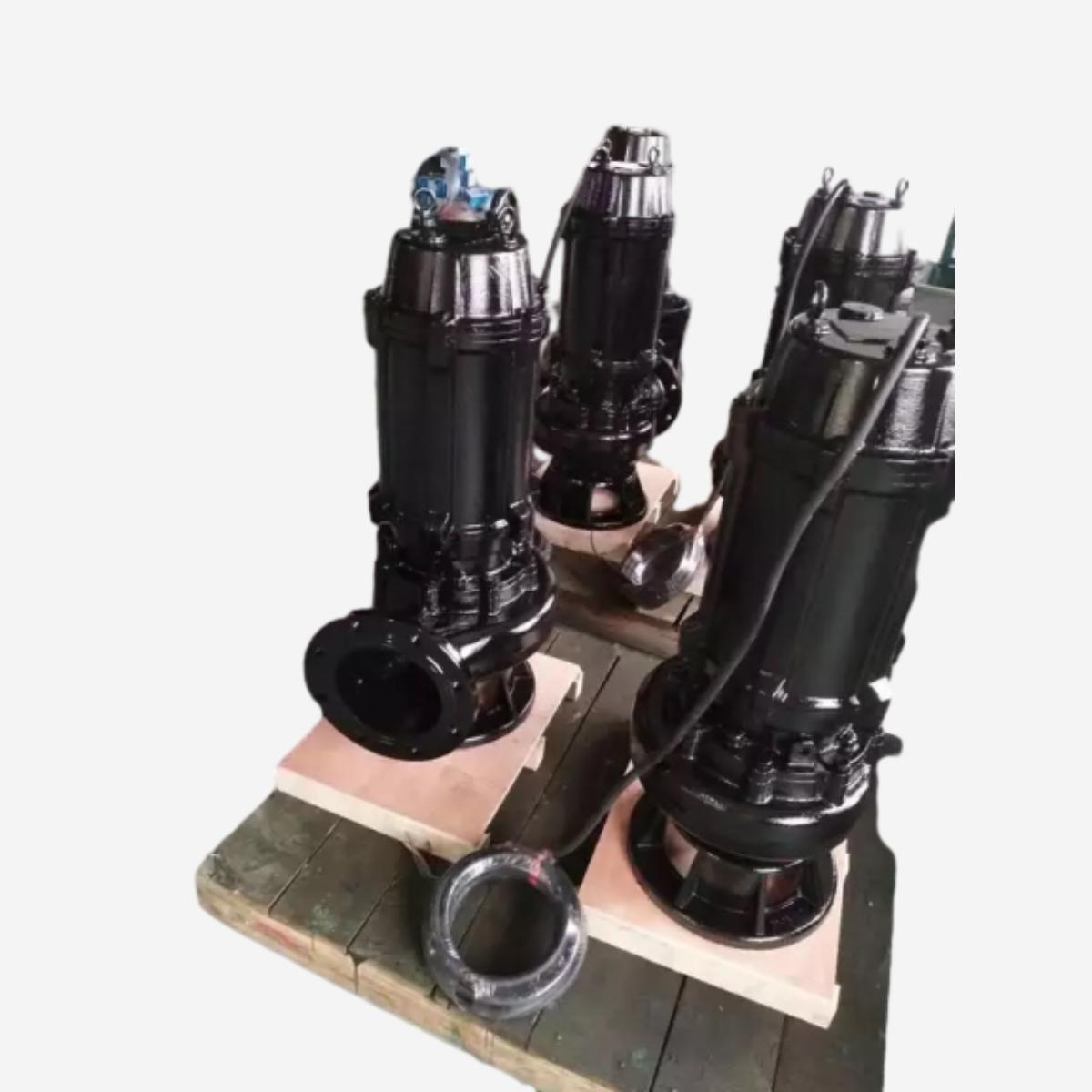
Introduction
Effluent pumps and sump pumps, while both centrifugal pumps designed for fluid transfer, serve distinct purposes within wastewater management and building infrastructure. An effluent pump is specifically engineered to discharge partially treated or untreated wastewater (effluent) from septic systems to drain fields, leach fields, or other designated disposal areas. Sump pumps, conversely, are designed to remove accumulated water, typically groundwater, from basements, crawl spaces, or other low-lying areas within structures. This guide provides a comprehensive technical analysis of both pump types, covering material science, manufacturing processes, performance characteristics, failure modes, and relevant industry standards. The core industry pain point lies in selecting the correct pump for the application, as misapplication can lead to system failure, environmental contamination, and significant economic losses. Proper selection necessitates a deep understanding of the fluid characteristics, head requirements, and operational environment of each system.
Material Science & Manufacturing
Effluent Pump Materials: Effluent pumps commonly utilize cast iron housings for their robust corrosion resistance against the organic acids and sulfides present in wastewater. Impellers are frequently constructed from stainless steel (316L being preferred for its enhanced chloride resistance) or engineered polymers like polypropylene. Shaft materials typically include stainless steel (410 or 304) with considerations for hardness and wear resistance. Seals are critical components, commonly employing silicon carbide faces with Viton elastomers for chemical compatibility and long-term durability. Manufacturing: Cast iron housings are produced via sand casting, requiring rigorous quality control to minimize porosity and ensure dimensional accuracy. Impellers are often investment cast for complex geometries. Pump assembly involves precision machining of rotating components and stringent leak testing.
Sump Pump Materials: Sump pumps frequently feature thermoplastic housings (polypropylene or polyethylene) for cost-effectiveness and corrosion resistance against groundwater. Impellers are often manufactured from engineered polymers, like Noryl, due to their impact resistance and ability to pass solids. Shafts can be stainless steel or reinforced polymers. Seals often utilize nitrile rubber or EPDM elastomers. Manufacturing: Thermoplastic housings are typically injection molded, demanding precise temperature and pressure control for optimal polymer flow and part integrity. Impellers are also injection molded. Assembly focuses on ensuring watertight seals and efficient motor integration. The presence of solids in the pumped fluid necessitates robust impeller design and a minimized risk of clogging. A critical aspect of sump pump manufacturing is ensuring the float switch mechanism functions reliably to activate and deactivate the pump based on water level.
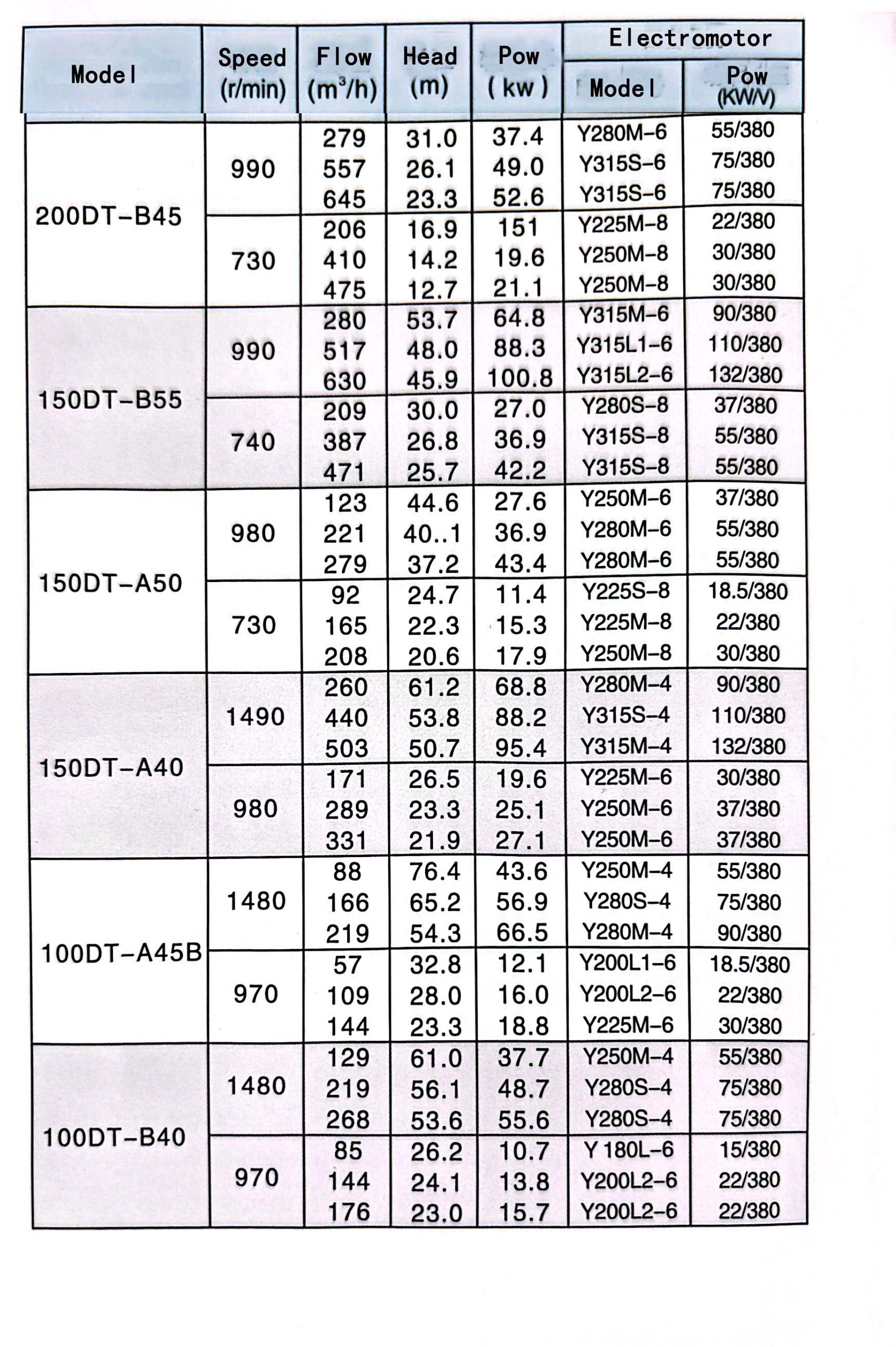
Performance & Engineering
Effluent Pump Performance: Effluent pumps are engineered to operate against a significant static head, which is the vertical distance the effluent must be lifted to reach the drain field. Head curves are crucial for pump selection, defining the pump’s flow rate at various head pressures. Effluent pumps must handle varying fluid viscosities and solid contents. Engineers perform hydraulic simulations to optimize impeller design and minimize energy consumption. The system's hydraulic design must account for friction losses within piping and fittings. The pump’s power consumption is directly related to the flow rate and head pressure.
Sump Pump Performance: Sump pumps operate against a relatively low head compared to effluent pumps. Their primary function is to quickly remove accumulated water before it reaches a critical level. Sump pump performance is characterized by flow rate and shut-off head. Engineers focus on pump efficiency and the ability to handle potential debris without clogging. The pump’s intake screen design is critical for preventing solid particles from entering the pump chamber. Sump pump systems frequently incorporate check valves to prevent backflow when the pump is deactivated. The electrical connection and control system must be properly grounded and protected against moisture ingress to prevent electrical hazards.
Technical Specifications
| Parameter | Effluent Pump (Typical) | Sump Pump (Typical) | Units |
|---|---|---|---|
| Flow Rate | 50-150 | 75-300 | Gallons Per Minute (GPM) |
| Total Dynamic Head | 60-150 | 10-50 | Feet |
| Motor Horsepower | 1/2 - 1.5 | 1/3 - 1 | HP |
| Solids Handling Capability | Up to 2 inches | Up to 1/2 inch | inches |
| Pump Housing Material | Cast Iron | Thermoplastic (Polypropylene/Polyethylene) | - |
| Seal Material | Silicon Carbide/Viton | Nitrile/EPDM | - |
Failure Mode & Maintenance
Effluent Pump Failure Modes: Common failure modes include impeller wear due to abrasive particles, seal failure leading to leakage, motor burnout from overheating or overload, and clogging from excessive solids. Corrosion of cast iron components, particularly in aggressive wastewater environments, is also a significant concern. Maintenance: Regular inspection of seals, impellers, and electrical connections is critical. Periodic flushing of the pump chamber to remove accumulated solids is recommended. Preventative maintenance should include monitoring motor current and temperature to detect potential overheating. Seal replacement is a common maintenance task.
Sump Pump Failure Modes: Sump pumps frequently fail due to float switch malfunction, impeller jamming from debris, motor burnout due to continuous operation (if the float switch fails), and corrosion of electrical components. Clogging can occur if the intake screen is not regularly cleaned. Maintenance: Regular inspection of the float switch and cleaning of the intake screen are essential. Periodic testing of the pump operation is recommended. Ensure the discharge pipe is free from obstructions. Electrical connections should be checked for corrosion and tightness. Consider a battery backup system in case of power outages.
Industry FAQ
Q: What are the key differences in impeller design between effluent and sump pumps, and how do these designs impact their ability to handle solids?
A: Effluent pump impellers are typically designed with larger passages and more robust construction to handle larger solids and abrasive materials commonly found in wastewater. They often feature recessed or vortex impellers to minimize clogging. Sump pump impellers are typically smaller and designed for higher speed, focusing on efficient water removal with less emphasis on large solid handling. Their impeller design prioritizes minimizing turbulence and maximizing flow rate in relatively clean water.
Q: How does the material selection for pump housings affect their longevity in different applications?
A: Cast iron housings, commonly used in effluent pumps, offer excellent corrosion resistance in wastewater environments, but are susceptible to galvanic corrosion if not properly coated. Thermoplastic housings in sump pumps are lightweight and corrosion-resistant to groundwater but may be less durable against impact damage. The chemical composition of the fluid being pumped is the primary driver for housing material selection.
Q: What are the critical considerations for electrical safety when installing and maintaining both pump types?
A: Both pump installations require GFCI (Ground Fault Circuit Interrupter) protection to prevent electrical shock. Wiring must be waterproof and suitable for wet environments. Proper grounding is essential. Regularly inspect wiring for damage and ensure all electrical connections are tight. Adherence to local electrical codes is paramount.
Q: How does the total dynamic head influence the pump selection process for effluent systems?
A: Total dynamic head (TDH) is a critical parameter. It encompasses static lift, friction losses in piping, and any pressure required at the discharge point. A pump must be selected with a performance curve that provides the required flow rate at the calculated TDH. Undersizing the pump will result in inadequate effluent dispersal, while oversizing can lead to inefficient operation and potential damage.
Q: What are the preventative maintenance schedules recommended for each pump type to ensure optimal performance and lifespan?
A: Effluent pumps should undergo annual inspection of seals, impellers, and electrical connections, with seal replacement as needed. Sump pumps require monthly inspection of the float switch and intake screen, with regular cleaning. Both pumps benefit from periodic monitoring of motor current and temperature. Detailed maintenance logs should be maintained.
Conclusion
The selection between an effluent pump and a sump pump hinges on a clear understanding of the specific application requirements. Effluent pumps are purpose-built for the demanding task of wastewater dispersal, prioritizing robust materials, solids handling capabilities, and high head performance. Sump pumps, conversely, focus on efficient water removal from building structures, emphasizing rapid response times and reliable float switch operation. Ignoring the intended application and selecting the incorrect pump type leads to premature failure, costly repairs, and potential environmental hazards.
Moving forward, advancements in pump technology, such as variable frequency drives (VFDs) for energy efficiency and smart monitoring systems for predictive maintenance, will further optimize performance and reduce lifecycle costs. Adopting a holistic approach to pump system design, incorporating proper filtration, surge protection, and regular maintenance, is crucial for maximizing system reliability and minimizing long-term operational expenses. Continuous monitoring of performance data and proactive maintenance scheduling will be key to extending the service life of these critical components.
-
Comprehensive Guide to Waterproof ORings for Optimal Sealing Solutions
News2026-06-09
-
heavy duty submersible pump Performance Analysis
News2026-06-25
-
best submersible pump for septic tank Performance Analysis
News2026-06-25
-
basement sewer ejector pump Performance Analysis
News2026-06-25
-
basement pumps ejector pumps Performance Analysis
News2026-06-25
-
basement lift pump Performance and Engineering
News2026-06-25
-
basement bathroom pump systems Performance Analysis
News2026-06-24
-
basement bathroom ejector pump system Performance Engineering
News2026-06-24
-
2 hp sewage pump Performance Engineering
News2026-06-24
-
1 hp septic pump Performance Engineering
News2026-06-24
-
submersible effluent pump Performance Analysis
News2026-06-24
-
submergable pump Material Science
News2026-06-23
-
sewer injection pump Performance Engineering
News2026-06-23
-
Sewer Ejector Pump System Performance Analysis
News2026-06-23
-
septic tank pump for sale Performance Engineering
News2026-06-23




