English
- Afrikaans
- Albanian
- Amharic
- Arabic
- Armenian
- Azerbaijani
- Basque
- Belarusian
- Bengali
- Bosnian
- Bulgarian
- Catalan
- Cebuano
- Corsican
- Croatian
- Czech
- Danish
- Dutch
- English
- Esperanto
- Estonian
- Finnish
- French
- Frisian
- Galician
- Georgian
- German
- Greek
- Gujarati
- Haitian Creole
- hausa
- hawaiian
- Hebrew
- Hindi
- Miao
- Hungarian
- Icelandic
- igbo
- Indonesian
- irish
- Italian
- Japanese
- Javanese
- Kannada
- kazakh
- Khmer
- Rwandese
- Korean
- Kurdish
- Kyrgyz
- Lao
- Latin
- Latvian
- Lithuanian
- Luxembourgish
- Macedonian
- Malgashi
- Malay
- Malayalam
- Maltese
- Maori
- Marathi
- Mongolian
- Myanmar
- Nepali
- Norwegian
- Norwegian
- Occitan
- Pashto
- Persian
- Polish
- Portuguese
- Punjabi
- Romanian
- Russian
- Samoan
- Scottish Gaelic
- Serbian
- Sesotho
- Shona
- Sindhi
- Sinhala
- Slovak
- Slovenian
- Somali
- Spanish
- Sundanese
- Swahili
- Swedish
- Tagalog
- Tajik
- Tamil
- Tatar
- Telugu
- Thai
- Turkish
- Turkmen
- Ukrainian
- Urdu
- Uighur
- Uzbek
- Vietnamese
- Welsh
- Bantu
- Yiddish
- Yoruba
- Zulu

Telephone: +86 13120555503
Email: frank@cypump.com


Apr . 01, 2024 17:55 Back to list
effluent pump vs sewage pump Performance Analysis
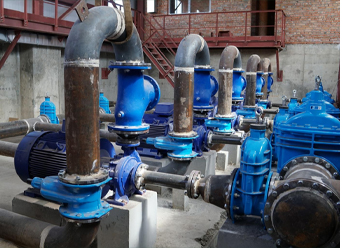
Introduction
Effluent pumps and sewage pumps are both centrifugal pumps designed to move liquids containing solids, but they serve distinct applications and are engineered with different considerations. Effluent pumps, positioned within the broader wastewater management chain, primarily handle partially treated or relatively clean wastewater – often from septic tanks or domestic sources – before discharge to a drain field or further treatment facility. Their design emphasizes efficiency and handling of smaller solids. Sewage pumps, conversely, are designed for raw, untreated sewage, including larger solids, debris, and potentially abrasive materials. These are typically utilized in municipal wastewater collection systems, lift stations, and industrial applications where robust handling of heavily contaminated fluids is essential. The core performance difference stems from impeller design, materials of construction, and the capacity to manage varying solid concentrations and particle sizes. Understanding these distinctions is crucial for optimal system performance, longevity, and regulatory compliance.
Material Science & Manufacturing
Effluent pumps commonly employ impellers constructed from engineered plastics (Polypropylene, PVC) or stainless steel (304, 316). The pump housing frequently utilizes similar materials, prioritizing corrosion resistance against the chemicals present in partially treated wastewater. Manufacturing processes for plastic impellers involve injection molding, focusing on achieving precise hydraulic profiles for optimal efficiency. Stainless steel impellers are typically manufactured via investment casting or machining from solid stock, demanding stringent quality control to ensure dimensional accuracy and surface finish. Sewage pumps, given their exposure to more abrasive and corrosive raw sewage, necessitate significantly more robust materials. Impeller construction favors high-chromium cast iron (e.g., Hi-Chrome) or hardened stainless steel alloys (e.g., 440C) to resist wear and impact damage. Pump housings are generally manufactured from ductile iron with epoxy or polyurethane coatings to provide enhanced corrosion protection. The manufacturing of sewage pump impellers often involves sand casting followed by extensive heat treatment and machining. A critical parameter in both processes is impeller balancing; even slight imbalances can induce vibrations, reducing pump life and increasing energy consumption. Furthermore, shaft seals – typically mechanical seals utilizing silicon carbide or tungsten carbide faces – are critical in preventing leakage and contamination, and their selection hinges on the chemical composition and temperature of the pumped fluid. The welding processes used in pump housing construction are subject to rigorous non-destructive testing (NDT), such as radiographic testing and ultrasonic testing, to detect any subsurface flaws.
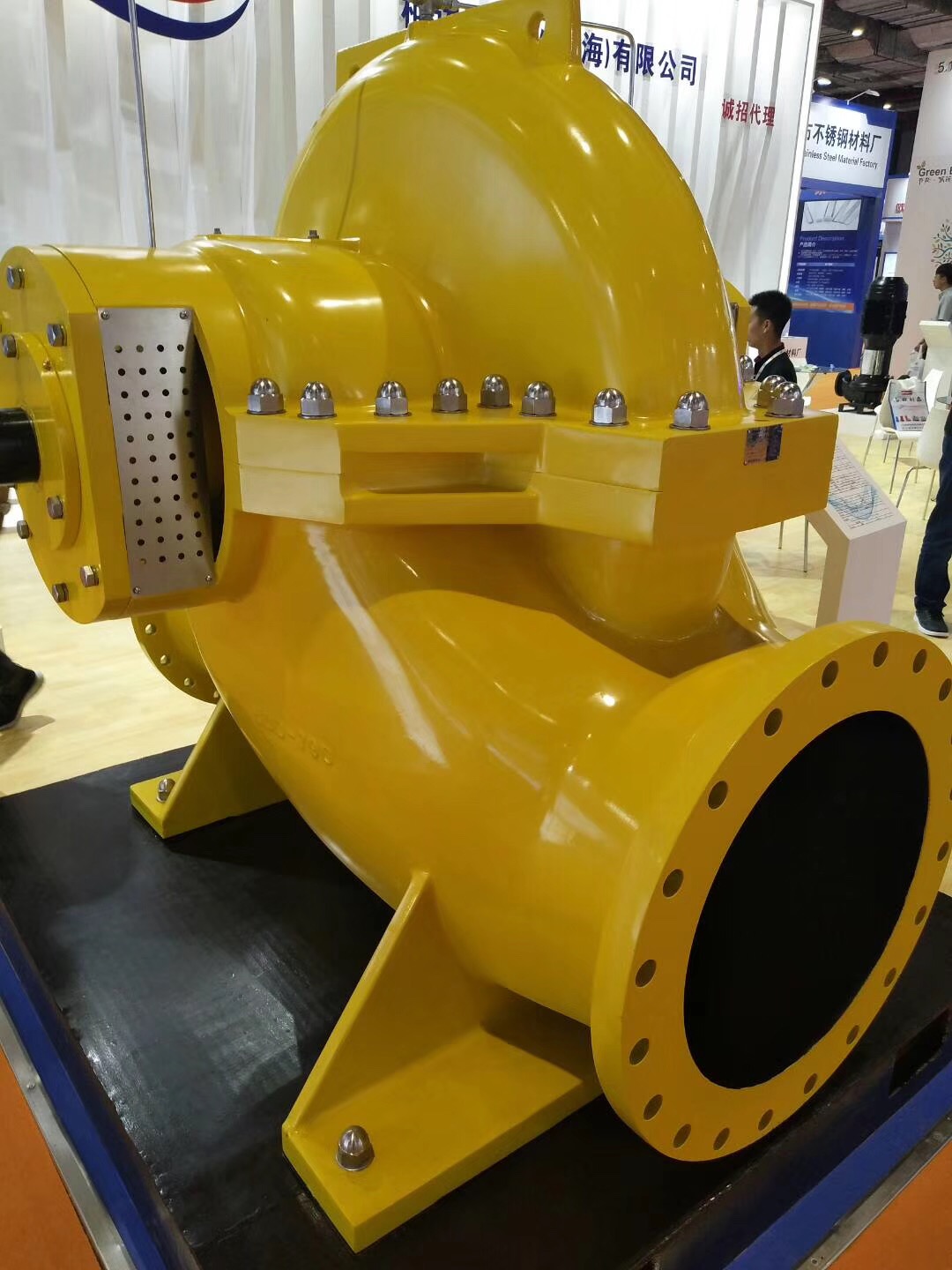
Performance & Engineering
The hydraulic performance of both pump types is governed by fundamental principles of fluid mechanics, but the design priorities differ. Effluent pumps are optimized for higher efficiency at lower flow rates and heads, reflecting the typically less demanding requirements of effluent conveyance. Impeller designs tend to be radial or mixed-flow, minimizing energy consumption. Sewage pumps, however, prioritize solids handling capacity over efficiency. Impeller designs often incorporate recessed or open impeller configurations to prevent clogging and allow for the passage of large solids. Force analysis is critical in both applications; pumps are subjected to dynamic forces from fluid flow, impeller weight, and potential debris impacts. Finite Element Analysis (FEA) is routinely employed to optimize pump housing and impeller designs, minimizing stress concentrations and ensuring structural integrity. Environmental resistance is paramount. Effluent pumps must withstand moderate levels of corrosion from biological activity and cleaning agents. Sewage pumps require more robust resistance to hydrogen sulfide (H2S) corrosion, caused by anaerobic decomposition of organic matter, and must be capable of operating in potentially explosive atmospheres. Compliance with industry standards (detailed in the footer) is also crucial. Lift station designs incorporating sewage pumps must account for hydraulic transient events (water hammer) caused by pump startup and shutdown; surge suppression devices may be required. Proper pump selection also requires a detailed understanding of the Net Positive Suction Head Required (NPSHr) to prevent cavitation, a phenomenon that can severely damage the impeller.
Technical Specifications
| Parameter | Effluent Pump (Typical) | Sewage Pump (Typical) | Units |
|---|---|---|---|
| Maximum Flow Rate | 100-500 | 500-5000 | GPM |
| Maximum Head | 50-150 | 100-300 | Feet |
| Solids Handling Capacity | Up to 0.5 inch | Up to 3 inches | Inch |
| Impeller Material | Plastic/304 SS | Hi-Chrome/440C SS | - |
| Housing Material | Plastic/304 SS | Ductile Iron (Epoxy Coated) | - |
| Motor Horsepower | 0.5-2 | 3-100 | HP |
Failure Mode & Maintenance
Effluent pumps are prone to failure due to impeller wear from abrasive particles, seal failures leading to leakage, and motor burnout from overheating. Failure analysis often reveals the root cause to be insufficient filtration upstream of the pump, allowing excessive solids to enter. Sewage pumps exhibit different failure modes. Clogging is a primary concern, particularly with stringy debris or rags. Impeller damage from large, hard objects is also common. Corrosion, particularly H2S-induced pitting, can weaken pump components over time. Bearing failures are frequently linked to improper lubrication or overloading. Maintenance for effluent pumps involves regular inspection of the impeller for wear, seal replacement on a preventative schedule (typically annually), and motor monitoring for temperature and current draw. Sewage pump maintenance demands more frequent inspection for clogging, impeller wear, and corrosion. Preventive maintenance should include flushing the pump with clean water, greasing bearings, and conducting regular visual inspections for signs of corrosion or damage. Vibration analysis can detect early signs of bearing wear or impeller imbalance. In both cases, proper installation – ensuring adequate suction lift and minimizing pipe strain – is critical to prolonging pump life. Regularly reviewing pump performance curves and comparing them to actual operating conditions can identify deteriorating performance and allow for timely intervention.
Industry FAQ
Q: What are the key considerations when specifying a pump for a septic tank system?
A: The primary considerations are flow rate, total dynamic head (TDH), and solids handling capability. Septic tank effluent typically contains smaller solids than raw sewage, so a standard effluent pump with a 0.5-inch solids handling capacity is often sufficient. However, the TDH calculation must accurately account for elevation changes and pipe friction losses. Selecting a pump with a properly matched motor horsepower is also vital to ensure efficient operation and prevent burnout.
Q: How does H2S corrosion affect sewage pump longevity?
A: Hydrogen sulfide (H2S) is a byproduct of anaerobic decomposition in sewage. It reacts with moisture to form sulfuric acid, which aggressively corrodes metallic components, particularly ductile iron and carbon steel. Epoxy or polyurethane coatings can provide a protective barrier, but regular inspection and maintenance are essential to detect and repair corrosion damage before it compromises pump integrity. Materials selection (high-chromium cast iron, stainless steel) also plays a critical role.
Q: What is NPSHr, and why is it important for pump selection?
A: Net Positive Suction Head Required (NPSHr) is the minimum pressure required at the pump suction to prevent cavitation. Cavitation occurs when the liquid pressure drops below its vapor pressure, forming vapor bubbles that collapse violently, damaging the impeller. The system’s Net Positive Suction Head Available (NPSHa) must always exceed the pump’s NPSHr to ensure reliable operation.
Q: What are the benefits of using a submersible pump versus a surface-mounted pump for sewage applications?
A: Submersible pumps are generally preferred for sewage applications because they are self-priming, require less space, and operate more quietly. Being submerged also provides cooling. Surface-mounted pumps require priming and are more susceptible to cavitation. However, maintenance on submersible pumps can be more complex as they require removal from the wet well.
Q: What type of maintenance schedule should be implemented for a large-scale municipal sewage pumping station?
A: A comprehensive maintenance schedule should include daily visual inspections, weekly pump performance monitoring (flow rate, pressure, current draw), monthly bearing lubrication, quarterly impeller inspections, and annual seal replacements. Vibration analysis should be performed semi-annually to detect early signs of bearing wear. Regular inspection of electrical connections and control systems is also critical.
Conclusion
The selection between an effluent pump and a sewage pump is dictated by the nature of the fluid being handled and the specific requirements of the application. Effluent pumps excel in moving relatively clean wastewater with minimal solids, prioritizing efficiency. Sewage pumps are engineered for the demanding task of handling raw sewage containing large solids and abrasive materials, emphasizing robustness and clog resistance. A thorough understanding of the fluid characteristics, hydraulic requirements, and applicable industry standards is paramount for ensuring optimal pump performance and longevity.
Moving forward, advancements in pump technology, such as variable frequency drives (VFDs) for energy optimization and improved impeller designs for solids handling, will continue to refine the performance of both effluent and sewage pumps. Predictive maintenance strategies, leveraging sensor data and machine learning algorithms, will further enhance reliability and reduce lifecycle costs. Careful consideration of materials science and corrosion prevention will remain critical for extending pump life in aggressive wastewater environments.
-
Comprehensive Guide to Waterproof ORings for Optimal Sealing Solutions
News2026-06-09
-
heavy duty submersible pump Performance Analysis
News2026-06-25
-
best submersible pump for septic tank Performance Analysis
News2026-06-25
-
basement sewer ejector pump Performance Analysis
News2026-06-25
-
basement pumps ejector pumps Performance Analysis
News2026-06-25
-
basement lift pump Performance and Engineering
News2026-06-25
-
basement bathroom pump systems Performance Analysis
News2026-06-24
-
basement bathroom ejector pump system Performance Engineering
News2026-06-24
-
2 hp sewage pump Performance Engineering
News2026-06-24
-
1 hp septic pump Performance Engineering
News2026-06-24
-
submersible effluent pump Performance Analysis
News2026-06-24
-
submergable pump Material Science
News2026-06-23
-
sewer injection pump Performance Engineering
News2026-06-23
-
Sewer Ejector Pump System Performance Analysis
News2026-06-23
-
septic tank pump for sale Performance Engineering
News2026-06-23




