English
- Afrikaans
- Albanian
- Amharic
- Arabic
- Armenian
- Azerbaijani
- Basque
- Belarusian
- Bengali
- Bosnian
- Bulgarian
- Catalan
- Cebuano
- Corsican
- Croatian
- Czech
- Danish
- Dutch
- English
- Esperanto
- Estonian
- Finnish
- French
- Frisian
- Galician
- Georgian
- German
- Greek
- Gujarati
- Haitian Creole
- hausa
- hawaiian
- Hebrew
- Hindi
- Miao
- Hungarian
- Icelandic
- igbo
- Indonesian
- irish
- Italian
- Japanese
- Javanese
- Kannada
- kazakh
- Khmer
- Rwandese
- Korean
- Kurdish
- Kyrgyz
- Lao
- Latin
- Latvian
- Lithuanian
- Luxembourgish
- Macedonian
- Malgashi
- Malay
- Malayalam
- Maltese
- Maori
- Marathi
- Mongolian
- Myanmar
- Nepali
- Norwegian
- Norwegian
- Occitan
- Pashto
- Persian
- Polish
- Portuguese
- Punjabi
- Romanian
- Russian
- Samoan
- Scottish Gaelic
- Serbian
- Sesotho
- Shona
- Sindhi
- Sinhala
- Slovak
- Slovenian
- Somali
- Spanish
- Sundanese
- Swahili
- Swedish
- Tagalog
- Tajik
- Tamil
- Tatar
- Telugu
- Thai
- Turkish
- Turkmen
- Ukrainian
- Urdu
- Uighur
- Uzbek
- Vietnamese
- Welsh
- Bantu
- Yiddish
- Yoruba
- Zulu

Telephone: +86 13120555503
Email: frank@cypump.com


Apr . 01, 2024 17:55 Back to list
Effluent Pump Performance and Engineering
Introduction
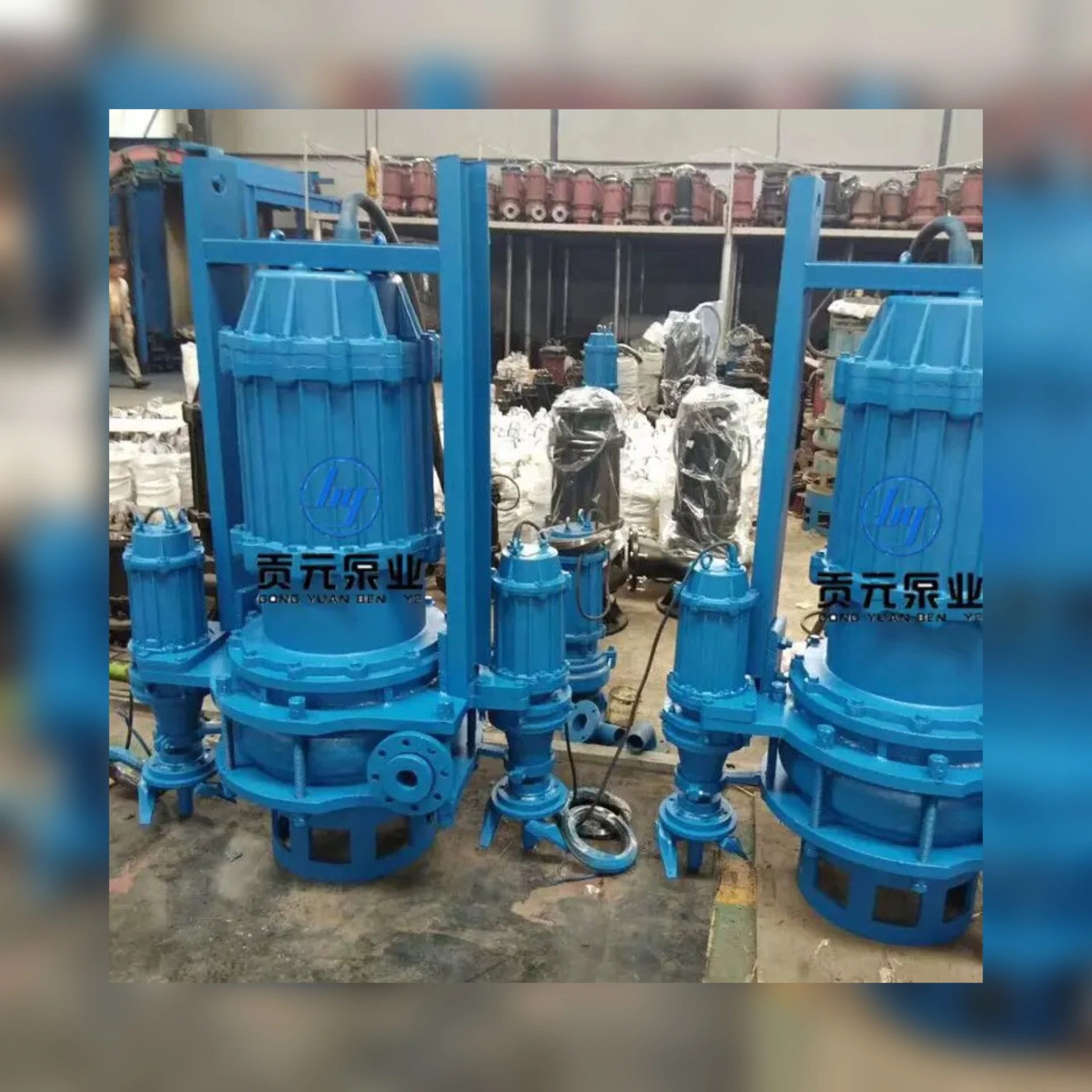
Effluent pumps are specialized centrifugal pumps designed for the handling of wastewater, sewage, and other liquids containing solids. Positioned within the wastewater treatment chain, they are critical for moving effluent from collection points – such as septic tanks, lift stations, and industrial processing facilities – to treatment plants or discharge locations. Unlike standard centrifugal pumps, effluent pumps are engineered to efficiently manage fluids with suspended solids, preventing clogging and ensuring continuous operation. Core performance metrics include flow rate (gallons per minute or liters per second), total dynamic head (TDH – the vertical distance the pump can lift the fluid plus friction losses), and solids handling capacity (measured in diameter of solid particles). Their robust construction and specialized impeller designs differentiate them, making them indispensable in environmental management and industrial hygiene applications. A prevalent industry pain point centers around pump failures due to abrasive solids, leading to costly downtime and maintenance.
Material Science & Manufacturing
The construction of an effluent pump prioritizes durability and corrosion resistance. Pump housings are commonly cast from grey iron (ASTM A48 Class 30) due to its cost-effectiveness and ability to dampen vibration, although ductile iron (ASTM A536-89) is increasingly favored for its superior tensile strength and impact resistance. Impellers are often manufactured from high-chrome cast iron (typically containing 13-28% chromium) to withstand abrasive wear from solids in the effluent. Shafts are generally constructed from 4140 alloy steel, heat-treated to achieve a Rockwell C hardness of 50-58, providing both strength and resistance to torsional stress. Seals critical to preventing leakage are typically made from materials like silicon carbide (SiC) against SiC faces, selected for their exceptional hardness and chemical inertness. Manufacturing processes vary. Housing creation utilizes sand casting, followed by precision machining. Impellers employ investment casting for intricate designs and tight tolerances. Shaft components are manufactured via forging and subsequent machining. Welding processes, primarily shielded metal arc welding (SMAW) or gas tungsten arc welding (GTAW), are used for joining components, requiring stringent quality control to ensure weld integrity and prevent corrosion pathways. Parameter control focuses on maintaining consistent material composition, accurate dimensional tolerances, and proper heat treatment cycles.
Performance & Engineering
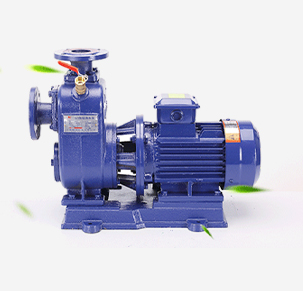
Effluent pump performance is heavily influenced by hydraulic design and motor characteristics. The impeller’s geometry—specifically, the vane angle and impeller diameter—directly affects flow rate and head. Non-clog impeller designs, featuring recessed or open impellers, are paramount for handling solids without interruption. Force analysis considers both static and dynamic loads, including the weight of the pump assembly, fluid pressure, and potential shock loads from solid impacts. Environmental resistance is crucial; pumps must withstand immersion in corrosive fluids and exposure to varying temperatures. Compliance requirements depend on the application. For municipal wastewater treatment, pumps must meet EPA standards for efficiency and discharge limits. Industrial applications may necessitate compliance with OSHA regulations regarding electrical safety and hazardous materials handling. Motor selection typically involves submersible, three-phase AC induction motors, often with Class H insulation to withstand high temperatures. Pump curves, detailing head-capacity relationships at various impeller speeds, are vital for proper system design and ensuring efficient operation. Proper suction lift calculations are also essential to prevent cavitation, a destructive phenomenon caused by vapor formation due to low pressure.
Technical Specifications
| Pump Type | Maximum Flow Rate (GPM) | Maximum Head (ft) | Solids Handling Capacity (in) |
|---|---|---|---|
| Submersible Effluent Pump | 150 | 60 | 2 |
| Grinder Pump | 80 | 50 | 1/2 |
| Diaphragm Effluent Pump | 60 | 40 | 1 |
| Centrifugal Effluent Pump | 200 | 75 | 1.5 |
| Jet Pump (Effluent) | 40 | 100 | 0.5 |
| Screw Pump (Effluent) | 100 | 80 | 3 |
Failure Mode & Maintenance
Effluent pump failures commonly stem from several factors. Fatigue cracking in the impeller or housing can occur due to cyclical loading and stress concentrations. Delamination of protective coatings (epoxy or polyurethane) on pump components accelerates corrosion. Degradation of seals leads to leakage and potential motor damage. Oxidation of metallic components, particularly in corrosive effluents, weakens structural integrity. Abrasive wear from suspended solids erodes impeller vanes and housing surfaces. Clogging, though prevented by design, can still occur with excessively large debris, causing motor overload and potential burnout. Maintenance strategies involve regular inspection of seals and bearings, monitoring motor current for signs of overload, and periodic cleaning to remove accumulated solids. Lubrication of bearings with appropriate grease (typically lithium-based) extends their lifespan. Preventive replacement of wear components, such as impellers and seals, at scheduled intervals minimizes downtime. For submersible pumps, thorough cleaning of the pump intake and discharge ports is vital. Failure analysis, involving visual inspection, metallurgical testing, and fluid analysis, is crucial for identifying root causes and preventing recurrence.
Industry FAQ
Q: What is the primary difference between an effluent pump and a sewage ejector pump?
A: While both handle wastewater, effluent pumps are designed for relatively clear effluent coming from a septic tank or treatment system, handling smaller solids. Sewage ejector pumps, conversely, are used for raw sewage from a basement or low-lying drain, and are built to handle larger solids and often include grinders.
Q: How do I determine the correct pump size (flow rate and head) for my application?
A: Pump sizing requires careful calculation. Flow rate is determined by the volume of effluent needing to be moved per unit time. Head calculation involves adding the static lift (vertical distance) to friction losses in the piping system. Using a pump curve and considering the system’s total dynamic head is essential.
Q: What type of motor protection is typically included in effluent pumps?
A: Most effluent pumps feature thermal overload protection built into the motor winding to prevent overheating. Some also include moisture sensors and alarms to detect water ingress into the motor housing, signaling a potential seal failure. External circuit breakers are also crucial.
Q: What are the common materials used for pump volutes and why?
A: Volutes are commonly made from cast iron (grey or ductile) due to its cost-effectiveness, durability, and ability to withstand internal pressure. Stainless steel (304 or 316) is used in highly corrosive environments, providing superior resistance to chemical attack but at a higher cost.
Q: How can I mitigate the risk of pump clogging?
A: Employing a pump with a non-clog impeller design is the first step. Installing a strainer or screen upstream of the pump can capture larger debris. Regular inspection and cleaning of the pump intake and discharge are also essential preventative measures.
Conclusion
Effluent pumps represent a critical component in modern wastewater management, bridging the gap between waste collection and effective treatment. Their specialized design, focusing on solids handling and corrosion resistance, distinguishes them from conventional pumps. Careful consideration of material selection, manufacturing processes, and performance parameters is essential for ensuring reliable and efficient operation.
The long-term viability of effluent pump systems hinges on proactive maintenance and a thorough understanding of potential failure modes. Implementing preventative maintenance schedules, utilizing appropriate monitoring techniques, and conducting comprehensive failure analysis will minimize downtime and maximize the lifespan of these vital pieces of infrastructure. Future development will likely focus on improved impeller designs, more durable materials, and smart pump technologies incorporating remote monitoring and predictive maintenance capabilities.
-
Comprehensive Guide to Waterproof ORings for Optimal Sealing Solutions
News2026-06-09
-
septic system sump pump Performance Analysis
News2026-06-26
-
septic pump company Performance Analysis
News2026-06-26
-
pumps water treatment Performance Analysis
News2026-06-26
-
pumps for septic tanks Material Science and Manufacturing
News2026-06-26
-
pump for septic system Material Science Manufacturing
News2026-06-26
-
heavy duty submersible pump Performance Analysis
News2026-06-25
-
best submersible pump for septic tank Performance Analysis
News2026-06-25
-
basement sewer ejector pump Performance Analysis
News2026-06-25
-
basement pumps ejector pumps Performance Analysis
News2026-06-25
-
basement lift pump Performance and Engineering
News2026-06-25
-
basement bathroom pump systems Performance Analysis
News2026-06-24
-
basement bathroom ejector pump system Performance Engineering
News2026-06-24
-
2 hp sewage pump Performance Engineering
News2026-06-24
-
1 hp septic pump Performance Engineering
News2026-06-24




