English
- Afrikaans
- Albanian
- Amharic
- Arabic
- Armenian
- Azerbaijani
- Basque
- Belarusian
- Bengali
- Bosnian
- Bulgarian
- Catalan
- Cebuano
- Corsican
- Croatian
- Czech
- Danish
- Dutch
- English
- Esperanto
- Estonian
- Finnish
- French
- Frisian
- Galician
- Georgian
- German
- Greek
- Gujarati
- Haitian Creole
- hausa
- hawaiian
- Hebrew
- Hindi
- Miao
- Hungarian
- Icelandic
- igbo
- Indonesian
- irish
- Italian
- Japanese
- Javanese
- Kannada
- kazakh
- Khmer
- Rwandese
- Korean
- Kurdish
- Kyrgyz
- Lao
- Latin
- Latvian
- Lithuanian
- Luxembourgish
- Macedonian
- Malgashi
- Malay
- Malayalam
- Maltese
- Maori
- Marathi
- Mongolian
- Myanmar
- Nepali
- Norwegian
- Norwegian
- Occitan
- Pashto
- Persian
- Polish
- Portuguese
- Punjabi
- Romanian
- Russian
- Samoan
- Scottish Gaelic
- Serbian
- Sesotho
- Shona
- Sindhi
- Sinhala
- Slovak
- Slovenian
- Somali
- Spanish
- Sundanese
- Swahili
- Swedish
- Tagalog
- Tajik
- Tamil
- Tatar
- Telugu
- Thai
- Turkish
- Turkmen
- Ukrainian
- Urdu
- Uighur
- Uzbek
- Vietnamese
- Welsh
- Bantu
- Yiddish
- Yoruba
- Zulu

Telephone: +86 13120555503
Email: frank@cypump.com


Apr . 01, 2024 17:55 Back to list
effluent pump Performance and Engineering
Introduction
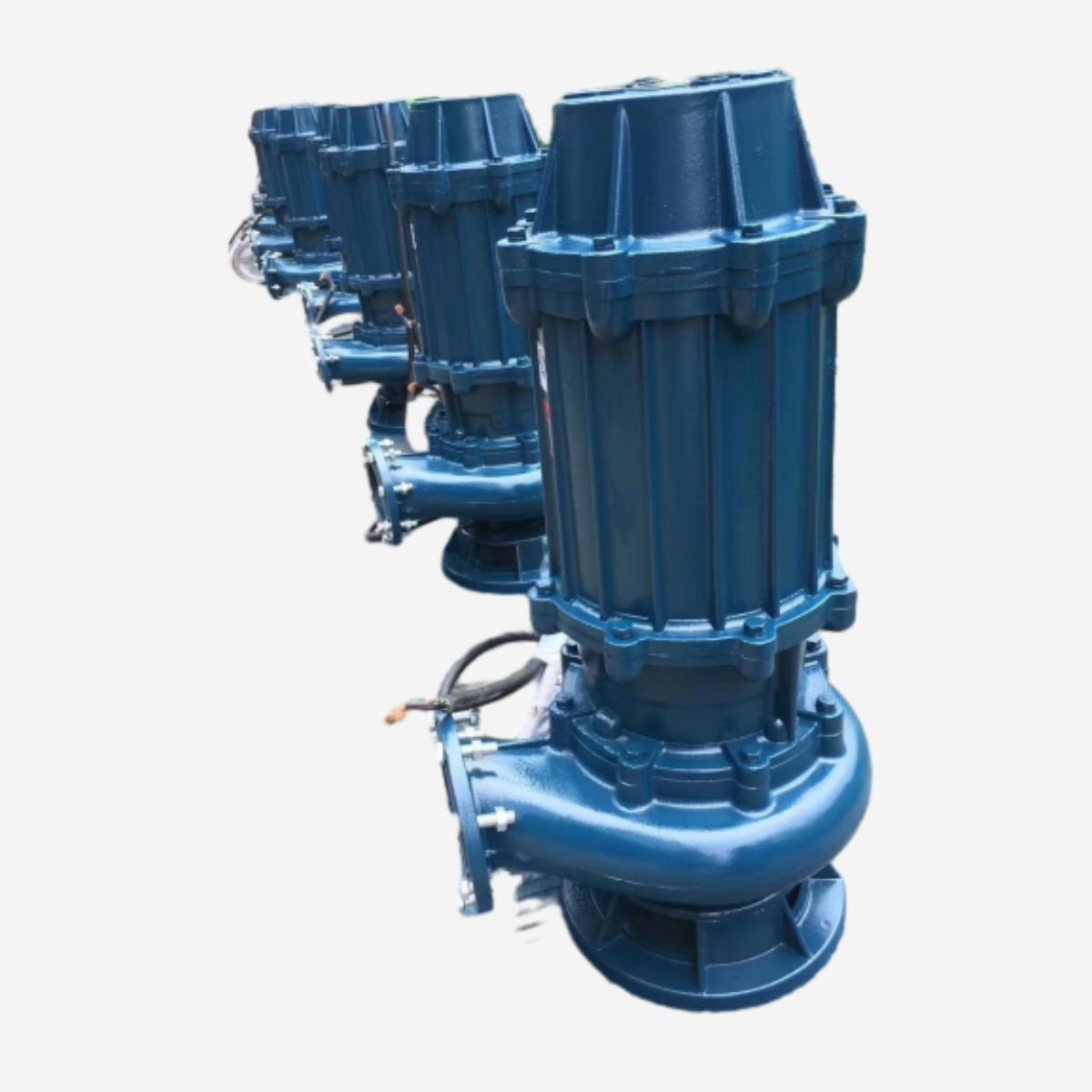
Effluent pumps, also known as wastewater pumps, are engineered to reliably transfer liquids containing solids, often corrosive or abrasive in nature. They occupy a critical position in industrial wastewater treatment, municipal sewage systems, and various process industries like chemical processing, mining, and paper & pulp. Unlike clear liquid pumps, effluent pumps are designed to handle a diverse range of solid particle sizes and concentrations without clogging or suffering premature wear. Their core performance is defined by flow rate (typically in m³/hr or GPM), head (meters or feet), solids handling capability (particle size and concentration), and the materials of construction suited to the effluent's chemical composition. The increasing stringency of environmental regulations regarding wastewater discharge and the demand for efficient water resource management drive the continuous development and refinement of effluent pump technologies. A key industry pain point lies in balancing pumping efficiency with the long-term durability of pump components when exposed to highly corrosive and abrasive effluent streams.
Material Science & Manufacturing
Effluent pump construction relies on materials engineered for resistance to corrosion, abrasion, and erosion. Common materials include cast iron (ASTM A48 Class 30 for housings, often with epoxy or ceramic coatings), stainless steel (304, 316, and duplex stainless steels like 2205 for impellers and shafts), and high-chrome alloys (for applications with extremely abrasive slurries). Polymers like polypropylene (PP) and polyvinyl chloride (PVC) are used in less demanding applications. Manufacturing processes vary depending on component complexity. Pump housings are typically produced via sand casting, followed by machining for dimensional accuracy and surface finish. Impellers, often the most vulnerable component, are manufactured using investment casting or centrifugal casting to achieve complex geometries and minimize porosity. Shafts are forged and precisely machined. Mechanical seals, vital for preventing leakage, involve complex manufacturing processes including spring fabrication, elastomer molding (Viton, EPDM, PTFE), and precision lapping of seal faces. Key parameter control focuses on material composition verification (spectrometry), heat treatment optimization (hardness testing, microstructure analysis), and dimensional inspection (CMM). Welding processes, where applicable, must adhere to standards like AWS D1.1 to ensure weld integrity and prevent corrosion initiation.
Performance & Engineering
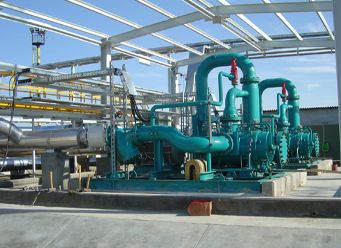
Effluent pump performance is fundamentally governed by fluid dynamics and mechanical engineering principles. Force analysis considers hydraulic forces acting on the impeller, radial and axial thrust loads on the shaft, and the bending moments on the pump housing. Environmental resistance is crucial, particularly concerning temperature extremes, humidity, and chemical exposure. Impeller design is optimized using Computational Fluid Dynamics (CFD) to maximize hydraulic efficiency while minimizing solids buildup and wear. Pump curves, generated through rigorous testing (ISO 9906), define the relationship between flow rate, head, and power consumption. Compliance requirements are stringent, especially regarding energy efficiency standards (e.g., Department of Energy (DOE) pump efficiency regulations in the US) and safety standards (ATEX for potentially explosive environments). Functional implementation involves selecting the appropriate pump type (centrifugal, positive displacement, submersible) based on the specific effluent characteristics (solids content, viscosity, chemical composition) and application requirements. Bearing lubrication and seal integrity are critical for long-term reliability. Consideration must be given to Net Positive Suction Head Required (NPSHr) to prevent cavitation, a major cause of pump damage. Vibration analysis is routinely performed during commissioning and operation to detect potential mechanical issues.
Technical Specifications
| Pump Type | Maximum Flow Rate (m³/hr) | Maximum Head (meters) | Solids Handling Capability (mm) |
|---|---|---|---|
| Centrifugal, Submersible | 50 - 1000 | 5 - 50 | 50 |
| Centrifugal, Surface Mounted | 20 - 500 | 10 - 80 | 25 |
| Positive Displacement (Progressive Cavity) | 5 - 200 | 20 - 100 | 75 |
| Diaphragm Pump | 2 - 50 | 10 - 40 | 30 |
| Vortex Impeller Pump | 30 - 300 | 15 - 60 | 80 |
| Chopper Pump | 40 - 400 | 20 - 70 | 40 |
Failure Mode & Maintenance
Effluent pumps are susceptible to several failure modes. Fatigue cracking in impellers and shafts can occur due to cyclic loading and stress concentration, often exacerbated by corrosion. Delamination of protective coatings (epoxy, ceramic) exposes the underlying metal to corrosive attack. Degradation of elastomer seals leads to leakage and loss of pump efficiency. Oxidation and corrosion of metallic components reduce material strength and promote erosion. Cavitation, resulting from insufficient NPSH, causes pitting and erosion of impeller vanes. Abrasive wear, particularly with slurries, progressively removes material from impeller and casing surfaces. Maintenance solutions include regular visual inspections for leaks, corrosion, and wear; vibration analysis to detect bearing faults or impeller imbalance; lubrication of bearings according to manufacturer’s recommendations; seal replacement based on operational hours or leak detection; and impeller inspection and replacement when significant erosion or cracking is observed. Preventive maintenance schedules should be developed based on pump operating conditions and effluent characteristics. Periodic cleaning to remove debris buildup is also essential. In cases of severe corrosion, material upgrades (e.g., switching to duplex stainless steel) may be necessary. Proper pump alignment and baseplate stability are crucial to minimize vibration and extend bearing life.
Industry FAQ
Q: What is the primary difference between a centrifugal and a positive displacement pump for effluent applications?
A: Centrifugal pumps are best suited for high-flow, low-head applications with relatively clean effluent. They handle solids to a certain extent, but are prone to clogging with larger or stringy materials. Positive displacement pumps (like progressive cavity pumps) excel in low-flow, high-head applications and can handle highly viscous fluids and large solids without clogging. They are often preferred for difficult effluents but are typically more expensive and require more maintenance.
Q: How do I select the appropriate material of construction for a pump handling sulfuric acid-containing effluent?
A: Sulfuric acid is highly corrosive. Standard cast iron is unsuitable. 316 stainless steel offers good resistance, but duplex stainless steels (2205) or high-alloy materials like Alloy 20 provide superior corrosion resistance, particularly at higher acid concentrations and temperatures. Polymer linings (PTFE, PVDF) can also be used, but their temperature and abrasion resistance must be considered.
Q: What is NPSHr and why is it important?
A: Net Positive Suction Head Required (NPSHr) is the minimum pressure required at the pump suction to prevent cavitation. If the available NPSH (NPSHa) is less than the NPSHr, cavitation will occur, leading to impeller damage, noise, and reduced pump performance. Ensuring adequate NPSHa through proper system design (pipe sizing, tank elevation) is crucial.
Q: What are the advantages of a submersible effluent pump?
A: Submersible pumps are fully immersed in the effluent, eliminating the need for priming and reducing noise. They are often used in wet wells and lift stations. They are less susceptible to cavitation because of the static head of liquid above the impeller. However, maintenance can be more challenging as the pump must be removed from the well for service.
Q: How can I extend the life of a pump handling abrasive slurries?
A: Use high-chrome alloys or ceramic coatings for impeller and casing components. Minimize pump speed to reduce erosion rates. Implement a robust filtration system upstream of the pump to remove larger particles. Regularly inspect and replace worn components. Consider using a vortex impeller pump designed for abrasive slurries, as it minimizes contact between the fluid and the impeller.
Conclusion
Effluent pumps are essential components of modern wastewater treatment and industrial process systems. Their selection and application require a thorough understanding of fluid dynamics, material science, and operational constraints. The ongoing challenges of handling increasingly complex and corrosive effluents necessitate continuous innovation in pump design, materials, and monitoring technologies. Optimized pump performance directly translates to reduced energy consumption, minimized downtime, and improved environmental compliance.
Future trends will likely focus on the development of more energy-efficient pump designs, smart pumps with predictive maintenance capabilities (utilizing IoT sensors and data analytics), and pumps constructed from advanced materials with enhanced corrosion and abrasion resistance. The integration of variable frequency drives (VFDs) for precise flow control will become increasingly prevalent. Addressing the fundamental industry pain point of long-term durability in harsh environments remains paramount.
-
Comprehensive Guide to Waterproof ORings for Optimal Sealing Solutions
News2026-06-09
-
Waste Tank Pump Performance Analysis
News2026-06-27
-
Sewer System Pump Out Material Science
News2026-06-27
-
Sewer Ejector Pit Performance Analysis
News2026-06-27
-
septic tank pumps for sale Performance Engineering
News2026-06-27
-
septic system with lift pump Performance Engineering
News2026-06-27
-
septic system sump pump Performance Analysis
News2026-06-26
-
septic pump company Performance Analysis
News2026-06-26
-
pumps water treatment Performance Analysis
News2026-06-26
-
pumps for septic tanks Material Science and Manufacturing
News2026-06-26
-
pump for septic system Material Science Manufacturing
News2026-06-26
-
heavy duty submersible pump Performance Analysis
News2026-06-25
-
best submersible pump for septic tank Performance Analysis
News2026-06-25
-
basement sewer ejector pump Performance Analysis
News2026-06-25
-
basement pumps ejector pumps Performance Analysis
News2026-06-25




