English
- Afrikaans
- Albanian
- Amharic
- Arabic
- Armenian
- Azerbaijani
- Basque
- Belarusian
- Bengali
- Bosnian
- Bulgarian
- Catalan
- Cebuano
- Corsican
- Croatian
- Czech
- Danish
- Dutch
- English
- Esperanto
- Estonian
- Finnish
- French
- Frisian
- Galician
- Georgian
- German
- Greek
- Gujarati
- Haitian Creole
- hausa
- hawaiian
- Hebrew
- Hindi
- Miao
- Hungarian
- Icelandic
- igbo
- Indonesian
- irish
- Italian
- Japanese
- Javanese
- Kannada
- kazakh
- Khmer
- Rwandese
- Korean
- Kurdish
- Kyrgyz
- Lao
- Latin
- Latvian
- Lithuanian
- Luxembourgish
- Macedonian
- Malgashi
- Malay
- Malayalam
- Maltese
- Maori
- Marathi
- Mongolian
- Myanmar
- Nepali
- Norwegian
- Norwegian
- Occitan
- Pashto
- Persian
- Polish
- Portuguese
- Punjabi
- Romanian
- Russian
- Samoan
- Scottish Gaelic
- Serbian
- Sesotho
- Shona
- Sindhi
- Sinhala
- Slovak
- Slovenian
- Somali
- Spanish
- Sundanese
- Swahili
- Swedish
- Tagalog
- Tajik
- Tamil
- Tatar
- Telugu
- Thai
- Turkish
- Turkmen
- Ukrainian
- Urdu
- Uighur
- Uzbek
- Vietnamese
- Welsh
- Bantu
- Yiddish
- Yoruba
- Zulu

Telephone: +86 13120555503
Email: frank@cypump.com


Apr . 01, 2024 17:55 Back to list
Effluent Pump Performance Analysis
Introduction
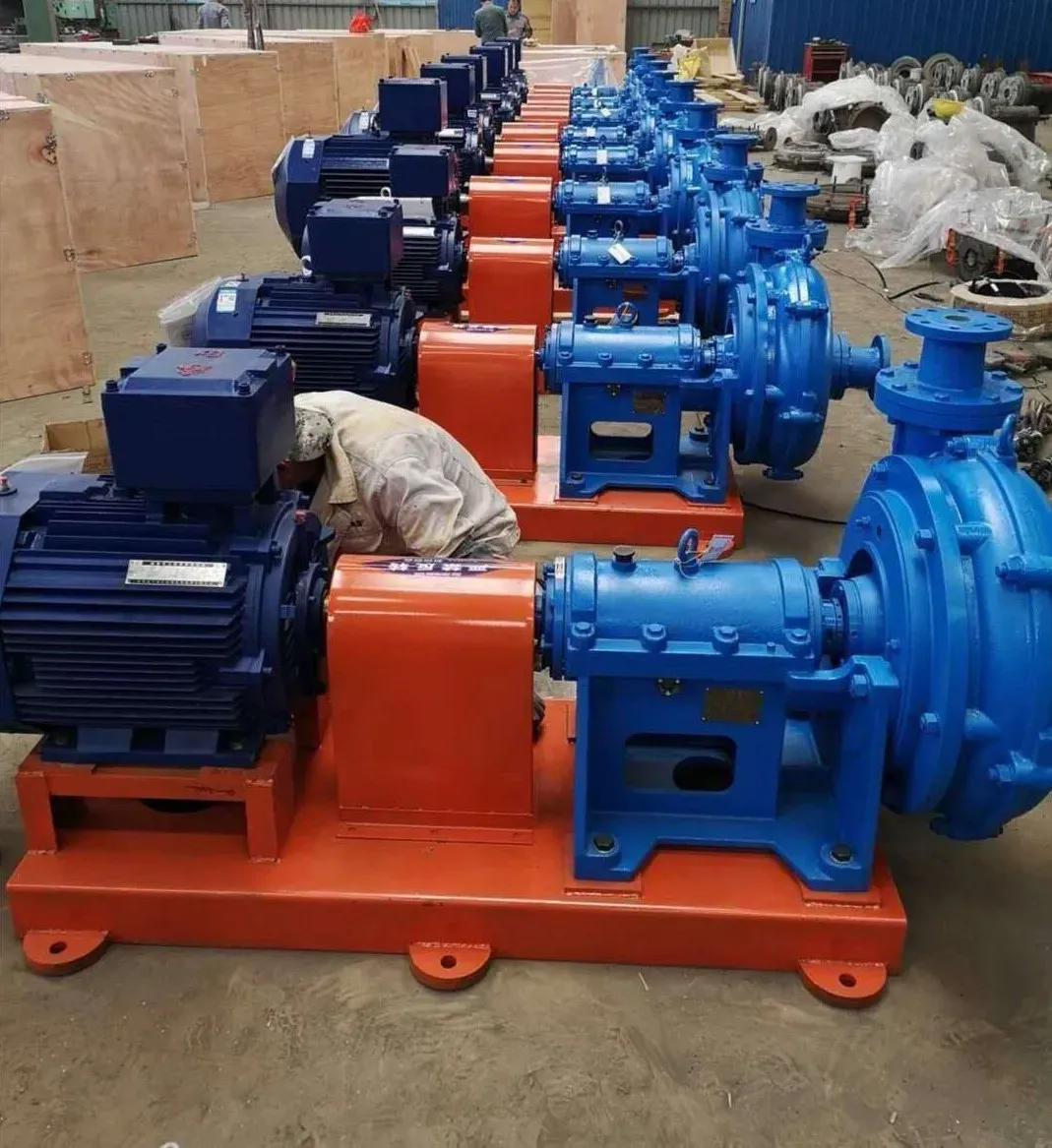
Effluent pumps, also known as sewage pumps or wastewater pumps, are a critical component in the conveyance of liquid waste. Positioned within the industrial water and wastewater treatment chain, they bridge the gap between collection systems – encompassing gravity-fed networks and lift stations – and subsequent treatment processes. These pumps are specifically engineered to handle liquids containing solids, ranging from typical domestic sewage to industrial process water with abrasive or corrosive constituents. Core performance characteristics are defined by flow rate (typically measured in gallons per minute or liters per second), head (the vertical distance the pump can lift the effluent, measured in feet or meters), and solids handling capability (the maximum diameter of solid particles the pump can pass without clogging). A key industry pain point revolves around pump reliability in demanding environments. Factors like abrasive solids, corrosive chemicals, and fluctuating flow rates contribute to premature failure, resulting in costly downtime and maintenance. Selection focuses on materials of construction, impeller design, and motor protection features optimized for the specific effluent composition and operational parameters.
Material Science & Manufacturing
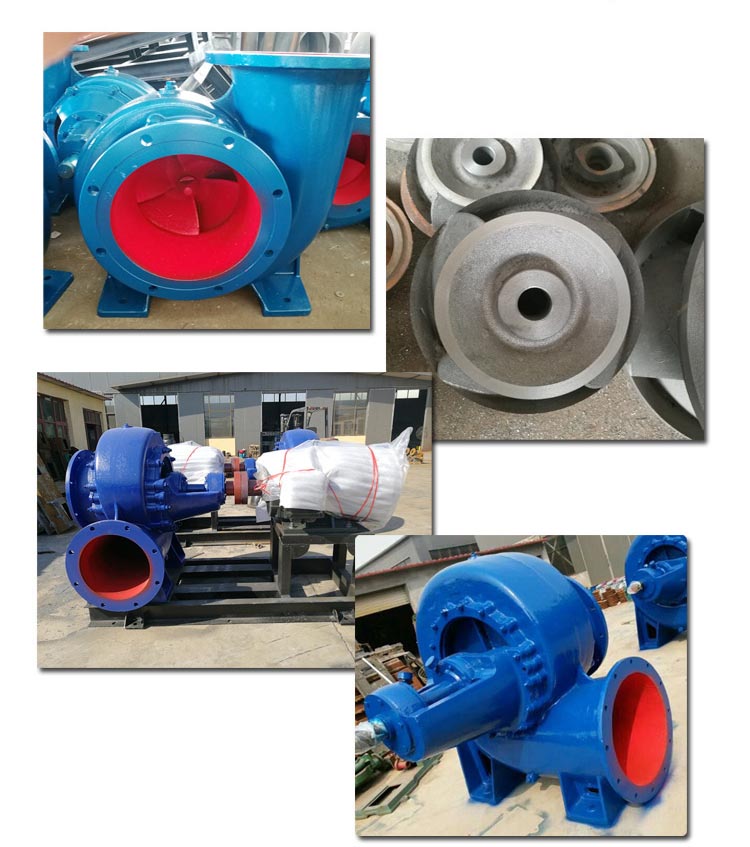
The construction of effluent pumps necessitates a careful selection of materials resistant to corrosion, abrasion, and impact. Pump housings are commonly fabricated from cast iron (ASTM A48 Class 30), ductile iron (ASTM A536-89 65-45-12), or stainless steel (typically 304 or 316, conforming to ASTM A240). Stainless steel is preferred in highly corrosive environments. Impellers, the rotating components responsible for generating flow, often utilize high-chrome cast iron (resistant to abrasive wear) or stainless steel. Shafts are typically constructed from high-strength alloy steel (e.g., 4140, adhering to ASTM A276) and hardened for increased durability. Seals are critical to prevent leakage and are often composed of silicon carbide (SiC) or tungsten carbide (WC) for superior wear resistance. Manufacturing processes vary depending on the component. Pump housings are generally produced via sand casting, followed by machining to precise tolerances. Impellers are often investment cast for complex geometries. Shafts are machined and heat-treated. Key parameter control during manufacturing includes dimensional accuracy of impeller blades (to ensure optimal hydraulic performance), surface finish of the housing (to minimize friction losses), and proper heat treatment of steel components to achieve desired hardness and tensile strength. Welding procedures, where applicable, must adhere to AWS D1.1 standards to ensure structural integrity. Motor enclosures are often constructed from cast aluminum alloy (A356, conforming to ASTM B263) providing corrosion resistance and lightweight characteristics.
Performance & Engineering
Effluent pump performance is fundamentally governed by fluid dynamics and mechanical engineering principles. Force analysis focuses on hydraulic forces exerted on the impeller, radial and axial loads on the shaft, and the structural integrity of the pump housing under pressure. Environmental resistance is paramount; pumps must withstand temperature fluctuations, humidity, and exposure to corrosive chemicals commonly found in effluent. Compliance requirements are stringent, often dictated by local and national regulations. In the United States, pumps must meet EPA standards for energy efficiency. European standards (EN 733) specify performance testing procedures. Functional implementation relies on precise hydraulic design. Impeller geometry (blade angle, number of blades, blade profile) is optimized to maximize hydraulic efficiency and solids handling capability. Volute casing design influences flow velocity and pressure distribution. Motor selection is critical, with considerations given to power requirements, speed, and enclosure type (e.g., totally enclosed fan-cooled – TEFC, to protect against moisture and dust). Pump curves, generated through hydraulic testing (following ISO 9906 standards), are essential for selecting the appropriate pump for a given application. Proper sizing ensures optimal performance, minimizes energy consumption, and prevents premature wear. Vibration analysis (ISO 10816) is employed for preventative maintenance to identify potential mechanical issues before they lead to failure.
Technical Specifications
| Parameter | Typical Range | Units | Testing Standard |
|---|---|---|---|
| Flow Rate | 10 – 500 | GPM (Gallons per Minute) | ANSI/HI 1.1 |
| Total Dynamic Head | 10 – 150 | Feet | ANSI/HI 1.6 |
| Solids Handling Capability | Up to 3 | Inches | Manufacturer’s Specification |
| Motor Power | 0.5 – 100 | HP (Horsepower) | NEMA MG 1 |
| Impeller Material | Cast Iron, Stainless Steel | - | ASTM A532/A240 |
| Housing Material | Cast Iron, Ductile Iron, Stainless Steel | - | ASTM A48/A536/A240 |
Failure Mode & Maintenance
Effluent pump failures commonly stem from several modes. Fatigue cracking in the impeller or housing can occur due to cyclic loading and stress concentration, especially in pumps handling abrasive solids. Delamination of protective coatings (e.g., epoxy linings) can expose the underlying metal to corrosion. Bearing failure, often initiated by inadequate lubrication or contamination, leads to increased vibration and eventual pump shutdown. Seal failure results in leakage and can cause motor damage. Clogging, caused by oversized solids or debris, can overload the motor and potentially damage the impeller. Oxidation and corrosion, particularly in pumps handling aggressive chemicals, degrade the pump’s structural integrity. Preventative maintenance is crucial. Regular inspection of seals, bearings, and impeller for wear is essential. Lubrication schedules must be strictly followed. Backflushing or pigging the suction line helps prevent clogging. Vibration monitoring (using accelerometers and analysis software) can detect early signs of bearing failure or misalignment. Periodic motor insulation testing (using a megohmmeter, following IEEE 43 standards) identifies potential electrical faults. For corroded components, localized repair via welding or replacement may be necessary. Implementing a robust preventative maintenance program significantly extends pump life and reduces overall operational costs.
Industry FAQ
Q: What is the impact of effluent pH on pump material selection?
A: Effluent pH significantly impacts material selection. Highly acidic (low pH) or alkaline (high pH) effluents can accelerate corrosion. For pH levels below 6 or above 8, stainless steel (316) is generally recommended over cast iron or ductile iron. Polymer coatings or specialized alloys may be necessary for extreme pH conditions.
Q: How does impeller design affect solids handling capability?
A: Impeller design directly influences solids handling. Open-impellers are better suited for handling large solids, while closed-impellers offer higher efficiency with cleaner fluids. Impeller vane geometry (shape, angle, and spacing) also impacts solids passage. Recessed impellers are frequently employed in applications with stringy solids to minimize clogging.
Q: What are the key considerations for motor protection in a corrosive environment?
A: Motor protection in corrosive environments requires a totally enclosed fan-cooled (TEFC) enclosure as a minimum. Consideration should be given to using explosion-proof motors in hazardous areas. Surface coatings and corrosion-resistant materials for motor components are also crucial. Regular inspection of motor terminals and wiring for corrosion is essential.
Q: How often should pump seals be replaced as a preventative measure?
A: Seal replacement frequency depends on the effluent characteristics and pump operating conditions. As a general guideline, seals should be inspected annually and replaced every 18-24 months, or sooner if signs of leakage or wear are observed. Using high-quality seals (e.g., silicon carbide) extends service life.
Q: What are the benefits of using variable frequency drives (VFDs) with effluent pumps?
A: VFDs offer significant benefits. They allow for precise flow control, reducing energy consumption by matching pump speed to demand. They also provide soft starting, minimizing stress on the pump and motor. VFDs can protect against pump overload and dry running, extending pump life.
Conclusion
Effluent pumps represent a critical infrastructure element in wastewater management. Their proper selection, operation, and maintenance are essential for ensuring reliable and efficient wastewater conveyance. A thorough understanding of material science, hydraulic principles, and potential failure modes is paramount for optimizing pump performance and minimizing life-cycle costs. The selection process must consider the specific characteristics of the effluent, including pH, solids content, and corrosive properties.
Looking ahead, advancements in pump technology will likely focus on enhanced monitoring capabilities (e.g., predictive maintenance using sensor data), improved impeller designs for increased efficiency and solids handling, and the integration of smart control systems for automated operation. Adherence to relevant industry standards (ANSI/HI, ISO, ASTM) is crucial for ensuring pump quality and safety.
-
Comprehensive Guide to Waterproof ORings for Optimal Sealing Solutions
News2026-06-09
-
heavy duty submersible pump Performance Analysis
News2026-06-25
-
best submersible pump for septic tank Performance Analysis
News2026-06-25
-
basement sewer ejector pump Performance Analysis
News2026-06-25
-
basement pumps ejector pumps Performance Analysis
News2026-06-25
-
basement lift pump Performance and Engineering
News2026-06-25
-
basement bathroom pump systems Performance Analysis
News2026-06-24
-
basement bathroom ejector pump system Performance Engineering
News2026-06-24
-
2 hp sewage pump Performance Engineering
News2026-06-24
-
1 hp septic pump Performance Engineering
News2026-06-24
-
submersible effluent pump Performance Analysis
News2026-06-24
-
submergable pump Material Science
News2026-06-23
-
sewer injection pump Performance Engineering
News2026-06-23
-
Sewer Ejector Pump System Performance Analysis
News2026-06-23
-
septic tank pump for sale Performance Engineering
News2026-06-23




