English
- Afrikaans
- Albanian
- Amharic
- Arabic
- Armenian
- Azerbaijani
- Basque
- Belarusian
- Bengali
- Bosnian
- Bulgarian
- Catalan
- Cebuano
- Corsican
- Croatian
- Czech
- Danish
- Dutch
- English
- Esperanto
- Estonian
- Finnish
- French
- Frisian
- Galician
- Georgian
- German
- Greek
- Gujarati
- Haitian Creole
- hausa
- hawaiian
- Hebrew
- Hindi
- Miao
- Hungarian
- Icelandic
- igbo
- Indonesian
- irish
- Italian
- Japanese
- Javanese
- Kannada
- kazakh
- Khmer
- Rwandese
- Korean
- Kurdish
- Kyrgyz
- Lao
- Latin
- Latvian
- Lithuanian
- Luxembourgish
- Macedonian
- Malgashi
- Malay
- Malayalam
- Maltese
- Maori
- Marathi
- Mongolian
- Myanmar
- Nepali
- Norwegian
- Norwegian
- Occitan
- Pashto
- Persian
- Polish
- Portuguese
- Punjabi
- Romanian
- Russian
- Samoan
- Scottish Gaelic
- Serbian
- Sesotho
- Shona
- Sindhi
- Sinhala
- Slovak
- Slovenian
- Somali
- Spanish
- Sundanese
- Swahili
- Swedish
- Tagalog
- Tajik
- Tamil
- Tatar
- Telugu
- Thai
- Turkish
- Turkmen
- Ukrainian
- Urdu
- Uighur
- Uzbek
- Vietnamese
- Welsh
- Bantu
- Yiddish
- Yoruba
- Zulu

Telephone: +86 13120555503
Email: frank@cypump.com


Apr . 01, 2024 17:55 Back to list
Effluent Pump Performance Analysis
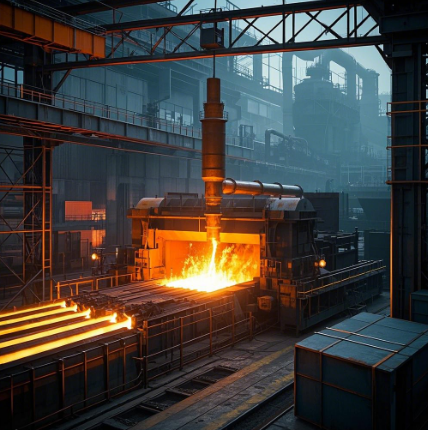
Introduction
Effluent pumps, also known as sewage pumps or wastewater pumps, are engineered devices specifically designed to transfer wastewater containing solid materials. Unlike centrifugal pumps designed for clean fluids, effluent pumps are capable of handling fluids with varying degrees of suspended solids, ranging from residential greywater to industrial process effluent. Their technical position within the water and wastewater treatment chain is critical, serving as a vital link between collection systems and treatment facilities, or for individual septic systems and drainage fields. Core performance characteristics are defined by flow rate (gallons per minute or liters per second), total dynamic head (the vertical distance the pump can lift the fluid, plus friction losses), solids handling capability (maximum particle size), and impeller design, all influencing operational efficiency and reliability. The industry faces persistent challenges related to pump clogging, corrosion from aggressive effluents, and energy consumption, demanding robust designs and advanced control systems.
Material Science & Manufacturing
Effluent pump construction critically relies on material selection to resist corrosion, abrasion, and degradation. Impellers and volutes are commonly manufactured from cast iron (ASTM A48 Class 30) due to its cost-effectiveness and reasonable corrosion resistance, often coated with epoxy or other protective layers. However, for highly corrosive effluents (e.g., those containing sulfuric acid or chlorides), stainless steel (316L or duplex stainless steel – ASTM A966) is essential. Pump housings are frequently made from ductile iron (ASTM A536) offering superior strength and impact resistance compared to grey cast iron. Seals are typically made of materials like silicon carbide (SiC) against SiC or tungsten carbide (WC) against SiC, ensuring long-term abrasion resistance and preventing leakage.
Manufacturing processes involve several key steps. Casting forms the base for most components. Investment casting offers dimensional accuracy for complex impeller geometries. Machining is then employed to achieve precise tolerances on critical surfaces. Welding (SMAW, GMAW, or SAW depending on material thickness and application) is used for joining components, requiring rigorous quality control (NDT – Non-Destructive Testing, including radiography and ultrasonic testing) to ensure weld integrity. Impeller balancing is crucial to minimize vibration and extend pump life. Finally, surface treatment (epoxy coating, painting, or passivation for stainless steel) provides corrosion protection. Parameter control during casting (cooling rates, mold materials) and machining (cutting speeds, coolant type) are paramount to achieving desired mechanical properties and dimensional accuracy. Quality assurance throughout the process adheres to ISO 9001 standards.
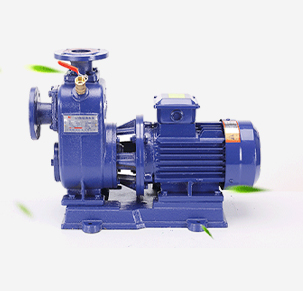
Performance & Engineering
The performance of an effluent pump is governed by principles of fluid dynamics and mechanical engineering. Force analysis involves calculating hydrostatic pressure, dynamic pressure (due to fluid velocity), and frictional losses within the pump and piping system. Pump curves, generated through hydraulic testing (ANSI/HI standards), illustrate the relationship between flow rate, head, and efficiency. Environmental resistance is critical; pumps must withstand temperature variations, exposure to UV radiation (for above-ground installations), and potential submersion. Compliance requirements include adherence to hydraulic institute standards, National Electrical Manufacturers Association (NEMA) motor standards, and local regulations regarding discharge limits.
Functional implementation depends on impeller design. Vortex impellers are ideal for handling large solids, minimizing clogging but typically with lower efficiency. Recessed or non-clog impellers offer a compromise between solids handling and efficiency. Grinder pumps incorporate a rotating cutter to macerate solids, enabling smaller pipe diameters but requiring higher energy consumption. The selection of pump type hinges on effluent characteristics, system requirements, and life-cycle cost analysis. Cavitation, a key concern, is mitigated through proper Net Positive Suction Head Available (NPSHA) calculations and impeller design. Motor selection must account for the required horsepower, voltage, and enclosure type (TEFC, submersible).
Technical Specifications
| Parameter | Typical Range (Residential) | Typical Range (Industrial) | Units |
|---|---|---|---|
| Flow Rate | 25-100 | 100-1000+ | GPM |
| Total Dynamic Head | 10-30 | 30-200+ | ft |
| Solids Handling | Up to 2 inches | Up to 4 inches or more | inches |
| Motor Horsepower | 0.33-1 | 1-100+ | HP |
| Voltage | 120/240 VAC | 230/460/575 VAC | V |
| Impeller Material | Cast Iron/Thermoplastic | Stainless Steel (316L, Duplex) | - |
Failure Mode & Maintenance
Effluent pump failures typically stem from several key modes. Clogging, often due to rags, plastics, or excessive solids, is a frequent issue, causing motor overload and eventual failure. Corrosion, particularly in aggressive effluents, leads to impeller erosion, housing weakening, and seal failure. Bearing failure occurs due to lack of lubrication, excessive load, or contamination. Mechanical seal failure results in leakage and potential motor damage. Fatigue cracking can occur in pump housings and impellers due to cyclical loading and stress concentration. Oxidation of metallic components accelerates corrosion.
Professional maintenance includes regular inspections for clogging, leakages, and unusual noises. Scheduled bearing lubrication is vital. Seal replacement should be performed proactively based on operating hours and effluent composition. Impeller inspection and balancing minimize vibration. Routine voltage and amperage checks identify motor issues. For corrosion-prone environments, periodic coating inspection and repair are essential. Preventative maintenance programs based on Reliability-Centered Maintenance (RCM) principles are highly recommended. When replacing components, ensure compatibility with the original specifications and adhere to manufacturer recommendations. Proper disposal of worn-out parts is crucial for environmental compliance.
Industry FAQ
Q: What is the difference between a submersible and a pedestal effluent pump?
A: Submersible pumps are designed to be fully submerged in the effluent, offering quieter operation and self-priming capabilities. Pedestal pumps have the motor mounted above ground on a pedestal, requiring priming and are typically louder. Submersible pumps are generally preferred for residential septic systems due to their convenience and reduced noise, while pedestal pumps may be used in situations where access for maintenance is easier.
Q: How do I prevent clogging in my effluent pump?
A: Prevention involves several strategies: installing a strainer or screen to catch large solids, educating users about what can and cannot be flushed down the drain, and periodic pump cleaning. Using a pump with a vortex or recessed impeller design can also minimize clogging. Regular inspection and removal of any accumulated debris are crucial.
Q: What materials are best for handling highly corrosive effluents?
A: For highly corrosive effluents, stainless steel alloys like 316L or duplex stainless steel are essential. These materials offer superior resistance to chloride attack, sulfuric acid, and other corrosive agents. Additionally, using corrosion-resistant seals and coatings on pump components is crucial.
Q: How do I determine the correct pump size for my application?
A: Correct sizing requires accurate calculation of the Total Dynamic Head (TDH) – considering static lift, friction losses in piping, and pressure requirements – and the required flow rate. A pump curve should be consulted to ensure the selected pump operates within its optimal efficiency range. Oversizing a pump can lead to energy waste and increased wear, while undersizing will result in inadequate performance.
Q: What are the key considerations for effluent pump motor selection?
A: Motor selection should consider horsepower requirements (based on TDH and flow rate), voltage compatibility with the power supply, enclosure type (TEFC, submersible), and insulation class. Motors should also be equipped with thermal overload protection to prevent damage from overheating. Efficiency ratings (NEMA Premium Efficiency) should be considered for long-term cost savings.
Conclusion
Effluent pumps are essential components in wastewater management systems, demanding careful consideration of material science, engineering principles, and operational requirements. The selection of the appropriate pump type, coupled with a robust maintenance program, is critical for ensuring reliable and efficient performance. Addressing the persistent challenges of clogging, corrosion, and energy consumption through advanced design and preventative measures will remain paramount.
Future advancements in effluent pump technology will likely focus on improved impeller designs for enhanced solids handling and efficiency, the integration of smart sensors and remote monitoring capabilities for predictive maintenance, and the development of more sustainable and energy-efficient motor technologies. Furthermore, the increasing emphasis on environmental regulations will drive innovation in pump designs that minimize noise pollution and reduce energy consumption.
-
1 2 hp sewage ejector pump Performance Engineering
News2026-05-25
-
Zoeller 1/2 hp sewage pump Performance Analysis
News2026-05-25
-
Effluent Pump Performance Analysis
News2026-05-25
-
sump pump vs effluent pump Performance Analysis
News2026-05-25
-
sewer pumps residential Performance Analysis
News2026-05-25
-
Sewage Pump Company Performance and Engineering
News2026-05-24
-
sewage pump 1/2 hp Performance Analysis
News2026-05-24
-
Sewage Ejector Systems Performance Analysis
News2026-05-24
-
Sewage Ejection System Material Science and Manufacturing
News2026-05-24
-
sewage and effluent pumps Performance Engineering
News2026-05-24
-
pump for sewage water Performance Analysis
News2026-05-23
-
plumbing sewage ejector pump Performance Engineering
News2026-05-23
-
home sewer pump station Performance and Engineering
News2026-05-23
-
high pressure sump pump Performance Analysis
News2026-05-23
-
high head effluent pump Performance Analysis
News2026-05-23




