English
- Afrikaans
- Albanian
- Amharic
- Arabic
- Armenian
- Azerbaijani
- Basque
- Belarusian
- Bengali
- Bosnian
- Bulgarian
- Catalan
- Cebuano
- Corsican
- Croatian
- Czech
- Danish
- Dutch
- English
- Esperanto
- Estonian
- Finnish
- French
- Frisian
- Galician
- Georgian
- German
- Greek
- Gujarati
- Haitian Creole
- hausa
- hawaiian
- Hebrew
- Hindi
- Miao
- Hungarian
- Icelandic
- igbo
- Indonesian
- irish
- Italian
- Japanese
- Javanese
- Kannada
- kazakh
- Khmer
- Rwandese
- Korean
- Kurdish
- Kyrgyz
- Lao
- Latin
- Latvian
- Lithuanian
- Luxembourgish
- Macedonian
- Malgashi
- Malay
- Malayalam
- Maltese
- Maori
- Marathi
- Mongolian
- Myanmar
- Nepali
- Norwegian
- Norwegian
- Occitan
- Pashto
- Persian
- Polish
- Portuguese
- Punjabi
- Romanian
- Russian
- Samoan
- Scottish Gaelic
- Serbian
- Sesotho
- Shona
- Sindhi
- Sinhala
- Slovak
- Slovenian
- Somali
- Spanish
- Sundanese
- Swahili
- Swedish
- Tagalog
- Tajik
- Tamil
- Tatar
- Telugu
- Thai
- Turkish
- Turkmen
- Ukrainian
- Urdu
- Uighur
- Uzbek
- Vietnamese
- Welsh
- Bantu
- Yiddish
- Yoruba
- Zulu

Telephone: +86 13120555503
Email: frank@cypump.com


Apr . 01, 2024 17:55 Back to list
efficient supply of nonleakage chemical centrifugal pumps Performance Analysis
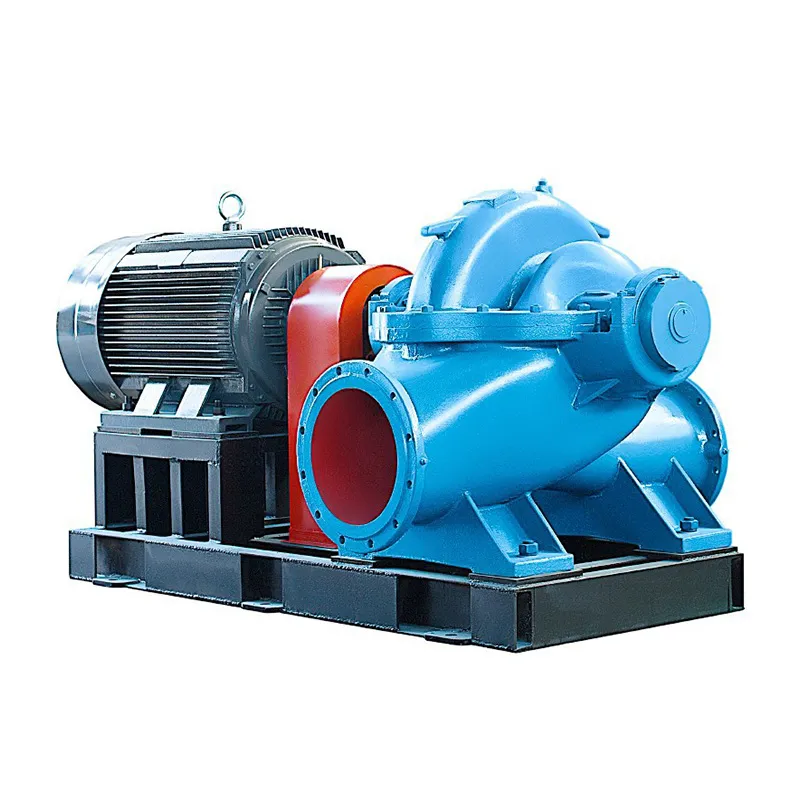
Introduction
Chemical centrifugal pumps are critical components in numerous industrial processes involving the transfer of corrosive and hazardous fluids. The demand for reliable, non-leakage pumps stems from increasingly stringent environmental regulations, safety concerns, and the high cost of process downtime associated with pump failures. This guide provides an in-depth technical analysis of efficient supply of non-leakage chemical centrifugal pumps, encompassing material science, manufacturing processes, performance characteristics, failure modes, and relevant industry standards. The core performance objective centers around minimizing fugitive emissions, ensuring process integrity, and maximizing pump lifespan in aggressive chemical environments. Achieving this necessitates a holistic understanding of pump design, seal technology, and appropriate material selection based on the specific chemical being handled. The efficiency of supply isn’t solely about initial acquisition costs but encompasses lifecycle cost analysis including maintenance, energy consumption, and potential environmental liabilities associated with leakage.
Material Science & Manufacturing
The selection of materials for chemical centrifugal pumps is paramount to ensuring long-term reliability and preventing corrosion. Commonly employed materials include: 316 Stainless Steel (for general chemical resistance, particularly to chlorides), Hastelloy alloys (superior resistance to highly corrosive acids like hydrochloric and sulfuric acid), Polypropylene (PP) and Polyvinylidene Fluoride (PVDF) for plastic-lined pumps handling milder corrosive substances. The casing is frequently manufactured through investment casting or centrifugal casting for complex geometries and improved structural integrity. Impeller fabrication utilizes similar materials, often employing closed or semi-open impeller designs depending on the fluid’s viscosity and solids content. Shaft material typically consists of duplex stainless steel or high-nickel alloys to resist pitting and crevice corrosion. Key manufacturing processes include precision machining for tight tolerances, robotic welding for consistent weld quality (critical for casing and impeller integrity), and non-destructive testing (NDT) such as radiographic inspection and liquid penetrant testing to detect flaws. Parameter control during welding is crucial - maintaining appropriate heat input and shielding gas composition minimizes oxidation and ensures a structurally sound weld. Surface finishing, such as electropolishing, passivates the metal surface, enhancing its corrosion resistance. Proper heat treatment is also essential to relieve stresses induced during manufacturing and improve the material's mechanical properties.
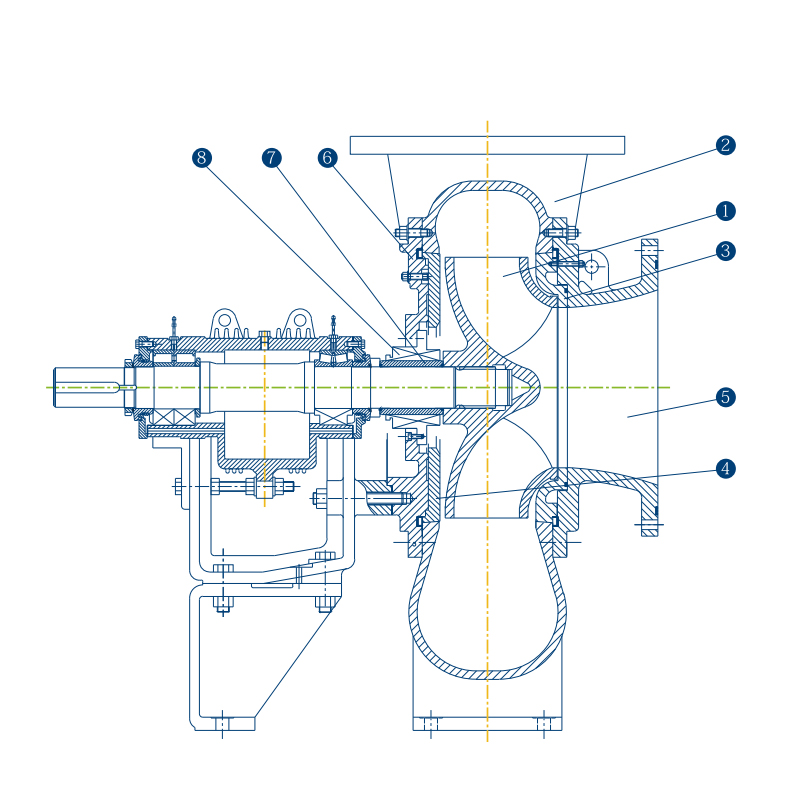
Performance & Engineering
Performance analysis of chemical centrifugal pumps focuses on achieving optimal flow rates, pressure head, and energy efficiency while minimizing leakage. Key engineering considerations include hydraulic design (impeller geometry, casing volute shape) to reduce cavitation and turbulence, which contribute to erosion and premature failure. Seal selection is critical for non-leakage performance; mechanical seals are the predominant choice, employing configurations like single, double, or tandem arrangements with various face materials (Silicon Carbide, Tungsten Carbide, Ceramic) based on the chemical compatibility and operating conditions. Double mechanical seals, with a barrier fluid system, are often used for highly toxic or flammable fluids to provide a secondary containment barrier. Force analysis addresses stresses induced by internal pressure, hydrodynamic forces, and external loads. Finite Element Analysis (FEA) is employed to optimize casing and impeller designs for structural integrity. Environmental resistance is assessed by considering the pump’s operating temperature, humidity, and exposure to corrosive atmospheres. Compliance requirements are dictated by regulations such as ATEX (for hazardous areas), REACH and RoHS (regarding chemical content), and specific industry standards related to chemical handling and environmental protection. Pump performance curves (head-flow, power-flow) are generated through hydraulic testing to validate design parameters and ensure adherence to specifications.
Technical Specifications
| Pump Capacity (m³/hr) | Discharge Head (m) | Operating Pressure (bar) | Maximum Solid Size (mm) |
|---|---|---|---|
| 2 - 200 | 5 - 100 | 1 - 20 | 0 - 10 |
| 5 - 300 | 10 - 150 | 2 - 30 | 0 - 15 |
| 10 - 400 | 20 - 200 | 5 - 40 | 0 - 20 |
| 20 - 500 | 30 - 250 | 10 - 50 | 0 - 25 |
| 30 - 600 | 40 - 300 | 15 - 60 | 0 - 30 |
| 50 - 800 | 50 - 350 | 20 - 70 | 0 - 35 |
Failure Mode & Maintenance
Common failure modes in chemical centrifugal pumps include: mechanical seal failure (due to abrasion, corrosion, or incompatibility with the pumped fluid), impeller erosion (caused by suspended solids or cavitation), bearing failure (resulting from lubrication issues or excessive loads), and casing corrosion/cracking (induced by chemical attack or thermal stress). Fatigue cracking can occur in the shaft or casing due to cyclic loading. Delamination of polymer linings (in plastic-lined pumps) can lead to leakage. Oxidation and corrosion of metallic components are prevalent, especially in oxidizing environments. Preventive maintenance is crucial, including regular seal inspections and replacements, bearing lubrication and monitoring, vibration analysis to detect imbalances, and corrosion monitoring. Corrective maintenance involves addressing specific failures, such as impeller replacement or casing repair. Seal flushing systems should be periodically checked for proper operation. A robust preventative maintenance schedule, based on operating hours and fluid properties, significantly extends pump lifespan. Detailed record-keeping of maintenance activities and failure analysis is essential for identifying recurring problems and optimizing maintenance strategies. Root Cause Analysis (RCA) should be conducted for significant failures to prevent recurrence. Regular inspection for signs of cavitation (noise, vibration, pitting) is crucial to prevent impeller damage.
Industry FAQ
Q: What is the best method for selecting a mechanical seal material for handling concentrated sulfuric acid?
A: For concentrated sulfuric acid, PTFE-based seal faces, often coupled with a Silicon Carbide primary seal ring, are generally recommended. The PTFE provides excellent resistance to the acid, while the SiC offers hardness and wear resistance. Avoid metallic seal faces that are susceptible to corrosion. The barrier fluid system must also be compatible with sulfuric acid, and proper flushing is essential to prevent crystallization and seal failure.
Q: How do I mitigate the risk of cavitation in a pump handling a low-NPSH fluid?
A: Mitigating cavitation requires several strategies. First, ensure adequate suction piping design to minimize pressure drop. Second, reduce pump speed if feasible. Third, consider using an inducer, a small axial impeller placed upstream of the main impeller, to increase suction pressure. Fourth, ensure the pump is properly vented to remove any entrained air. Monitor for cavitation signs (noise, vibration, reduced performance) and address the root cause immediately.
Q: What are the key considerations when specifying a pump for a hazardous area (ATEX zone)?
A: When specifying a pump for a hazardous area, ATEX certification is paramount. The pump must be categorized based on the zone (0, 1, or 2) and gas/dust group. Explosion-proof motors and intrinsically safe instrumentation are required. Material selection must avoid creating ignition sources (e.g., static electricity). Grounding and bonding are essential to dissipate static charges. Compliance documentation and certifications must be readily available.
Q: How can I improve the reliability of a double mechanical seal system?
A: Reliability of double mechanical seals hinges on proper barrier fluid selection, pressure control, and filtration. Maintain consistent barrier fluid pressure slightly higher than the pump pressure. Regularly monitor barrier fluid consumption for leakage. Implement a robust filtration system to remove abrasive particles from the barrier fluid. Ensure correct seal face orientation and proper installation procedures. Periodic inspection of the seals and barrier fluid system is crucial.
Q: What is the importance of performing a lifecycle cost analysis when procuring chemical centrifugal pumps?
A: Lifecycle cost analysis goes beyond the initial purchase price. It considers factors like energy consumption, maintenance costs (parts, labor), downtime costs, environmental liabilities (leakage penalties), and disposal costs. A higher initial investment in a more durable, efficient pump can often result in significant cost savings over the pump’s lifespan, reducing total cost of ownership. It also allows for informed decision-making based on long-term value rather than short-term savings.
Conclusion
Efficient supply of non-leakage chemical centrifugal pumps demands a comprehensive understanding of material science, manufacturing precision, and rigorous engineering principles. The selection of appropriate materials, coupled with robust seal technology and meticulous attention to detail during manufacturing, are essential for minimizing fugitive emissions and maximizing pump reliability in challenging chemical environments. A lifecycle cost analysis, emphasizing preventative maintenance and long-term operational efficiency, is crucial for optimizing the overall value proposition.
Future advancements in pump technology will likely focus on the development of new materials with enhanced corrosion resistance, improved seal designs with self-lubricating properties, and the integration of advanced monitoring systems for predictive maintenance. Adopting these innovations will further enhance the performance, longevity, and environmental sustainability of chemical centrifugal pumps, contributing to safer and more efficient industrial processes.
-
Precision at the Pump: How Better Machining Protects Flow and Uptime
News2026-11-20
-
Why Pump Reliability Begins Before the First Drop of Fluid
News2026-11-20
-
Beyond the Pump: Designing Safer Access Around Critical Water Infrastructure
News2026-11-20
-
Why Pumping Stations Depend on the Infrastructure Beneath the Pumps
News2026-11-20
-
Beyond the Pump Room: How Smarter Loading Protects Industrial Equipment
News2026-11-19
-
When Pumps Stop: Designing More Resilient Power for Critical Pumping Systems
News2026-11-19
-
The Hidden Role of Dust and Gas Monitoring in Reliable Pump Operations
News2026-11-19
-
The Hidden Role of Mineral Compounds in Extending Industrial Pump Lifespan
News2026-10-12
-
Why Pump System Reliability Depends on Precision Hose Assembly Methods
News2026-09-15
-
How Advanced Imaging Films Are Transforming Pump Component Quality Control
News2026-08-25
-
How Advanced Filtration Protects Pump Systems from Premature Wear and Costly Downtime
News2026-08-25
-
How Steel Material Selection Drives Pump Reliability in Heavy-Duty Systems
News2026-08-25
-
Ensuring Pump System Efficiency: The Role of High-Quality Pipe Fittings and Tubing
News2026-08-24
-
Optimizing Fluid Dynamics and Material Consistency in Industrial Processing
News2026-08-18
-
Innovations and Challenges in Hydraulic Systems for Heavy Machinery
News2026-08-13




