English
- Afrikaans
- Albanian
- Amharic
- Arabic
- Armenian
- Azerbaijani
- Basque
- Belarusian
- Bengali
- Bosnian
- Bulgarian
- Catalan
- Cebuano
- Corsican
- Croatian
- Czech
- Danish
- Dutch
- English
- Esperanto
- Estonian
- Finnish
- French
- Frisian
- Galician
- Georgian
- German
- Greek
- Gujarati
- Haitian Creole
- hausa
- hawaiian
- Hebrew
- Hindi
- Miao
- Hungarian
- Icelandic
- igbo
- Indonesian
- irish
- Italian
- Japanese
- Javanese
- Kannada
- kazakh
- Khmer
- Rwandese
- Korean
- Kurdish
- Kyrgyz
- Lao
- Latin
- Latvian
- Lithuanian
- Luxembourgish
- Macedonian
- Malgashi
- Malay
- Malayalam
- Maltese
- Maori
- Marathi
- Mongolian
- Myanmar
- Nepali
- Norwegian
- Norwegian
- Occitan
- Pashto
- Persian
- Polish
- Portuguese
- Punjabi
- Romanian
- Russian
- Samoan
- Scottish Gaelic
- Serbian
- Sesotho
- Shona
- Sindhi
- Sinhala
- Slovak
- Slovenian
- Somali
- Spanish
- Sundanese
- Swahili
- Swedish
- Tagalog
- Tajik
- Tamil
- Tatar
- Telugu
- Thai
- Turkish
- Turkmen
- Ukrainian
- Urdu
- Uighur
- Uzbek
- Vietnamese
- Welsh
- Bantu
- Yiddish
- Yoruba
- Zulu

Telephone: +86 13120555503
Email: frank@cypump.com


Apr . 01, 2024 17:55 Back to list
efficient peristaltic pump for handling slurry with precision Material Science
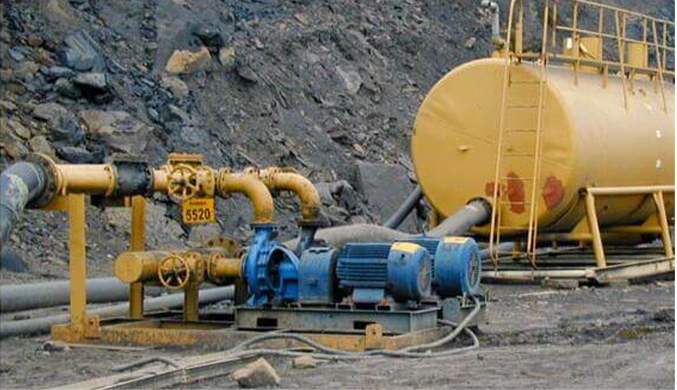
Introduction
Peristaltic pumps are positive displacement pumps utilized for the conveyance of a wide variety of fluids, with particular suitability for abrasive, corrosive, or shear-sensitive materials. Within the industrial sector, especially concerning slurry transfer, they represent a critical component in processes spanning mining, wastewater treatment, chemical processing, and food & beverage production. This guide focuses on the technical intricacies of efficient peristaltic pump designs specifically optimized for precision slurry handling. Slurries, by their nature, present unique challenges, including particle size distribution, solids concentration, and abrasive wear potential. Standard centrifugal pumps are often ill-suited for these applications, leading to frequent maintenance, reduced efficiency, and ultimately, increased operational costs. Peristaltic pumps overcome these limitations through a tube-based pumping mechanism, minimizing fluid contact with pump components, ensuring consistent flow rates, and providing superior containment. This document will explore the material science, manufacturing techniques, performance characteristics, failure modes, and maintenance protocols vital for selecting and implementing peristaltic pump technology for demanding slurry applications.
Material Science & Manufacturing
The core of a peristaltic pump's performance lies in the composition of its tube and rotor assembly. Tube materials typically include natural rubber, nitrile (NBR), ethylene propylene diene monomer (EPDM), silicone, Viton (fluoroelastomer), and thermoplastic elastomers (TPE). Each material exhibits varying degrees of chemical resistance, temperature tolerance, and abrasion resistance. For abrasive slurries, TPE and Viton are preferred due to their superior wear characteristics, despite a higher initial cost. Natural rubber offers excellent elasticity but is susceptible to degradation from oils and solvents. NBR provides good resistance to hydrocarbons but limited temperature range. EPDM excels in resistance to weathering, ozone, and heat. The selection must meticulously consider the slurry’s chemical composition, temperature, and particle characteristics. The rotor, responsible for compressing the tube, is commonly manufactured from materials like stainless steel (316L being a standard choice for corrosion resistance), aluminum alloys, and engineered plastics. Manufacturing processes for the tube involve extrusion followed by precise dimensional control to ensure consistent wall thickness and diameter. Rotor manufacturing utilizes CNC machining for high precision and surface finish. Critical parameters during manufacturing include dimensional tolerances (tube inner diameter, rotor eccentricity), surface roughness (rotor contact surface), and material hardness (both tube and rotor). Welding processes, if applicable in the pump housing, must adhere to AWS D1.1 standards to ensure structural integrity and prevent corrosion initiation points. The tube connections are a critical area requiring robust sealing mechanisms, often involving clamping systems designed to withstand the pressures associated with slurry transfer. Post-manufacturing, rigorous quality control procedures, including hydrostatic testing and non-destructive examination (NDT) like dye penetrant inspection, are employed to verify component integrity.
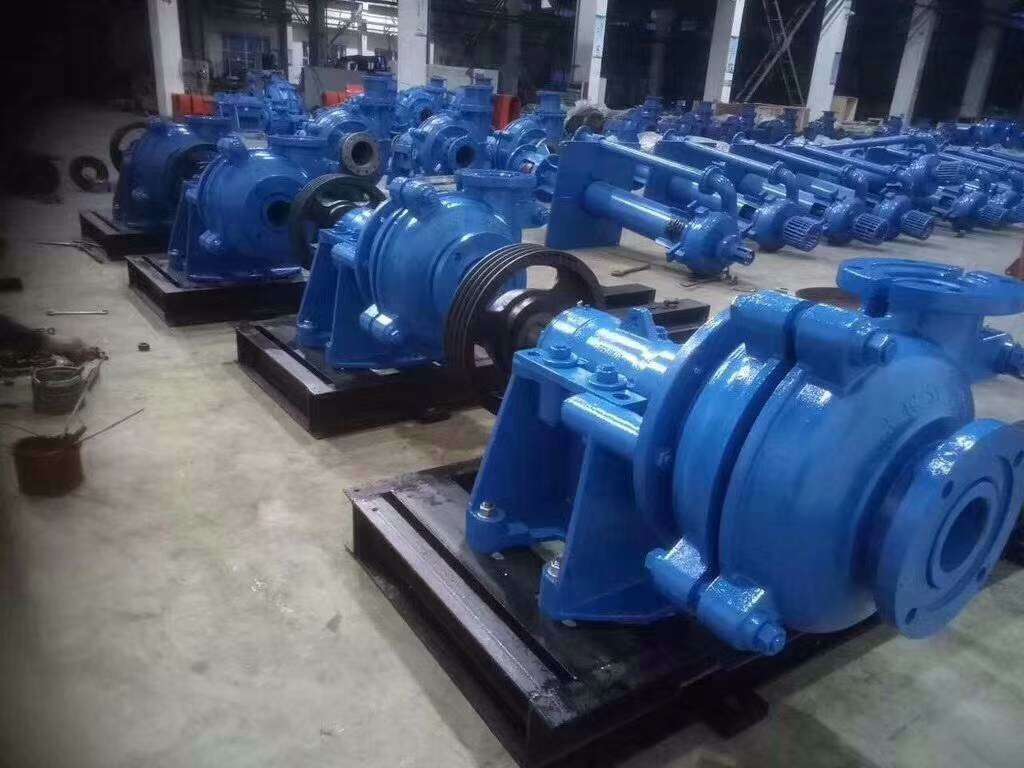
Performance & Engineering
The performance of a peristaltic pump handling slurry is characterized by flow rate, pressure head, and volumetric accuracy. Flow rate is directly proportional to the pump head speed (RPM) and the tube’s inner diameter. Slurry viscosity and solids concentration significantly impact flow rate; higher viscosity and solids content reduce pump output. Pressure head is determined by the tube material’s elasticity, the rotor’s compression force, and the slurry’s density. Engineering considerations must account for the slurry’s rheological properties. Non-Newtonian slurries exhibit varying viscosity with shear rate, requiring adjustments to pump parameters. Particle size distribution plays a crucial role; larger particles increase wear and can potentially cause tube blockage. Force analysis involves calculating the stresses on the tube wall during compression, ensuring that the material remains within its elastic limit to prevent premature failure. Environmental resistance is paramount, particularly in corrosive environments. Proper material selection and pump housing design are crucial to prevent external corrosion. Compliance requirements, such as ATEX certification for use in potentially explosive atmospheres and FDA compliance for food-grade applications, must be adhered to. Pulsation dampening is a key engineering challenge. Peristaltic pumps inherently produce pulsating flow; dampeners, such as accumulator tanks or multiple pump heads phased out of sync, are employed to achieve smoother flow rates for precision applications. Cavitation, while less common than in centrifugal pumps, can occur with viscous slurries if suction lift is excessive. Proper pump sizing and installation are vital to avoid this phenomenon.
Technical Specifications
| Flow Rate (L/min) | Maximum Pressure (bar) | Tube Material | Slurry Solids Concentration (wt%) | Tube Inner Diameter (mm) | Motor Power (kW) |
|---|---|---|---|---|---|
| 5-60 | 2-5 | EPDM | Up to 30% | 6-19 | 0.37-1.5 |
| 10-120 | 5-10 | Viton | Up to 50% | 6-25 | 0.75-3 |
| 2-30 | 1-3 | NBR | Up to 20% | 3-13 | 0.12-0.5 |
| 30-300 | 8-15 | TPE | Up to 60% | 10-38 | 1.5-5.5 |
| 1-15 | 0.5-2 | Silicone | Up to 10% | 2-8 | 0.06-0.25 |
| 50-500 | 10-20 | Stainless Steel Reinforced TPE | Up to 70% | 15-50 | 3-7.5 |
Failure Mode & Maintenance
Peristaltic pumps handling slurry are susceptible to several failure modes. The most common is tube failure, manifesting as cracks, pinholes, or complete rupture. This is primarily caused by fatigue cracking from repeated compression, abrasive wear from slurry particles, or chemical attack from corrosive components. Another failure mode is rotor bearing failure, resulting from excessive load or inadequate lubrication. Gearbox failure (in geared pumps) can occur due to wear or lubricant contamination. Seal failure in the pump housing can lead to leakage and potential environmental contamination. Failure analysis techniques include visual inspection for cracks and wear, material testing to assess chemical resistance, and finite element analysis (FEA) to model stress distribution in the tube. Maintenance protocols should include regular tube inspection and replacement based on wear rate (typically tracked by monitoring flow rate decline), bearing lubrication, gearbox oil changes, and seal replacement. Preventative maintenance is crucial; implementing a scheduled maintenance program based on operating hours and slurry characteristics significantly extends pump lifespan and reduces downtime. Automated monitoring systems that track flow rate, pressure, and motor current can provide early warning signs of potential failures. Proper slurry filtration prior to pumping can minimize abrasive wear on the tube and rotor.
Industry FAQ
Q: What is the impact of particle size on tube life when handling abrasive slurries?
A: Larger particle sizes significantly reduce tube life due to increased abrasive wear. The abrasive action intensifies with particle size, leading to faster erosion of the tube material, particularly at the compression point. Pre-filtration to remove larger particles and selecting a tube material with high abrasion resistance (e.g., TPE) are essential mitigation strategies.
Q: How does slurry viscosity affect the pump’s flow rate and accuracy?
A: Increased slurry viscosity reduces flow rate due to increased resistance to flow within the tube. It also impacts volumetric accuracy, potentially leading to inconsistent dosing. Adjusting pump speed and selecting a pump with sufficient torque to overcome the viscosity are critical. Consideration should be given to the slurry’s non-Newtonian behavior.
Q: What are the key considerations for selecting a tube material when handling chemically aggressive slurries?
A: Chemical compatibility is paramount. A thorough analysis of the slurry's chemical composition is required to determine a tube material that is resistant to corrosion, swelling, or degradation. Viton and certain specialized TPEs offer broad chemical resistance, but compatibility must be verified through material testing.
Q: What maintenance procedures are critical for extending the lifespan of a peristaltic pump handling a highly abrasive slurry?
A: Regular tube inspection and replacement are crucial. Monitoring flow rate decline is a good indicator of tube wear. Proper lubrication of rotor bearings and gearbox (if applicable) is also essential. Implementing a pre-filtration system to reduce particle size and concentration is highly recommended.
Q: Can peristaltic pumps handle slurries with entrained gases or air pockets?
A: Entrained gases can cause reduced flow rate and inconsistent pumping. Peristaltic pumps are generally not self-priming for slurries with significant gas content. De-aeration strategies, such as using a settling tank or a degassing system upstream of the pump, are often necessary.
Conclusion
Efficient peristaltic pump operation for slurry handling hinges on a deep understanding of material science, precise manufacturing, and meticulous attention to operational parameters. The selection of appropriate tube materials, coupled with robust rotor design and controlled manufacturing processes, directly influences pump performance, reliability, and longevity. Careful consideration of slurry characteristics – viscosity, solids concentration, particle size, and chemical composition – is paramount to avoiding premature failure and ensuring consistent, accurate flow rates.
Future advancements in peristaltic pump technology are likely to focus on the development of even more durable tube materials, improved rotor designs for reduced pulsation, and integration of advanced sensor technologies for real-time performance monitoring and predictive maintenance. The continued optimization of these pumps will be critical for enhancing efficiency and reducing operational costs across a wide range of industrial slurry handling applications.
-
Precision at the Pump: How Better Machining Protects Flow and Uptime
News2026-11-20
-
Why Pump Reliability Begins Before the First Drop of Fluid
News2026-11-20
-
Beyond the Pump: Designing Safer Access Around Critical Water Infrastructure
News2026-11-20
-
Why Pumping Stations Depend on the Infrastructure Beneath the Pumps
News2026-11-20
-
Beyond the Pump Room: How Smarter Loading Protects Industrial Equipment
News2026-11-19
-
When Pumps Stop: Designing More Resilient Power for Critical Pumping Systems
News2026-11-19
-
The Hidden Role of Dust and Gas Monitoring in Reliable Pump Operations
News2026-11-19
-
The Hidden Role of Mineral Compounds in Extending Industrial Pump Lifespan
News2026-10-12
-
Why Pump System Reliability Depends on Precision Hose Assembly Methods
News2026-09-15
-
How Advanced Imaging Films Are Transforming Pump Component Quality Control
News2026-08-25
-
How Advanced Filtration Protects Pump Systems from Premature Wear and Costly Downtime
News2026-08-25
-
How Steel Material Selection Drives Pump Reliability in Heavy-Duty Systems
News2026-08-25
-
Ensuring Pump System Efficiency: The Role of High-Quality Pipe Fittings and Tubing
News2026-08-24
-
Optimizing Fluid Dynamics and Material Consistency in Industrial Processing
News2026-08-18
-
Innovations and Challenges in Hydraulic Systems for Heavy Machinery
News2026-08-13




