English
- Afrikaans
- Albanian
- Amharic
- Arabic
- Armenian
- Azerbaijani
- Basque
- Belarusian
- Bengali
- Bosnian
- Bulgarian
- Catalan
- Cebuano
- Corsican
- Croatian
- Czech
- Danish
- Dutch
- English
- Esperanto
- Estonian
- Finnish
- French
- Frisian
- Galician
- Georgian
- German
- Greek
- Gujarati
- Haitian Creole
- hausa
- hawaiian
- Hebrew
- Hindi
- Miao
- Hungarian
- Icelandic
- igbo
- Indonesian
- irish
- Italian
- Japanese
- Javanese
- Kannada
- kazakh
- Khmer
- Rwandese
- Korean
- Kurdish
- Kyrgyz
- Lao
- Latin
- Latvian
- Lithuanian
- Luxembourgish
- Macedonian
- Malgashi
- Malay
- Malayalam
- Maltese
- Maori
- Marathi
- Mongolian
- Myanmar
- Nepali
- Norwegian
- Norwegian
- Occitan
- Pashto
- Persian
- Polish
- Portuguese
- Punjabi
- Romanian
- Russian
- Samoan
- Scottish Gaelic
- Serbian
- Sesotho
- Shona
- Sindhi
- Sinhala
- Slovak
- Slovenian
- Somali
- Spanish
- Sundanese
- Swahili
- Swedish
- Tagalog
- Tajik
- Tamil
- Tatar
- Telugu
- Thai
- Turkish
- Turkmen
- Ukrainian
- Urdu
- Uighur
- Uzbek
- Vietnamese
- Welsh
- Bantu
- Yiddish
- Yoruba
- Zulu

Telephone: +86 13120555503
Email: frank@cypump.com


Apr . 01, 2024 17:55 Back to list
efficient electric water pumps for clean water supply and Performance Engineering
Introduction
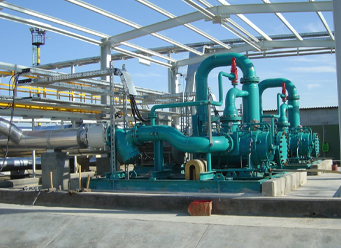
Efficient electric water pumps for clean water supply represent a critical component in a diverse range of industrial and municipal applications, from potable water distribution and irrigation to cooling systems and fire suppression. These pumps, categorized as centrifugal, positive displacement, or jet pumps, have undergone substantial technological advancements in recent years, driven by demands for increased energy efficiency, reduced lifecycle costs, and enhanced reliability. Their technical position within the water management chain is pivotal; they bridge the energy input from the electrical grid with the hydraulic power required to move fluids. Core performance metrics include flow rate (measured in gallons per minute or liters per second), head (the maximum height to which the pump can lift water, measured in feet or meters), power consumption (typically in kilowatts or horsepower), and Net Positive Suction Head Required (NPSHr), a critical parameter preventing cavitation. The increasing focus on sustainable practices necessitates pumps exceeding minimum efficiency standards mandated by regulatory bodies globally. This guide will provide a comprehensive technical overview of these pumps, covering material science, manufacturing processes, performance engineering, failure modes, and industry standards.
Material Science & Manufacturing
The construction of efficient electric water pumps relies on a carefully selected array of materials. Pump housings are commonly manufactured from cast iron (ASTM A48 Class 30 or equivalent), stainless steel (304, 316, or duplex grades – ASTM A240), or engineered polymers (Polypropylene, PVDF) depending on the fluid being pumped and the operating environment. Cast iron provides cost-effectiveness and good machinability, but its susceptibility to corrosion limits its use in certain applications. Stainless steel offers superior corrosion resistance but is more expensive. Impellers, the rotating components responsible for imparting energy to the fluid, are typically made from bronze (ASTM B584), stainless steel, or high-strength polymers. Shafts are typically constructed from high-strength alloy steels (4140 or 4340 – ASTM A370) and undergo heat treatment to enhance fatigue resistance. Seals, critical for preventing leakage, utilize materials like Viton (fluoroelastomer), EPDM (ethylene propylene diene monomer rubber), or PTFE (polytetrafluoroethylene) selected for chemical compatibility and temperature resistance. Manufacturing processes involve precision casting, machining, and welding. Critical parameters during manufacturing include impeller balancing (to minimize vibration), shaft alignment (to prevent bearing wear), and weld integrity (ensured through non-destructive testing like radiographic inspection or ultrasonic testing). The surface finish of the impeller is crucial for hydraulic efficiency; electropolishing is often used to minimize friction losses.
Performance & Engineering
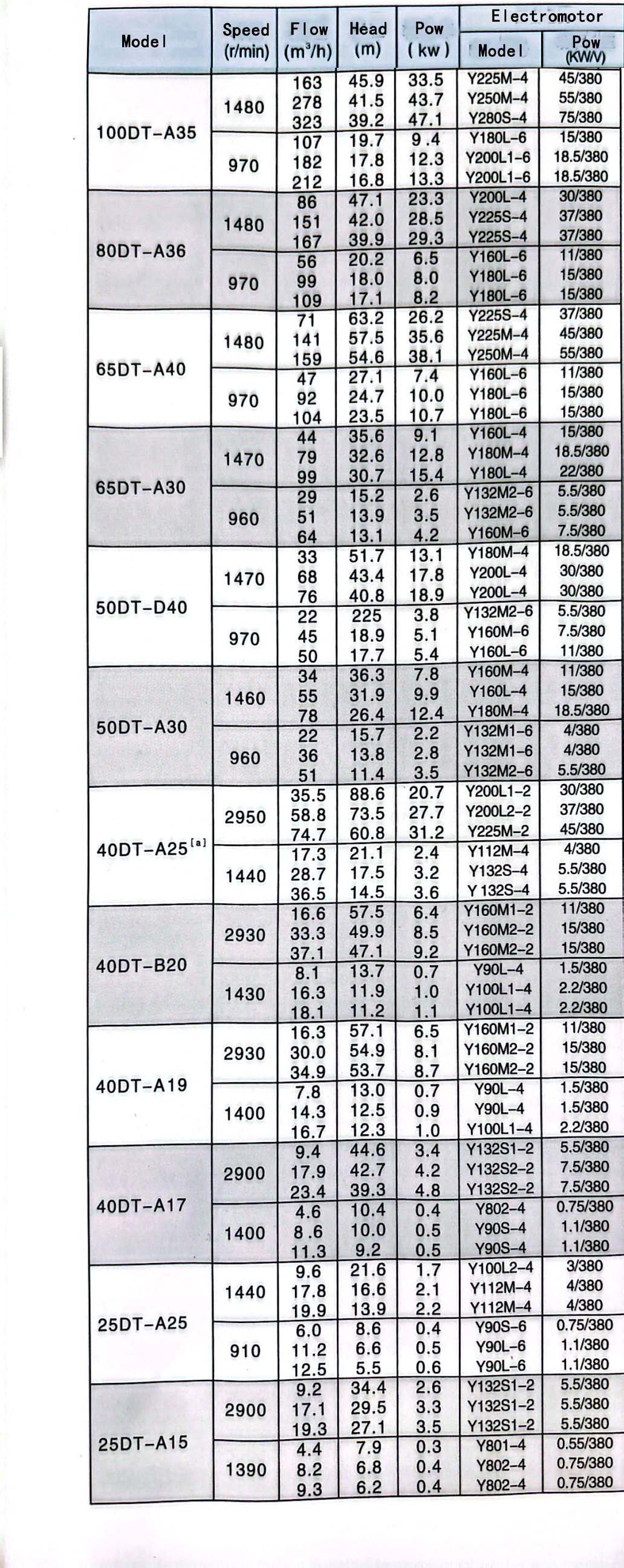
The performance of electric water pumps is dictated by a complex interplay of hydraulic and mechanical principles. Force analysis considers centrifugal forces acting on the impeller, radial loads on the bearings, and axial thrust. Hydraulic design focuses on optimizing impeller geometry, volute shape, and flow passages to maximize efficiency and minimize cavitation. Cavitation, the formation of vapor bubbles due to low pressure, can erode impeller surfaces and significantly reduce pump performance. NPSHr is a critical parameter determined through hydraulic testing; it must be lower than the NPSHa (Net Positive Suction Head Available) in the system to prevent cavitation. Environmental resistance is a key consideration, particularly in outdoor installations. Pumps must be protected against corrosion (through material selection and coatings), UV degradation (for polymer components), and extreme temperatures. Compliance requirements vary by region; pumps intended for potable water applications must meet standards like NSF/ANSI 61, ensuring that no harmful substances leach into the water supply. The efficiency of the motor driving the pump is also crucial; premium efficiency motors (IE3 or IE4) can significantly reduce energy consumption. Variable Frequency Drives (VFDs) are often incorporated to adjust pump speed and flow rate to match demand, further optimizing energy efficiency and reducing stress on the pump components.
Technical Specifications
| Parameter | Unit | Typical Range (Small Pump) | Typical Range (Large Pump) |
|---|---|---|---|
| Flow Rate | GPM (Gallons Per Minute) | 5-50 | 100-1000 |
| Head | ft (Feet) | 10-50 | 100-300 |
| Power | HP (Horsepower) | 0.5-2 | 5-50 |
| Voltage | V (Volts) | 115/230 | 230/460/575 |
| Impeller Diameter | in (Inches) | 2-6 | 8-24 |
| NPSHr | ft (Feet) | 5-15 | 10-30 |
Failure Mode & Maintenance
Electric water pumps are susceptible to several failure modes. Fatigue cracking of the impeller, particularly in areas of high stress concentration, is a common issue. This is exacerbated by cavitation erosion and improper balancing. Bearing failure, manifested as increased noise and vibration, typically results from inadequate lubrication, misalignment, or overload. Seal failure, leading to leakage, can be caused by abrasion, chemical incompatibility, or improper installation. Winding failure in the motor, indicated by overheating and reduced performance, is often a result of insulation breakdown due to voltage surges or excessive temperatures. Corrosion of pump components, particularly in aggressive environments, can lead to reduced efficiency and eventual failure. Preventative maintenance is crucial. This includes regular inspection of seals and bearings, lubrication, alignment checks, and monitoring of motor current and temperature. Vibration analysis can identify early signs of bearing wear or impeller imbalance. Periodic cleaning of pump intakes and strainers prevents clogging and maintains optimal flow rate. In the event of a failure, root cause analysis is essential to identify the underlying cause and prevent recurrence.
Industry FAQ
Q: What is the significance of the pump curve, and how should it be used in pump selection?
A: The pump curve is a graphical representation of the pump’s performance characteristics, plotting flow rate against head. It’s fundamental to proper pump selection because it allows engineers to determine if a pump can deliver the required flow rate at the desired head. Matching the pump curve to the system curve (representing the resistance to flow in the piping system) is essential for efficient operation. Operating a pump significantly off its best efficiency point (BEP) can lead to increased energy consumption and reduced lifespan.
Q: How does the specific gravity of the fluid impact pump performance?
A: Pump performance is inversely proportional to the specific gravity of the fluid. Higher specific gravity fluids (denser liquids) require more power to pump, resulting in a reduction in flow rate and head. Pump manufacturers typically provide correction factors to account for variations in fluid specific gravity.
Q: What are the key considerations when selecting a pump material for corrosive fluids?
A: Material selection is paramount when handling corrosive fluids. Stainless steel alloys (316, duplex) are common choices, but the specific alloy must be compatible with the chemical composition of the fluid. Engineered polymers like PVDF offer excellent chemical resistance for certain applications. Factors like temperature and concentration of the corrosive agent also influence material selection.
Q: What is the role of the motor controller (VFD) in optimizing pump performance?
A: A Variable Frequency Drive (VFD) allows for precise control of pump speed and flow rate, matching output to demand. This significantly improves energy efficiency, reduces mechanical stress on the pump, and extends its lifespan. VFDs also provide soft starting capabilities, minimizing inrush current and preventing damage to the electrical system.
Q: What are the common causes of pump vibration and how can they be diagnosed?
A: Common causes of pump vibration include impeller imbalance, misalignment, bearing wear, cavitation, and resonance. Diagnosis involves visual inspection, vibration analysis (using accelerometers to measure vibration frequency and amplitude), and spectral analysis to identify the source of the vibration. Corrective actions include impeller balancing, shaft alignment, bearing replacement, and addressing cavitation issues.
Conclusion
Efficient electric water pumps are essential components in numerous industrial processes and municipal systems, and their optimal performance is directly linked to careful material selection, precise manufacturing, and informed engineering practices. Understanding the interplay between hydraulic principles, mechanical stresses, and environmental factors is critical for ensuring reliable operation and minimizing lifecycle costs. Continued advancements in pump technology, particularly in areas like motor efficiency and control systems, are driving further improvements in energy efficiency and sustainability.
As demands for water conservation and reduced energy consumption increase, the role of efficient electric water pumps will become even more pronounced. Proactive maintenance, coupled with a thorough understanding of potential failure modes, is essential for maximizing pump uptime and minimizing operational expenses. Staying abreast of evolving industry standards and regulations is crucial for ensuring compliance and responsible water management practices.
-
Precision at the Pump: How Better Machining Protects Flow and Uptime
News2026-11-20
-
Why Pump Reliability Begins Before the First Drop of Fluid
News2026-11-20
-
Beyond the Pump: Designing Safer Access Around Critical Water Infrastructure
News2026-11-20
-
Why Pumping Stations Depend on the Infrastructure Beneath the Pumps
News2026-11-20
-
Beyond the Pump Room: How Smarter Loading Protects Industrial Equipment
News2026-11-19
-
When Pumps Stop: Designing More Resilient Power for Critical Pumping Systems
News2026-11-19
-
The Hidden Role of Dust and Gas Monitoring in Reliable Pump Operations
News2026-11-19
-
The Hidden Role of Mineral Compounds in Extending Industrial Pump Lifespan
News2026-10-12
-
Why Pump System Reliability Depends on Precision Hose Assembly Methods
News2026-09-15
-
How Advanced Imaging Films Are Transforming Pump Component Quality Control
News2026-08-25
-
How Advanced Filtration Protects Pump Systems from Premature Wear and Costly Downtime
News2026-08-25
-
How Steel Material Selection Drives Pump Reliability in Heavy-Duty Systems
News2026-08-25
-
Ensuring Pump System Efficiency: The Role of High-Quality Pipe Fittings and Tubing
News2026-08-24
-
Optimizing Fluid Dynamics and Material Consistency in Industrial Processing
News2026-08-18
-
Innovations and Challenges in Hydraulic Systems for Heavy Machinery
News2026-08-13




