English
- Afrikaans
- Albanian
- Amharic
- Arabic
- Armenian
- Azerbaijani
- Basque
- Belarusian
- Bengali
- Bosnian
- Bulgarian
- Catalan
- Cebuano
- Corsican
- Croatian
- Czech
- Danish
- Dutch
- English
- Esperanto
- Estonian
- Finnish
- French
- Frisian
- Galician
- Georgian
- German
- Greek
- Gujarati
- Haitian Creole
- hausa
- hawaiian
- Hebrew
- Hindi
- Miao
- Hungarian
- Icelandic
- igbo
- Indonesian
- irish
- Italian
- Japanese
- Javanese
- Kannada
- kazakh
- Khmer
- Rwandese
- Korean
- Kurdish
- Kyrgyz
- Lao
- Latin
- Latvian
- Lithuanian
- Luxembourgish
- Macedonian
- Malgashi
- Malay
- Malayalam
- Maltese
- Maori
- Marathi
- Mongolian
- Myanmar
- Nepali
- Norwegian
- Norwegian
- Occitan
- Pashto
- Persian
- Polish
- Portuguese
- Punjabi
- Romanian
- Russian
- Samoan
- Scottish Gaelic
- Serbian
- Sesotho
- Shona
- Sindhi
- Sinhala
- Slovak
- Slovenian
- Somali
- Spanish
- Sundanese
- Swahili
- Swedish
- Tagalog
- Tajik
- Tamil
- Tatar
- Telugu
- Thai
- Turkish
- Turkmen
- Ukrainian
- Urdu
- Uighur
- Uzbek
- Vietnamese
- Welsh
- Bantu
- Yiddish
- Yoruba
- Zulu

Telephone: +86 13120555503
Email: frank@cypump.com


Apr . 01, 2024 17:55 Back to list
efficient double suction sludge water pump for effective water pump performance analysis
Introduction
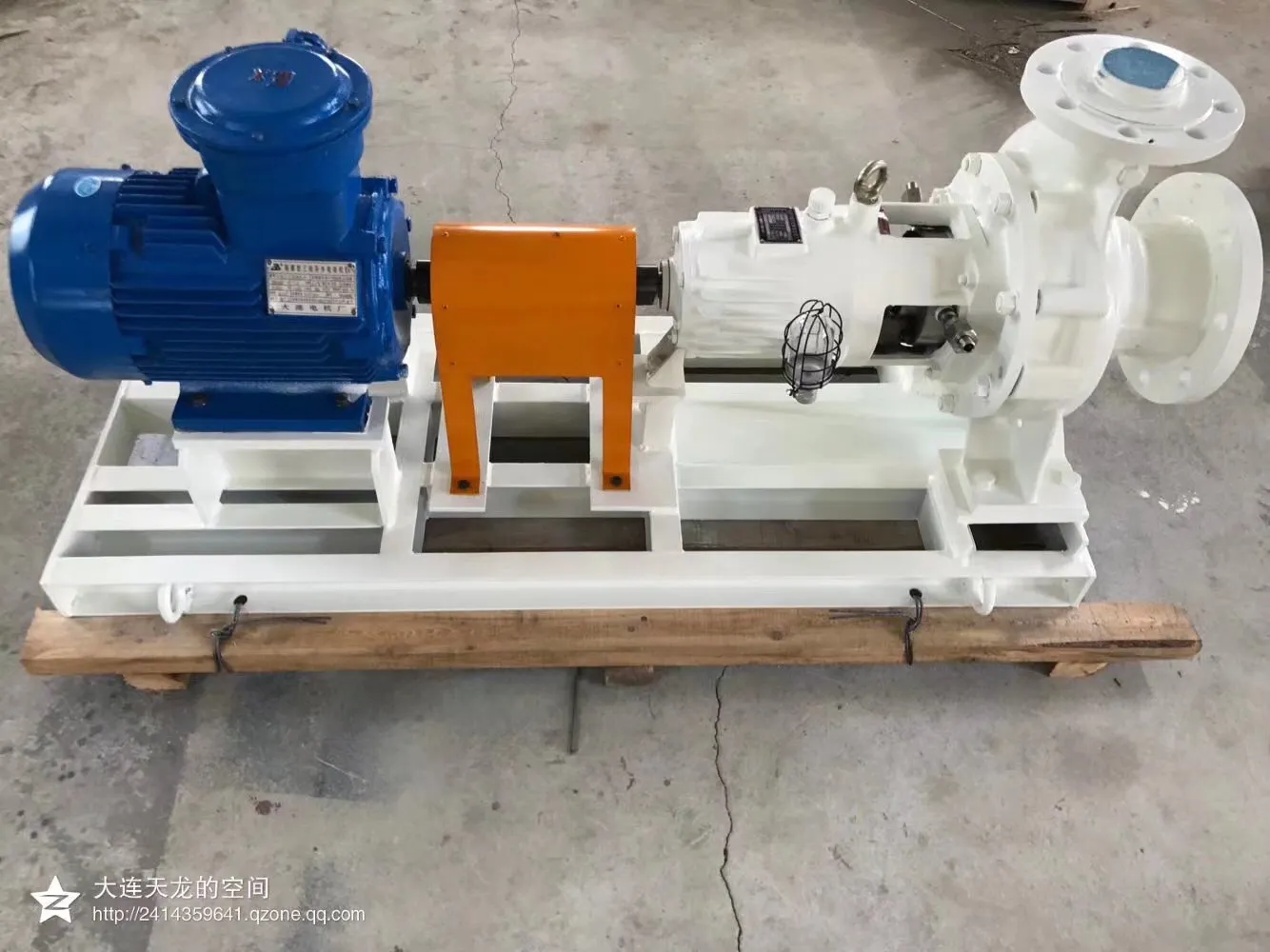
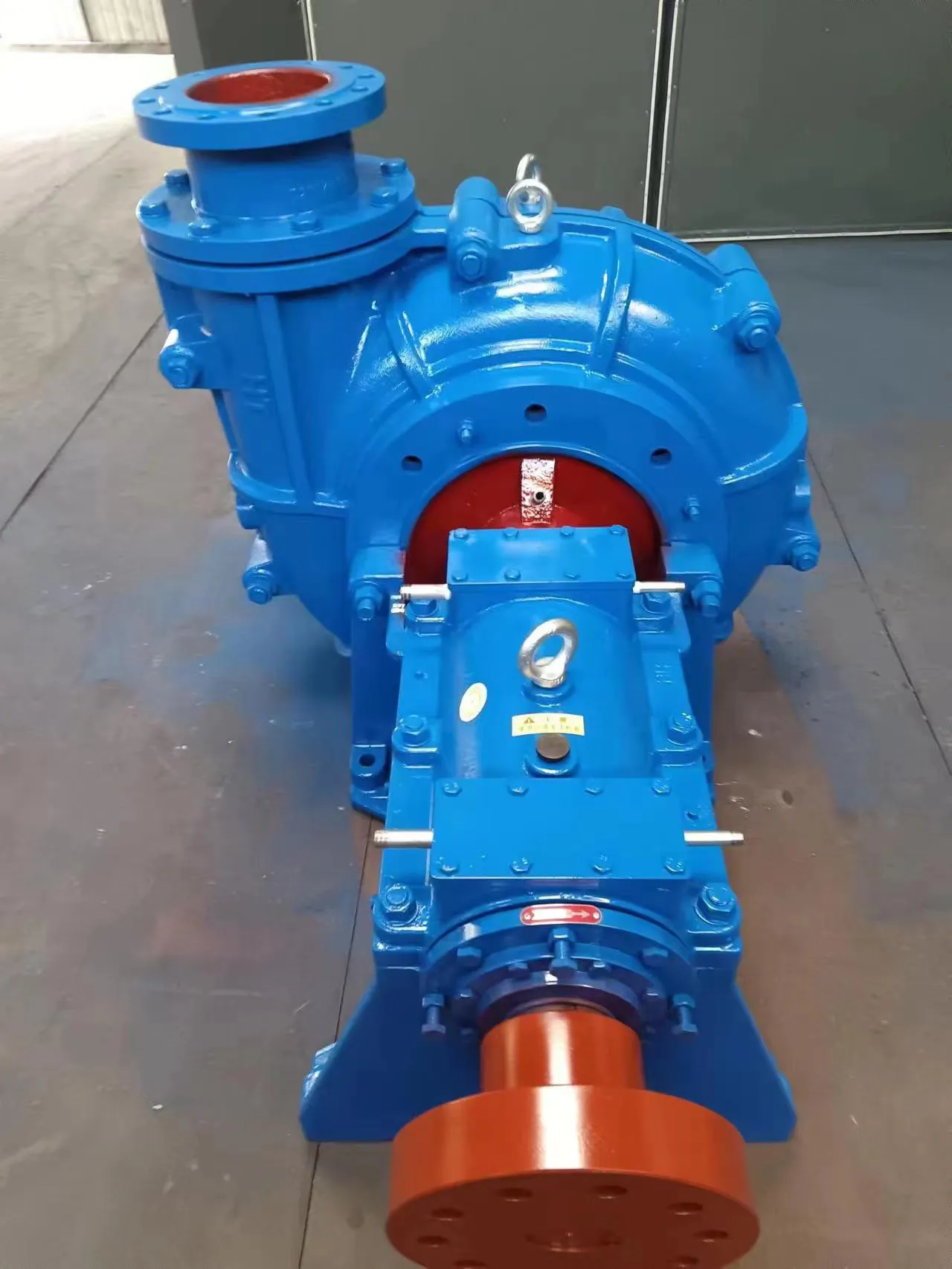
Efficient double suction sludge water pumps represent a critical component in wastewater treatment, industrial effluent management, and solids handling applications. These pumps are specifically engineered to handle abrasive and highly viscous fluids containing solid particulates, a common challenge in industries ranging from municipal wastewater treatment to mining and chemical processing. Unlike centrifugal pumps designed for clean fluids, double suction pumps maximize hydraulic efficiency while mitigating the risks associated with impeller clogging and wear. The ‘double suction’ design – intake from both sides of the impeller – provides increased flow rates and reduces axial thrust, improving pump longevity. This technical guide details the material science, manufacturing processes, performance characteristics, potential failure modes, and industry standards governing these essential pieces of industrial equipment. The selection and maintenance of these pumps directly impacts operational efficiency, lifecycle cost, and environmental compliance. Core performance parameters include flow rate (m³/hr), head (meters), solids handling capability (%), and pump efficiency (%).
Material Science & Manufacturing
The performance and durability of a double suction sludge pump are profoundly influenced by the materials utilized in its construction. Pump casings are commonly manufactured from cast iron (ASTM A48 Class 30), ductile iron (ASTM A536 65-45-12), or stainless steel (316/304, ASTM A743). Cast iron offers cost-effectiveness but is susceptible to corrosion in harsh environments. Ductile iron provides improved tensile strength and impact resistance. Stainless steel, while more expensive, delivers superior corrosion resistance, particularly in applications involving aggressive chemicals or seawater. Impellers are typically constructed from high-chrome cast iron (ASTM A532 Grade 1 Class 30), offering exceptional wear resistance against abrasive solids. Shafts are manufactured from alloy steel (e.g., 4140, ASTM A297) and subjected to heat treatment to achieve optimal hardness and toughness. Mechanical seals utilize materials like silicon carbide (SiC) or tungsten carbide (WC) paired with elastomers like Viton or EPDM for chemical compatibility and sealing performance. Manufacturing processes involve precision casting for the casing, machining for the impeller and shaft, and rigorous quality control checks at each stage. Welding procedures (AWS D1.1) are employed for joining components, requiring qualified welders and non-destructive testing (NDT) such as radiographic inspection to ensure structural integrity. Critical parameter control includes impeller balancing to minimize vibration, proper alignment of rotating components to reduce bearing load, and surface finishing to optimize hydraulic efficiency.
Performance & Engineering
The performance of a double suction sludge pump is governed by principles of fluid dynamics and hydraulic engineering. Force analysis focuses on radial loads imposed by the impeller on the bearings and axial thrust balanced by the double suction configuration. Cavitation, a primary concern, occurs when the absolute pressure at the impeller inlet falls below the vapor pressure of the fluid, forming vapor bubbles that collapse and erode the impeller. Net Positive Suction Head Required (NPSHr) – a critical pump parameter – must be carefully considered during system design to prevent cavitation. Environmental resistance is paramount, particularly regarding material selection for corrosion protection. Pumps handling seawater require materials resistant to chloride-induced pitting corrosion. Compliance requirements vary based on application and region. For example, pumps used in potable water systems must comply with NSF/ANSI 61 standards for lead content and material safety. Pumps utilized in explosive atmospheres must meet ATEX or IECEx standards for electrical safety. Functional implementation involves careful selection of pump size, impeller design (open, semi-open, or closed), and seal type based on the specific fluid characteristics and operating conditions. Variable Frequency Drives (VFDs) are increasingly employed to optimize pump performance, reduce energy consumption, and control flow rate based on demand. Hydraulic Institute Standards (HIS) provide guidelines for pump performance testing and data presentation.
Technical Specifications
| Parameter | Unit | Typical Range (Sludge Pump) | Test Standard |
|---|---|---|---|
| Flow Rate | m³/hr | 50 – 2000 | ISO 9906:2012 |
| Total Head | m | 10 – 80 | ISO 9906:2012 |
| Solids Handling Capacity | % by Weight | Up to 8% (dependent on impeller design) | In-house Testing |
| Pump Efficiency | % | 65 – 80 | ISO 9906:2012 |
| Maximum Particle Size | mm | Up to 50 (dependent on impeller design) | In-house Testing |
| Operating Temperature | °C | -20 to 120 | Material Specification |
Failure Mode & Maintenance
Double suction sludge pumps are susceptible to several failure modes. Fatigue cracking in the pump casing or impeller can occur due to cyclical stress and vibration. Impeller wear, caused by abrasive solids, reduces pump performance and efficiency. Seal failure leads to leakage and potential contamination. Bearing failure results from inadequate lubrication, misalignment, or excessive load. Corrosion weakens pump components, leading to catastrophic failure. Delamination of protective coatings exposes the underlying metal to corrosion. Oxidation of metallic parts degrades mechanical properties. Preventive maintenance is crucial to mitigate these risks. Regular inspection of seals, bearings, and impellers is essential. Lubrication schedules must be strictly followed. Vibration analysis can detect early signs of bearing failure or impeller imbalance. Routine cleaning of the pump casing and impeller prevents buildup of solids and maintains hydraulic efficiency. Proper storage procedures are vital when pumps are not in use to prevent corrosion. When performing repairs, always use OEM-approved parts and adhere to manufacturer’s guidelines. Implementing a Condition Monitoring System (CMS) with parameters like vibration, temperature, and oil analysis can proactively identify potential issues before they escalate.
Industry FAQ
Q: What is the primary advantage of a double suction pump compared to a single suction pump in a sludge application?
A: The double suction design increases flow rate capability for a given pump size and reduces axial thrust on the bearings, leading to improved reliability and longer pump life when handling viscous fluids containing solids. Single suction pumps are more prone to clogging and bearing failure in these applications.
Q: How do I select the appropriate impeller type for my specific sludge composition?
A: Open or semi-open impellers are generally preferred for handling sludges with high solids content, as they are less prone to clogging. Closed impellers are more efficient for cleaner fluids but can easily become blocked. The impeller material must also be chosen based on the abrasiveness of the solids.
Q: What is NPSHr and why is it so important for sludge pump operation?
A: Net Positive Suction Head Required (NPSHr) is the minimum absolute pressure required at the pump inlet to prevent cavitation. Insufficient NPSHa (Available) relative to NPSHr will lead to cavitation, causing impeller damage and reduced pump performance. Accurate NPSH calculations are critical during system design.
Q: What are the key considerations when specifying mechanical seals for a sludge pump?
A: Chemical compatibility with the sludge composition is paramount. Seal materials must resist corrosion and abrasion. Seal arrangement (single, double, tandem) should be selected based on the toxicity and flammability of the fluid. Seal flushing is often necessary to prevent solids buildup and maintain seal integrity.
Q: What preventative maintenance measures are most effective in extending the life of a double suction sludge pump?
A: Regular inspection of seals and bearings, adherence to lubrication schedules, vibration analysis, routine cleaning, and proper storage when the pump is not in use are all essential preventative maintenance measures. Implementing a CMS can further enhance proactive maintenance efforts.
Conclusion
Efficient double suction sludge water pumps represent a sophisticated engineering solution for demanding fluid handling applications. Their performance is intrinsically linked to meticulous material selection, precise manufacturing processes, and adherence to stringent industry standards. Understanding the potential failure modes and implementing a comprehensive preventative maintenance program are critical for maximizing pump lifespan and minimizing operational costs. The correct specification and maintenance of these pumps directly contributes to the overall efficiency and environmental responsibility of industrial processes.
Looking ahead, advancements in pump design, such as the integration of computational fluid dynamics (CFD) for impeller optimization and the development of more durable and corrosion-resistant materials, will further enhance the performance and reliability of double suction sludge pumps. The increasing adoption of smart technologies, including remote monitoring and predictive maintenance algorithms, will enable proactive management of pump health and optimize operational efficiency, reducing downtime and extending equipment life.
-
Precision at the Pump: How Better Machining Protects Flow and Uptime
News2026-11-20
-
Why Pump Reliability Begins Before the First Drop of Fluid
News2026-11-20
-
Beyond the Pump: Designing Safer Access Around Critical Water Infrastructure
News2026-11-20
-
Why Pumping Stations Depend on the Infrastructure Beneath the Pumps
News2026-11-20
-
Beyond the Pump Room: How Smarter Loading Protects Industrial Equipment
News2026-11-19
-
When Pumps Stop: Designing More Resilient Power for Critical Pumping Systems
News2026-11-19
-
The Hidden Role of Dust and Gas Monitoring in Reliable Pump Operations
News2026-11-19
-
The Hidden Role of Mineral Compounds in Extending Industrial Pump Lifespan
News2026-10-12
-
Why Pump System Reliability Depends on Precision Hose Assembly Methods
News2026-09-15
-
How Advanced Imaging Films Are Transforming Pump Component Quality Control
News2026-08-25
-
How Advanced Filtration Protects Pump Systems from Premature Wear and Costly Downtime
News2026-08-25
-
How Steel Material Selection Drives Pump Reliability in Heavy-Duty Systems
News2026-08-25
-
Ensuring Pump System Efficiency: The Role of High-Quality Pipe Fittings and Tubing
News2026-08-24
-
Optimizing Fluid Dynamics and Material Consistency in Industrial Processing
News2026-08-18
-
Innovations and Challenges in Hydraulic Systems for Heavy Machinery
News2026-08-13




