English
- Afrikaans
- Albanian
- Amharic
- Arabic
- Armenian
- Azerbaijani
- Basque
- Belarusian
- Bengali
- Bosnian
- Bulgarian
- Catalan
- Cebuano
- Corsican
- Croatian
- Czech
- Danish
- Dutch
- English
- Esperanto
- Estonian
- Finnish
- French
- Frisian
- Galician
- Georgian
- German
- Greek
- Gujarati
- Haitian Creole
- hausa
- hawaiian
- Hebrew
- Hindi
- Miao
- Hungarian
- Icelandic
- igbo
- Indonesian
- irish
- Italian
- Japanese
- Javanese
- Kannada
- kazakh
- Khmer
- Rwandese
- Korean
- Kurdish
- Kyrgyz
- Lao
- Latin
- Latvian
- Lithuanian
- Luxembourgish
- Macedonian
- Malgashi
- Malay
- Malayalam
- Maltese
- Maori
- Marathi
- Mongolian
- Myanmar
- Nepali
- Norwegian
- Norwegian
- Occitan
- Pashto
- Persian
- Polish
- Portuguese
- Punjabi
- Romanian
- Russian
- Samoan
- Scottish Gaelic
- Serbian
- Sesotho
- Shona
- Sindhi
- Sinhala
- Slovak
- Slovenian
- Somali
- Spanish
- Sundanese
- Swahili
- Swedish
- Tagalog
- Tajik
- Tamil
- Tatar
- Telugu
- Thai
- Turkish
- Turkmen
- Ukrainian
- Urdu
- Uighur
- Uzbek
- Vietnamese
- Welsh
- Bantu
- Yiddish
- Yoruba
- Zulu

Telephone: +86 13120555503
Email: frank@cypump.com


Apr . 01, 2024 17:55 Back to list
drainage pumps Performance and Engineering
Introduction
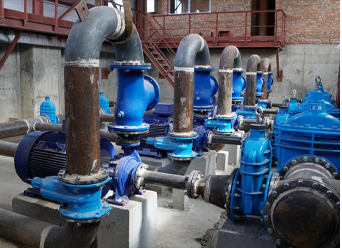
Drainage pumps are centrifugal pumps specifically engineered for the removal of liquids, typically water, from a defined area. They represent a critical component in numerous industrial and municipal applications, ranging from wastewater treatment plants and construction site dewatering to agricultural irrigation and flood control. Positioned within the broader pumping industry, drainage pumps occupy a niche demanding robust construction, efficient solids handling capabilities, and adaptability to varying fluid compositions. Their core performance is characterized by flow rate (typically measured in gallons per minute or cubic meters per hour), total dynamic head (TDH – the height to which the pump can lift the liquid), and power consumption. A key industry pain point centers around pump selection for specific slurry characteristics – incorrectly specified pumps experience premature failure due to abrasion, corrosion, or clogging, leading to costly downtime and maintenance.
Material Science & Manufacturing
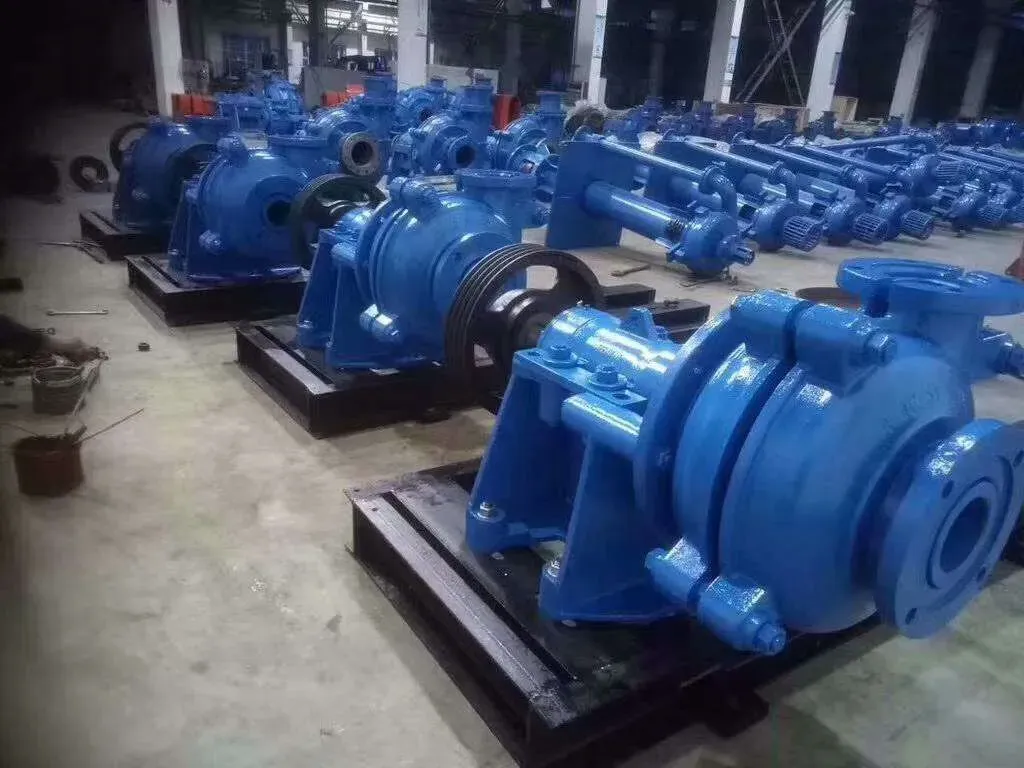
The construction of drainage pumps necessitates materials resistant to the fluids being pumped and the environmental conditions encountered. Pump housings are commonly manufactured from cast iron (ASTM A48 Class 30), stainless steel (304, 316 – conforming to ASTM A240), or high-density polyethylene (HDPE). Cast iron provides cost-effectiveness and good abrasion resistance for clean water applications. Stainless steel is crucial for corrosive environments, offering superior resistance to acids, alkalis, and chlorides. HDPE is increasingly utilized for its lightweight nature, chemical inertness, and cost-effectiveness in specific applications. Impellers, the rotating component generating flow, are often constructed from materials similar to the housing, with the addition of hardened alloys (e.g., high-chrome iron) for abrasive slurry handling. Shafts are generally manufactured from high-strength carbon steel (e.g., 4140 – conforming to ASTM A297) and undergo surface hardening treatments (induction hardening) to resist wear and torsion. Manufacturing processes include sand casting for housings, investment casting for impellers, and CNC machining for shafts and close-tolerance components. Welding processes, such as shielded metal arc welding (SMAW) or gas tungsten arc welding (GTAW), are employed for fabrication and repair, requiring strict adherence to AWS D1.1 standards. Parameter control during casting (cooling rates, mold materials) and welding (heat input, shielding gas composition) is vital to prevent defects such as porosity, shrinkage cavities, and cracking.
Performance & Engineering
Drainage pump performance is governed by principles of fluid dynamics and mechanical engineering. Key considerations include Net Positive Suction Head Required (NPSHr), a critical parameter determining the pump's ability to avoid cavitation. Cavitation, the formation and collapse of vapor bubbles within the pump, leads to noise, vibration, and impeller damage. Pump selection must ensure the available NPSH (NPSHa) at the installation site exceeds the pump’s NPSHr. Force analysis is crucial in impeller design to withstand centrifugal forces and hydrodynamic loads. Finite Element Analysis (FEA) is commonly used to optimize impeller geometry and minimize stress concentrations. Environmental resistance is paramount, with pumps requiring protection against corrosion, erosion, and abrasion. Coatings, such as epoxy or polyurethane, are often applied to pump housings and impellers to enhance corrosion resistance. Compliance requirements vary by region, with standards like those set by the Hydraulic Institute (HI) and regional environmental regulations (e.g., EPA in the US, EU directives in Europe) dictating efficiency standards, noise levels, and permissible discharge levels. Proper impeller balancing (conforming to ISO 1940-1) is critical for minimizing vibration and extending bearing life. The design must account for potential solids handling; impeller geometry (open or semi-open) dictates the maximum particle size the pump can handle without clogging.
Technical Specifications
| Parameter | Unit | Typical Range (Small Drainage Pump) | Typical Range (Large Drainage Pump) |
|---|---|---|---|
| Flow Rate | GPM (Gallons Per Minute) | 20-100 | 200-1000+ |
| Total Dynamic Head (TDH) | ft (Feet) | 10-50 | 80-200+ |
| Motor Power | HP (Horsepower) | 0.5 - 3 | 5 - 50+ |
| Solids Handling | in (Inches) | Up to 1/2" | Up to 3"+ |
| Pump Housing Material | - | Cast Iron, HDPE | Stainless Steel (304/316), Cast Iron |
| Impeller Material | - | Cast Iron, Polymer | Stainless Steel, High Chrome Iron |
Failure Mode & Maintenance
Drainage pump failures commonly stem from mechanical wear, corrosion, electrical faults, and operational misuse. Fatigue cracking in the impeller, particularly around the vanes, is a frequent failure mode induced by cyclical loading and stress concentrations. Corrosion, especially in aggressive fluid environments, can lead to housing and impeller erosion, reducing pump efficiency and potentially causing catastrophic failure. Bearing failures, often indicated by excessive noise and vibration, are typically caused by inadequate lubrication, contamination, or overloading. Shaft misalignment, stemming from improper installation or foundation settlement, induces bending stresses and accelerates bearing wear. Electrical failures, including motor winding burnout and seal failures, can result from overheating, voltage fluctuations, or moisture ingress. To mitigate these failures, regular maintenance is essential. This includes visual inspections for corrosion and wear, lubrication of bearings according to manufacturer specifications (using appropriate greases – conforming to NLGI standards), seal replacement, and monitoring of pump performance parameters (flow rate, pressure, current draw). Vibration analysis (conforming to ISO 10816) can detect early signs of bearing wear or imbalance. Preventative maintenance schedules should be tailored to the specific operating conditions and fluid characteristics. Flushing the pump regularly can remove abrasive particles and prevent clogging. For pumps handling abrasive slurries, wear plates and sacrificial liners should be inspected and replaced periodically.
Industry FAQ
Q: What is the key difference between a submersible drainage pump and a surface-mounted drainage pump?
A: Submersible pumps are designed to operate fully immersed in the fluid, eliminating the need for priming and offering advantages in applications with limited space or where suction lift is a concern. Surface-mounted pumps, conversely, are positioned outside the fluid and require priming. They are generally easier to access for maintenance but may be susceptible to cavitation if suction lift is excessive.
Q: How do I select the right impeller type for a specific drainage application?
A: The impeller type depends on the fluid characteristics. Open impellers are ideal for fluids containing solids, as they minimize clogging. Semi-open impellers provide a balance between solids handling and efficiency. Closed impellers are best suited for clean fluids and offer the highest efficiency but are prone to clogging.
Q: What is NPSH and why is it important for drainage pump selection?
A: NPSH (Net Positive Suction Head) is the absolute pressure at the pump suction, minus the pump’s vapor pressure. Sufficient NPSH is crucial to prevent cavitation. If the available NPSH at the installation site (NPSHa) is less than the pump’s required NPSH (NPSHr), cavitation will occur, leading to damage and reduced performance.
Q: What are the common causes of overheating in a drainage pump motor?
A: Overheating can be caused by several factors, including overvoltage or undervoltage, clogged pump impeller (leading to increased load), insufficient ventilation, and failed motor bearings. Regularly checking motor current draw and ensuring proper ventilation are crucial preventative measures.
Q: What are the best materials to choose for a pump handling highly corrosive fluids, such as sulfuric acid?
A: For highly corrosive fluids, stainless steel alloys (specifically 316 stainless steel or higher alloys like Alloy 20) and certain specialized polymers (like PTFE or PVDF) are recommended. The specific material selection should be based on the fluid's concentration, temperature, and flow velocity.
Conclusion
Drainage pumps are integral to maintaining fluid control across diverse industries. Effective pump selection hinges on a thorough understanding of fluid characteristics, operating conditions, and performance parameters. Material science plays a pivotal role, dictating longevity and resistance to corrosion and abrasion. Optimizing pump performance requires careful consideration of NPSH requirements, impeller design, and preventative maintenance protocols.
The long-term reliability and efficiency of drainage pumps are directly tied to proactive maintenance strategies, including regular inspections, lubrication, and timely component replacement. Adherence to relevant industry standards (Hydraulic Institute, ASTM, ISO) is crucial for ensuring safety, performance, and compliance. Continuous advancements in pump technology, such as variable frequency drives (VFDs) and smart monitoring systems, offer further opportunities to enhance efficiency and minimize lifecycle costs.
-
Comprehensive Guide to Waterproof ORings for Optimal Sealing Solutions
News2026-06-09
-
drainage pumps Performance and Engineering
News2026-06-09
-
basement bathroom ejector pump Material Science
News2026-06-09
-
Sewer Ejector Pump Cost Performance Analysis
News2026-06-09
-
Septic Tank Pump Replacement Performance Analysis
News2026-06-09
-
septic sump pump Performance and Engineering
News2026-06-09
-
Septic Pump System Performance Analysis
News2026-06-08
-
pump for septic Material Science
News2026-06-08
-
basement sewer pump Performance Analysis
News2026-06-08
-
submerged pump Performance Engineering
News2026-06-08
-
Septic System Pumps Performance Analysis
News2026-06-08
-
septic system pump Material Science and Manufacturing
News2026-06-07
-
pump for septic tank Material Science Manufacturing
News2026-06-07
-
submersible sewage pump Material Science
News2026-06-07
-
Sewage Ejector Material Science and Manufacturing
News2026-06-07




