English
- Afrikaans
- Albanian
- Amharic
- Arabic
- Armenian
- Azerbaijani
- Basque
- Belarusian
- Bengali
- Bosnian
- Bulgarian
- Catalan
- Cebuano
- Corsican
- Croatian
- Czech
- Danish
- Dutch
- English
- Esperanto
- Estonian
- Finnish
- French
- Frisian
- Galician
- Georgian
- German
- Greek
- Gujarati
- Haitian Creole
- hausa
- hawaiian
- Hebrew
- Hindi
- Miao
- Hungarian
- Icelandic
- igbo
- Indonesian
- irish
- Italian
- Japanese
- Javanese
- Kannada
- kazakh
- Khmer
- Rwandese
- Korean
- Kurdish
- Kyrgyz
- Lao
- Latin
- Latvian
- Lithuanian
- Luxembourgish
- Macedonian
- Malgashi
- Malay
- Malayalam
- Maltese
- Maori
- Marathi
- Mongolian
- Myanmar
- Nepali
- Norwegian
- Norwegian
- Occitan
- Pashto
- Persian
- Polish
- Portuguese
- Punjabi
- Romanian
- Russian
- Samoan
- Scottish Gaelic
- Serbian
- Sesotho
- Shona
- Sindhi
- Sinhala
- Slovak
- Slovenian
- Somali
- Spanish
- Sundanese
- Swahili
- Swedish
- Tagalog
- Tajik
- Tamil
- Tatar
- Telugu
- Thai
- Turkish
- Turkmen
- Ukrainian
- Urdu
- Uighur
- Uzbek
- Vietnamese
- Welsh
- Bantu
- Yiddish
- Yoruba
- Zulu

Telephone: +86 13120555503
Email: frank@cypump.com


Apr . 01, 2024 17:55 Back to list
Drain Field Pump Technology and Performance Analysis
Introduction
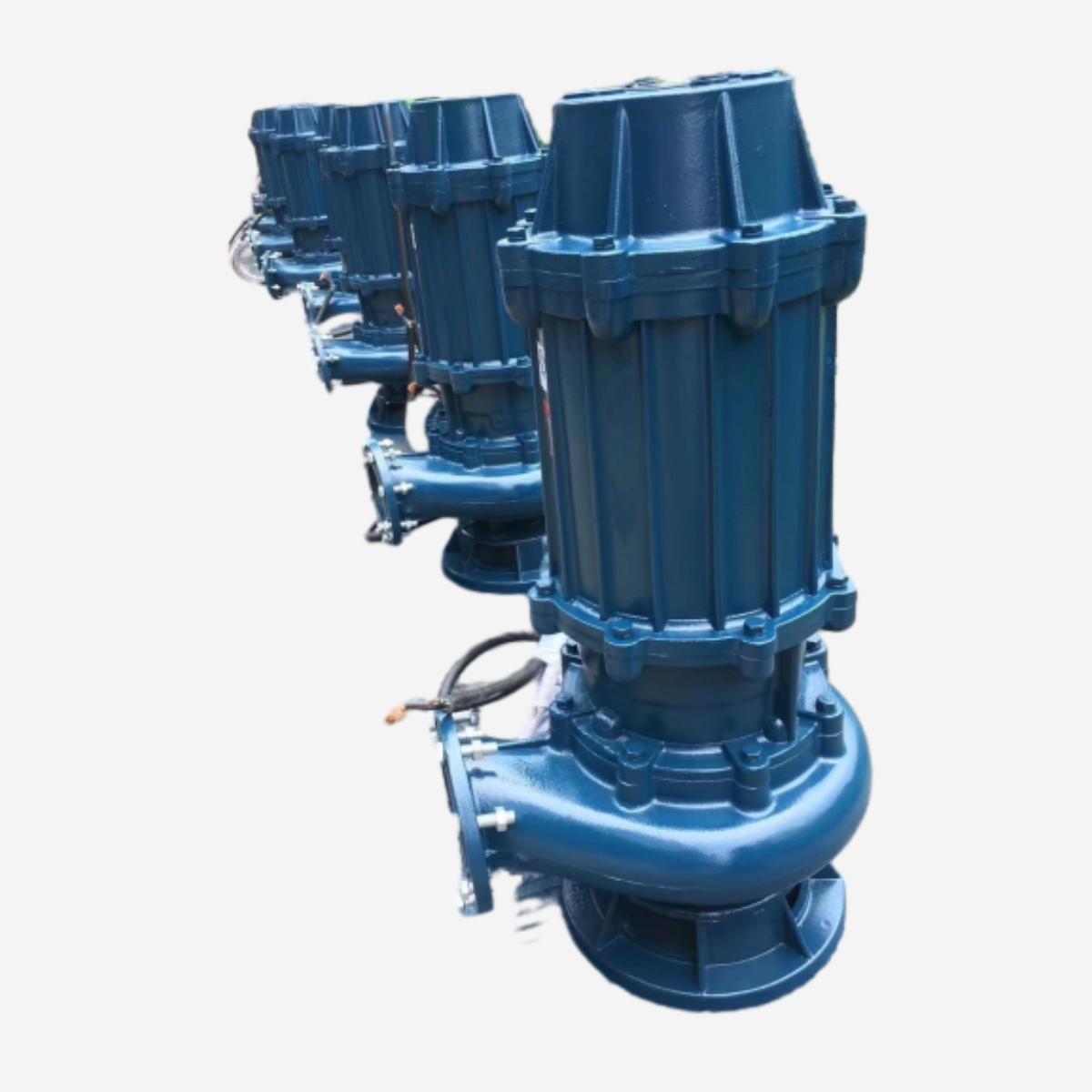
Drain field pumps, also known as effluent pumps or septic tank pumps, are critical components in wastewater management systems, particularly for properties lacking direct gravity flow to a drain field. Positioned within the septic tank or a dedicated lift station, these pumps transfer effluent – partially treated wastewater – to the drain field for final filtration and absorption into the soil. Their technical position in the wastewater treatment chain is post-septic tank, acting as a pressure-boosting mechanism to overcome elevation differences or long distances. Core performance characteristics include flow rate (gallons per minute or liters per minute), head (the maximum vertical distance the pump can lift the effluent), horsepower, and solids handling capability. Proper pump selection and operation are paramount to prevent system failure, environmental contamination, and costly repairs. This guide provides a detailed examination of drain field pump technology, covering material science, manufacturing, performance parameters, failure modes, and industry standards.
Material Science & Manufacturing
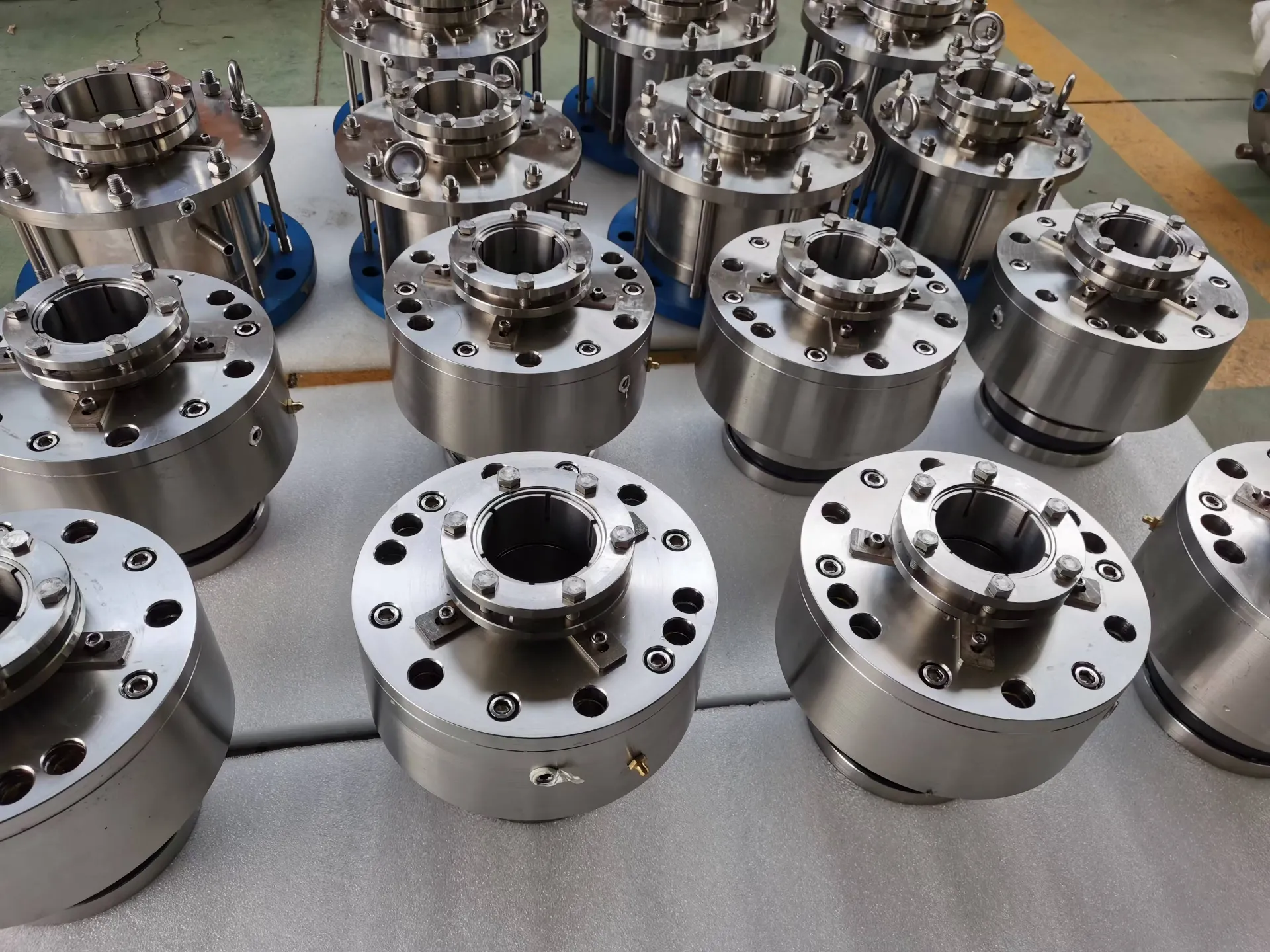
Drain field pumps are constructed from materials designed for long-term exposure to corrosive wastewater environments. Pump housings are typically manufactured from engineered thermoplastics, such as polypropylene (PP) or high-density polyethylene (HDPE), due to their excellent chemical resistance to hydrogen sulfide, fats, oils, and greases (FOG), and other common septic tank constituents. Impellers and diffusers, responsible for fluid transfer, are often made from stainless steel (304 or 316 grade) or durable thermoplastic composites. Mechanical seals, critical for preventing leakage around the motor shaft, are frequently composed of silicon carbide or tungsten carbide for abrasion resistance and compatibility with wastewater.
Manufacturing processes vary depending on the component. Thermoplastic housings are produced via injection molding, a process demanding precise temperature and pressure control to ensure dimensional accuracy and material homogeneity. Stainless steel impellers are typically investment cast, providing intricate geometries and smooth surface finishes essential for hydraulic efficiency. Assembly involves careful alignment of rotating components, rigorous testing for leaks and performance, and the application of protective coatings where appropriate. A key parameter control during manufacturing is the dimensional tolerance of the impeller and housing interface; even minor deviations can significantly reduce pump efficiency and increase the risk of cavitation. The quality of the mechanical seal is also crucial; inadequate sealing can lead to motor failure and environmental contamination. Furthermore, the electrical components undergo stringent insulation testing to prevent short circuits in the wet environment.
Performance & Engineering
The performance of a drain field pump is governed by several key engineering principles. Bernoulli's principle dictates the relationship between fluid velocity, pressure, and elevation. The pump must generate sufficient head to overcome the static lift (vertical distance to the drain field), friction losses within the piping system, and the pressure required for effective distribution within the drain field. Hydraulic design focuses on maximizing pump efficiency, minimizing turbulence, and preventing solids buildup. Force analysis considers the radial and axial loads imposed on the pump shaft and bearings by the impeller and fluid flow. The pump's motor must be sized to provide adequate torque to overcome these loads and maintain the desired flow rate.
Environmental resistance is a crucial design consideration. Pumps must be able to withstand prolonged immersion in wastewater, fluctuating temperatures, and potential exposure to corrosive gases. Compliance requirements vary by region but generally include certifications related to electrical safety (UL, CSA), NSF/ANSI standards for wastewater treatment components, and local plumbing codes. Functional implementation often involves the integration of float switches to automatically activate and deactivate the pump based on effluent levels in the septic tank. These switches must be reliable and protected from fouling to ensure proper operation. Proper venting of the lift station is also essential to prevent the buildup of harmful gases and maintain optimal pump performance. The pump's electrical system must be appropriately grounded to prevent electrical shock hazards.
Technical Specifications
| Parameter | Typical Value (Residential Application) | Typical Value (Commercial Application) | Units |
|---|---|---|---|
| Flow Rate | 60-100 | 150-300 | GPM |
| Total Dynamic Head | 20-50 | 50-100 | Feet |
| Horsepower | 1/2 - 1 | 1 - 5 | HP |
| Solids Handling Capability | Up to 2 inch | Up to 3 inch | Diameter |
| Voltage | 120V or 240V | 240V or 480V | VAC |
| Phase | Single Phase | Three Phase | - |
Failure Mode & Maintenance
Drain field pump failures can stem from several causes. Fatigue cracking of the impeller, particularly in pumps handling abrasive solids, is a common failure mode. Delamination of thermoplastic housings can occur due to prolonged exposure to UV radiation or chemical attack. Mechanical seal failures result in leakage, leading to motor burnout. Clogging by FOG, lint, or other debris can impede impeller rotation and overload the motor. Oxidation of electrical components can cause short circuits and pump failure.
Preventative maintenance is crucial. Regular inspection of float switches ensures proper operation. Periodic cleaning of the pump intake and wet well removes accumulated debris. Annual inspection of the mechanical seal and impeller for wear or damage can prevent catastrophic failures. Lubrication of bearings (if applicable) reduces friction and extends pump life. If the pump experiences frequent cycling, it may indicate a problem with the septic tank or drain field itself, requiring further investigation. When replacing a pump, ensure the new unit is compatible with the existing piping and electrical system. Properly disposing of the old pump according to local environmental regulations is essential.
Industry FAQ
Q: What is the typical lifespan of a drain field pump?
A: The lifespan varies based on usage and maintenance, but a well-maintained drain field pump typically lasts between 7 to 10 years. Commercial applications with higher run times will likely require more frequent replacement.
Q: How do I determine the correct pump size for my application?
A: Pump sizing requires calculating the total dynamic head (TDH) and desired flow rate. The TDH includes static lift, friction losses in the piping, and any pressure requirements at the drain field. Flow rate is determined by the size of the household and the estimated wastewater generation.
Q: What are the advantages of a submersible pump versus a above-ground pump?
A: Submersible pumps are generally preferred due to their quieter operation, self-priming capability, and reduced risk of cavitation. Above-ground pumps require priming and are more susceptible to noise and cavitation issues.
Q: What causes a drain field pump to cycle on and off frequently?
A: Frequent cycling can indicate a faulty float switch, a clogged pump intake, a leak in the septic system, or an undersized pump. A thorough inspection is necessary to diagnose the root cause.
Q: What safety precautions should be taken when working with drain field pumps?
A: Always disconnect power before performing any maintenance. Wear appropriate personal protective equipment (PPE), including gloves and eye protection. Be aware of the potential for hazardous gases in the septic tank and ensure adequate ventilation. Consult with a qualified professional if you are unsure about any aspect of pump maintenance or repair.
Conclusion
Drain field pumps are essential components of modern wastewater treatment systems, providing a reliable means of effluent transfer where gravity alone is insufficient. Their performance is dictated by a complex interplay of material science, hydraulic engineering, and electrical design. Selecting the appropriate pump size and implementing a robust preventative maintenance program are crucial for maximizing pump lifespan and preventing costly system failures.
The future of drain field pump technology is likely to focus on enhanced monitoring capabilities, improved energy efficiency, and the integration of smart controls for remote diagnostics and automated operation. Adherence to industry standards and best practices remains paramount to ensure environmental protection and the long-term reliability of these critical wastewater management components.
-
Precision at the Pump: How Better Machining Protects Flow and Uptime
News2026-11-20
-
Why Pump Reliability Begins Before the First Drop of Fluid
News2026-11-20
-
Beyond the Pump: Designing Safer Access Around Critical Water Infrastructure
News2026-11-20
-
Why Pumping Stations Depend on the Infrastructure Beneath the Pumps
News2026-11-20
-
Beyond the Pump Room: How Smarter Loading Protects Industrial Equipment
News2026-11-19
-
When Pumps Stop: Designing More Resilient Power for Critical Pumping Systems
News2026-11-19
-
The Hidden Role of Dust and Gas Monitoring in Reliable Pump Operations
News2026-11-19
-
The Hidden Role of Mineral Compounds in Extending Industrial Pump Lifespan
News2026-10-12
-
Why Pump System Reliability Depends on Precision Hose Assembly Methods
News2026-09-15
-
How Advanced Imaging Films Are Transforming Pump Component Quality Control
News2026-08-25
-
How Advanced Filtration Protects Pump Systems from Premature Wear and Costly Downtime
News2026-08-25
-
How Steel Material Selection Drives Pump Reliability in Heavy-Duty Systems
News2026-08-25
-
Ensuring Pump System Efficiency: The Role of High-Quality Pipe Fittings and Tubing
News2026-08-24
-
Optimizing Fluid Dynamics and Material Consistency in Industrial Processing
News2026-08-18
-
Innovations and Challenges in Hydraulic Systems for Heavy Machinery
News2026-08-13




