English
- Afrikaans
- Albanian
- Amharic
- Arabic
- Armenian
- Azerbaijani
- Basque
- Belarusian
- Bengali
- Bosnian
- Bulgarian
- Catalan
- Cebuano
- Corsican
- Croatian
- Czech
- Danish
- Dutch
- English
- Esperanto
- Estonian
- Finnish
- French
- Frisian
- Galician
- Georgian
- German
- Greek
- Gujarati
- Haitian Creole
- hausa
- hawaiian
- Hebrew
- Hindi
- Miao
- Hungarian
- Icelandic
- igbo
- Indonesian
- irish
- Italian
- Japanese
- Javanese
- Kannada
- kazakh
- Khmer
- Rwandese
- Korean
- Kurdish
- Kyrgyz
- Lao
- Latin
- Latvian
- Lithuanian
- Luxembourgish
- Macedonian
- Malgashi
- Malay
- Malayalam
- Maltese
- Maori
- Marathi
- Mongolian
- Myanmar
- Nepali
- Norwegian
- Norwegian
- Occitan
- Pashto
- Persian
- Polish
- Portuguese
- Punjabi
- Romanian
- Russian
- Samoan
- Scottish Gaelic
- Serbian
- Sesotho
- Shona
- Sindhi
- Sinhala
- Slovak
- Slovenian
- Somali
- Spanish
- Sundanese
- Swahili
- Swedish
- Tagalog
- Tajik
- Tamil
- Tatar
- Telugu
- Thai
- Turkish
- Turkmen
- Ukrainian
- Urdu
- Uighur
- Uzbek
- Vietnamese
- Welsh
- Bantu
- Yiddish
- Yoruba
- Zulu

Telephone: +86 13120555503
Email: frank@cypump.com


Apr . 01, 2024 17:55 Back to list
Double Suction Water Pump Quotes Performance Analysis
Introduction
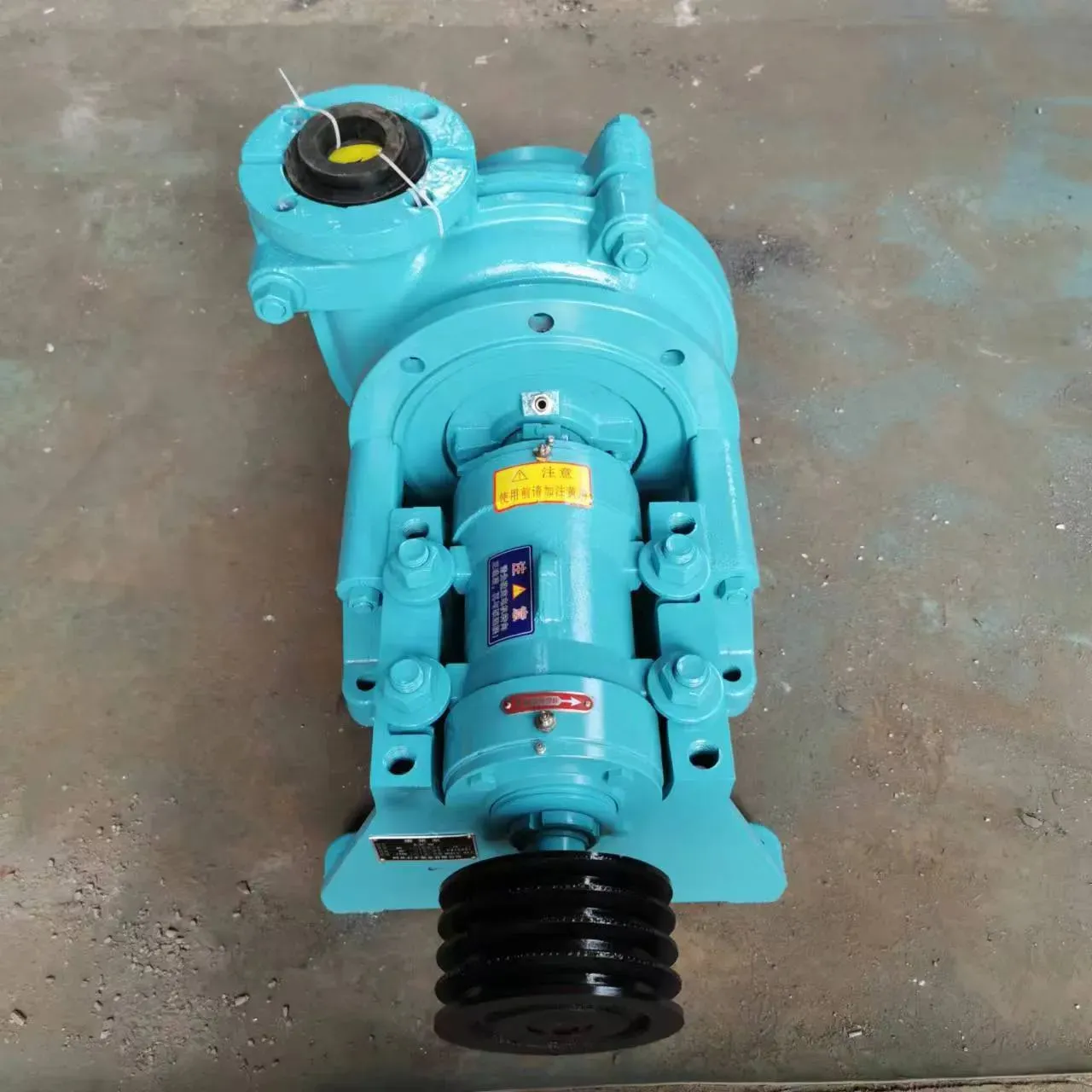
Double suction water pumps are centrifugal pumps designed to move water by utilizing rotational energy. Distinguished by their impeller design, which draws water in from both sides, they offer increased flow rates and reduced axial thrust compared to single-suction pumps. In the industrial chain, they represent a critical component within water management systems, finding application across diverse sectors including municipal water supply, wastewater treatment, power generation, irrigation, and industrial process cooling. Understanding the nuances of double suction pump construction, performance characteristics, and operational limitations is paramount for accurate quoting, selection, and long-term operational efficiency. The core performance parameters—flow rate, head, efficiency, and Net Positive Suction Head Required (NPSHr)— dictate their suitability for specific applications and drive the basis for commercial quotation. This guide provides a comprehensive technical overview geared towards procurement professionals, engineers, and technical sales personnel involved in the specification and acquisition of these pumps.
Material Science & Manufacturing
The performance and longevity of a double suction water pump are heavily reliant on the material selection and manufacturing processes employed. Pump casings are commonly constructed from cast iron (ASTM A126 Class 30 or higher), ductile iron (ASTM A536 65-45-12), or stainless steel (304, 316, or duplex grades, depending on fluid corrosivity). The impeller, subjected to high centrifugal forces and potential cavitation, frequently utilizes materials like bronze (ASTM B148 Alloy 844), stainless steel (CF8, CF8M), or polymeric composites for specific applications. Shafts are typically manufactured from medium carbon steel (AISI 1045) and are hardened and tempered to resist torsional stress. Seals employ materials like silicon carbide, tungsten carbide, and various elastomers (Viton, EPDM) chosen for their chemical compatibility and wear resistance.
Manufacturing processes vary based on pump size and complexity. Casings are generally produced via sand casting followed by machining to precise tolerances. Impellers are often produced using investment casting or centrifugal casting for improved accuracy and material properties. Welding processes (SMAW, GTAW) are employed for certain components and require strict adherence to AWS D1.1 standards. Key parameter control during manufacturing includes dimensional accuracy of the impeller vanes, surface finish of the casing to minimize friction, and concentricity of the shaft to prevent vibration. Non-destructive testing (NDT) methods like ultrasonic testing (UT) and radiographic testing (RT) are crucial for detecting internal flaws in critical components.
Performance & Engineering
The hydraulic performance of a double suction pump is governed by the principles of fluid mechanics and is characterized by its pump curve—a graphical representation of head versus flow rate at a constant speed. The pump’s specific speed (Ns) classifies its impeller geometry and optimal operating conditions. Force analysis focuses on radial loads induced by the impeller and axial thrust balanced by balancing drums or discs. Cavitation, a critical concern, occurs when the absolute pressure at the impeller inlet falls below the vapor pressure of the fluid, resulting in vapor bubble formation and subsequent implosion, causing noise, vibration, and impeller erosion. NPSHr, a crucial design parameter, defines the minimum pressure required at the pump inlet to prevent cavitation.
Environmental resistance is paramount; pumps operating in corrosive environments require materials with appropriate chemical compatibility. Compliance with industry standards such as ANSI/HI (Hydraulic Institute) standards ensures performance verification and interchangeability. Engineering considerations include motor selection (NEMA standards), coupling alignment, and pipe support to minimize vibration and stress on the pump and piping system. Proper pump sizing and system head loss calculations are essential to achieve optimal efficiency and avoid overloading the motor. Understanding the system curve (head loss versus flow rate) is vital for selecting a pump that operates efficiently within the desired operating range.
Technical Specifications
| Parameter | Unit | Typical Range (Cast Iron) | Typical Range (Stainless Steel 316) |
|---|---|---|---|
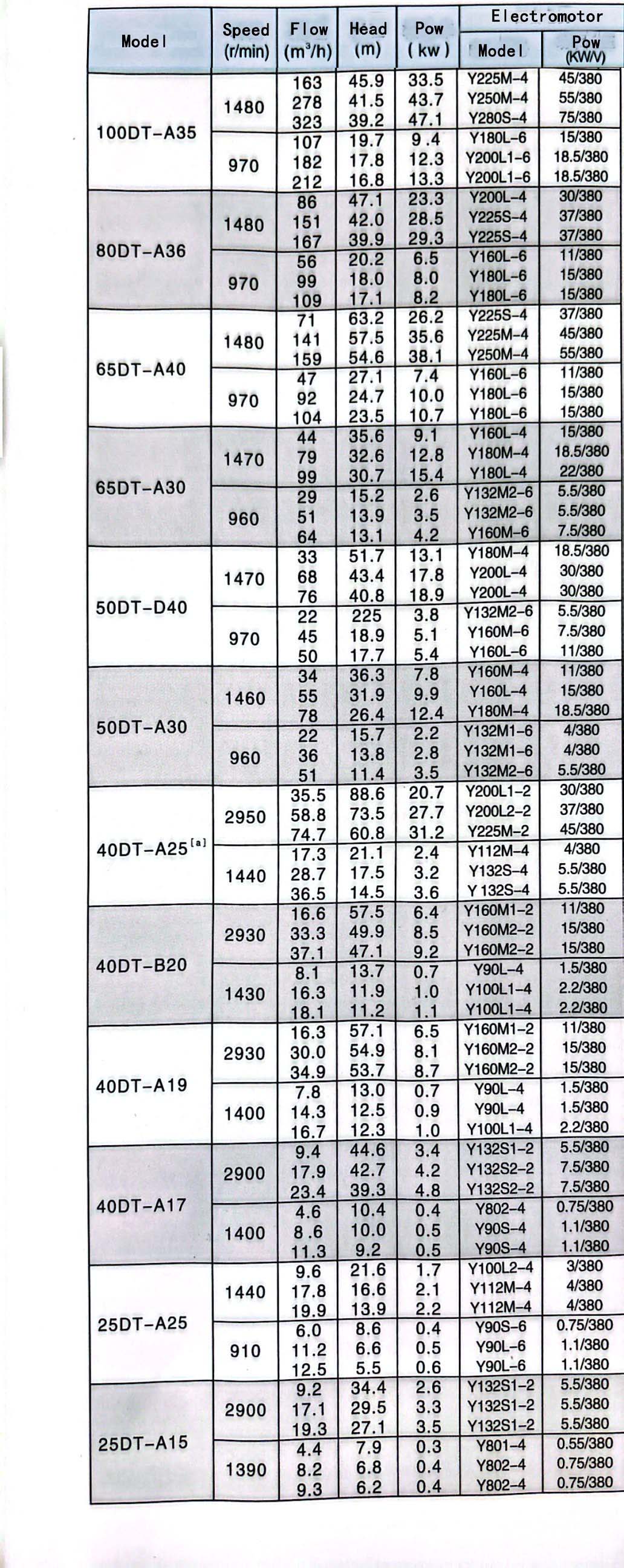
| Flow Rate | m³/h | 50 – 2000 | 20 – 800 |
| Head | m | 10 – 100 | 20 – 120 |
| Pump Speed | RPM | 1450 – 3600 | 1450 – 3600 |
| NPSHr | m | 2 – 8 | 3 – 10 |
| Casing Material | - | Cast Iron (A126 Cl.30) | Stainless Steel (316) |
| Impeller Material | - | Cast Iron/Bronze | Stainless Steel (CF8) |
Failure Mode & Maintenance
Common failure modes in double suction water pumps include bearing failure (due to inadequate lubrication, misalignment, or overload), seal failure (caused by abrasion, chemical incompatibility, or excessive pressure), impeller erosion (resulting from cavitation or abrasive particles in the fluid), and casing cracking (due to thermal stress, corrosion, or hydraulic shock). Fatigue cracking can occur in the shaft and impeller due to cyclical loading. Delamination of coatings can occur on pump casings exposed to corrosive environments. Oxidation and corrosion are prevalent issues in pumps handling water with high oxygen content or corrosive contaminants.
Preventive maintenance is crucial. Regular lubrication of bearings, inspection of seals, and monitoring of vibration levels are essential. Impeller balancing should be performed periodically to minimize vibration. Routine visual inspections can detect early signs of corrosion or erosion. For seal failures, proper seal selection and flushing are critical. In cases of cavitation damage, reducing the pump speed or increasing the NPSHa (Net Positive Suction Head Available) is recommended. Periodic water quality analysis can help identify corrosive contaminants and allow for appropriate mitigation strategies. Detailed maintenance logs should be maintained to track repair history and predict future failures.
Industry FAQ
Q: What is the impact of fluid viscosity on pump performance?
A: Increased fluid viscosity generally leads to a decrease in pump flow rate and efficiency. The higher viscosity increases frictional losses within the pump and piping system, requiring more power to achieve the same flow. Pump curves are typically generated using water; performance with viscous fluids requires correction factors.
Q: How do I determine the appropriate NPSHa for a given application?
A: NPSHa is calculated based on the system's static head, vapor pressure, and friction losses in the suction piping. It must be greater than the pump's NPSHr by a safety margin (typically 1-2 meters) to prevent cavitation. Accurate pipe sizing and minimizing suction lift are critical.
Q: What are the advantages of using a variable frequency drive (VFD) with a double suction pump?
A: VFDs allow for precise control of pump speed, enabling flow rate adjustment to match demand. This results in energy savings, reduced wear and tear on the pump, and improved process control. Affinity laws govern the relationship between pump speed, flow, head, and power.
Q: What material selection is best for handling seawater?
A: Seawater is highly corrosive due to its chloride content. Stainless steel alloys like 316 or duplex stainless steel are recommended for pump components in contact with seawater. Sacrificial anodes may also be used to protect the pump from corrosion.
Q: What are the implications of exceeding the pump's maximum operating temperature?
A: Exceeding the pump's maximum operating temperature can lead to seal failure, reduced lubrication effectiveness, and potential material degradation. It can also cause thermal expansion stresses that damage the pump casing or impeller.
Conclusion
Double suction water pumps represent a cornerstone of fluid transfer systems across numerous industries. Accurate specification requires a thorough understanding of hydraulic principles, material science, and potential failure modes. This technical guide has outlined the key considerations for selecting, quoting, and maintaining these pumps, emphasizing the importance of NPSHr calculation, proper material selection based on fluid compatibility, and adherence to relevant industry standards.
The ongoing drive for energy efficiency and sustainability will likely lead to increased adoption of VFDs and optimized pump designs. Further advancements in materials science, particularly in corrosion-resistant alloys and composite materials, will enhance pump longevity and reduce lifecycle costs. A proactive approach to maintenance, coupled with continuous monitoring of performance parameters, is essential for maximizing the reliability and efficiency of these vital industrial components.
-
Comprehensive Guide to Waterproof ORings for Optimal Sealing Solutions
News2026-06-09
-
Septic Pump System Performance Analysis
News2026-06-08
-
pump for septic Material Science
News2026-06-08
-
basement sewer pump Performance Analysis
News2026-06-08
-
submerged pump Performance Engineering
News2026-06-08
-
Septic System Pumps Performance Analysis
News2026-06-08
-
septic system pump Material Science and Manufacturing
News2026-06-07
-
pump for septic tank Material Science Manufacturing
News2026-06-07
-
submersible sewage pump Material Science
News2026-06-07
-
Sewage Ejector Material Science and Manufacturing
News2026-06-07
-
Ejection Pump Material Science
News2026-06-07
-
pump submersible Performance Analysis
News2026-06-06
-
ejector pumps Performance Engineering
News2026-06-06
-
basement ejector pump Material Science Manufacturing
News2026-06-06
-
Septic Tanks Pumping Performance Analysis
News2026-06-06




