English
- Afrikaans
- Albanian
- Amharic
- Arabic
- Armenian
- Azerbaijani
- Basque
- Belarusian
- Bengali
- Bosnian
- Bulgarian
- Catalan
- Cebuano
- Corsican
- Croatian
- Czech
- Danish
- Dutch
- English
- Esperanto
- Estonian
- Finnish
- French
- Frisian
- Galician
- Georgian
- German
- Greek
- Gujarati
- Haitian Creole
- hausa
- hawaiian
- Hebrew
- Hindi
- Miao
- Hungarian
- Icelandic
- igbo
- Indonesian
- irish
- Italian
- Japanese
- Javanese
- Kannada
- kazakh
- Khmer
- Rwandese
- Korean
- Kurdish
- Kyrgyz
- Lao
- Latin
- Latvian
- Lithuanian
- Luxembourgish
- Macedonian
- Malgashi
- Malay
- Malayalam
- Maltese
- Maori
- Marathi
- Mongolian
- Myanmar
- Nepali
- Norwegian
- Norwegian
- Occitan
- Pashto
- Persian
- Polish
- Portuguese
- Punjabi
- Romanian
- Russian
- Samoan
- Scottish Gaelic
- Serbian
- Sesotho
- Shona
- Sindhi
- Sinhala
- Slovak
- Slovenian
- Somali
- Spanish
- Sundanese
- Swahili
- Swedish
- Tagalog
- Tajik
- Tamil
- Tatar
- Telugu
- Thai
- Turkish
- Turkmen
- Ukrainian
- Urdu
- Uighur
- Uzbek
- Vietnamese
- Welsh
- Bantu
- Yiddish
- Yoruba
- Zulu

Telephone: +86 13120555503
Email: frank@cypump.com


Apr . 01, 2024 17:55 Back to list
double suction volute pump Material Science Manufacturing
Introduction
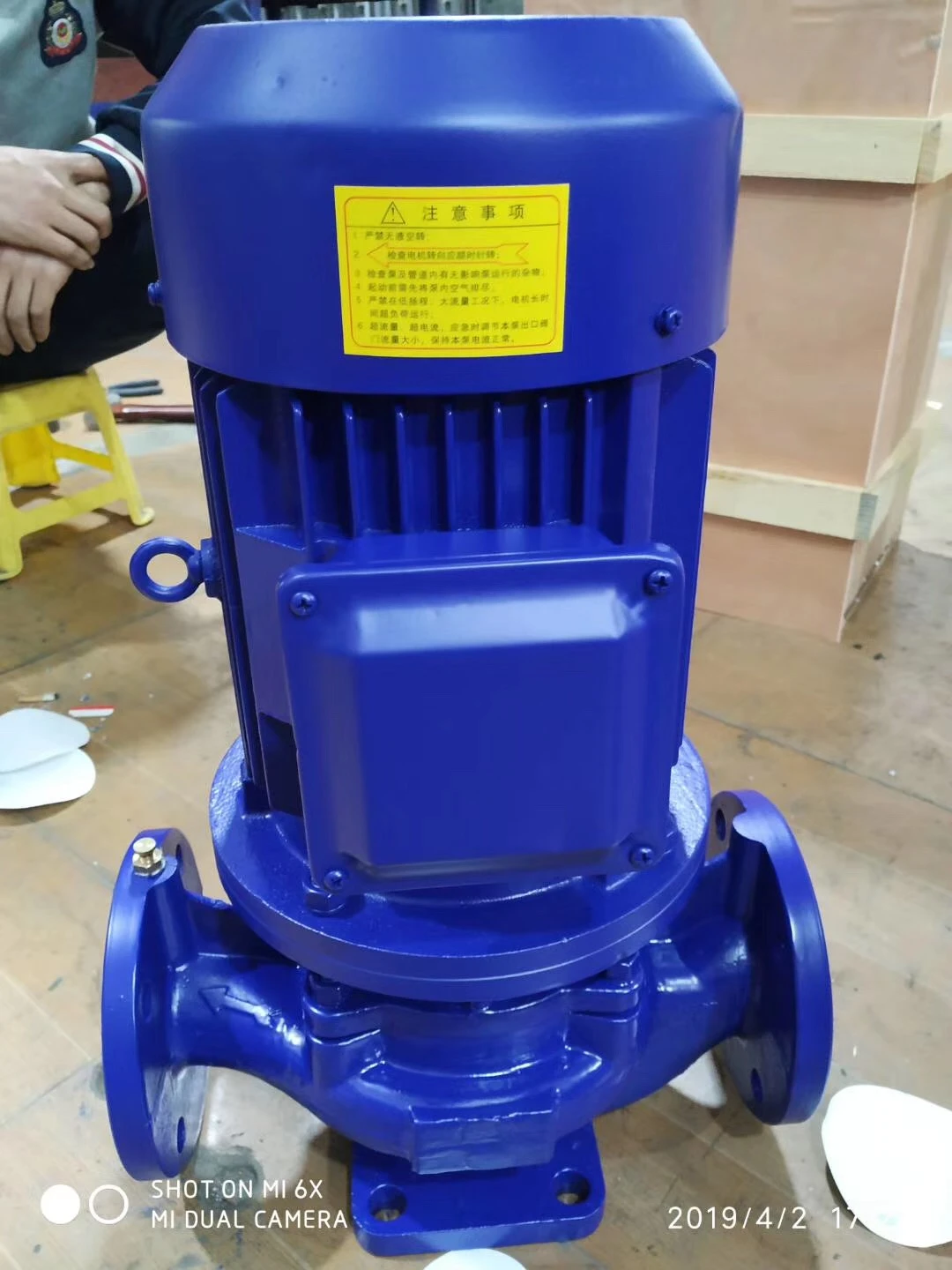
The double suction volute pump is a centrifugal pump designed to handle large volumes of fluid at relatively low heads. Positioned as a critical component within fluid transfer systems across numerous industries – including water treatment, power generation, irrigation, and industrial process management – its defining feature is the intake of fluid from both sides of the impeller. This symmetrical design minimizes hydraulic thrust, allowing for stable operation and extended component life compared to single-suction counterparts. Core performance characteristics include high volumetric efficiency, reduced radial load on bearings, and a capability to operate with a variable Net Positive Suction Head Available (NPSHA). Understanding these characteristics and associated engineering principles is essential for optimal pump selection, installation, and maintenance, directly impacting operational reliability and overall system efficiency. The increasing demand for energy-efficient fluid handling solutions has solidified the double suction volute pump’s role in modern industrial infrastructure.
Material Science & Manufacturing
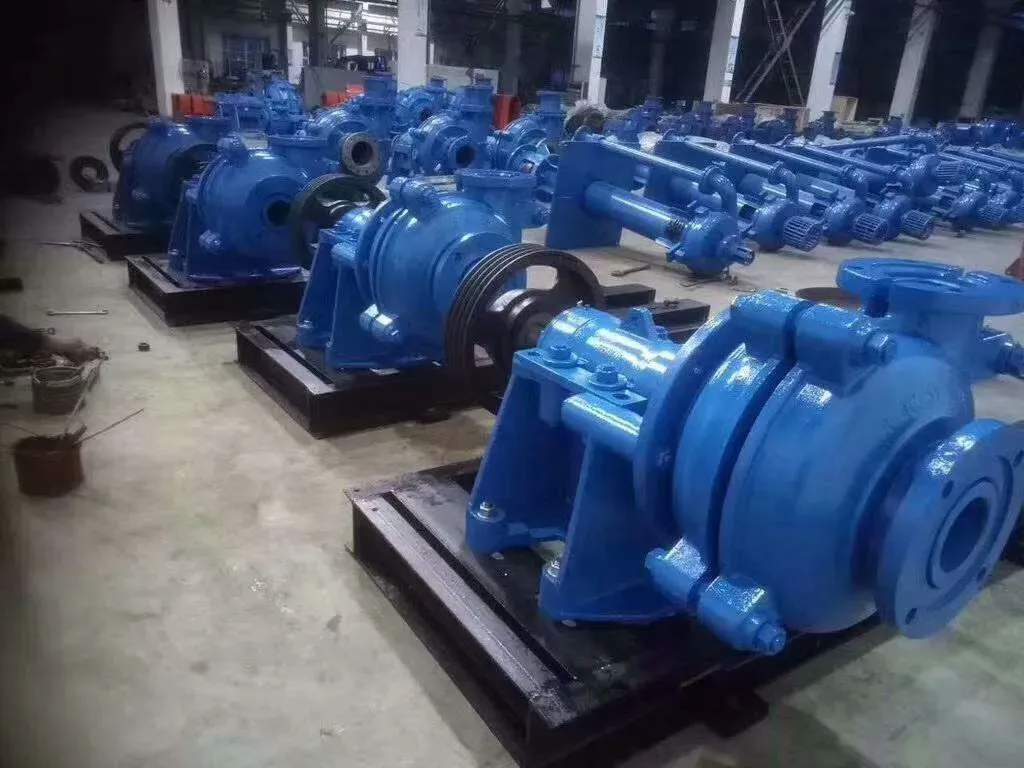
The performance and longevity of a double suction volute pump are intrinsically linked to the materials used in its construction and the precision of its manufacturing processes. The primary components – casing, impeller, and shaft – dictate the pump's suitability for specific applications. Casings are typically constructed from cast iron (ASTM A48 Class 30), ductile iron (ASTM A536 65-45-12), or stainless steel (304/316), selected based on fluid corrosivity and pressure requirements. Ductile iron offers enhanced strength and impact resistance. Impellers are often made from cast iron, bronze (ASTM B584), or stainless steel. Bronze is favored for its corrosion resistance in seawater applications, while stainless steel is selected for handling highly corrosive fluids. The shaft material, crucial for transmitting rotational power, is typically alloy steel (AISI 4140) and undergoes heat treatment to enhance tensile strength and fatigue resistance.
Manufacturing involves several key processes. Casing production utilizes sand casting or investment casting, requiring precise pattern making and core design to achieve the complex volute geometry. Impeller manufacturing commonly employs investment casting for intricate blade profiles. Critical parameters include mold material composition, pouring temperature, and cooling rate, all impacting the final microstructure and mechanical properties. Shafts are machined from solid bar stock, with tight tolerances maintained on diameter and surface finish to ensure proper bearing fit and sealing. Welding is employed for joining components, particularly in larger pumps. Welding procedures must adhere to ASME Section IX standards, utilizing appropriate filler metals and post-weld heat treatment to prevent cracking and ensure structural integrity. Balancing of the impeller is paramount; even minor imbalances can lead to excessive vibration and premature bearing failure. Static and dynamic balancing are performed according to ISO 1940-1 standards. Finally, thorough non-destructive testing (NDT), including liquid penetrant inspection (LPI) and ultrasonic testing (UT), is conducted to detect internal flaws and surface defects before assembly.
Performance & Engineering
The performance of a double suction volute pump is fundamentally governed by principles of fluid dynamics and mechanical engineering. The pump's head-capacity curve is a crucial performance characteristic, representing the relationship between the fluid flow rate (capacity) and the pressure difference the pump can generate (head). This curve is influenced by impeller geometry, casing design, and rotational speed. Force analysis reveals that the double-suction design significantly reduces radial thrust on the shaft compared to single-suction pumps. This reduction is achieved by balancing the hydraulic forces acting on the impeller. However, axial thrust still exists due to variations in pressure distribution and requires careful management through bearing selection and, in some designs, the inclusion of thrust bearings.
Environmental resistance is a critical engineering consideration. For applications involving corrosive fluids, material selection – particularly stainless steel alloys – is paramount. Coatings, such as epoxy or fluoropolymer linings, can provide additional protection. Pumps operating in harsh climates require considerations for temperature extremes. Low temperatures can increase fluid viscosity and reduce NPSHA, while high temperatures can affect material strength and sealing performance. Compliance requirements vary depending on the application and geographic location. For example, pumps used in potable water systems must comply with NSF/ANSI 61 standards for lead content and material safety. Pumps used in hazardous environments require compliance with ATEX or IECEx directives for explosion protection. Functional implementation relies on proper system design, including accurate pipe sizing, appropriate valve selection, and the implementation of control systems to regulate pump speed and flow rate, optimizing energy efficiency and process control.
Technical Specifications
| Parameter | Unit | Typical Range | Notes |
|---|---|---|---|
| Flow Rate (Capacity) | m³/h | 50 – 2000 | Dependent on impeller diameter and speed |
| Head | m | 5 – 80 | Varies with impeller design and pump speed |
| Suction Pressure | MPa | -0.1 – 1.0 | Must be sufficient to avoid cavitation |
| Discharge Pressure | MPa | 0.5 – 5.0 | Dependent on system resistance |
| Pump Speed | RPM | 750 – 3600 | Typically driven by electric motors |
| Power | kW | 2.2 – 200 | Varies significantly with flow rate and head |
Failure Mode & Maintenance
Double suction volute pumps, while robust, are susceptible to several failure modes. Cavitation, caused by insufficient NPSHA, is a primary concern, leading to impeller erosion and reduced pump performance. Fatigue cracking can occur in the casing and impeller due to cyclic loading and stress concentration, particularly around the volute tongue. Shaft misalignment or bearing failure can result in excessive vibration and premature wear of seals and bearings. Corrosion, especially in pumps handling aggressive fluids, can lead to material degradation and leakage. Seal failure is a common issue, often caused by abrasive particles, dry running, or improper installation. Mechanical seals typically exhibit wear on the seal faces, leading to leakage, while packing glands can experience wear and require periodic adjustment.
Preventive maintenance is crucial for maximizing pump lifespan and minimizing downtime. Regular vibration analysis can detect early signs of imbalance or bearing wear. Lubrication schedules must be strictly adhered to, using appropriate lubricants for the bearing type and operating conditions. Periodic inspection of seals and packing glands is essential for identifying leaks and preventing catastrophic failure. Monitoring of pump performance parameters, such as flow rate, head, and power consumption, can detect deviations from normal operation, indicating potential problems. Flushing of the pump and piping system can remove debris and prevent clogging. Overhaul procedures involve disassembly, inspection, and replacement of worn components, including impellers, bearings, seals, and wear rings. Proper alignment of the pump and motor during reassembly is critical to prevent vibration and ensure efficient operation. Regular inspection for corrosion and application of protective coatings can extend the service life of the pump.
Industry FAQ
Q: What is the impact of impeller trim on pump efficiency and NPSH requirements?
A: Impeller trimming is a common practice to adjust pump performance to specific system requirements. However, trimming the impeller reduces the impeller’s hydraulic efficiency and increases the required NPSH. The reduced diameter lowers the tip speed, decreasing head and flow. While it allows for achieving the desired flow rate, it comes at the cost of efficiency. Careful hydraulic calculations are necessary to optimize trimming without compromising pump stability or significantly reducing efficiency.
Q: How do you select the appropriate casing material for a pump handling a corrosive fluid like sulfuric acid?
A: Selecting the right casing material for corrosive fluids is critical. For sulfuric acid, stainless steel alloys (316L) are often preferred due to their resistance to corrosion. However, the concentration and temperature of the acid significantly impact material selection. For highly concentrated and hot sulfuric acid, more exotic materials like Alloy 20 or Hastelloy C may be required. A thorough chemical compatibility analysis is essential, considering the specific fluid composition and operating conditions.
Q: What are the best practices for minimizing vibration in a double suction volute pump installation?
A: Minimizing vibration involves several key practices. Precise alignment of the pump and motor is paramount, utilizing laser alignment tools for optimal accuracy. Proper baseplate rigidity and foundation support are essential to prevent resonance. Balancing of the impeller and rotor assembly is crucial to minimize dynamic imbalance. Isolation pads or vibration dampers can be used to absorb vibration energy. Regular monitoring of vibration levels can detect early signs of imbalance or bearing wear.
Q: Can a double suction volute pump be used for handling fluids with solids content, and what considerations are necessary?
A: While double suction pumps are not ideally suited for fluids with high solids content, they can be used with careful consideration. The impeller design should be open or semi-open to allow solids to pass through. Wear rings should be made from abrasion-resistant materials. Strainers or filters should be installed upstream to remove large solids. Lowering the pump speed can reduce the erosive effect of solids. Frequent inspection and replacement of worn components are necessary.
Q: What are the key differences between a constant speed and variable frequency drive (VFD) controlled double suction pump system?
A: Constant speed pumps operate at a fixed speed, offering simplicity but limited flexibility. VFD-controlled systems allow for adjusting the pump speed to match the system demand, resulting in significant energy savings and improved process control. VFDs enable soft starting and stopping, reducing mechanical stress on the pump and motor. However, VFDs introduce harmonic distortion into the power system and require proper grounding and filtering to prevent electromagnetic interference.
Conclusion
The double suction volute pump remains a cornerstone of fluid handling systems across a broad spectrum of industries. Its inherent advantages – high efficiency, balanced hydraulic forces, and adaptability to diverse applications – ensure its continued relevance. A thorough understanding of the material science governing component selection, coupled with adherence to rigorous manufacturing processes and stringent performance engineering principles, is crucial for realizing the pump’s full potential.
Looking forward, advancements in computational fluid dynamics (CFD) and finite element analysis (FEA) will enable further optimization of pump designs, leading to even higher efficiencies and improved reliability. The integration of smart sensors and predictive maintenance algorithms will allow for real-time monitoring of pump health and proactive intervention to prevent failures. Ultimately, a holistic approach encompassing proper pump selection, installation, operation, and maintenance is paramount for maximizing the life cycle cost-effectiveness of this essential industrial component.
-
Comprehensive Guide to Waterproof ORings for Optimal Sealing Solutions
News2026-06-09
-
Septic Pump System Performance Analysis
News2026-06-08
-
pump for septic Material Science
News2026-06-08
-
basement sewer pump Performance Analysis
News2026-06-08
-
submerged pump Performance Engineering
News2026-06-08
-
Septic System Pumps Performance Analysis
News2026-06-08
-
septic system pump Material Science and Manufacturing
News2026-06-07
-
pump for septic tank Material Science Manufacturing
News2026-06-07
-
submersible sewage pump Material Science
News2026-06-07
-
Sewage Ejector Material Science and Manufacturing
News2026-06-07
-
Ejection Pump Material Science
News2026-06-07
-
pump submersible Performance Analysis
News2026-06-06
-
ejector pumps Performance Engineering
News2026-06-06
-
basement ejector pump Material Science Manufacturing
News2026-06-06
-
Septic Tanks Pumping Performance Analysis
News2026-06-06




