English
- Afrikaans
- Albanian
- Amharic
- Arabic
- Armenian
- Azerbaijani
- Basque
- Belarusian
- Bengali
- Bosnian
- Bulgarian
- Catalan
- Cebuano
- Corsican
- Croatian
- Czech
- Danish
- Dutch
- English
- Esperanto
- Estonian
- Finnish
- French
- Frisian
- Galician
- Georgian
- German
- Greek
- Gujarati
- Haitian Creole
- hausa
- hawaiian
- Hebrew
- Hindi
- Miao
- Hungarian
- Icelandic
- igbo
- Indonesian
- irish
- Italian
- Japanese
- Javanese
- Kannada
- kazakh
- Khmer
- Rwandese
- Korean
- Kurdish
- Kyrgyz
- Lao
- Latin
- Latvian
- Lithuanian
- Luxembourgish
- Macedonian
- Malgashi
- Malay
- Malayalam
- Maltese
- Maori
- Marathi
- Mongolian
- Myanmar
- Nepali
- Norwegian
- Norwegian
- Occitan
- Pashto
- Persian
- Polish
- Portuguese
- Punjabi
- Romanian
- Russian
- Samoan
- Scottish Gaelic
- Serbian
- Sesotho
- Shona
- Sindhi
- Sinhala
- Slovak
- Slovenian
- Somali
- Spanish
- Sundanese
- Swahili
- Swedish
- Tagalog
- Tajik
- Tamil
- Tatar
- Telugu
- Thai
- Turkish
- Turkmen
- Ukrainian
- Urdu
- Uighur
- Uzbek
- Vietnamese
- Welsh
- Bantu
- Yiddish
- Yoruba
- Zulu

Telephone: +86 13120555503
Email: frank@cypump.com


Apr . 01, 2024 17:55 Back to list
double suction split case pump Performance Analysis
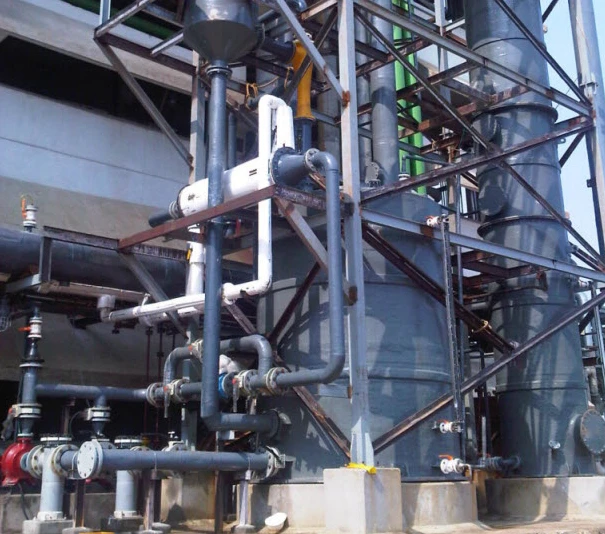
Introduction
The double suction split case pump is a centrifugal pump configuration widely utilized in industrial applications requiring high flow rates and moderate heads. Distinguished by its horizontally split casing – hence ‘split case’ – and impeller inlets on both sides, it minimizes axial thrust and enhances hydraulic performance. Positioned within the fluid transfer chain, these pumps serve as critical components in water supply, irrigation, power generation, chemical processing, and HVAC systems. Core performance characteristics include high efficiency, stable operation across a wide range of flow rates, and relative ease of maintenance due to the accessibility of internal components after casing separation. A primary industry pain point lies in selecting appropriate materials to mitigate corrosion and erosion, particularly in applications involving abrasive fluids or harsh chemical environments. Another challenge revolves around optimizing impeller design to minimize hydraulic losses and cavitation, impacting overall system efficiency and pump longevity.
Material Science & Manufacturing
The primary materials for double suction split case pumps are cast iron (ASTM A126 Class 30 or higher), ductile iron (ASTM A536 Grade 65-45-12), stainless steel (304, 316, or duplex grades), and occasionally, bronze or alloy steel depending on the fluid handled. Cast iron offers cost-effectiveness and good machinability but is susceptible to corrosion. Ductile iron provides enhanced strength and impact resistance. Stainless steels offer superior corrosion resistance, crucial for aggressive chemical environments, but at a higher cost. Impellers are commonly manufactured using cast iron, bronze, or stainless steel, optimized for hydrodynamic efficiency. Manufacturing processes begin with pattern making for the casing halves, followed by sand casting. Rigorous quality control during casting is essential to eliminate porosity and ensure dimensional accuracy. Machining operations, including facing, drilling, and tapping, are then performed to create the necessary connections and sealing surfaces. Impellers are manufactured via investment casting or centrifugal casting, requiring precise balancing to minimize vibration. Shafts are typically forged from alloy steel and undergo heat treatment to enhance strength and fatigue resistance. The critical parameter control lies in maintaining tight tolerances on impeller clearances, casing dimensions, and shaft alignment to prevent leakage and ensure smooth operation. Welding, when used for component fabrication, requires qualified welders and adherence to ASME Section IX standards for weld procedures and qualifications. Surface treatments like epoxy coating or rubber lining are frequently applied to the casing interior to enhance corrosion resistance.
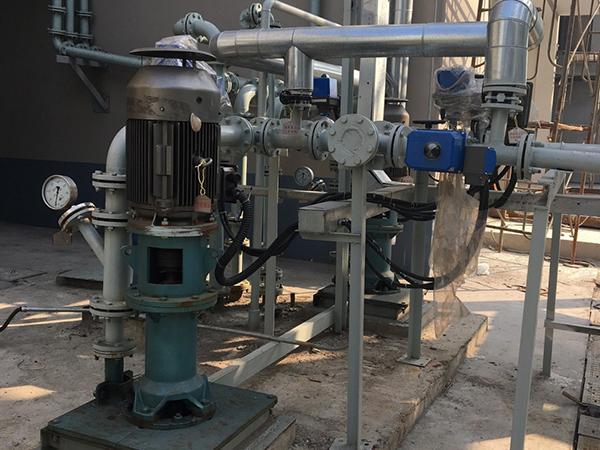
Performance & Engineering
The performance of a double suction split case pump is dictated by its hydraulic design and operating conditions. Force analysis focuses on radial loads generated by the impeller and axial thrust balanced by opposing suction inlets and, sometimes, thrust bearings. Cavitation is a primary concern, occurring when the absolute pressure at the impeller inlet falls below the vapor pressure of the fluid, forming vapor bubbles that collapse and erode the impeller surface. Net Positive Suction Head Required (NPSHr) is a critical parameter determined by pump geometry and operating speed. Environmental resistance is crucial, particularly in outdoor installations; the pump casing must withstand temperature fluctuations, humidity, and potential exposure to corrosive atmospheres. Compliance requirements are stringent, governed by standards like Hydraulic Institute (HI) standards for pump performance testing and efficiency ratings. The pump's efficiency is quantified by its hydraulic efficiency (water horsepower output/shaft horsepower input), volumetric efficiency (actual flow rate/theoretical flow rate), and overall efficiency. Mechanical seals are vital for preventing leakage, and their selection depends on the fluid's properties (temperature, pressure, chemical composition). The design of the volute casing and impeller vanes are optimized using Computational Fluid Dynamics (CFD) analysis to minimize turbulence and maximize hydraulic efficiency. Proper pipe support and alignment are crucial to minimize vibration and bearing loads, extending pump lifespan.
Technical Specifications
| Parameter | Typical Range (US Units) | Typical Range (Metric Units) | Notes |
|---|---|---|---|
| Flow Rate | 500 - 10,000 GPM | 1,900 - 37,850 LPM | Dependent on impeller diameter and speed. |
| Head | 50 - 300 ft | 15 - 91 m | Dependent on impeller diameter and speed. |
| Operating Temperature | 20°F - 250°F | -7°C - 121°C | Material selection dictates temperature limits. |
| Maximum Operating Pressure | 250 PSI | 1.72 MPa | Casing design limits. |
| Power Range | 5 - 500 HP | 3.7 - 373 kW | Dependent on flow rate and head. |
| Seal Type | Mechanical Seal (Single/Double) | Mechanical Seal (Single/Double) | Selection based on fluid compatibility and leakage requirements. |
Failure Mode & Maintenance
Common failure modes in double suction split case pumps include impeller cavitation (leading to erosion), bearing failure (due to improper lubrication or overload), mechanical seal leakage (caused by wear or incompatibility), casing distortion (from thermal stress or corrosion), and shaft misalignment (resulting in vibration and bearing damage). Fatigue cracking can occur in the casing or impeller under cyclical loading. Delamination of coatings (epoxy or rubber lining) can expose the base metal to corrosion. Oxidation of metallic components, particularly in high-temperature applications, reduces material strength. Preventative maintenance is critical and includes regular vibration analysis, oil analysis of bearings, inspection of mechanical seals, and monitoring of pump performance parameters (flow rate, pressure, power consumption). Scheduled lubrication of bearings is essential. Casing bolts should be periodically checked for tightness. Impellers should be inspected for wear and erosion, and rebalancing performed if necessary. In the event of cavitation damage, impeller replacement or repair is required. Proper alignment of the pump and driver is paramount. Regular cleaning of strainers and suction piping prevents debris from entering the pump and causing damage. When replacing parts, always adhere to OEM specifications to ensure compatibility and performance.
Industry FAQ
Q: What are the key material considerations when pumping abrasive slurries?
A: When handling abrasive slurries, selecting materials with high hardness and wear resistance is paramount. High-chrome cast iron is often preferred for impellers and casings. Rubber linings or ceramic coatings can also provide excellent protection against erosion. Avoid materials prone to corrosion from the slurry's chemical constituents. Regular inspection and replacement of wear parts are crucial.
Q: How do I determine the appropriate NPSHr for my application?
A: The NPSHr is determined by the pump manufacturer based on pump geometry and operating speed. You must ensure the NPSHa (Net Positive Suction Head Available) in your system exceeds the NPSHr by a sufficient margin (typically 0.5-1 meter) to prevent cavitation. Factors affecting NPSHa include suction pipe length, fluid temperature, and atmospheric pressure.
Q: What is the impact of variable frequency drives (VFDs) on pump performance and maintenance?
A: VFDs allow for precise control of pump speed, optimizing energy consumption and process control. However, VFDs can introduce harmonic distortion, which can affect motor and bearing life. It's crucial to use VFD-rated motors and implement appropriate harmonic mitigation measures, such as line reactors or filters.
Q: What are the best practices for aligning a double suction split case pump to its driver?
A: Precise alignment is critical to prevent vibration and bearing failure. Use a laser alignment tool to achieve accurate alignment within manufacturer's tolerances. Check alignment after initial installation and periodically thereafter. Ensure the pump base is rigid and properly supported. Use flexible couplings to accommodate minor misalignment.
Q: How can I diagnose and mitigate pump vibration issues?
A: Pump vibration can be caused by various factors, including misalignment, imbalance, cavitation, and bearing failure. Perform vibration analysis using a vibration analyzer to identify the frequency and source of the vibration. Correct misalignment, balance the impeller, address cavitation issues, and replace worn bearings as needed.
Conclusion
The double suction split case pump remains a cornerstone of industrial fluid handling due to its robust design, high efficiency, and adaptability to diverse applications. A thorough understanding of material science, manufacturing processes, and performance parameters is crucial for selecting the appropriate pump for a given application and ensuring long-term reliability. Proactive maintenance strategies focused on preventing common failure modes—such as cavitation, bearing failure, and seal leakage—are essential for maximizing uptime and minimizing lifecycle costs.
Continued advancements in hydraulic design, material technology, and condition monitoring techniques will further enhance the performance and reliability of these pumps, making them even more integral to the efficiency and sustainability of industrial processes. Implementing predictive maintenance programs based on sensor data and data analytics will be pivotal in optimizing pump operation and preventing unplanned downtime.
-
Effluent vs Sump Pump Performance Analysis
News2026-05-22
-
effluent septic pump Performance Engineering
News2026-05-22
-
best sewer pumps Performance Engineering
News2026-05-22
-
best sewer pump Performance Analysis
News2026-05-22
-
best sewage pumps Performance Engineering
News2026-05-22
-
basement bathroom sewage pump Material Science Manufacturing
News2026-05-21
-
wastewater treatment plant pumps Material Science Manufacturing
News2026-05-21
-
waste water pump for basement Material Science Manufacturing
News2026-05-21
-
sump pump sewage Performance Analysis
News2026-05-21
-
sump pump for sewage Material Science and Manufacturing
News2026-05-21
-
sump pump for septic systems Material Science Manufacturing
News2026-05-20
-
sump pump and ejector pump Material Science Manufacturing
News2026-05-20
-
sewage treatment plant pumps Performance Analysis
News2026-05-20
-
sewage tank pump Material Science and Manufacturing
News2026-05-20
-
sewage pump for septic tank Performance Analysis
News2026-05-20




