English
- Afrikaans
- Albanian
- Amharic
- Arabic
- Armenian
- Azerbaijani
- Basque
- Belarusian
- Bengali
- Bosnian
- Bulgarian
- Catalan
- Cebuano
- Corsican
- Croatian
- Czech
- Danish
- Dutch
- English
- Esperanto
- Estonian
- Finnish
- French
- Frisian
- Galician
- Georgian
- German
- Greek
- Gujarati
- Haitian Creole
- hausa
- hawaiian
- Hebrew
- Hindi
- Miao
- Hungarian
- Icelandic
- igbo
- Indonesian
- irish
- Italian
- Japanese
- Javanese
- Kannada
- kazakh
- Khmer
- Rwandese
- Korean
- Kurdish
- Kyrgyz
- Lao
- Latin
- Latvian
- Lithuanian
- Luxembourgish
- Macedonian
- Malgashi
- Malay
- Malayalam
- Maltese
- Maori
- Marathi
- Mongolian
- Myanmar
- Nepali
- Norwegian
- Norwegian
- Occitan
- Pashto
- Persian
- Polish
- Portuguese
- Punjabi
- Romanian
- Russian
- Samoan
- Scottish Gaelic
- Serbian
- Sesotho
- Shona
- Sindhi
- Sinhala
- Slovak
- Slovenian
- Somali
- Spanish
- Sundanese
- Swahili
- Swedish
- Tagalog
- Tajik
- Tamil
- Tatar
- Telugu
- Thai
- Turkish
- Turkmen
- Ukrainian
- Urdu
- Uighur
- Uzbek
- Vietnamese
- Welsh
- Bantu
- Yiddish
- Yoruba
- Zulu

Telephone: +86 13120555503
Email: frank@cypump.com


Apr . 01, 2024 17:55 Back to list
Double suction split case pump design and analysis
Introduction
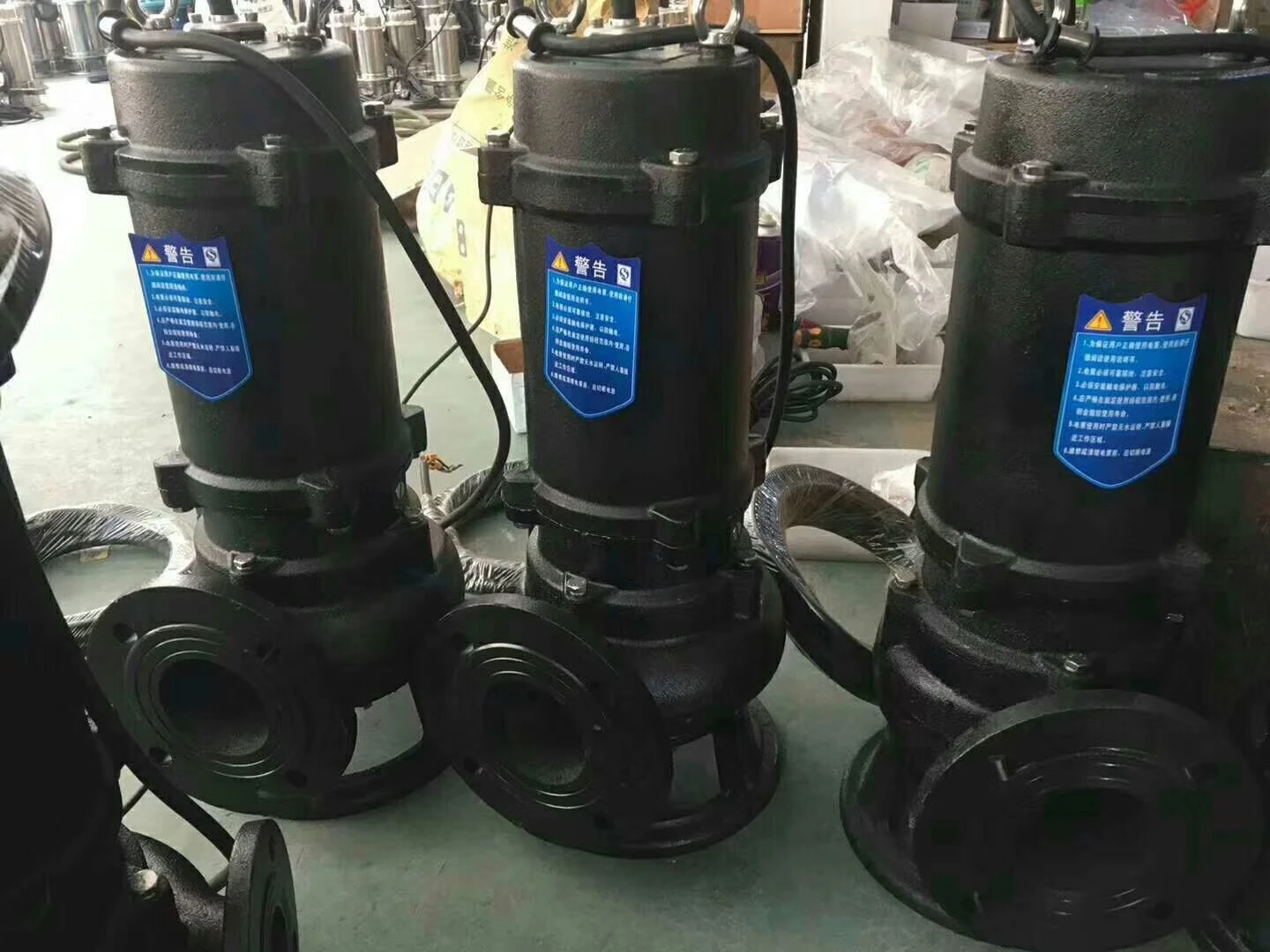
Double suction split case pumps are centrifugal pumps widely utilized in various industrial applications, notably water supply, irrigation, power generation, and HVAC systems. Their design, characterized by a horizontally split casing and impellers on both sides of the shaft, offers ease of maintenance and reduced axial thrust compared to single-suction configurations. This technical guide provides a comprehensive analysis of the design and analysis of these pumps, covering material science, manufacturing considerations, performance parameters, failure modes, and relevant industry standards. The core performance characteristics hinge on achieving high efficiency, cavitation prevention, and structural integrity under varying operational conditions. Understanding these factors is crucial for optimizing pump performance, extending service life, and minimizing lifecycle costs. The industry pain points revolve around predicting pump performance accurately, mitigating cavitation erosion, and addressing vibrational issues impacting operational reliability.
Material Science & Manufacturing
The primary material for split case pump casings is typically gray cast iron (ASTM A48 Class 30) due to its excellent damping properties, castability, and cost-effectiveness. However, for applications involving corrosive fluids or higher pressures, ductile cast iron (ASTM A536 65-45-12) or stainless steel (316L, for example) are employed. Impellers are commonly manufactured from bronze (C83600) or stainless steel, selected for their corrosion resistance and ability to withstand high rotational speeds. Shafts are often constructed from high-strength alloy steel (4140 or 4340) and subjected to heat treatment to enhance their tensile strength and fatigue resistance. The manufacturing process begins with pattern making for the casing, followed by sand casting. Critical dimensions are checked using Coordinate Measuring Machines (CMM) to ensure adherence to tolerances. Impeller manufacturing involves investment casting or machining from solid bronze/steel forgings. Balancing the impeller is paramount to minimize vibration. The split casing is sealed using gaskets (typically non-asbestos fiber) and bolted together with high-strength steel bolts. Key parameter control during manufacturing includes ensuring proper wall thickness to withstand internal pressure, accurate alignment of the impeller and shaft to reduce bearing loads, and precise machining of sealing surfaces to prevent leakage. Chemical composition verification of materials is done via Spectrometry. Non-destructive testing (NDT) methods like ultrasonic testing (UT) and radiographic testing (RT) are used to detect internal flaws in castings and welds.
Performance & Engineering
The performance of a double suction split case pump is governed by fundamental hydraulic principles. The pump’s head, flow rate, and efficiency are determined by impeller geometry (blade angle, diameter, width), casing volute design, and fluid properties (density, viscosity). Force analysis involves calculating radial and axial thrust forces on the impeller and shaft. Axial thrust is minimized by the double suction configuration, but balancing devices (balance drums or discs) are often incorporated to further reduce these forces. Environmental resistance is a critical consideration, particularly regarding temperature extremes and exposure to corrosive atmospheres. Pump casings must be designed to withstand the maximum operating pressure, with a suitable safety factor. Compliance requirements, such as those stipulated by Hydraulic Institute (HI) standards and API 610, dictate minimum performance levels and testing procedures. Finite Element Analysis (FEA) is extensively used to assess structural integrity, predict stress concentrations, and optimize casing and impeller designs. Computational Fluid Dynamics (CFD) simulations are utilized to analyze flow patterns, identify potential cavitation zones, and improve hydraulic efficiency. Pump selection involves matching the pump curve (head vs. flow rate) to the system curve to ensure optimal performance and avoid operational issues like recirculation or deadheading. Net Positive Suction Head Required (NPSHr) must be carefully calculated and compared to the Net Positive Suction Head Available (NPSHa) to prevent cavitation.
Technical Specifications
| Parameter | Unit | Typical Value (Range) | Test Standard |
|---|---|---|---|
| Flow Rate | m³/h | 50 - 1500 | ISO 9906 |
| Head | m | 10 - 120 | ISO 9906 |
| Impeller Diameter | mm | 200 - 600 | HI 1.6 |
| Operating Pressure | bar | Up to 25 | EN 1092-2 |
| Operating Temperature | °C | -20 to +120 | ASTM E83 |
| Shaft Power | kW | 2 - 500 | IEC 60034-1 |
Failure Mode & Maintenance
Common failure modes in double suction split case pumps include cavitation erosion, impeller fatigue cracking, bearing failure, seal leakage, and casing distortion. Cavitation occurs when the fluid pressure drops below its vapor pressure, forming vapor bubbles that collapse and erode the impeller material. Fatigue cracking is often initiated by stress concentrations at impeller blade roots or casing volute tongues, exacerbated by cyclical loading. Bearing failure can result from inadequate lubrication, misalignment, or excessive load. Seal leakage is typically caused by wear, damage, or improper installation of the mechanical seals. Casing distortion can occur due to thermal stress or improper tightening of bolts. Preventative maintenance is crucial for mitigating these failures. This includes regular vibration analysis, lubrication monitoring, visual inspections for corrosion or cracks, and periodic seal replacement. Impeller balancing should be checked and corrected as needed. In cases of cavitation damage, impeller material may need to be repaired or replaced. For bearing failures, root cause analysis should be performed to identify and address the underlying issue. NDT methods (UT, RT) can be employed to detect hidden cracks or flaws. Proper alignment of the pump and motor is critical to minimize bearing loads and prevent seal failure. Following manufacturer’s recommended maintenance schedules and operating guidelines is essential for maximizing pump reliability and service life.
Industry FAQ
Q: What is the primary difference between a single-suction and a double-suction split case pump, and when would you choose one over the other?
A: The primary difference lies in the inlet design. A single-suction pump has fluid entering from one side of the impeller, while a double-suction pump draws fluid from both sides. Double-suction pumps generally offer higher flow rates for a given impeller size and reduced axial thrust. You would choose a double-suction pump when higher flow is needed and minimizing axial load is important, such as in large water supply systems. Single-suction pumps are often preferred for lower flow applications or where space is limited.
Q: How does impeller trim affect pump performance, and what are the limitations?
A: Impeller trim—reducing the impeller diameter—is a common method for adjusting pump capacity to match system requirements. Trimming the impeller reduces both the head and flow rate of the pump. However, there are limitations. Excessive trimming can significantly reduce pump efficiency and increase the risk of cavitation. Generally, it's recommended to trim the impeller no more than 20% of its original diameter.
Q: What are the key considerations for material selection when pumping abrasive fluids?
A: When pumping abrasive fluids, material selection is critical to prevent erosion and wear. Harder materials like stainless steel alloys (e.g., 316SS with increased chromium content) or ceramic coatings are often necessary for the impeller and casing. Linings made of rubber or polymers can also be used to protect the casing from abrasion. Careful consideration should also be given to the type of abrasive particles present in the fluid and their size distribution.
Q: How does NPSHa relate to pump performance, and what happens if NPSHa is insufficient?
A: NPSHa (Net Positive Suction Head Available) represents the absolute pressure at the pump suction, minus the vapor pressure of the liquid. It must always be greater than the NPSHr (Net Positive Suction Head Required) specified by the pump manufacturer. If NPSHa is insufficient, cavitation will occur, leading to reduced pump performance, noise, and potential damage to the impeller.
Q: What are some common causes of pump vibration, and how can they be diagnosed?
A: Common causes of pump vibration include impeller imbalance, misalignment between the pump and motor, bearing wear, cavitation, and resonance. Diagnosis typically involves vibration analysis using specialized equipment to identify the frequency and amplitude of the vibration. This data can help pinpoint the source of the problem, allowing for targeted repairs or adjustments.
Conclusion
The design and analysis of double suction split case pumps are complex endeavors requiring a thorough understanding of fluid mechanics, material science, and manufacturing processes. Optimizing performance necessitates a holistic approach, incorporating FEA and CFD simulations to address potential issues such as cavitation, stress concentrations, and vibrational instability. Adhering to industry standards (HI, API) and implementing robust preventative maintenance programs are paramount for maximizing pump reliability, extending service life, and minimizing lifecycle costs.
Future advancements in pump technology will likely focus on improving efficiency through optimized impeller designs, utilizing advanced materials with enhanced corrosion resistance, and incorporating smart sensors for real-time monitoring and predictive maintenance. Further research into cavitation mitigation techniques and the development of more accurate simulation models will also be crucial for pushing the boundaries of pump performance and reliability.
-
Precision at the Pump: How Better Machining Protects Flow and Uptime
News2026-11-20
-
Why Pump Reliability Begins Before the First Drop of Fluid
News2026-11-20
-
Beyond the Pump: Designing Safer Access Around Critical Water Infrastructure
News2026-11-20
-
Why Pumping Stations Depend on the Infrastructure Beneath the Pumps
News2026-11-20
-
Beyond the Pump Room: How Smarter Loading Protects Industrial Equipment
News2026-11-19
-
When Pumps Stop: Designing More Resilient Power for Critical Pumping Systems
News2026-11-19
-
The Hidden Role of Dust and Gas Monitoring in Reliable Pump Operations
News2026-11-19
-
The Hidden Role of Mineral Compounds in Extending Industrial Pump Lifespan
News2026-10-12
-
Why Pump System Reliability Depends on Precision Hose Assembly Methods
News2026-09-15
-
How Advanced Imaging Films Are Transforming Pump Component Quality Control
News2026-08-25
-
How Advanced Filtration Protects Pump Systems from Premature Wear and Costly Downtime
News2026-08-25
-
How Steel Material Selection Drives Pump Reliability in Heavy-Duty Systems
News2026-08-25
-
Ensuring Pump System Efficiency: The Role of High-Quality Pipe Fittings and Tubing
News2026-08-24
-
Optimizing Fluid Dynamics and Material Consistency in Industrial Processing
News2026-08-18
-
Innovations and Challenges in Hydraulic Systems for Heavy Machinery
News2026-08-13




