English
- Afrikaans
- Albanian
- Amharic
- Arabic
- Armenian
- Azerbaijani
- Basque
- Belarusian
- Bengali
- Bosnian
- Bulgarian
- Catalan
- Cebuano
- Corsican
- Croatian
- Czech
- Danish
- Dutch
- English
- Esperanto
- Estonian
- Finnish
- French
- Frisian
- Galician
- Georgian
- German
- Greek
- Gujarati
- Haitian Creole
- hausa
- hawaiian
- Hebrew
- Hindi
- Miao
- Hungarian
- Icelandic
- igbo
- Indonesian
- irish
- Italian
- Japanese
- Javanese
- Kannada
- kazakh
- Khmer
- Rwandese
- Korean
- Kurdish
- Kyrgyz
- Lao
- Latin
- Latvian
- Lithuanian
- Luxembourgish
- Macedonian
- Malgashi
- Malay
- Malayalam
- Maltese
- Maori
- Marathi
- Mongolian
- Myanmar
- Nepali
- Norwegian
- Norwegian
- Occitan
- Pashto
- Persian
- Polish
- Portuguese
- Punjabi
- Romanian
- Russian
- Samoan
- Scottish Gaelic
- Serbian
- Sesotho
- Shona
- Sindhi
- Sinhala
- Slovak
- Slovenian
- Somali
- Spanish
- Sundanese
- Swahili
- Swedish
- Tagalog
- Tajik
- Tamil
- Tatar
- Telugu
- Thai
- Turkish
- Turkmen
- Ukrainian
- Urdu
- Uighur
- Uzbek
- Vietnamese
- Welsh
- Bantu
- Yiddish
- Yoruba
- Zulu

Telephone: +86 13120555503
Email: frank@cypump.com


Apr . 01, 2024 17:55 Back to list
double suction split case centrifugal pump Performance Analysis
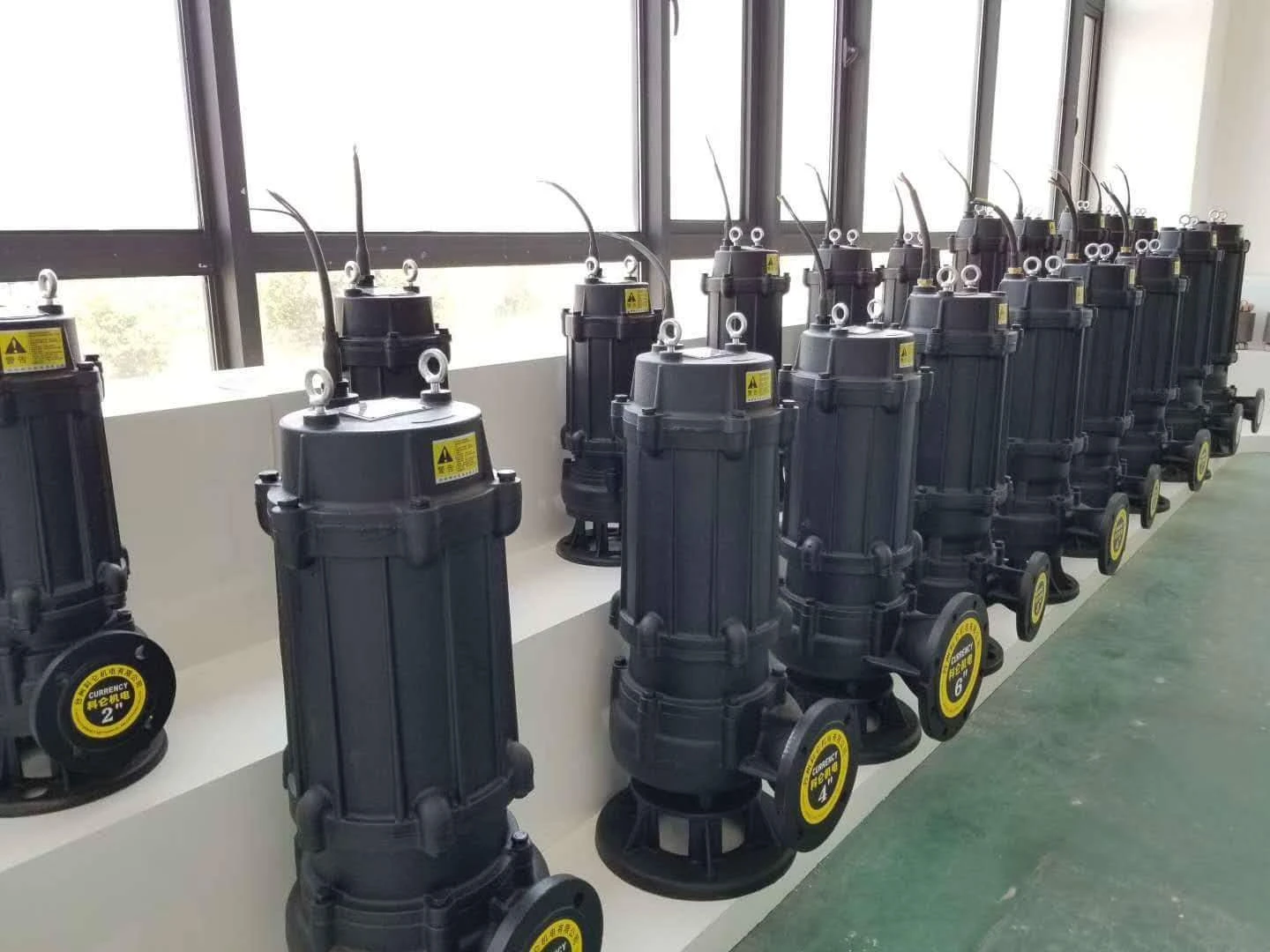
Introduction
The double suction split case centrifugal pump is a dynamic machine designed to move fluids utilizing centrifugal force. Positioned within the industrial fluid handling chain as a core component in water supply, wastewater treatment, irrigation, and process industries, it offers high flow rates and relatively low head compared to other centrifugal pump configurations. Its “split case” design allows for centerline maintenance without disturbing piping, minimizing downtime. Core performance characteristics revolve around achieving required flow and head, alongside considerations for pump efficiency, Net Positive Suction Head Required (NPSHr), and cavitation avoidance. This pump type is particularly advantageous for applications requiring large volume transfer of clean or slightly contaminated fluids, making it a critical element in numerous industrial processes.
Material Science & Manufacturing
The construction of a double suction split case centrifugal pump relies heavily on material selection to ensure durability, corrosion resistance, and mechanical integrity. Common materials for the casing include cast iron (ASTM A48 Class 30), ductile iron (ASTM A536 65-45-12), and various stainless steel alloys (304, 316, Duplex). The impeller, often the most stressed component, is typically manufactured from cast iron, bronze (ASTM B584), or stainless steel, depending on the fluid being pumped and the required resistance to erosion and corrosion. Shafts are predominantly made from high-strength carbon steel (AISI 1045) or stainless steel, heat-treated for increased tensile strength and wear resistance.
Manufacturing begins with patternmaking for the casing halves and impeller. Casing components are created using sand casting, utilizing precise molds to ensure accurate dimensions and smooth internal surfaces. Impellers may be cast, or in higher-performance applications, manufactured via investment casting for greater precision. Following casting, components undergo machining operations – milling, turning, and drilling – to achieve final dimensions and surface finishes. Shafts are machined from bar stock. Critical parameters during impeller manufacturing include blade angle, blade thickness, and surface roughness, directly impacting pump performance. The casing halves are carefully aligned and bolted together with gaskets to ensure a leak-proof seal. Balancing of the impeller is crucial to minimize vibration and extend bearing life. Post-machining, components undergo quality control checks including dimensional inspection, non-destructive testing (NDT) such as radiography and ultrasonic testing, and hydrostatic testing to verify structural integrity.
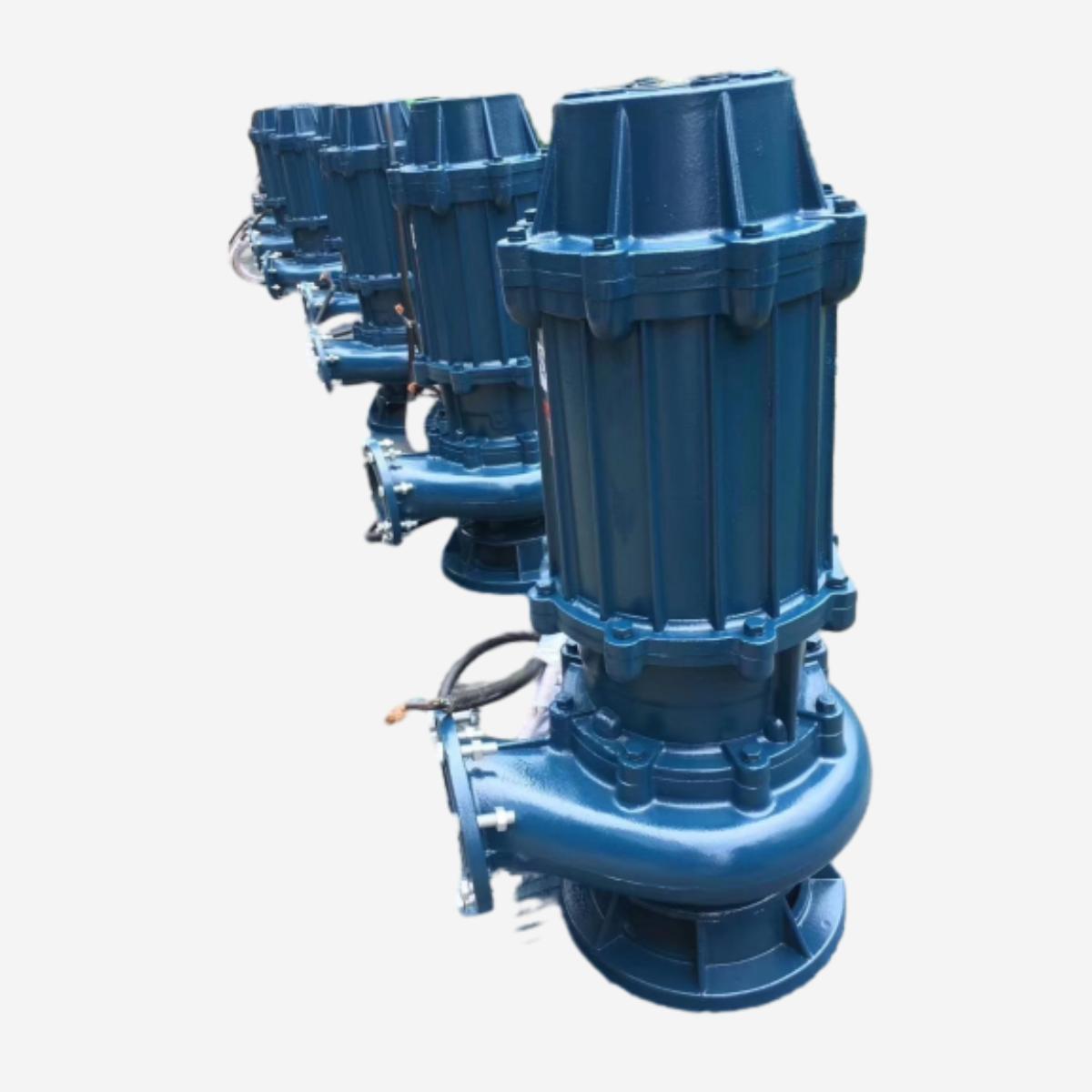
Performance & Engineering
Performance analysis of a double suction split case centrifugal pump centers on achieving the required hydraulic characteristics: flow rate (Q) and total dynamic head (H). Force analysis involves evaluating stresses within the impeller, casing, and shaft due to centrifugal forces, fluid pressure, and external loads. Finite Element Analysis (FEA) is frequently employed to optimize component design and predict stress concentrations. Hydraulic design focuses on impeller geometry – blade angles, vane numbers, and inlet/outlet diameters – to maximize pump efficiency and minimize energy losses. Pump curves, depicting the relationship between flow rate, head, efficiency, and power consumption, are generated through rigorous testing conforming to Hydraulic Institute standards (HI).
Environmental resistance is paramount. Materials must withstand operating temperatures, fluid corrosivity, and potential exposure to abrasive particles. Coatings, such as epoxy or ceramic linings, are often applied to the casing and impeller to enhance corrosion resistance. Compliance requirements vary by region and application. For potable water applications, materials must meet NSF/ANSI 61 standards. Pumps used in explosive atmospheres must comply with ATEX or IECEx directives. NPSHr calculations are critical to prevent cavitation, a phenomenon where vapor bubbles form and collapse within the pump, causing noise, vibration, and erosion. Proper system design ensures that the available NPSH (NPSHa) exceeds the pump's NPSHr. Bearing lubrication and sealing systems are engineered to prevent contamination and ensure long-term reliability. Double mechanical seals are commonly used to minimize leakage and protect the bearings.
Technical Specifications
| Parameter | Unit | Typical Value (Range) | Standard Compliance |
|---|---|---|---|
| Flow Rate | m³/h | 50 – 2000 | HI 1.6 |
| Total Dynamic Head | m | 10 – 150 | HI 1.3 |
| Pump Efficiency | % | 70 – 85 | HI 1.5 |
| NPSHr | m | 2 – 10 | HI 1.1 |
| Casing Material | - | Cast Iron, Ductile Iron, Stainless Steel (304, 316) | ASTM A48, ASTM A536, ASTM A743 |
| Impeller Material | - | Cast Iron, Bronze, Stainless Steel | ASTM A48, ASTM B584, ASTM A743 |
Failure Mode & Maintenance
Common failure modes in double suction split case centrifugal pumps include bearing failure, impeller erosion/corrosion, casing cracking, and seal leakage. Bearing failure can result from inadequate lubrication, contamination, or excessive load. Impeller erosion is prevalent in applications handling abrasive fluids, leading to performance degradation and eventual failure. Casing cracking is often caused by stress corrosion cracking, particularly in aggressive chemical environments or due to thermal stresses. Seal leakage results from worn seal faces, improper installation, or compatibility issues with the pumped fluid. Fatigue cracking of the impeller vanes can occur due to cyclic loading and stress concentrations.
Preventative maintenance is critical. Regular vibration analysis can detect bearing wear and impeller imbalance. Oil analysis monitors lubricant condition and identifies potential contaminants. Visual inspections should check for corrosion, erosion, and leakage. Seal replacement should be scheduled based on operating hours and fluid characteristics. Impeller and casing repairs may require welding, machining, or coating application. Proper alignment of the pump and motor is essential to minimize vibration and bearing load. Regular flushing of the pump casing and suction/discharge piping helps prevent sediment buildup and maintain optimal performance. A robust preventative maintenance schedule and thorough record-keeping are vital for maximizing pump life and minimizing downtime. Consider implementing a condition-based maintenance program utilizing sensors and data analytics for predictive failure detection.
Industry FAQ
Q: What are the primary factors influencing NPSHr, and how do I ensure adequate NPSHa in my system?
A: NPSHr is primarily influenced by impeller geometry, pump speed, and fluid properties (temperature and vapor pressure). To ensure adequate NPSHa, minimize suction lift, maximize suction pipe diameter, keep suction piping short and straight, and avoid sharp bends near the pump inlet. Calculate NPSHa accurately considering system elevation, fluid temperature, and vapor pressure, and ensure it consistently exceeds the pump’s NPSHr by a sufficient margin (typically 0.5 – 1 meter).
Q: What material selection considerations are most critical when pumping corrosive fluids?
A: When pumping corrosive fluids, prioritize materials with high resistance to the specific chemicals involved. Stainless steel alloys (316, Duplex) are often preferred over cast iron or carbon steel. Consider using specialized alloys like Hastelloy or titanium for highly aggressive applications. Coatings like epoxy, Teflon, or ceramic linings can provide an additional barrier against corrosion. Verify material compatibility with the fluid through chemical resistance charts and, if necessary, conduct laboratory testing.
Q: How does impeller trim affect pump performance and efficiency?
A: Impeller trim, reducing the impeller diameter, lowers the pump’s head and flow rate. While it allows the pump to operate closer to the best efficiency point (BEP) for a specific application, excessive trimming can significantly reduce efficiency and increase susceptibility to cavitation. Trim should be performed conservatively and verified with updated pump curves to ensure optimal performance.
Q: What are the benefits of utilizing a variable frequency drive (VFD) with a double suction split case pump?
A: A VFD allows for precise control of pump speed, enabling flow rate adjustment to match demand. This results in significant energy savings, reduced mechanical stress, and improved process control. VFDs also provide soft starting, minimizing water hammer and extending pump life. The affinity laws govern the relationship between pump speed, flow, head, and power, allowing for predictable performance adjustments with a VFD.
Q: How important is proper pump alignment, and what methods are used to verify alignment?
A: Proper pump and motor alignment is critical for minimizing vibration, bearing wear, and coupling failure. Misalignment introduces radial and axial forces on the bearings, leading to premature failure. Alignment is typically verified using laser alignment tools, which provide precise measurements of shaft offset and angle. Dial indicators can also be used, but are less accurate. Regular alignment checks, especially after maintenance or relocation, are essential.
Conclusion
The double suction split case centrifugal pump remains a vital component in a wide range of industrial applications demanding high flow and reliable performance. Its robust design, coupled with appropriate material selection and meticulous maintenance, ensures longevity and minimizes operational costs. Understanding the interplay between hydraulic principles, material science, and engineering considerations is paramount for optimizing pump selection and maximizing its lifespan.
Future trends point towards increasing adoption of smart pump technologies incorporating sensors, data analytics, and remote monitoring capabilities. These advancements will enable predictive maintenance, optimized energy consumption, and improved overall system efficiency. Continued research into advanced materials and impeller designs will further enhance pump performance and broaden its application range. Addressing the challenges of energy efficiency and environmental sustainability will drive innovation in pump technology for years to come.
-
Comprehensive Guide to Waterproof ORings for Optimal Sealing Solutions
News2026-06-09
-
Septic Pump System Performance Analysis
News2026-06-08
-
pump for septic Material Science
News2026-06-08
-
basement sewer pump Performance Analysis
News2026-06-08
-
submerged pump Performance Engineering
News2026-06-08
-
Septic System Pumps Performance Analysis
News2026-06-08
-
septic system pump Material Science and Manufacturing
News2026-06-07
-
pump for septic tank Material Science Manufacturing
News2026-06-07
-
submersible sewage pump Material Science
News2026-06-07
-
Sewage Ejector Material Science and Manufacturing
News2026-06-07
-
Ejection Pump Material Science
News2026-06-07
-
pump submersible Performance Analysis
News2026-06-06
-
ejector pumps Performance Engineering
News2026-06-06
-
basement ejector pump Material Science Manufacturing
News2026-06-06
-
Septic Tanks Pumping Performance Analysis
News2026-06-06




