English
- Afrikaans
- Albanian
- Amharic
- Arabic
- Armenian
- Azerbaijani
- Basque
- Belarusian
- Bengali
- Bosnian
- Bulgarian
- Catalan
- Cebuano
- Corsican
- Croatian
- Czech
- Danish
- Dutch
- English
- Esperanto
- Estonian
- Finnish
- French
- Frisian
- Galician
- Georgian
- German
- Greek
- Gujarati
- Haitian Creole
- hausa
- hawaiian
- Hebrew
- Hindi
- Miao
- Hungarian
- Icelandic
- igbo
- Indonesian
- irish
- Italian
- Japanese
- Javanese
- Kannada
- kazakh
- Khmer
- Rwandese
- Korean
- Kurdish
- Kyrgyz
- Lao
- Latin
- Latvian
- Lithuanian
- Luxembourgish
- Macedonian
- Malgashi
- Malay
- Malayalam
- Maltese
- Maori
- Marathi
- Mongolian
- Myanmar
- Nepali
- Norwegian
- Norwegian
- Occitan
- Pashto
- Persian
- Polish
- Portuguese
- Punjabi
- Romanian
- Russian
- Samoan
- Scottish Gaelic
- Serbian
- Sesotho
- Shona
- Sindhi
- Sinhala
- Slovak
- Slovenian
- Somali
- Spanish
- Sundanese
- Swahili
- Swedish
- Tagalog
- Tajik
- Tamil
- Tatar
- Telugu
- Thai
- Turkish
- Turkmen
- Ukrainian
- Urdu
- Uighur
- Uzbek
- Vietnamese
- Welsh
- Bantu
- Yiddish
- Yoruba
- Zulu

Telephone: +86 13120555503
Email: frank@cypump.com


Apr . 01, 2024 17:55 Back to list
double suction sludge water pump Material Science and Manufacturing
Introduction
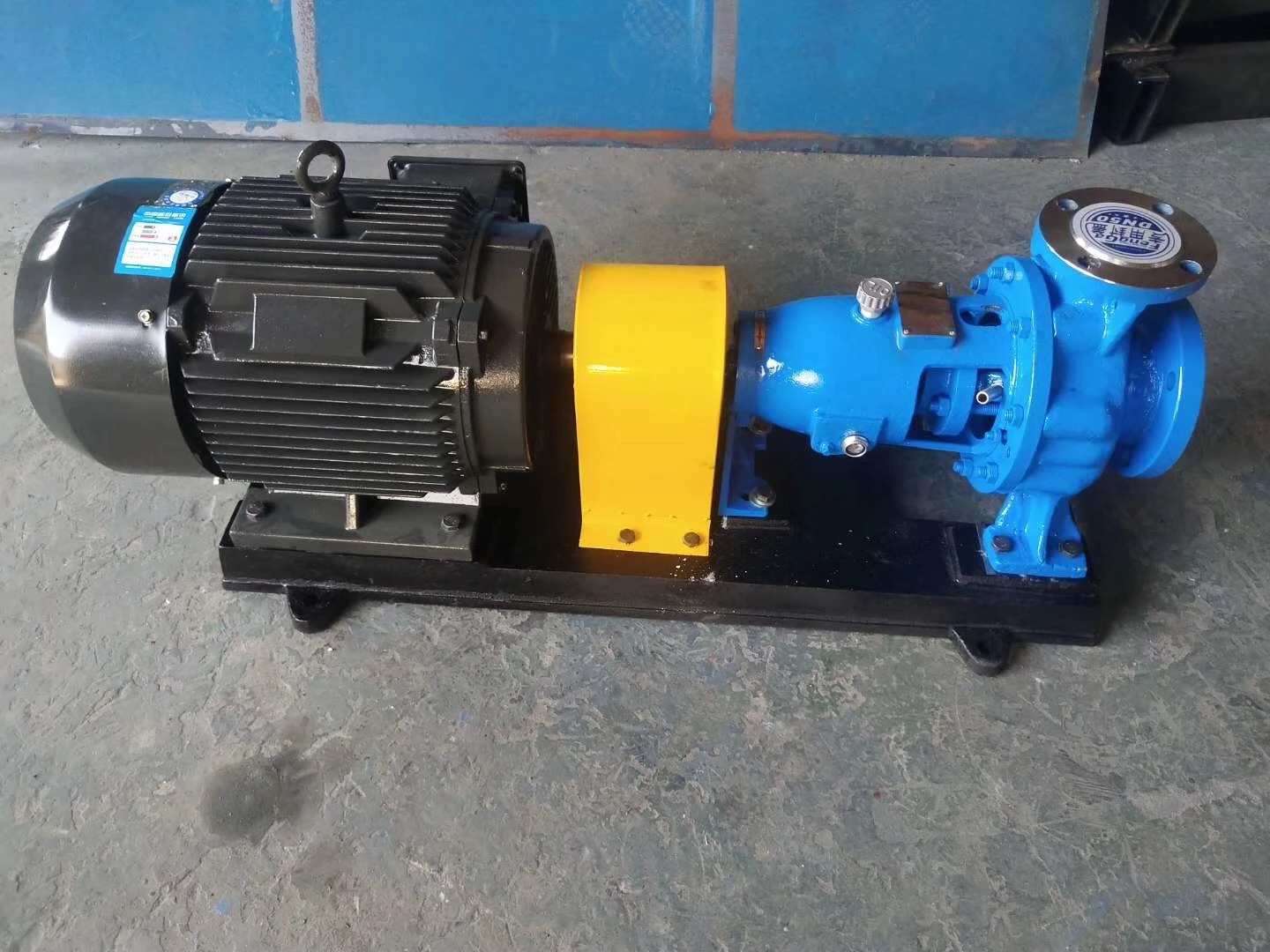
The double suction sludge water pump is a centrifugal pump specifically engineered for the efficient and reliable transfer of fluids containing high solids content, often found in wastewater treatment, industrial effluent handling, and mining applications. Positioned within the industrial fluid handling chain as a critical component for solids management, it differentiates itself from standard centrifugal pumps through its robust construction, oversized flow passages, and impeller designs optimized to minimize clogging and wear. Core performance characteristics include high solids handling capacity (typically up to 70% by weight), efficient hydraulic performance even with viscous fluids, and resistance to abrasive wear due to the nature of the pumped media. The industry faces constant challenges with pump failures due to abrasion, clogging, and corrosion, driving the need for pumps with enhanced durability and reduced maintenance requirements. Double suction designs enhance axial thrust balance, improving mechanical seal life and overall pump efficiency.
Material Science & Manufacturing
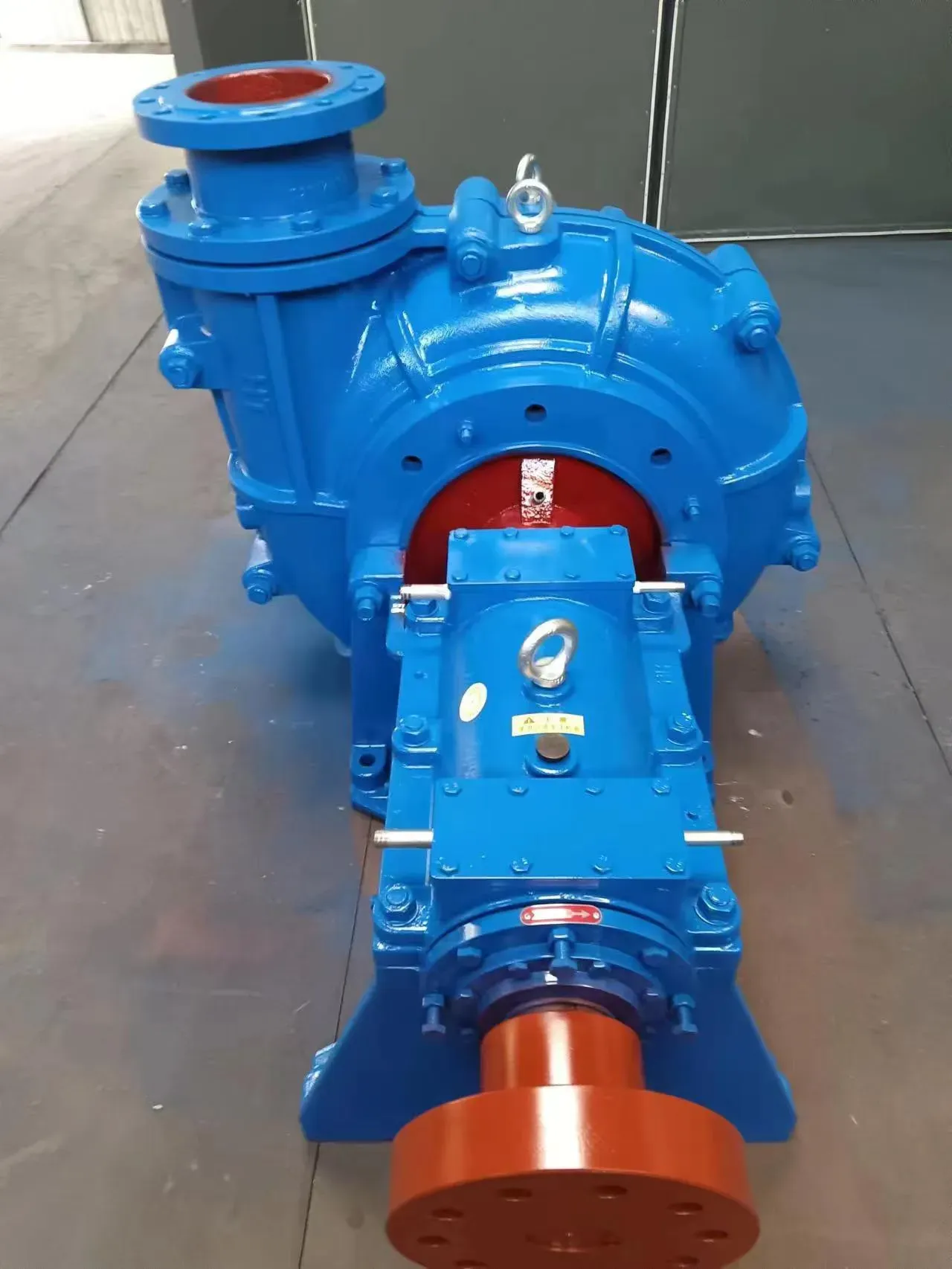
The performance and longevity of a double suction sludge water pump are heavily reliant on material selection and manufacturing processes. Pump casings are commonly constructed from cast iron (ASTM A48 Class 30 or higher), ductile iron (ASTM A536 65-45-12), or stainless steel (304, 316, or duplex stainless steel) depending on the corrosive and abrasive nature of the sludge. Impellers are frequently manufactured from high-chrome cast iron (typically with 13-28% chrome) offering excellent abrasion resistance. Shafts are typically forged from alloy steel (4140 or 4340) and undergo heat treatment to achieve high tensile strength and yield strength. Manufacturing processes begin with pattern making for the casing and impeller, followed by sand casting. Critical dimensions are tightly controlled during casting and subsequent machining operations. Welding processes, such as submerged arc welding (SAW) or shielded metal arc welding (SMAW), are employed for joining components, requiring strict adherence to welding procedures (AWS D1.1) to ensure structural integrity and prevent defects like porosity and cracking. Impeller balancing is crucial, adhering to ISO 1940-1 standards to minimize vibration and extend bearing life. Mechanical seals utilize materials like silicon carbide and tungsten carbide faces to resist abrasion and chemical attack. Surface treatments, including epoxy coatings or rubber linings, are applied to the casing and impeller to enhance corrosion resistance.
Performance & Engineering
The hydraulic design of a double suction sludge water pump is paramount to its performance. Key engineering considerations include impeller geometry, casing volute design, and suction/discharge nozzle configuration. Impellers are often designed with recessed or open vane configurations to facilitate solids passage and reduce clogging. Volute casings are engineered to efficiently convert kinetic energy into pressure energy, maximizing hydraulic efficiency. Force analysis, incorporating both static and dynamic loads, is conducted to ensure the structural integrity of the pump components. Environmental resistance is a critical factor, particularly in applications involving corrosive or abrasive fluids. Material selection and protective coatings are chosen based on the chemical composition and physical properties of the sludge. Pump performance is governed by affinity laws, relating flow rate, head, and power consumption to impeller speed. Compliance requirements, such as those stipulated by the Hydraulic Institute (HI) standards, ensure pump performance meets specified criteria. Net Positive Suction Head Required (NPSHr) calculations are essential to prevent cavitation, which can damage the impeller and reduce pump efficiency. Proper pump alignment and foundation design minimize vibration and extend pump life. The double suction configuration balances axial thrust, reducing loads on the mechanical seal and bearings.
Technical Specifications
| Parameter | Unit | Value (Typical Range) | Testing Standard |
|---|---|---|---|
| Flow Rate | m³/h | 50 - 1500 | ISO 9906:2012 |
| Head | m | 10 - 80 | ISO 9906:2012 |
| Solids Handling Capacity | % by Weight | Up to 70 | Internal Testing Protocol |
| Pump Speed | RPM | 990 - 2900 | Internal Testing Protocol |
| Casing Material | - | Cast Iron, Ductile Iron, Stainless Steel | ASTM A48, ASTM A536, ASTM A743 |
| Impeller Material | - | High Chrome Cast Iron | ASTM A532 |
Failure Mode & Maintenance
Double suction sludge water pumps are susceptible to several failure modes. Abrasion, caused by the solids in the sludge, leads to impeller wear and casing erosion, reducing pump efficiency. Clogging occurs when solids accumulate in the impeller or casing, restricting flow and increasing load on the motor. Corrosion, induced by the chemical composition of the sludge, degrades pump components. Fatigue cracking, particularly in the shaft and casing, can result from cyclic loading. Mechanical seal failure is a common occurrence, often stemming from abrasive particles or improper installation. Cavitation, due to insufficient NPSH, causes pitting and erosion of the impeller. Maintenance strategies include regular inspection of impeller and casing for wear, flushing the pump casing to remove accumulated solids, lubricating bearings according to manufacturer's specifications, and monitoring mechanical seal performance. Preventive maintenance programs, incorporating vibration analysis and thermography, can detect potential failures before they occur. Impeller trimming or replacement may be necessary to restore pump performance. Proper alignment and foundation stability are critical for preventing premature bearing and seal failure. A detailed failure analysis, using techniques like metallography and fracture mechanics, is crucial for identifying the root cause of failures and implementing corrective actions.
Industry FAQ
Q: What is the impact of sludge composition variability on pump selection?
A: Sludge composition is a critical factor. Highly abrasive solids necessitate pumps with high-chrome impellers and hardened casing materials. Corrosive components require stainless steel or coated components. Changes in solids concentration and viscosity influence pump performance and may require adjustments to impeller trim or motor sizing. Continuous monitoring of sludge characteristics is crucial for optimized pump selection and operation.
Q: How does impeller design affect pump efficiency and solids handling capability?
A: Recessed impellers excel at handling large solids but often have lower efficiency compared to closed impellers. Open impellers offer superior solids handling but are more susceptible to wear. The optimal impeller design depends on the balance between solids handling needs and efficiency requirements. Computational Fluid Dynamics (CFD) analysis is used to optimize impeller geometry.
Q: What are the key considerations for mechanical seal selection in sludge applications?
A: Mechanical seals should be constructed from materials resistant to abrasion and chemical attack, such as silicon carbide and tungsten carbide. Seal flushing systems are crucial for removing abrasive particles and preventing seal failure. Double mechanical seals with a barrier fluid are often employed in critical applications.
Q: What is the importance of NPSHr and how can it be ensured?
A: NPSHr is the minimum pressure required at the pump suction to prevent cavitation. Insufficient NPSH leads to impeller damage and reduced pump efficiency. Ensuring adequate NPSHr involves optimizing suction piping layout, minimizing suction lift, and maintaining appropriate sludge levels in the suction tank.
Q: How can vibration analysis be used to predict and prevent pump failures?
A: Vibration analysis detects imbalances, misalignment, bearing wear, and other mechanical issues. Analyzing vibration patterns can identify the root cause of problems and allow for proactive maintenance, preventing catastrophic failures and minimizing downtime.
Conclusion
The double suction sludge water pump represents a crucial technology for managing challenging fluid transfer applications across numerous industries. Its robust design, specialized materials, and optimized hydraulic performance address the inherent difficulties associated with handling abrasive and corrosive sludge. Understanding the material science, manufacturing processes, performance parameters, and potential failure modes is paramount for ensuring long-term reliability and minimizing operational costs.
Future developments will likely focus on advanced materials, improved impeller designs utilizing additive manufacturing, and integration of predictive maintenance technologies utilizing sensor data and machine learning algorithms. These advancements aim to further enhance pump efficiency, extend service life, and reduce the overall cost of ownership. Ongoing adherence to industry standards and best practices remains essential for maintaining the integrity and performance of these critical systems.
-
Effluent vs Sump Pump Performance Analysis
News2026-05-22
-
effluent septic pump Performance Engineering
News2026-05-22
-
best sewer pumps Performance Engineering
News2026-05-22
-
best sewer pump Performance Analysis
News2026-05-22
-
best sewage pumps Performance Engineering
News2026-05-22
-
basement bathroom sewage pump Material Science Manufacturing
News2026-05-21
-
wastewater treatment plant pumps Material Science Manufacturing
News2026-05-21
-
waste water pump for basement Material Science Manufacturing
News2026-05-21
-
sump pump sewage Performance Analysis
News2026-05-21
-
sump pump for sewage Material Science and Manufacturing
News2026-05-21
-
sump pump for septic systems Material Science Manufacturing
News2026-05-20
-
sump pump and ejector pump Material Science Manufacturing
News2026-05-20
-
sewage treatment plant pumps Performance Analysis
News2026-05-20
-
sewage tank pump Material Science and Manufacturing
News2026-05-20
-
sewage pump for septic tank Performance Analysis
News2026-05-20




