English
- Afrikaans
- Albanian
- Amharic
- Arabic
- Armenian
- Azerbaijani
- Basque
- Belarusian
- Bengali
- Bosnian
- Bulgarian
- Catalan
- Cebuano
- Corsican
- Croatian
- Czech
- Danish
- Dutch
- English
- Esperanto
- Estonian
- Finnish
- French
- Frisian
- Galician
- Georgian
- German
- Greek
- Gujarati
- Haitian Creole
- hausa
- hawaiian
- Hebrew
- Hindi
- Miao
- Hungarian
- Icelandic
- igbo
- Indonesian
- irish
- Italian
- Japanese
- Javanese
- Kannada
- kazakh
- Khmer
- Rwandese
- Korean
- Kurdish
- Kyrgyz
- Lao
- Latin
- Latvian
- Lithuanian
- Luxembourgish
- Macedonian
- Malgashi
- Malay
- Malayalam
- Maltese
- Maori
- Marathi
- Mongolian
- Myanmar
- Nepali
- Norwegian
- Norwegian
- Occitan
- Pashto
- Persian
- Polish
- Portuguese
- Punjabi
- Romanian
- Russian
- Samoan
- Scottish Gaelic
- Serbian
- Sesotho
- Shona
- Sindhi
- Sinhala
- Slovak
- Slovenian
- Somali
- Spanish
- Sundanese
- Swahili
- Swedish
- Tagalog
- Tajik
- Tamil
- Tatar
- Telugu
- Thai
- Turkish
- Turkmen
- Ukrainian
- Urdu
- Uighur
- Uzbek
- Vietnamese
- Welsh
- Bantu
- Yiddish
- Yoruba
- Zulu

Telephone: +86 13120555503
Email: frank@cypump.com


Apr . 01, 2024 17:55 Back to list
double suction pumps Performance Analysis
Introduction
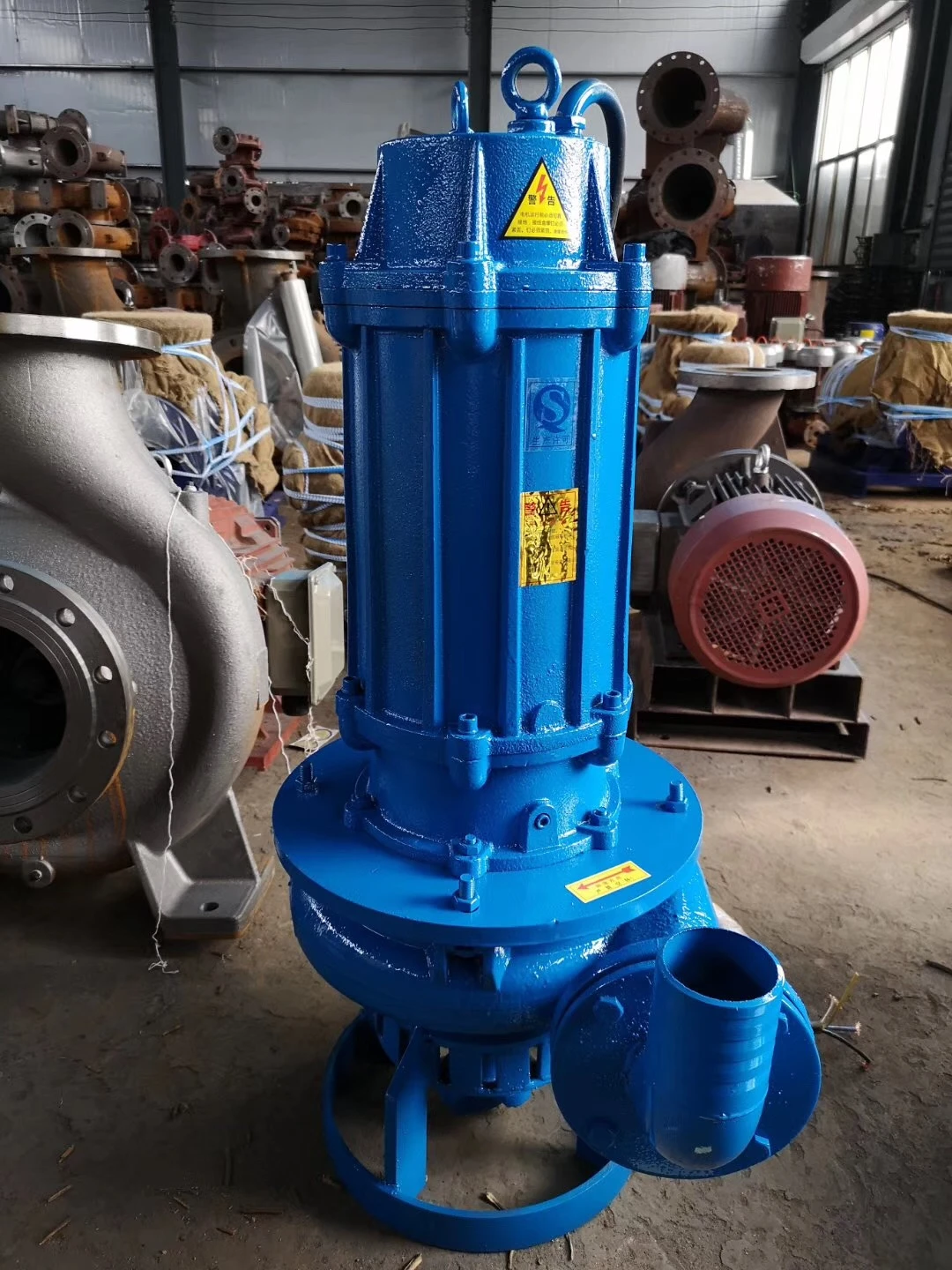
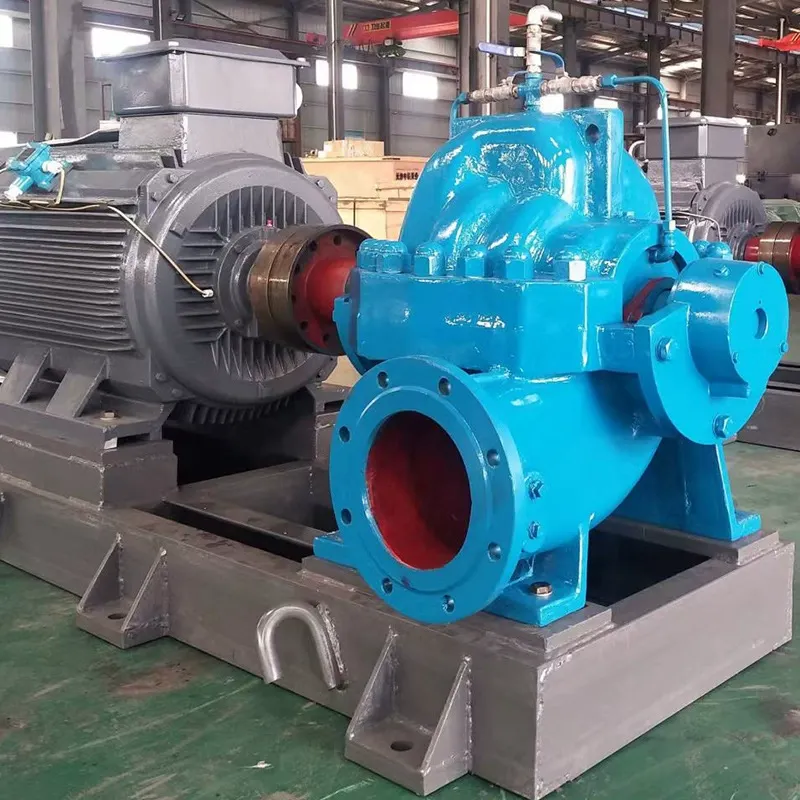
Double suction pumps are a critical component in numerous industrial fluid transfer applications, characterized by their ability to draw fluid from both sides of the impeller simultaneously. This design inherently balances axial thrust, allowing for higher flow rates and operational efficiency compared to single-suction pumps. Positioned within the industry chain as a core element of fluid conveyance systems, they function downstream of fluid sources (reservoirs, process tanks) and upstream of delivery networks (piping, distribution manifolds). Core performance characteristics include high volumetric flow capacity, reduced vibration due to balanced hydraulics, and suitability for handling a wide range of fluids, from clean water to moderately abrasive slurries. The selection of a double suction pump is dictated by factors such as flow rate requirements, head pressure, fluid viscosity, and the presence of suspended solids, making a comprehensive understanding of its design and operational parameters essential for optimal system performance and longevity.
Material Science & Manufacturing
The performance and durability of double suction pumps are fundamentally linked to the materials used in their construction and the precision of the manufacturing processes employed. Pump casings are commonly fabricated from cast iron (ASTM A48 Class 30 or higher for general service), ductile iron (ASTM A536 65-45-12 for improved strength and shock resistance), or stainless steel (304/316 for corrosive environments). The impeller, the heart of the pump, is frequently constructed from cast iron, bronze (ASTM B584), or stainless steel, depending on the fluid being pumped and the potential for erosion or corrosion. Shaft materials typically consist of high-strength alloy steels (e.g., 4140, quenched and tempered) to withstand torsional stress and bending loads. Seals are predominantly composed of elastomers like Viton, EPDM, or PTFE, selected for their chemical compatibility with the pumped fluid and ability to maintain a tight seal under varying operating conditions.
Manufacturing typically begins with casting the casing and impeller. Precision sand casting or investment casting are employed to achieve the required dimensional accuracy and surface finish. Following casting, components undergo machining operations – milling, turning, and grinding – to create tight tolerances on critical surfaces such as the impeller vanes and casing volute. Welding processes (SMAW, GMAW, or SAW) are utilized for joining casing components, requiring strict adherence to welding procedures (AWS D1.1) to ensure structural integrity and prevent defects. Balancing of the impeller is crucial to minimize vibration; dynamic balancing is performed to ISO 1940-1 standards. Surface treatments, including epoxy coatings or specialized linings (rubber, PTFE), are applied to enhance corrosion resistance and fluid flow characteristics. Finally, rigorous quality control checks, including non-destructive testing (NDT) methods like ultrasonic testing (UT) and radiographic testing (RT), are conducted to verify the absence of defects.
Performance & Engineering
The performance of a double suction pump is governed by principles of fluid dynamics and mechanical engineering. Key performance parameters include flow rate (Q), head (H), power consumption (P), and efficiency (η). The pump’s performance curve, a graphical representation of these parameters, dictates its operating range. Force analysis considers radial and axial forces exerted on the impeller and shaft. The double suction design significantly reduces axial thrust compared to single-suction pumps, minimizing bearing loads and extending bearing life. Hydraulic design focuses on optimizing impeller geometry (vane angle, number of vanes) and casing volute shape to maximize efficiency and minimize cavitation.
Environmental resistance is critical. Corrosion prevention is achieved through material selection (stainless steel, alloy castings) and the application of protective coatings. Temperature extremes require consideration of material thermal expansion and contraction, as well as the potential for fluid viscosity changes. Pumps operating in harsh environments may require special seals and materials to withstand exposure to chemicals, abrasives, or extreme temperatures. Compliance requirements are dictated by industry-specific standards. API 610 (Centrifugal Pumps) sets forth stringent requirements for pump design, manufacturing, and testing, particularly for applications in the oil and gas industry. Furthermore, adherence to ISO 9001 quality management systems ensures consistent product quality and traceability. Functional implementation involves proper pump selection based on system requirements, accurate pipe sizing to minimize head loss, and the implementation of appropriate control systems (variable frequency drives - VFDs) to optimize pump performance and energy consumption.
Technical Specifications
| Parameter | Unit | Typical Range (Cast Iron Construction) | Typical Range (Stainless Steel Construction) |
|---|---|---|---|
| Flow Rate | m³/h | 50 - 2000 | 20 - 1000 |
| Head | m | 10 - 100 | 10 - 80 |
| Power | kW | 7.5 - 300 | 5.5 - 200 |
| Impeller Diameter | mm | 200 - 800 | 150 - 600 |
| Suction Flange Diameter | mm | 100 - 600 | 80 - 400 |
| Discharge Flange Diameter | mm | 100 - 600 | 80 - 400 |
Failure Mode & Maintenance
Double suction pumps, while robust, are susceptible to several failure modes. Cavitation, caused by low suction pressure, leads to impeller erosion and reduced pump performance. Bearing failure, resulting from inadequate lubrication, excessive loads, or contamination, manifests as increased vibration and noise. Seal failure, often due to improper installation, abrasive particles, or chemical incompatibility, results in leakage. Corrosion, particularly in pumps handling corrosive fluids, can weaken casing and impeller components, leading to cracking and eventual failure. Fatigue cracking, stemming from cyclical stress, can occur in the shaft or casing. Degradation of elastomers in seals can lead to loss of sealing integrity. Oxidation of metallic components can contribute to material weakening.
Preventative maintenance is crucial. Regular vibration analysis identifies bearing wear or impeller imbalance. Lubrication schedules must be strictly followed, utilizing appropriate greases or oils. Seal inspection and replacement should occur at predetermined intervals. Monitoring suction and discharge pressures helps prevent cavitation. Periodic inspection for corrosion and the application of protective coatings are vital. Routine impeller balancing restores hydraulic efficiency. For addressing failures, bearing replacement requires careful alignment and preloading. Seal replacement necessitates proper material selection and installation techniques. Crack repair may involve welding (following appropriate procedures) or component replacement. Regular performance monitoring (flow rate, head, power consumption) establishes a baseline for detecting deviations indicating potential problems.
Industry FAQ
Q: What are the primary advantages of a double suction pump over a single suction pump for high-flow applications?
A: Double suction pumps inherently offer a higher flow rate capacity for a given impeller diameter and speed due to the increased inlet area. Crucially, the balanced hydraulic design minimizes axial thrust, leading to reduced bearing loads, lower vibration, and increased pump lifespan, particularly in demanding applications.
Q: How does fluid viscosity affect the performance of a double suction pump?
A: Increased fluid viscosity leads to higher frictional losses within the pump, reducing flow rate and efficiency. Higher viscosity also increases power consumption. Pump selection for viscous fluids requires careful consideration of the pump's performance curve at the specified viscosity, and may necessitate the use of a larger motor.
Q: What material selection considerations are most important when pumping abrasive slurries?
A: When handling abrasive slurries, material hardness and erosion resistance are paramount. High-chrome cast iron alloys, hardened stainless steels, or rubber linings are commonly employed to protect the impeller and casing from wear. Impeller design should also minimize areas prone to abrasive attack.
Q: What are the key indicators of cavitation in a double suction pump?
A: Common indicators of cavitation include a rattling or knocking noise emanating from the pump, reduced pump performance (flow rate and head), increased vibration, and visible damage to the impeller surface (pitting and erosion). Addressing cavitation requires increasing suction pressure or reducing pump speed.
Q: What are the implications of exceeding the maximum operating speed specified for a double suction pump?
A: Exceeding the maximum operating speed can lead to increased stress on the impeller, shaft, and bearings, potentially resulting in catastrophic failure. It can also induce cavitation due to reduced NPSHa. Always adhere to the manufacturer's specified speed limits.
Conclusion
Double suction pumps represent a cornerstone of industrial fluid handling, providing efficient and reliable performance in a diverse range of applications. Their ability to manage high flow rates while mitigating axial thrust makes them preferable to single-suction designs in many scenarios. A thorough understanding of the underlying material science, manufacturing processes, and hydraulic principles is critical for optimizing pump selection, operation, and maintenance.
Future trends in double suction pump technology are focused on enhancing efficiency through advanced impeller designs and optimized hydraulic profiles, reducing energy consumption, and integrating smart monitoring systems for predictive maintenance. Adoption of advanced materials, such as ceramic composites, promises improved erosion resistance and extended service life. Careful attention to industry standards and a commitment to preventative maintenance practices will ensure continued reliable operation and minimize total cost of ownership.
-
Comprehensive Guide to Waterproof ORings for Optimal Sealing Solutions
News2026-06-09
-
Septic Pump System Performance Analysis
News2026-06-08
-
pump for septic Material Science
News2026-06-08
-
basement sewer pump Performance Analysis
News2026-06-08
-
submerged pump Performance Engineering
News2026-06-08
-
Septic System Pumps Performance Analysis
News2026-06-08
-
septic system pump Material Science and Manufacturing
News2026-06-07
-
pump for septic tank Material Science Manufacturing
News2026-06-07
-
submersible sewage pump Material Science
News2026-06-07
-
Sewage Ejector Material Science and Manufacturing
News2026-06-07
-
Ejection Pump Material Science
News2026-06-07
-
pump submersible Performance Analysis
News2026-06-06
-
ejector pumps Performance Engineering
News2026-06-06
-
basement ejector pump Material Science Manufacturing
News2026-06-06
-
Septic Tanks Pumping Performance Analysis
News2026-06-06




