English
- Afrikaans
- Albanian
- Amharic
- Arabic
- Armenian
- Azerbaijani
- Basque
- Belarusian
- Bengali
- Bosnian
- Bulgarian
- Catalan
- Cebuano
- Corsican
- Croatian
- Czech
- Danish
- Dutch
- English
- Esperanto
- Estonian
- Finnish
- French
- Frisian
- Galician
- Georgian
- German
- Greek
- Gujarati
- Haitian Creole
- hausa
- hawaiian
- Hebrew
- Hindi
- Miao
- Hungarian
- Icelandic
- igbo
- Indonesian
- irish
- Italian
- Japanese
- Javanese
- Kannada
- kazakh
- Khmer
- Rwandese
- Korean
- Kurdish
- Kyrgyz
- Lao
- Latin
- Latvian
- Lithuanian
- Luxembourgish
- Macedonian
- Malgashi
- Malay
- Malayalam
- Maltese
- Maori
- Marathi
- Mongolian
- Myanmar
- Nepali
- Norwegian
- Norwegian
- Occitan
- Pashto
- Persian
- Polish
- Portuguese
- Punjabi
- Romanian
- Russian
- Samoan
- Scottish Gaelic
- Serbian
- Sesotho
- Shona
- Sindhi
- Sinhala
- Slovak
- Slovenian
- Somali
- Spanish
- Sundanese
- Swahili
- Swedish
- Tagalog
- Tajik
- Tamil
- Tatar
- Telugu
- Thai
- Turkish
- Turkmen
- Ukrainian
- Urdu
- Uighur
- Uzbek
- Vietnamese
- Welsh
- Bantu
- Yiddish
- Yoruba
- Zulu

Telephone: +86 13120555503
Email: frank@cypump.com


Apr . 01, 2024 17:55 Back to list
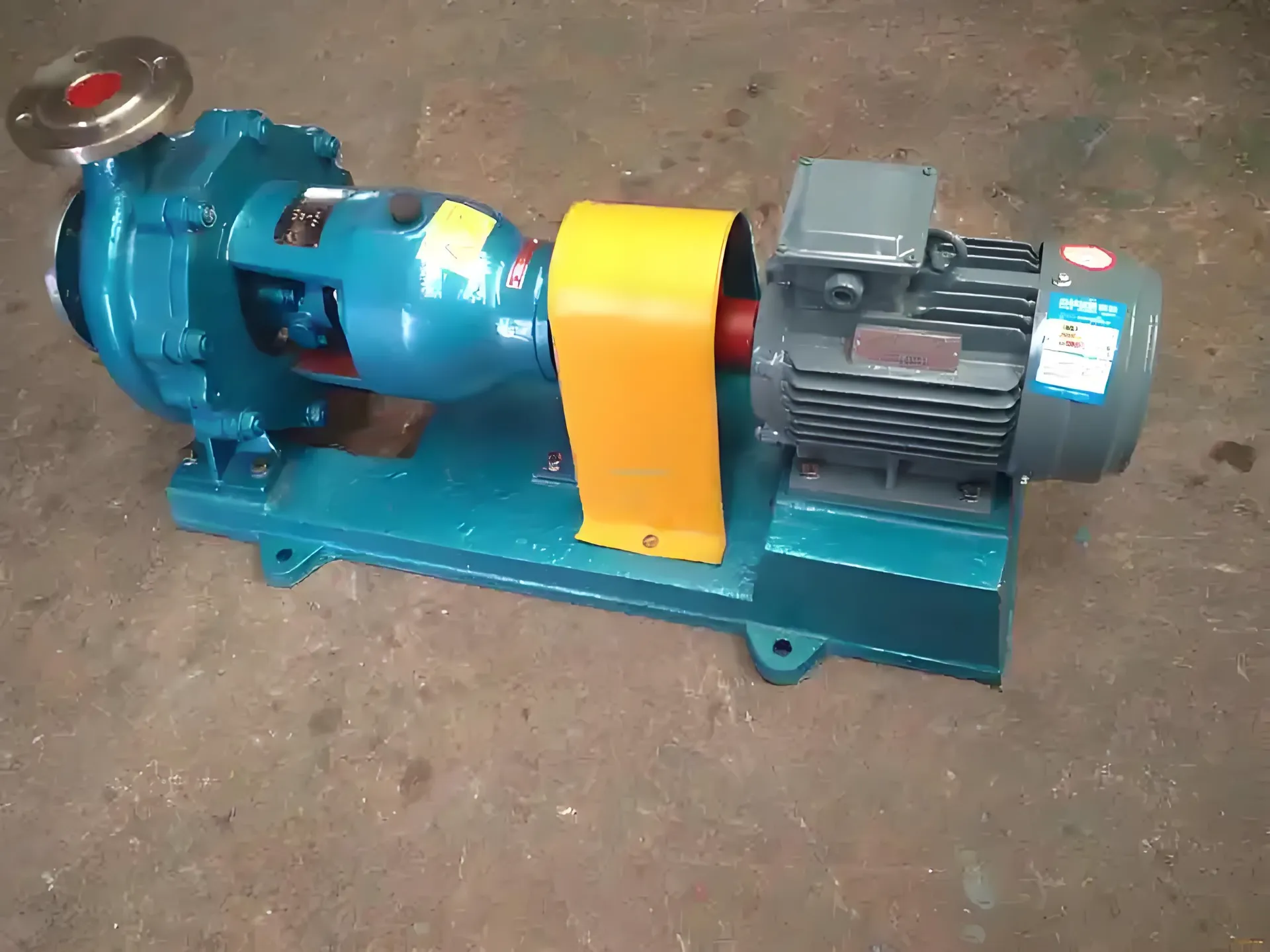
double suction pump Performance Analysis
Introduction
The double suction pump is a centrifugal pump design characterized by an impeller with suction inlets on both sides. This configuration significantly enhances suction performance and reduces Net Positive Suction Head Required (NPSHr) compared to single-suction designs. Positioned within the industrial fluid transfer chain, double suction pumps are critical components in water supply systems, irrigation, power plants, chemical processing, and numerous other applications demanding high flow rates and consistent performance. Their core performance metrics include flow rate (typically ranging from 50 to 1500 m³/h), head (up to 150 meters), and efficiency (reaching up to 85-90% depending on design and size). A primary industry pain point addressed by double suction pumps is the mitigation of cavitation risk in applications with marginal suction conditions. Their balanced impeller design minimizes radial thrust, contributing to extended bearing life and overall pump reliability.
Material Science & Manufacturing
The construction of a double suction pump necessitates careful material selection and precise manufacturing processes. Pump casings are commonly fabricated from cast iron (ASTM A48 Class 30 or equivalent), ductile iron (ASTM A536 65-45-12), or stainless steel (304/316, adhering to ASTM A743). The impeller, subjected to high centrifugal forces and potential erosion, utilizes materials such as bronze (ASTM B584), stainless steel (CF8, CF8M - ASTM A743), or polymer composites for specific applications. Shafts are typically manufactured from high-strength carbon steel (ASTM A105) and undergo hardening and tempering to achieve desired mechanical properties. Seals are frequently composed of materials like Viton (fluoroelastomer), EPDM (ethylene propylene diene monomer), or PTFE (polytetrafluoroethylene), chosen for their chemical compatibility with the conveyed fluid. Manufacturing processes involve precision casting for the casing, followed by machining operations to ensure dimensional accuracy and surface finish. Impellers are commonly produced via investment casting or sand casting, followed by dynamic balancing to minimize vibration. Key parameter control during manufacturing includes impeller blade angle (influencing head and flow characteristics), casing wall thickness (ensuring structural integrity), and shaft runout (critical for bearing life). Welding procedures (AWS D1.1 for steel casings) must adhere to stringent quality control standards to prevent defects and ensure structural soundness.
Performance & Engineering
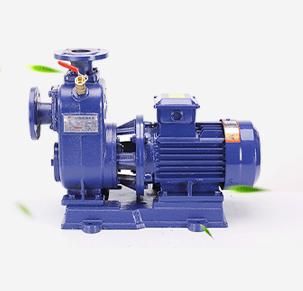
Double suction pump performance is governed by principles of fluid dynamics, specifically the Euler turbine equation and affinity laws. Force analysis reveals that the impeller experiences centrifugal force, radial thrust, and hydraulic thrust. The double-suction design minimizes radial thrust by balancing the pressure distribution on both sides of the impeller, reducing stress on bearings and the shaft. Environmental resistance is a critical consideration; materials must be selected to withstand the temperature, pressure, and chemical composition of the conveyed fluid. Corrosion prevention strategies, such as cathodic protection or the application of protective coatings (epoxy resins, compliant with ISO 12944), are essential in aggressive environments. Compliance requirements vary by region and application. For potable water applications, pumps must conform to NSF/ANSI 61 standards. For hazardous locations, ATEX or IECEx certification is mandatory. The pump's hydraulic performance curve (head vs. flow rate) is a key engineering parameter, and the pump should be selected to operate near its Best Efficiency Point (BEP) for optimal energy consumption and longevity. Proper alignment of the pump and driver (motor) is crucial to prevent premature bearing failure and shaft misalignment. Pump curves are generated through rigorous hydraulic testing, conforming to standards like ISO 9906 Grade 1 or 2.
Technical Specifications
| Parameter | Unit | Typical Range (Small-Medium Pumps) | Typical Range (Large Pumps) |
|---|---|---|---|
| Flow Rate | m³/h | 50-500 | 500-1500 |
| Head | m | 10-50 | 50-150 |
| Impeller Diameter | mm | 200-400 | 400-800 |
| Pump Speed | RPM | 1450-2900 | 750-1450 |
| Power | kW | 2.2-22 | 37-200 |
| NPSHr | m | 2-5 | 5-10 |
Failure Mode & Maintenance
Double suction pumps are susceptible to several failure modes. Cavitation, arising from insufficient NPSHa, leads to impeller erosion and reduced performance. Fatigue cracking in the impeller or casing can occur due to cyclic loading and stress concentration. Bearing failure, often caused by misalignment, inadequate lubrication, or excessive load, is a common issue. Seal failure results in leakage and potential contamination. Corrosion, particularly in aggressive fluids, degrades pump components over time. Abrasive wear, induced by suspended solids, causes erosion of impeller blades and casing internals. Failure analysis techniques, including visual inspection, non-destructive testing (NDT) – such as ultrasonic testing (UT) conforming to ASTM E797 and radiographic testing (RT) adhering to ASME Section V – and metallurgical analysis, are critical for identifying root causes. Preventative maintenance includes regular vibration analysis (ISO 10816), lubrication monitoring, seal inspection, and impeller balancing. Scheduled inspections should include checks for casing cracks, impeller erosion, and bearing wear. Proper filtration of the pumped fluid is essential to minimize abrasive wear. Periodic performance testing allows for the early detection of performance degradation and potential failures.
Industry FAQ
Q: What is the primary advantage of a double suction pump over a single suction pump in a large-scale water distribution system?
A: The primary advantage is a significantly reduced NPSHr. In large systems, suction lift can be challenging, and the double suction design minimizes the risk of cavitation, ensuring stable and reliable operation even with marginal suction conditions. It also provides higher flow rates for a given pump size and speed.
Q: What material selection considerations are paramount when pumping corrosive chemicals?
A: Material selection must prioritize chemical compatibility. Stainless steel alloys (316, duplex stainless steel) and specialized polymer materials (PTFE, PVDF) are commonly employed. The specific chemical composition, concentration, temperature, and flow velocity all influence the choice of material. Consulting chemical resistance charts and performing compatibility testing is crucial.
Q: How does impeller imbalance affect pump performance and longevity?
A: Impeller imbalance generates vibration, leading to increased bearing loads, shaft deflection, and potential seal failure. It also reduces pump efficiency and can cause premature wear of pump components. Dynamic balancing, adhering to ISO 1940-1, is essential during manufacturing and should be re-performed during maintenance if imbalance is detected.
Q: What preventative maintenance procedures are essential to minimize the risk of cavitation damage?
A: Ensuring adequate NPSHa is the most critical preventative measure. This involves verifying suction pipe diameter, minimizing suction line losses, and maintaining sufficient liquid level in the suction tank. Regular monitoring of pump suction pressure and flow rate is also recommended. Impeller inspection for signs of cavitation damage during routine maintenance is vital.
Q: What are the typical efficiency ranges for well-maintained double suction pumps and what factors influence efficiency?
A: Well-maintained double suction pumps typically achieve efficiencies between 75% and 90%, depending on size, design, and operating conditions. Factors influencing efficiency include impeller design, casing hydraulics, internal clearances, fluid viscosity, and operating point relative to the BEP. Regular impeller cleaning and maintenance of internal clearances can help maintain optimal efficiency.
Conclusion
The double suction pump represents a robust and reliable solution for high-volume fluid transfer applications. Its inherent design features, particularly the reduced NPSHr and minimized radial thrust, contribute to enhanced operational stability and extended component life. Successful implementation necessitates careful consideration of material science principles, precise manufacturing processes, and adherence to relevant industry standards.
Looking forward, advancements in pump design, such as the integration of computational fluid dynamics (CFD) for impeller optimization and the development of smart monitoring systems for predictive maintenance, will further enhance the performance and reliability of double suction pumps. Continued focus on energy efficiency and sustainable operating practices will drive innovation in pump technology and contribute to reduced environmental impact.
-
Effluent vs Sump Pump Performance Analysis
News2026-05-22
-
effluent septic pump Performance Engineering
News2026-05-22
-
best sewer pumps Performance Engineering
News2026-05-22
-
best sewer pump Performance Analysis
News2026-05-22
-
best sewage pumps Performance Engineering
News2026-05-22
-
basement bathroom sewage pump Material Science Manufacturing
News2026-05-21
-
wastewater treatment plant pumps Material Science Manufacturing
News2026-05-21
-
waste water pump for basement Material Science Manufacturing
News2026-05-21
-
sump pump sewage Performance Analysis
News2026-05-21
-
sump pump for sewage Material Science and Manufacturing
News2026-05-21
-
sump pump for septic systems Material Science Manufacturing
News2026-05-20
-
sump pump and ejector pump Material Science Manufacturing
News2026-05-20
-
sewage treatment plant pumps Performance Analysis
News2026-05-20
-
sewage tank pump Material Science and Manufacturing
News2026-05-20
-
sewage pump for septic tank Performance Analysis
News2026-05-20




