English
- Afrikaans
- Albanian
- Amharic
- Arabic
- Armenian
- Azerbaijani
- Basque
- Belarusian
- Bengali
- Bosnian
- Bulgarian
- Catalan
- Cebuano
- Corsican
- Croatian
- Czech
- Danish
- Dutch
- English
- Esperanto
- Estonian
- Finnish
- French
- Frisian
- Galician
- Georgian
- German
- Greek
- Gujarati
- Haitian Creole
- hausa
- hawaiian
- Hebrew
- Hindi
- Miao
- Hungarian
- Icelandic
- igbo
- Indonesian
- irish
- Italian
- Japanese
- Javanese
- Kannada
- kazakh
- Khmer
- Rwandese
- Korean
- Kurdish
- Kyrgyz
- Lao
- Latin
- Latvian
- Lithuanian
- Luxembourgish
- Macedonian
- Malgashi
- Malay
- Malayalam
- Maltese
- Maori
- Marathi
- Mongolian
- Myanmar
- Nepali
- Norwegian
- Norwegian
- Occitan
- Pashto
- Persian
- Polish
- Portuguese
- Punjabi
- Romanian
- Russian
- Samoan
- Scottish Gaelic
- Serbian
- Sesotho
- Shona
- Sindhi
- Sinhala
- Slovak
- Slovenian
- Somali
- Spanish
- Sundanese
- Swahili
- Swedish
- Tagalog
- Tajik
- Tamil
- Tatar
- Telugu
- Thai
- Turkish
- Turkmen
- Ukrainian
- Urdu
- Uighur
- Uzbek
- Vietnamese
- Welsh
- Bantu
- Yiddish
- Yoruba
- Zulu

Telephone: +86 13120555503
Email: frank@cypump.com


Apr . 01, 2024 17:55 Back to list
Double Suction Pump Performance Analysis
Introduction
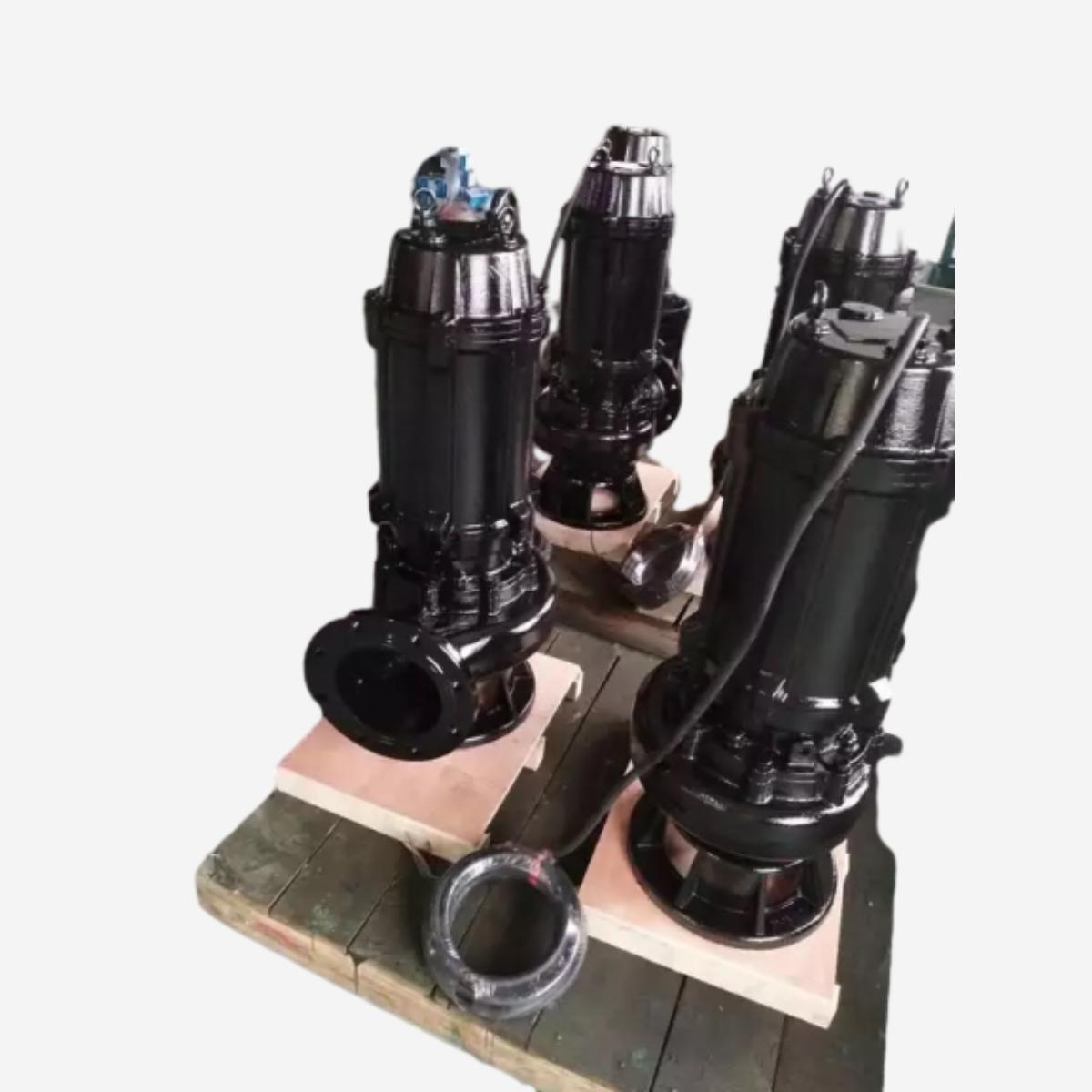
A double suction pump is a centrifugal pump designed with impellers that draw fluid in from two sides, rather than one as in single-suction pumps. This configuration fundamentally alters flow dynamics and performance characteristics, making it a critical component in numerous industrial applications. Positioned within the fluid handling chain, typically after a source tank or sump, the double suction pump elevates fluid pressure and delivers it to downstream processes like cooling systems, water supply networks, or chemical processing units. Its core performance lies in its ability to deliver high flow rates at relatively low net positive suction head required (NPSHr) values, minimizing cavitation risks. The primary advantages over single-suction pumps include reduced axial thrust on the impeller, enhanced efficiency in handling large volumes of fluid, and a more stable hydraulic performance curve. Common applications are found in power generation, water treatment, large-scale irrigation, and HVAC systems where consistent and reliable high-volume fluid transfer is paramount. The selection of a double suction pump is often driven by the need to mitigate cavitation issues and improve overall system efficiency compared to alternative pump designs.
Material Science & Manufacturing
The construction of a double suction pump necessitates careful material selection and precise manufacturing processes to ensure durability, corrosion resistance, and operational reliability. Commonly, pump casings are fabricated from cast iron (ASTM A48 Class 30), ductile iron (ASTM A536 65-45-12), or stainless steel (304, 316 – ASTM A743). The choice depends heavily on the fluid being pumped; corrosive fluids necessitate stainless steel or specialized alloys like Hastelloy. Impellers are frequently manufactured from bronze (ASTM B148), stainless steel (CF8, CF8M - ASTM A743), or composite materials for abrasive applications. Shafts require high-strength alloys like 4140 or 4340 steel (ASTM A297) and undergo hardening and tempering to withstand torsional stress. Seals are critical components, often employing mechanical seals with faces made from silicon carbide or tungsten carbide against a compatible seat material, utilizing elastomers like Viton or EPDM for compatibility with the process fluid.
Manufacturing processes begin with pattern making for the casing and impeller castings. These patterns are used to create molds for sand casting, investment casting, or centrifugal casting. Following casting, components undergo machining, including milling, turning, and grinding to achieve precise dimensional tolerances. Impellers are dynamically balanced to minimize vibration and ensure smooth operation (ISO 1940-1). Welding processes, such as shielded metal arc welding (SMAW) or gas tungsten arc welding (GTAW – AWS D1.1), are used to join casing halves and other components. Surface treatments like epoxy coating or painting are applied to the exterior to prevent corrosion. Final assembly involves meticulous alignment of the shaft, impeller, and seals, followed by hydrostatic testing (API 610) to verify structural integrity and leak-tightness. Key parameter control focuses on maintaining tight tolerances in impeller clearances, shaft runout, and seal face flatness to maximize efficiency and prevent premature failure.
Performance & Engineering
The hydraulic performance of a double suction pump is governed by fundamental principles of fluid dynamics, including Bernoulli's equation and the affinity laws. Force analysis reveals that the double-suction design minimizes axial thrust on the impeller compared to single-suction pumps, resulting in reduced bearing loads and extended bearing life. The balanced hydraulic forces necessitate less robust thrust bearings, contributing to overall efficiency gains. Environmental resistance is a crucial consideration. Pumps operating in harsh environments require robust seals and corrosion-resistant materials. Consideration must be given to temperature fluctuations, humidity, and exposure to corrosive substances. Pump selection must account for the fluid's viscosity, density, and temperature, as these properties directly impact pump performance and efficiency. Cavitation is a primary concern, particularly at higher flow rates or lower NPSHa (Net Positive Suction Head Available). Proper pump sizing and system design are essential to ensure adequate NPSHa and prevent cavitation damage. Compliance requirements are dictated by industry standards (see footer) and may include energy efficiency regulations, safety standards (e.g., PED – Pressure Equipment Directive), and environmental regulations. The pump’s design must adhere to these standards to ensure safe and reliable operation. The volute casing geometry is engineered to efficiently convert kinetic energy into pressure energy, while impeller blade angles are optimized to maximize hydraulic efficiency.
Technical Specifications
| Parameter | Unit | Typical Range | Description |
|---|---|---|---|
| Flow Rate | m³/h | 50 - 5000 | Volume of fluid pumped per hour |
| Head | m | 10 - 150 | Height to which the fluid is lifted |
| Impeller Diameter | mm | 200 - 800 | Diameter of the impeller |
| Suction Pressure | MPa | -0.1 to 0.5 | Pressure at the pump inlet |
| Discharge Pressure | MPa | 0.5 to 2.0 | Pressure at the pump outlet |
| Power | kW | 7.5 – 200 | Electrical power consumed by the pump |
Failure Mode & Maintenance
Double suction pumps are susceptible to several failure modes. Cavitation, caused by insufficient NPSHa, leads to impeller erosion and reduced pump performance. Fatigue cracking can occur in the casing or impeller due to cyclic stress, particularly under high head or flow rate conditions. Seal failures, often resulting from abrasion, chemical attack, or improper installation, cause leakage and reduced efficiency. Bearing failures, due to inadequate lubrication, contamination, or excessive loads, manifest as noise, vibration, and eventual pump seizure. Corrosion, particularly in pumps handling corrosive fluids, leads to material degradation and structural weakening.
Preventive maintenance is crucial. Regular inspection of seals for wear and leakage, lubrication of bearings according to manufacturer’s specifications (ISO 287), and vibration analysis (ISO 10816) can detect potential problems early. Periodic impeller inspection for erosion or corrosion is essential. Alignment checks (using laser alignment tools) minimize bearing stress and prevent premature failure. Regular monitoring of pump performance parameters (flow rate, pressure, power consumption) helps identify deviations from normal operating conditions. Corrective maintenance involves seal replacement, bearing replacement, impeller repair or replacement, and casing repair or replacement. Proper storage of spare parts and a well-defined maintenance schedule are critical for minimizing downtime and extending pump life. Consideration should be given to implementing a condition-based maintenance program utilizing sensors and data analytics to predict failures and optimize maintenance intervals.
Industry FAQ
Q: What are the key advantages of a double suction pump over a single suction pump for large-scale water transfer?
A: Double suction pumps offer significantly higher flow rates for a given pump size, reduced NPSHr minimizing cavitation risk, and lower axial thrust on the impeller, leading to extended bearing life and improved efficiency. This translates to lower operating costs and improved reliability in large water transfer applications.
Q: How does fluid viscosity affect the performance of a double suction pump?
A: Increased fluid viscosity reduces pump efficiency and flow rate. It also increases power consumption and can lead to increased axial thrust. Pump curves typically depict performance adjustments for varying viscosities. Selection should account for the maximum anticipated viscosity of the pumped fluid.
Q: What are the common causes of cavitation in double suction pumps and how can they be mitigated?
A: Cavitation arises from insufficient NPSHa. Mitigation strategies include increasing the suction tank height, reducing suction line losses (e.g., using larger diameter piping, minimizing bends), lowering pump speed, or selecting a pump with a lower NPSHr. Careful system design and operational monitoring are crucial.
Q: What materials are best suited for a double suction pump handling a highly corrosive chemical, such as sulfuric acid?
A: For highly corrosive fluids like sulfuric acid, materials like stainless steel (specifically 316 or specialized alloys like Alloy 20), Hastelloy, or PTFE-lined casings are recommended. The seal materials must also be chemically compatible with the fluid.
Q: What is the typical lifespan of a properly maintained double suction pump in a municipal water treatment plant?
A: With diligent maintenance, including regular inspections, lubrication, and seal replacements, a double suction pump in a municipal water treatment plant can reliably operate for 20-30 years or more. Implementing a predictive maintenance program can further extend its lifespan.
Conclusion
The double suction pump remains a cornerstone of fluid handling technology, particularly in applications demanding high flow rates and reliability. Its design, leveraging balanced hydraulics and robust material science, addresses common challenges like cavitation and axial thrust effectively. Understanding the intricate interplay between material selection, manufacturing processes, and operational parameters is crucial for maximizing pump performance and longevity.
Future developments will likely focus on optimizing impeller designs using computational fluid dynamics (CFD), incorporating advanced materials with enhanced corrosion resistance, and integrating smart sensors for real-time monitoring and predictive maintenance. The ongoing pursuit of greater energy efficiency and reduced life-cycle costs will continue to drive innovation in double suction pump technology, solidifying its position as a critical component in diverse industrial sectors.
-
Comprehensive Guide to Waterproof ORings for Optimal Sealing Solutions
News2026-06-09
-
Septic Pump System Performance Analysis
News2026-06-08
-
pump for septic Material Science
News2026-06-08
-
basement sewer pump Performance Analysis
News2026-06-08
-
submerged pump Performance Engineering
News2026-06-08
-
Septic System Pumps Performance Analysis
News2026-06-08
-
septic system pump Material Science and Manufacturing
News2026-06-07
-
pump for septic tank Material Science Manufacturing
News2026-06-07
-
submersible sewage pump Material Science
News2026-06-07
-
Sewage Ejector Material Science and Manufacturing
News2026-06-07
-
Ejection Pump Material Science
News2026-06-07
-
pump submersible Performance Analysis
News2026-06-06
-
ejector pumps Performance Engineering
News2026-06-06
-
basement ejector pump Material Science Manufacturing
News2026-06-06
-
Septic Tanks Pumping Performance Analysis
News2026-06-06




