English
- Afrikaans
- Albanian
- Amharic
- Arabic
- Armenian
- Azerbaijani
- Basque
- Belarusian
- Bengali
- Bosnian
- Bulgarian
- Catalan
- Cebuano
- Corsican
- Croatian
- Czech
- Danish
- Dutch
- English
- Esperanto
- Estonian
- Finnish
- French
- Frisian
- Galician
- Georgian
- German
- Greek
- Gujarati
- Haitian Creole
- hausa
- hawaiian
- Hebrew
- Hindi
- Miao
- Hungarian
- Icelandic
- igbo
- Indonesian
- irish
- Italian
- Japanese
- Javanese
- Kannada
- kazakh
- Khmer
- Rwandese
- Korean
- Kurdish
- Kyrgyz
- Lao
- Latin
- Latvian
- Lithuanian
- Luxembourgish
- Macedonian
- Malgashi
- Malay
- Malayalam
- Maltese
- Maori
- Marathi
- Mongolian
- Myanmar
- Nepali
- Norwegian
- Norwegian
- Occitan
- Pashto
- Persian
- Polish
- Portuguese
- Punjabi
- Romanian
- Russian
- Samoan
- Scottish Gaelic
- Serbian
- Sesotho
- Shona
- Sindhi
- Sinhala
- Slovak
- Slovenian
- Somali
- Spanish
- Sundanese
- Swahili
- Swedish
- Tagalog
- Tajik
- Tamil
- Tatar
- Telugu
- Thai
- Turkish
- Turkmen
- Ukrainian
- Urdu
- Uighur
- Uzbek
- Vietnamese
- Welsh
- Bantu
- Yiddish
- Yoruba
- Zulu

Telephone: +86 13120555503
Email: frank@cypump.com


Apr . 01, 2024 17:55 Back to list
Double Suction Pump how does a double suction pump work Performance Analysis
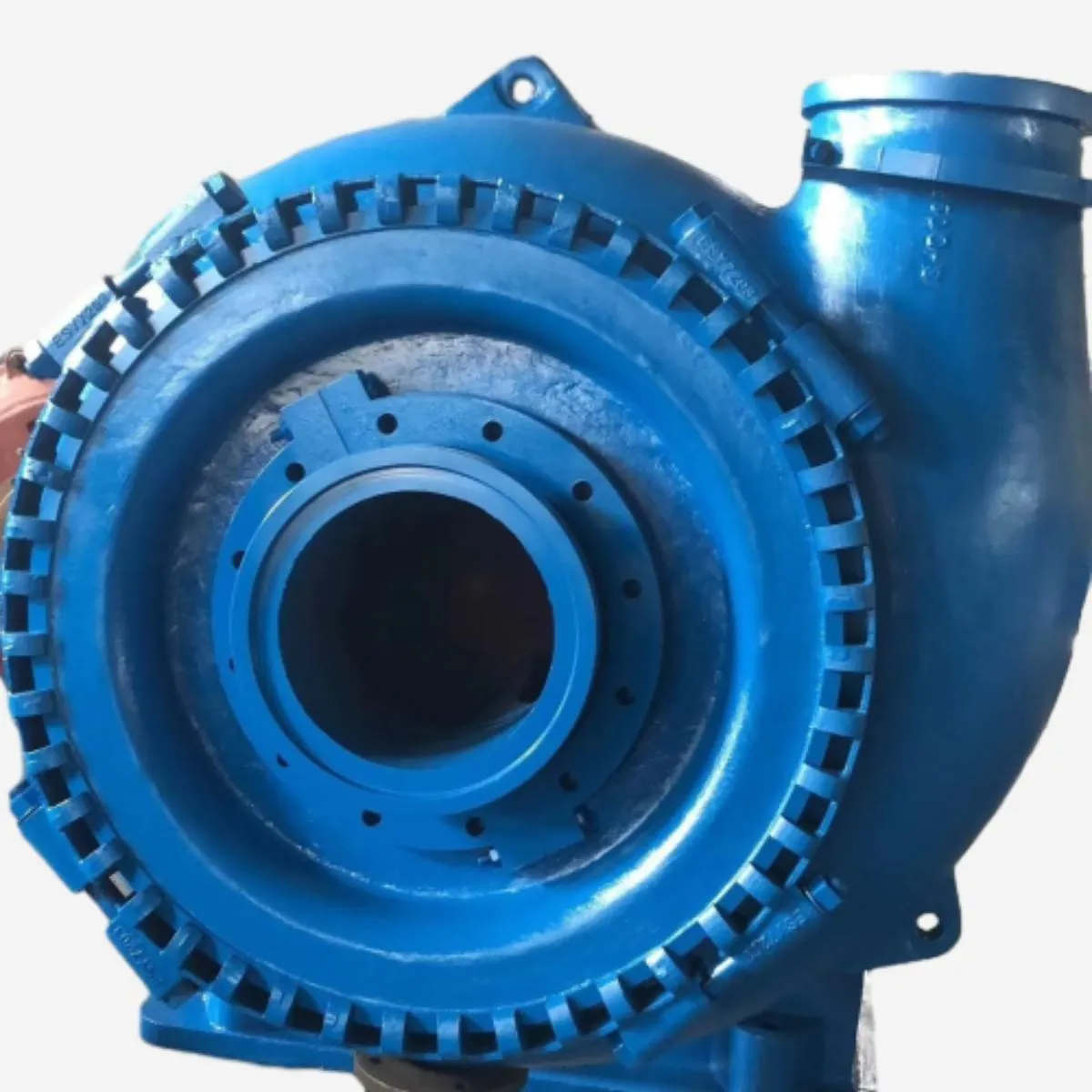
Introduction
A double suction pump is a centrifugal pump designed with an impeller that receives fluid flow from both sides, effectively doubling the suction capacity compared to a single-suction pump. Positioned as a critical component in numerous industrial applications – including water supply, irrigation, power generation, and process fluid transfer – its function is predicated on converting rotational kinetic energy to hydrodynamic energy. The core performance metric centers around its ability to achieve high flow rates at moderate heads, offering superior efficiency and reduced noise levels in comparison to other pump types. Double suction pumps mitigate the axial thrust generated by centrifugal force inherent in single-suction designs, increasing longevity and reducing the likelihood of bearing failure. Understanding the intricacies of its construction, operation, and maintenance is vital for engineers and procurement professionals ensuring optimal system performance and minimizing operational downtime. This guide provides a comprehensive analysis of double suction pump technology, encompassing material science, manufacturing processes, performance characteristics, failure modes, and relevant industry standards.
Material Science & Manufacturing
The construction of a double suction pump necessitates materials capable of withstanding corrosive fluids, high rotational speeds, and significant hydrodynamic forces. Commonly, pump casings are fabricated from cast iron (ASTM A48 Class 30), ductile iron (ASTM A536 65-45-12), or stainless steel (304, 316 – adhering to ASTM A240). The impeller, the heart of the pump, is typically cast from bronze (ASTM B584), stainless steel (CF8, CF8M per ASTM A743), or, in abrasive service, specialized materials like high-chrome iron. Shaft materials generally consist of alloy steel (4140 or 4340 per ASTM A276) hardened and tempered for high tensile strength and fatigue resistance. Seals utilize elastomers like Viton (fluoroelastomer) or PTFE (polytetrafluoroethylene) selected for chemical compatibility and wear resistance. Manufacturing processes begin with pattern making for casting the casing and impeller. Impellers undergo precision machining to achieve precise blade profiles and balance, minimizing vibration. Casing components are joined via welding (SMAW, GMAW – conforming to AWS D1.1) or bolted flanges. Critical dimensions are inspected using Coordinate Measuring Machines (CMMs) adhering to ASME Y14.5 standards. Balancing is performed per ISO 1940-1 to ensure smooth operation. Key parameter control focuses on impeller tolerances (blade angle, diameter), casing wall thickness, and shaft straightness to maximize hydraulic efficiency and longevity.
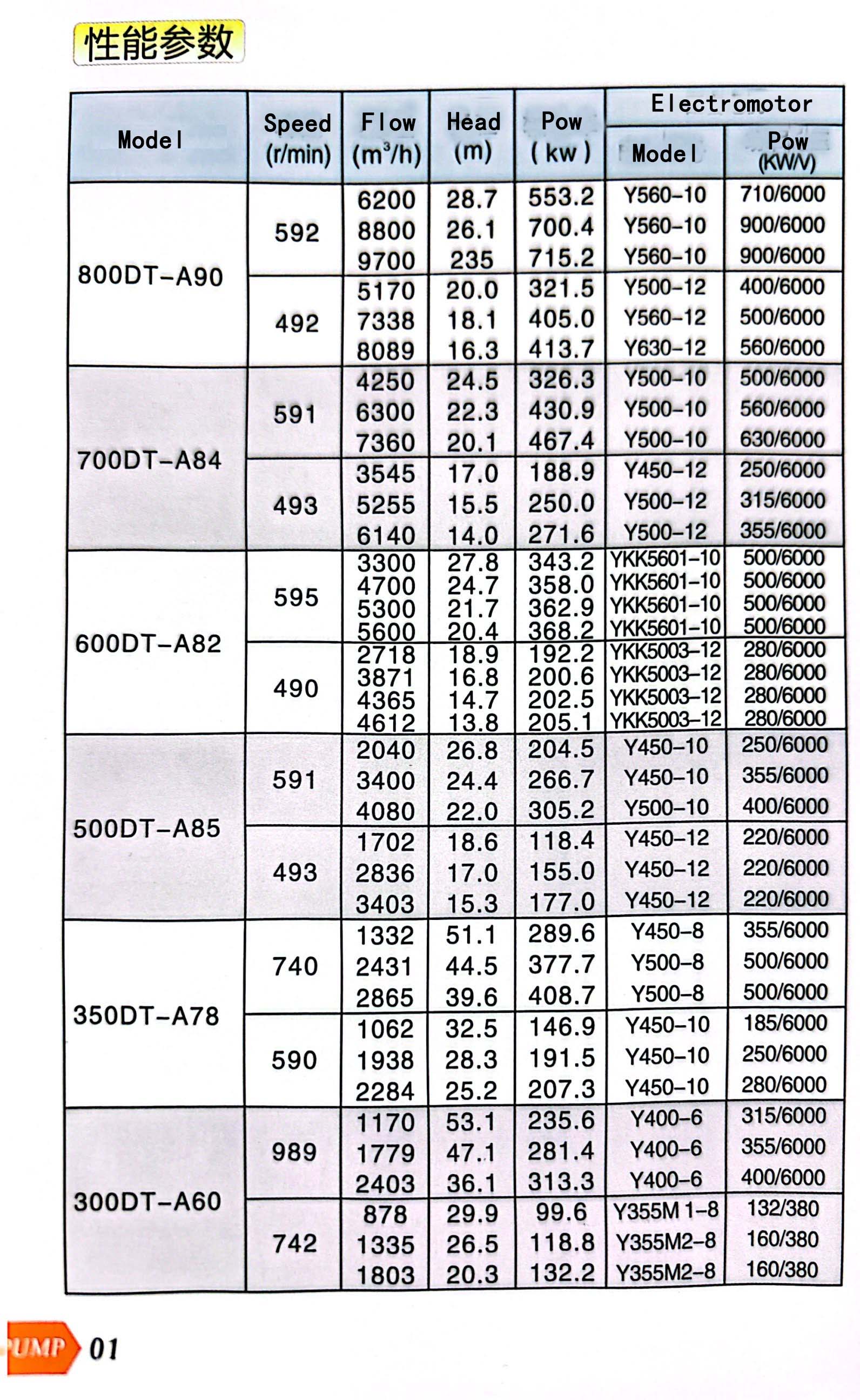
Performance & Engineering
The performance of a double suction pump is governed by fundamental principles of fluid dynamics. Force analysis involves evaluating radial and axial thrusts generated by the impeller. Axial thrust, significantly reduced compared to single-suction pumps, is further minimized through the use of balance drums or double volute casings. Hydraulic performance is characterized by its head-capacity curve, efficiency curve, and Net Positive Suction Head Required (NPSHr). The pump’s efficiency is directly influenced by impeller geometry, casing design, and fluid viscosity. Environmental resistance is crucial; pumps operating in corrosive environments require appropriate material selection (e.g., stainless steel or coated components) to prevent degradation. Compliance requirements vary by application and region. For potable water applications, NSF/ANSI 61 certification is often mandated. For explosive atmospheres, ATEX or IECEx certification is required. Functional implementation details include proper piping configuration to minimize pressure losses and ensure adequate NPSHa (Net Positive Suction Head Available). Cavitation, a destructive phenomenon arising from insufficient NPSHa, must be avoided through careful system design and pump selection. Vibration analysis, utilizing instruments conforming to ISO 10816, is crucial for monitoring pump health and identifying potential issues. Proper alignment between the pump and driver (motor or engine) is critical to prevent bearing failure and seal leakage.
Technical Specifications
| Parameter | Units | Typical Range (Small Pump) | Typical Range (Large Pump) |
|---|---|---|---|
| Flow Rate | m³/h | 5 – 50 | 200 – 1000+ |
| Head | m | 10 – 30 | 50 – 150+ |
| Power | kW | 1.5 – 7.5 | 37 – 250+ |
| Impeller Diameter | mm | 150 – 300 | 500 – 900+ |
| Suction Pressure | bar | -0.05 – 0.5 | -0.1 – 1.0 |
| Operating Temperature | °C | -10 – 80 | -20 – 120 |
Failure Mode & Maintenance
Double suction pumps, while robust, are susceptible to several failure modes. Fatigue cracking in the impeller, often initiated at the blade roots due to cyclic stress, is a common issue. Delamination of coatings, particularly in corrosive environments, can lead to accelerated corrosion. Cavitation erosion, manifesting as pitting on impeller surfaces, results from insufficient NPSHa. Bearing failure, often caused by misalignment, inadequate lubrication, or excessive loading, is also frequent. Seal leakage stems from wear, chemical incompatibility, or improper installation. Oxidation of pump components, especially in high-temperature applications, can degrade material properties. Preventive maintenance involves regular vibration analysis (ISO 10816), oil analysis (ASTM D4057), and visual inspections for corrosion and wear. Corrective maintenance includes impeller balancing, seal replacement, bearing replacement, and casing repair. Lubrication schedules should adhere to manufacturer recommendations (ISO 3448). Impeller replacement necessitates precise balancing to prevent vibration. Routine flushing of the pump casing removes debris and prevents clogging. Thoroughly documenting maintenance activities is essential for tracking pump performance and predicting future failures. Implementing a predictive maintenance program utilizing condition monitoring techniques optimizes maintenance schedules and minimizes unplanned downtime.
Industry FAQ
Q: What are the primary advantages of a double suction pump over a single suction pump?
A: The primary advantages include higher flow rates for a given impeller diameter, reduced axial thrust leading to longer bearing life, and typically lower noise levels. Double suction pumps are particularly well-suited for applications requiring large volume transfers at moderate heads.
Q: How do I determine the appropriate NPSHa for my application?
A: NPSHa is calculated based on system conditions including suction tank level, fluid temperature, vapor pressure, and suction pipe losses. It must always exceed the pump’s NPSHr to prevent cavitation. Detailed hydraulic calculations adhering to Hydraulic Institute standards are recommended.
Q: What is the significance of impeller balancing, and how often should it be performed?
A: Impeller balancing minimizes vibration and extends bearing life. It should be performed during initial commissioning, after any impeller repair, and periodically as part of a preventive maintenance schedule – typically every 1-3 years depending on operating conditions.
Q: What materials are best suited for handling abrasive fluids?
A: For abrasive fluids, impellers fabricated from high-chrome iron alloys are recommended due to their superior wear resistance. Casing materials should also be selected for abrasion resistance, such as hardened stainless steel or rubber linings.
Q: What are the key considerations when selecting a pump for a corrosive application?
A: Material compatibility is paramount. Stainless steels (316, duplex stainless steels), specialized alloys (Hastelloy), or pumps with corrosion-resistant linings (PTFE, rubber) are necessary. Consider the fluid’s pH, temperature, and concentration to ensure long-term reliability.
Conclusion
The double suction pump represents a cornerstone technology in fluid transfer, offering a compelling blend of high flow capability, operational efficiency, and reduced axial thrust. Its suitability is contingent upon careful consideration of material science principles, precise manufacturing processes, and thorough performance engineering. Addressing potential failure modes through proactive maintenance and vigilant condition monitoring is essential for maximizing pump lifespan and minimizing operational costs.
Moving forward, advancements in computational fluid dynamics (CFD) and materials science will continue to refine pump designs, leading to even greater efficiency and reliability. The integration of smart sensors and predictive analytics will enable more sophisticated condition monitoring, facilitating optimized maintenance schedules and reducing unplanned downtime. Ultimately, a comprehensive understanding of the principles outlined in this guide will empower engineers and procurement professionals to make informed decisions, ensuring optimal performance and long-term value from their double suction pump investments.
-
Comprehensive Guide to Waterproof ORings for Optimal Sealing Solutions
News2026-06-09
-
Septic Pump System Performance Analysis
News2026-06-08
-
pump for septic Material Science
News2026-06-08
-
basement sewer pump Performance Analysis
News2026-06-08
-
submerged pump Performance Engineering
News2026-06-08
-
Septic System Pumps Performance Analysis
News2026-06-08
-
septic system pump Material Science and Manufacturing
News2026-06-07
-
pump for septic tank Material Science Manufacturing
News2026-06-07
-
submersible sewage pump Material Science
News2026-06-07
-
Sewage Ejector Material Science and Manufacturing
News2026-06-07
-
Ejection Pump Material Science
News2026-06-07
-
pump submersible Performance Analysis
News2026-06-06
-
ejector pumps Performance Engineering
News2026-06-06
-
basement ejector pump Material Science Manufacturing
News2026-06-06
-
Septic Tanks Pumping Performance Analysis
News2026-06-06