English
- Afrikaans
- Albanian
- Amharic
- Arabic
- Armenian
- Azerbaijani
- Basque
- Belarusian
- Bengali
- Bosnian
- Bulgarian
- Catalan
- Cebuano
- Corsican
- Croatian
- Czech
- Danish
- Dutch
- English
- Esperanto
- Estonian
- Finnish
- French
- Frisian
- Galician
- Georgian
- German
- Greek
- Gujarati
- Haitian Creole
- hausa
- hawaiian
- Hebrew
- Hindi
- Miao
- Hungarian
- Icelandic
- igbo
- Indonesian
- irish
- Italian
- Japanese
- Javanese
- Kannada
- kazakh
- Khmer
- Rwandese
- Korean
- Kurdish
- Kyrgyz
- Lao
- Latin
- Latvian
- Lithuanian
- Luxembourgish
- Macedonian
- Malgashi
- Malay
- Malayalam
- Maltese
- Maori
- Marathi
- Mongolian
- Myanmar
- Nepali
- Norwegian
- Norwegian
- Occitan
- Pashto
- Persian
- Polish
- Portuguese
- Punjabi
- Romanian
- Russian
- Samoan
- Scottish Gaelic
- Serbian
- Sesotho
- Shona
- Sindhi
- Sinhala
- Slovak
- Slovenian
- Somali
- Spanish
- Sundanese
- Swahili
- Swedish
- Tagalog
- Tajik
- Tamil
- Tatar
- Telugu
- Thai
- Turkish
- Turkmen
- Ukrainian
- Urdu
- Uighur
- Uzbek
- Vietnamese
- Welsh
- Bantu
- Yiddish
- Yoruba
- Zulu

Telephone: +86 13120555503
Email: frank@cypump.com


Apr . 01, 2024 17:55 Back to list
Double Suction Pump Advantages Performance Analysis
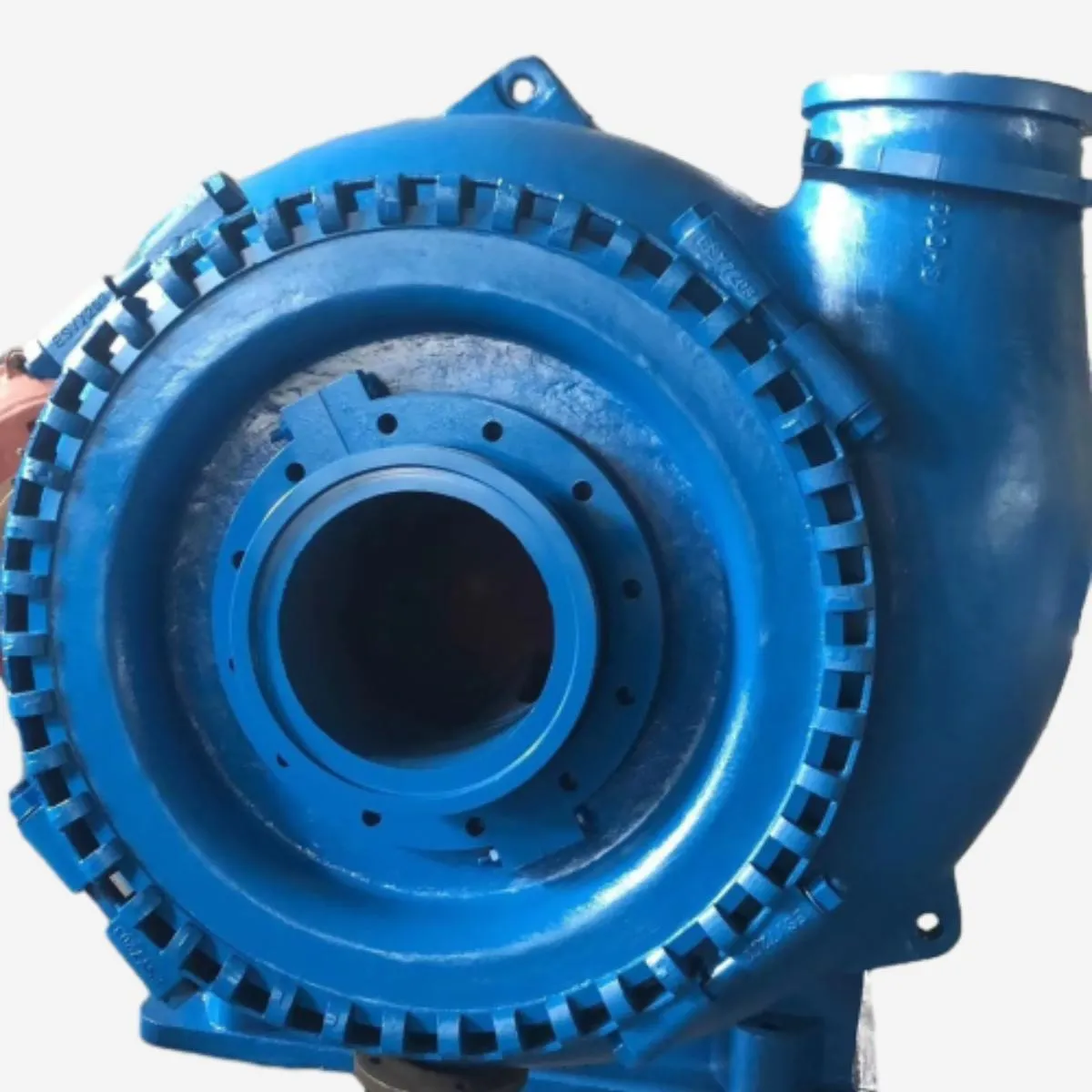
Introduction
Double suction pumps represent a critical component in numerous industrial fluid transfer applications. Unlike single-suction pumps which draw fluid from one side of the impeller, double suction pumps ingest fluid axially from both sides, significantly enhancing volumetric flow rate and reducing hydraulic load. Their technical position within the industrial chain extends from raw water intake and cooling systems in power generation, to critical process fluid circulation in chemical processing, to large-scale irrigation and wastewater management. Core performance characteristics include high flow capacity, reduced cavitation risk, and improved Net Positive Suction Head Required (NPSHr) compared to single-stage alternatives. This guide will provide a comprehensive analysis of double suction pumps, covering material science, manufacturing processes, performance engineering, failure modes, and relevant industry standards. The increasing demand for efficient fluid handling in diverse industries necessitates a deep understanding of these pumps, especially considering the growing focus on operational reliability and reduced energy consumption.
Material Science & Manufacturing
The construction of a double suction pump demands careful selection of materials based on the fluid being handled, operating pressure, and temperature. Commonly, pump casings are manufactured from cast iron (ASTM A126 Class 30 or equivalent), ductile iron (ASTM A536 65-45-12), or stainless steel (304, 316, or duplex grades). Impellers can be constructed from cast iron, bronze (ASTM B584), stainless steel, or engineered plastics like Polypropylene (PP) for corrosive fluid applications. Shafts are generally manufactured from medium carbon steel (e.g., AISI 1045) and undergo hardening and tempering processes to enhance tensile strength and wear resistance. Manufacturing processes primarily involve sand casting for the casing, followed by machining for precise dimensional accuracy and surface finish. Impellers are often produced through investment casting for complex geometries, ensuring optimal hydraulic efficiency. Critical parameter control during manufacturing includes impeller balancing to minimize vibration, shaft alignment to prevent bearing failure, and rigorous non-destructive testing (NDT) such as radiographic inspection and ultrasonic testing to detect internal flaws. Welding, when required for casing assembly, adheres to standards like AWS D1.1. Seal materials, crucial for preventing leakage, are selected based on chemical compatibility and include elastomers like Viton (fluoroelastomer) or mechanical seals with faces composed of silicon carbide or tungsten carbide. The choice of materials profoundly impacts the pump’s lifespan, efficiency, and resistance to corrosion and erosion.
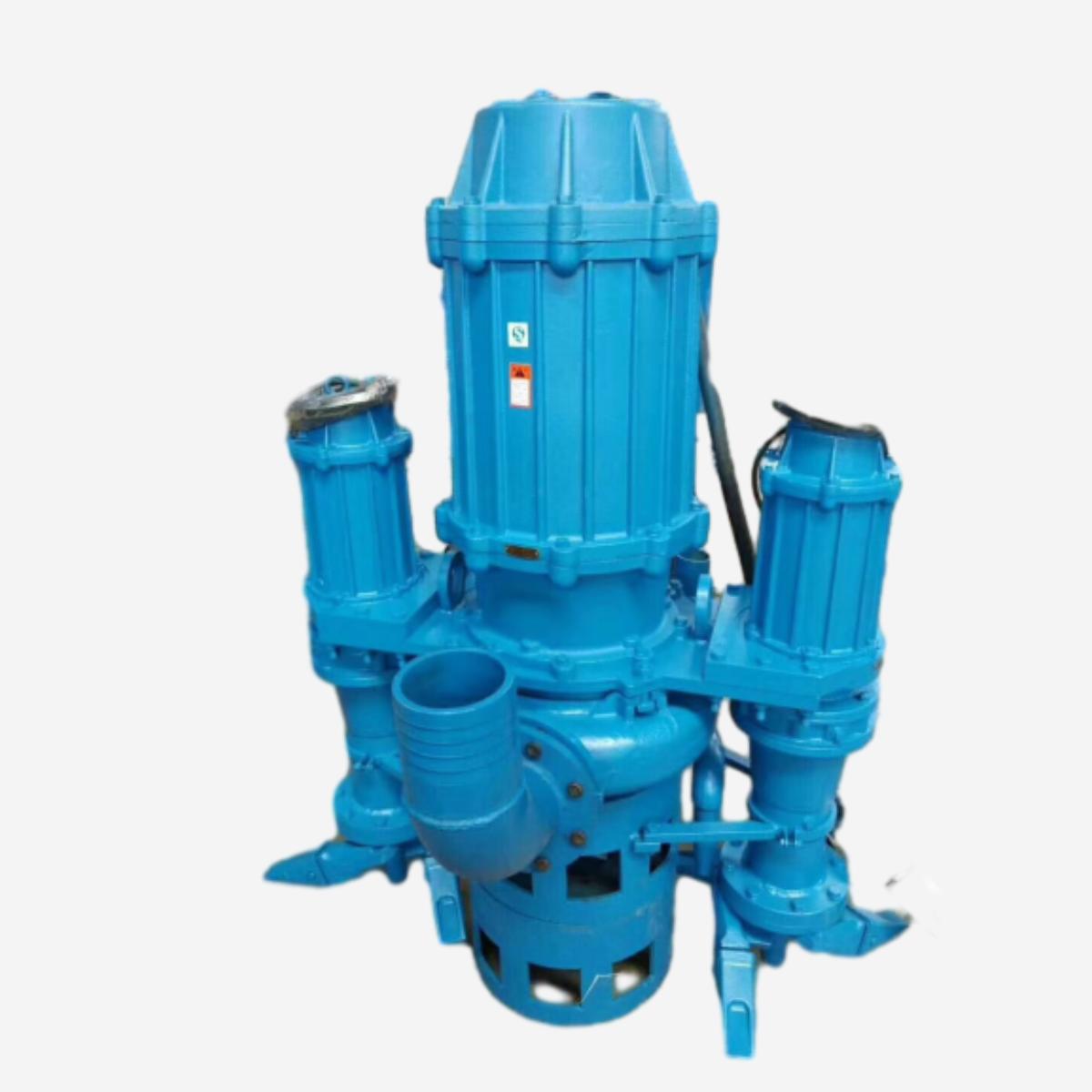
Performance & Engineering
Double suction pump performance is governed by fundamental fluid dynamics principles. Key engineering considerations include hydraulic design of the impeller and volute, optimized for maximizing head and efficiency while minimizing cavitation. Force analysis involves evaluating radial and axial thrust forces generated by the impeller, which are countered by robust bearing arrangements. Environmental resistance is critical; pumps operating in harsh conditions require specialized coatings and materials to withstand corrosion, abrasion, and temperature extremes. Compliance requirements vary based on application and location. For potable water systems, pumps must meet NSF/ANSI 61 standards for materials safety. In explosive atmospheres, pumps must be certified to ATEX or IECEx standards. Functional implementation necessitates careful selection of pump curves to match system requirements, ensuring operation within the Best Efficiency Point (BEP) for optimal energy consumption. NPSHr calculation is paramount to prevent cavitation, which can lead to impeller damage and reduced performance. Pump selection also considers the specific gravity and viscosity of the fluid, as these parameters significantly affect pump head and power requirements. Variable Frequency Drives (VFDs) are increasingly integrated to provide flow control and energy savings by adjusting pump speed to match demand. The entire system, including piping and valves, must be designed to minimize head losses and maximize pump efficiency.
Technical Specifications
| Parameter | Typical Value (Small Pump) | Typical Value (Large Pump) | Units |
|---|---|---|---|
| Flow Rate | 50 | 1500 | m³/hr |
| Head | 10 | 80 | m |
| Power | 1.5 | 100 | kW |
| Impeller Diameter | 200 | 800 | mm |
| Suction Flange Diameter | 50 | 300 | mm |
| Discharge Flange Diameter | 50 | 300 | mm |
Failure Mode & Maintenance
Double suction pumps are susceptible to several failure modes. Cavitation, resulting from insufficient NPSH, causes impeller erosion and reduces pump efficiency. Fatigue cracking can occur in the casing or impeller due to cyclical loading and stress concentration, particularly around nozzle connections. Bearing failure, often stemming from misalignment, inadequate lubrication, or contamination, leads to increased vibration and potential pump seizure. Shaft deflection, caused by excessive radial load or wear in the bearings, can result in seal failure. Corrosion and erosion, especially when handling abrasive or corrosive fluids, degrade pump components over time. Degradation of seal materials leads to leakage. Regular maintenance is crucial for preventing these failures. This includes routine vibration analysis, oil analysis of bearings, inspection of impeller and casing for wear and corrosion, and seal replacement. Preventative maintenance schedules should be established based on operating hours and fluid characteristics. Proper lubrication with compatible greases is vital. Alignment checks should be performed after any pump disassembly or maintenance. The use of sacrificial anodes in corrosive environments can mitigate corrosion. Periodic impeller balancing restores optimal performance and reduces vibration. Effective filtration prevents abrasive particles from damaging pump components.
Industry FAQ
Q: What are the primary advantages of a double suction pump over a single-suction pump in a large-volume water transfer application?
A: The primary advantages stem from the double suction configuration. It delivers approximately twice the flow rate for a given impeller diameter and speed, reducing pump size and cost. It also lowers the NPSHr, minimizing the risk of cavitation. The symmetrical impeller design reduces radial thrust, extending bearing life and improving pump reliability.
Q: How do I determine the appropriate NPSHr for a given application, and what are the consequences of insufficient NPSH?
A: NPSHr is determined through pump performance curves provided by the manufacturer. It represents the minimum pressure required at the pump suction to prevent cavitation. Insufficient NPSH leads to vapor bubble formation, which collapses violently, causing impeller erosion, noise, vibration, and reduced pump efficiency. Accurate system head calculations and proper suction piping design are crucial for ensuring adequate NPSH.
Q: What material selection criteria are most important when handling corrosive fluids?
A: Chemical compatibility is paramount. Stainless steel alloys (316, duplex) and engineered plastics (PP, PTFE) are commonly used. Consider the fluid’s pH, temperature, and concentration. Consult chemical resistance charts to verify material suitability. Sacrificial anodes can provide additional protection in aggressive environments.
Q: What are the best practices for minimizing vibration in a double suction pump installation?
A: Proper alignment of the pump and motor is critical. Dynamic balancing of the impeller ensures smooth rotation. Rigid baseplate mounting minimizes vibration transmission. Flexible couplings can absorb minor misalignments. Regular vibration analysis can detect developing problems early on. Proper pipe support prevents stress on the pump nozzles.
Q: How does the use of a Variable Frequency Drive (VFD) impact the performance and energy efficiency of a double suction pump?
A: A VFD allows precise control of pump speed, matching flow to demand and reducing energy consumption. Operating at reduced speeds lowers pump wear and extends pump life. However, excessive low-speed operation can sometimes create issues with lubrication. Proper VFD programming and harmonic mitigation are essential.
Conclusion
Double suction pumps represent a robust and efficient solution for a wide range of fluid transfer applications. Their inherent advantages – high flow capacity, reduced cavitation risk, and improved NPSHr – make them preferable to single-suction pumps in many industrial settings. Proper material selection, meticulous manufacturing processes, and diligent maintenance are vital for ensuring long-term reliability and optimal performance.
The continued evolution of pump technology, coupled with advancements in materials science and control systems, will further enhance the efficiency and applicability of double suction pumps. Future trends include the integration of smart sensors for predictive maintenance, the development of more corrosion-resistant materials, and the optimization of hydraulic designs for even greater energy savings. Understanding the fundamental principles outlined in this guide is crucial for engineers and procurement professionals seeking to maximize the value and lifespan of these critical industrial assets.
-
pump for sewage water Performance Analysis
News2026-05-23
-
plumbing sewage ejector pump Performance Engineering
News2026-05-23
-
home sewer pump station Performance and Engineering
News2026-05-23
-
high pressure sump pump Performance Analysis
News2026-05-23
-
high head effluent pump Performance Analysis
News2026-05-23
-
Effluent vs Sump Pump Performance Analysis
News2026-05-22
-
effluent septic pump Performance Engineering
News2026-05-22
-
best sewer pumps Performance Engineering
News2026-05-22
-
best sewer pump Performance Analysis
News2026-05-22
-
best sewage pumps Performance Engineering
News2026-05-22
-
basement bathroom sewage pump Material Science Manufacturing
News2026-05-21
-
wastewater treatment plant pumps Material Science Manufacturing
News2026-05-21
-
waste water pump for basement Material Science Manufacturing
News2026-05-21
-
sump pump sewage Performance Analysis
News2026-05-21
-
sump pump for sewage Material Science and Manufacturing
News2026-05-21




