English
- Afrikaans
- Albanian
- Amharic
- Arabic
- Armenian
- Azerbaijani
- Basque
- Belarusian
- Bengali
- Bosnian
- Bulgarian
- Catalan
- Cebuano
- Corsican
- Croatian
- Czech
- Danish
- Dutch
- English
- Esperanto
- Estonian
- Finnish
- French
- Frisian
- Galician
- Georgian
- German
- Greek
- Gujarati
- Haitian Creole
- hausa
- hawaiian
- Hebrew
- Hindi
- Miao
- Hungarian
- Icelandic
- igbo
- Indonesian
- irish
- Italian
- Japanese
- Javanese
- Kannada
- kazakh
- Khmer
- Rwandese
- Korean
- Kurdish
- Kyrgyz
- Lao
- Latin
- Latvian
- Lithuanian
- Luxembourgish
- Macedonian
- Malgashi
- Malay
- Malayalam
- Maltese
- Maori
- Marathi
- Mongolian
- Myanmar
- Nepali
- Norwegian
- Norwegian
- Occitan
- Pashto
- Persian
- Polish
- Portuguese
- Punjabi
- Romanian
- Russian
- Samoan
- Scottish Gaelic
- Serbian
- Sesotho
- Shona
- Sindhi
- Sinhala
- Slovak
- Slovenian
- Somali
- Spanish
- Sundanese
- Swahili
- Swedish
- Tagalog
- Tajik
- Tamil
- Tatar
- Telugu
- Thai
- Turkish
- Turkmen
- Ukrainian
- Urdu
- Uighur
- Uzbek
- Vietnamese
- Welsh
- Bantu
- Yiddish
- Yoruba
- Zulu

Telephone: +86 13120555503
Email: frank@cypump.com


Apr . 01, 2024 17:55 Back to list
double suction impeller centrifugal pump Performance Analysis
Introduction
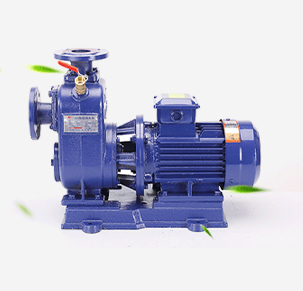
The double suction impeller centrifugal pump is a dynamic machine widely employed in industrial fluid transfer applications. Characterized by fluid entry on both sides of the impeller, this pump configuration enhances suction performance and minimizes axial thrust compared to single-suction designs. Its position within the industrial chain is critical, typically serving as a core component in water supply, drainage, irrigation, chemical processing, and power generation systems. Core performance indicators include volumetric flow rate (m³/h), total head (m), and pump efficiency (%), all intrinsically linked to impeller design, rotational speed, and fluid properties. A key industry pain point revolves around maintaining consistent performance in demanding environments, specifically addressing cavitation, corrosion, and wear, which necessitate advanced material selection and robust mechanical design.
Material Science & Manufacturing
Double suction impeller centrifugal pumps are commonly constructed from cast iron (ASTM A126 Class 30), stainless steel (304, 316 - ASTM A743), and, for specialized applications, duplex stainless steel or alloy steels. Cast iron offers cost-effectiveness and good machinability but is susceptible to corrosion. Stainless steels provide superior corrosion resistance, crucial in handling aggressive fluids. The impeller itself is often manufactured via investment casting or sand casting, requiring precise mold design to achieve optimal blade geometry and surface finish. Shafts are generally forged from medium carbon steel (AISI 1045) and subjected to heat treatment (hardening and tempering) to enhance tensile strength and fatigue resistance. Key manufacturing parameters include impeller balancing (ISO 1940-1) to minimize vibration, impeller-casing clearances (typically 0.5-1.0mm) to maximize efficiency and minimize leakage, and weld quality (AWS D1.1) for welded components. Rubber lining (natural or synthetic rubber conforming to ASTM D2000) is frequently applied to casings handling abrasive slurries. Surface treatment, such as epoxy coating (ASTM D345), further enhances corrosion protection. The selection of shaft seals (mechanical seals conforming to API 682) is crucial, with materials chosen for compatibility with the pumped fluid and operational temperature range.
Performance & Engineering
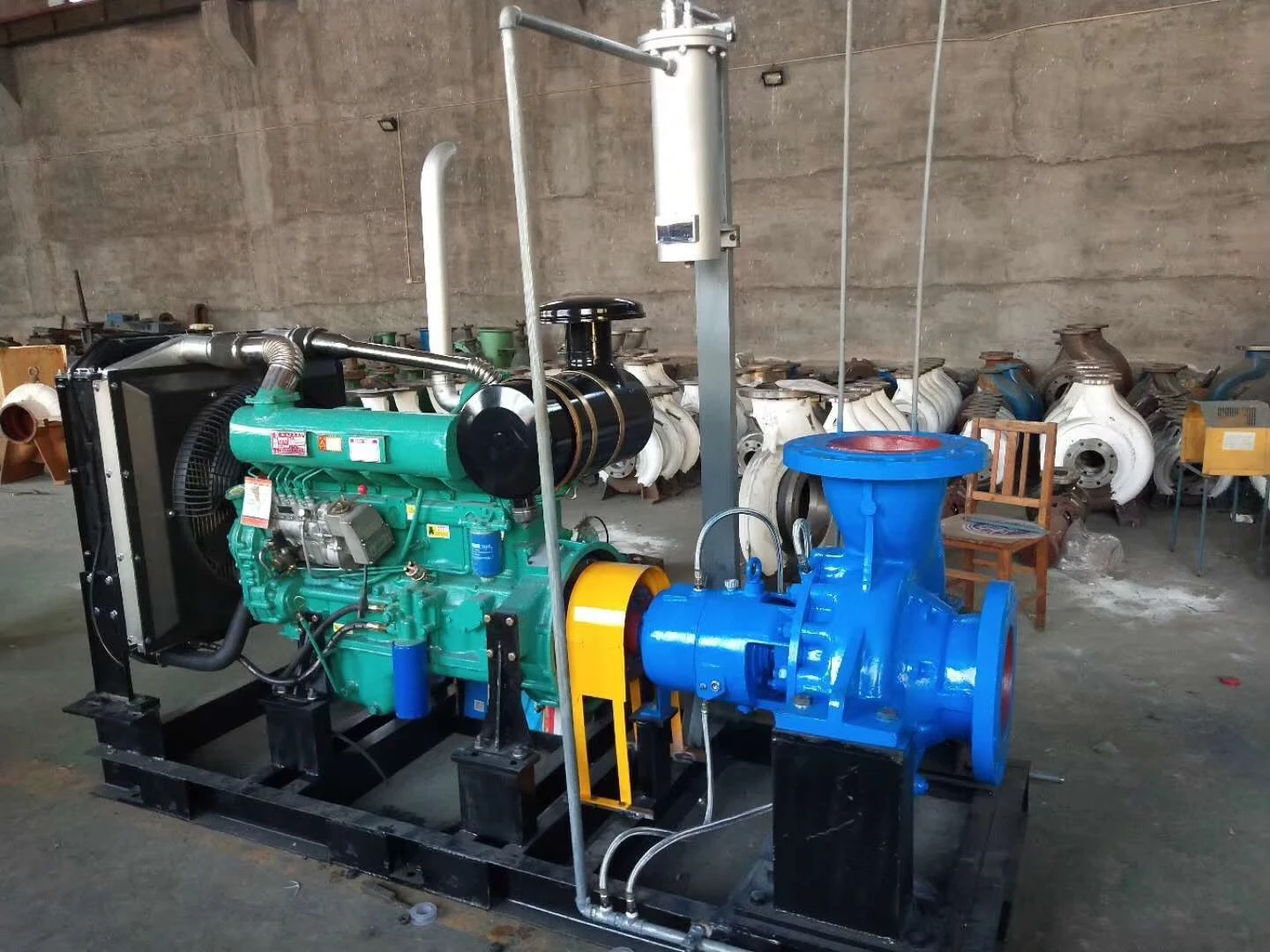
Performance analysis of a double suction centrifugal pump relies heavily on computational fluid dynamics (CFD) and rigorous hydraulic testing (ISO 9906). The pump's head-capacity curve is a fundamental performance characteristic, dictating the relationship between flow rate and pressure. Force analysis must account for radial forces generated by the impeller and axial thrust forces balanced by wear rings and thrust bearings. Cavitation, a major performance-limiting factor, occurs when the absolute pressure at the impeller inlet falls below the vapor pressure of the liquid. Net Positive Suction Head Required (NPSHr) is a critical parameter, determined experimentally (ANSI/HI 1.6) and dictated by the pump's impeller geometry and operating speed. Environmental resistance is paramount; pump casings must withstand hydrostatic pressure, temperature fluctuations, and external loading. Compliance requirements include adherence to Hydraulic Institute (HI) standards for pump performance and energy efficiency, as well as regional regulations concerning noise levels (ISO 13715) and vibration (ISO 10816). Specific speed (Ns) is used to categorize impeller designs, influencing efficiency and suitability for different applications. The pump’s mechanical design must consider fatigue loading from cyclical pressure variations and ensure adequate bearing life based on L10 bearing life calculations (ISO 281).
Technical Specifications
| Parameter | Unit | Typical Value (Range) | Testing Standard |
|---|---|---|---|
| Flow Rate | m³/h | 50 - 2000 | ISO 9906:2012 |
| Total Head | m | 10 - 150 | ISO 9906:2012 |
| Pump Efficiency | % | 70 - 85 | ISO 9906:2012 |
| Impeller Diameter | mm | 200 - 800 | Internal Specification |
| Operating Speed | rpm | 1450 - 3600 | IEC 60034-1 |
| NPSHr (Net Positive Suction Head Required) | m | 2 – 10 | ANSI/HI 1.6 |
Failure Mode & Maintenance
Common failure modes in double suction centrifugal pumps include impeller cavitation (leading to erosion and pitting), bearing failure (due to inadequate lubrication or overload), seal leakage (caused by wear or incompatibility), and shaft cracking (from fatigue or corrosion). Cavitation damage manifests as localized pitting on the impeller vanes, reducing pump efficiency and potentially causing structural failure. Bearing failure often presents as increased vibration and noise, ultimately leading to pump seizure. Seal leakage necessitates replacement to prevent fluid loss and potential environmental contamination. Shaft cracking is a critical failure mode requiring immediate shutdown and replacement. Preventive maintenance is crucial, including regular vibration analysis (ISO 10816), oil analysis (ASTM D4057), impeller inspection (visual and non-destructive testing - NDT), and seal replacement. Lubrication schedules must adhere to manufacturer recommendations, employing appropriate greases or oils. Wear ring replacement should be conducted proactively based on performance monitoring. Routine inspections for corrosion and erosion are vital, particularly in aggressive fluid applications. Proper alignment of the pump and motor (ISO 14898) is essential to minimize bearing stress and vibration.
Industry FAQ
Q: What is the primary advantage of a double suction impeller design over a single suction design?
A: The primary advantage is improved suction performance, particularly at lower NPSHa (Net Positive Suction Head Available). The dual suction reduces the velocity of fluid entering the impeller, lowering the pressure drop and minimizing the risk of cavitation. This results in increased efficiency and reliability, especially in applications with limited suction head.
Q: How does the impeller material affect the pump’s performance and lifespan when handling corrosive fluids?
A: The impeller material significantly impacts corrosion resistance. Cast iron is unsuitable for highly corrosive fluids. Stainless steel (316) offers superior resistance to many chemicals, but duplex stainless steel or alloy steels may be necessary for extremely aggressive environments. Material selection must consider the fluid's pH, temperature, and chemical composition to prevent premature failure.
Q: What are the key indicators that a mechanical seal is failing?
A: Common indicators include visible leakage around the seal housing, increased pump noise, and a drop in pump performance. Frequent seal replacements may indicate misalignment, improper lubrication, or abrasive particles in the fluid. Regular inspection and prompt replacement are crucial to prevent catastrophic failure.
Q: How does impeller balancing impact pump operation and maintenance?
A: Imbalance causes excessive vibration, leading to increased bearing wear, seal failure, and potential shaft damage. Precise impeller balancing (ISO 1940-1) minimizes vibration, extends component life, and reduces maintenance costs. Dynamic balancing is typically performed after impeller repair or modification.
Q: What is the significance of NPSHr and how does it relate to pump selection?
A: NPSHr is the minimum absolute pressure required at the pump suction to prevent cavitation. The available NPSH (NPSHa) in the system must always exceed the NPSHr of the pump. Incorrect pump selection, resulting in insufficient NPSHa, will lead to cavitation, reduced performance, and premature failure. Careful consideration of NPSHr during pump selection is critical.
Conclusion
The double suction impeller centrifugal pump represents a vital component in numerous industrial applications, offering significant advantages in suction performance and operational reliability. Successful implementation hinges on a thorough understanding of material science, manufacturing processes, and hydraulic principles. Addressing key pain points like cavitation, corrosion, and wear necessitates meticulous attention to detail in material selection, impeller design, and preventative maintenance strategies.
Future advancements in pump technology will likely focus on optimized impeller geometries utilizing advanced CFD simulations, the development of more corrosion-resistant materials, and the integration of condition monitoring systems for predictive maintenance. Adherence to international standards, coupled with a commitment to robust engineering practices, remains paramount for ensuring long-term performance and minimizing lifecycle costs.
-
pump for sewage water Performance Analysis
News2026-05-23
-
plumbing sewage ejector pump Performance Engineering
News2026-05-23
-
home sewer pump station Performance and Engineering
News2026-05-23
-
high pressure sump pump Performance Analysis
News2026-05-23
-
high head effluent pump Performance Analysis
News2026-05-23
-
Effluent vs Sump Pump Performance Analysis
News2026-05-22
-
effluent septic pump Performance Engineering
News2026-05-22
-
best sewer pumps Performance Engineering
News2026-05-22
-
best sewer pump Performance Analysis
News2026-05-22
-
best sewage pumps Performance Engineering
News2026-05-22
-
basement bathroom sewage pump Material Science Manufacturing
News2026-05-21
-
wastewater treatment plant pumps Material Science Manufacturing
News2026-05-21
-
waste water pump for basement Material Science Manufacturing
News2026-05-21
-
sump pump sewage Performance Analysis
News2026-05-21
-
sump pump for sewage Material Science and Manufacturing
News2026-05-21




