English
- Afrikaans
- Albanian
- Amharic
- Arabic
- Armenian
- Azerbaijani
- Basque
- Belarusian
- Bengali
- Bosnian
- Bulgarian
- Catalan
- Cebuano
- Corsican
- Croatian
- Czech
- Danish
- Dutch
- English
- Esperanto
- Estonian
- Finnish
- French
- Frisian
- Galician
- Georgian
- German
- Greek
- Gujarati
- Haitian Creole
- hausa
- hawaiian
- Hebrew
- Hindi
- Miao
- Hungarian
- Icelandic
- igbo
- Indonesian
- irish
- Italian
- Japanese
- Javanese
- Kannada
- kazakh
- Khmer
- Rwandese
- Korean
- Kurdish
- Kyrgyz
- Lao
- Latin
- Latvian
- Lithuanian
- Luxembourgish
- Macedonian
- Malgashi
- Malay
- Malayalam
- Maltese
- Maori
- Marathi
- Mongolian
- Myanmar
- Nepali
- Norwegian
- Norwegian
- Occitan
- Pashto
- Persian
- Polish
- Portuguese
- Punjabi
- Romanian
- Russian
- Samoan
- Scottish Gaelic
- Serbian
- Sesotho
- Shona
- Sindhi
- Sinhala
- Slovak
- Slovenian
- Somali
- Spanish
- Sundanese
- Swahili
- Swedish
- Tagalog
- Tajik
- Tamil
- Tatar
- Telugu
- Thai
- Turkish
- Turkmen
- Ukrainian
- Urdu
- Uighur
- Uzbek
- Vietnamese
- Welsh
- Bantu
- Yiddish
- Yoruba
- Zulu

Telephone: +86 13120555503
Email: frank@cypump.com


Apr . 01, 2024 17:55 Back to list
double suction horizontal split case pump Performance Analysis
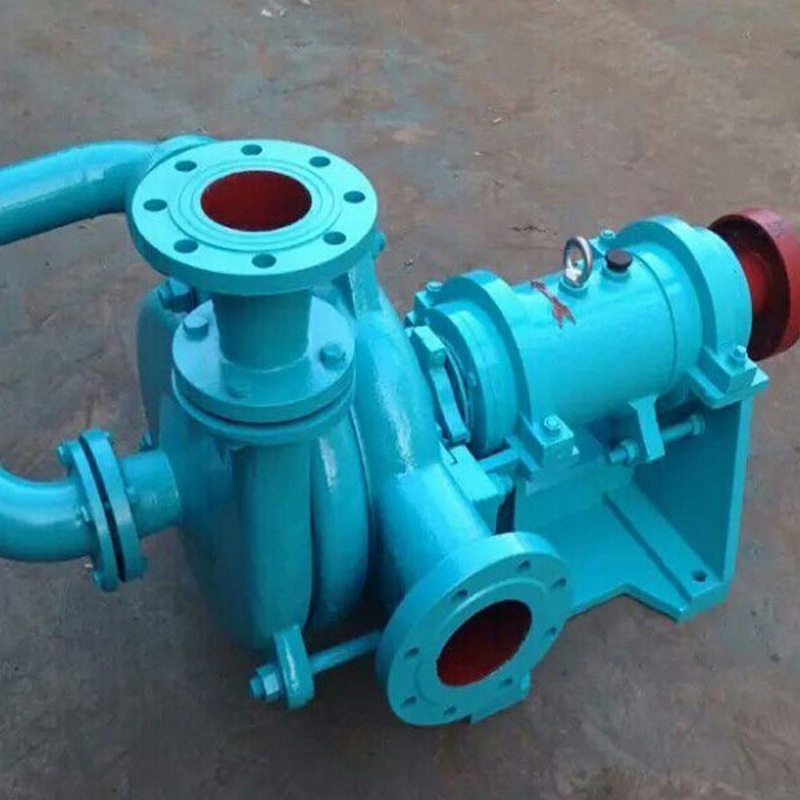
Introduction
Double suction horizontal split case pumps are a critical component in numerous industrial fluid transfer applications, particularly in water supply, irrigation, power generation, and industrial process cooling. Positioned within the centrifugal pump family, these pumps are characterized by their volute casing split along the horizontal centerline, facilitating ease of inspection and maintenance without disturbing piping connections. Their double suction impeller design significantly reduces Net Positive Suction Head Required (NPSHr), minimizing cavitation risk, and enhancing overall hydraulic efficiency. This guide provides an in-depth technical exploration of these pumps, covering material science, manufacturing processes, performance characteristics, failure modes, and relevant industry standards. A primary pain point within industries relying on these pumps is maintaining consistent performance and minimizing downtime, driven by factors like abrasive wear, corrosion, and mechanical seal failure. This document addresses these challenges with a focus on preventative maintenance and informed material selection.
Material Science & Manufacturing
The core components of a double suction horizontal split case pump demand specific material properties to withstand operational stresses. Pump casings are typically constructed from cast iron (ASTM A48 Class 30 or higher) for cost-effectiveness and adequate strength in many applications. However, for corrosive or abrasive fluids, materials like stainless steel (304, 316, or duplex stainless steels) or alloy cast irons (e.g., nickel-chromium white iron) are employed. Impellers are commonly manufactured from cast iron, bronze (ASTM B584), or stainless steel. Shaft materials are generally alloy steels (e.g., 4140, 4340) heat-treated for high tensile strength and fatigue resistance. Mechanical seals utilize materials such as silicon carbide, tungsten carbide, and various elastomers (Viton, EPDM) selected based on fluid compatibility and temperature ranges.
Manufacturing involves several key processes. Casing production utilizes sand casting, employing patterns generated through CAD/CAM techniques. Rigorous quality control ensures dimensional accuracy and surface finish. Impeller casting necessitates precision molds to achieve complex blade geometries. After casting, components undergo machining – turning, milling, and drilling – to meet tight tolerances. Impellers are dynamically balanced to minimize vibration. Shafts are forged or machined from bar stock, then heat-treated and ground to achieve the required hardness and surface finish. The casing halves are sealed with gaskets (typically non-asbestos fiber or PTFE) and bolted together. A critical process parameter is the surface roughness of the impeller and casing, influencing hydraulic efficiency and susceptibility to cavitation. Another crucial aspect is the impeller-casing clearance, impacting leakage and volumetric efficiency.
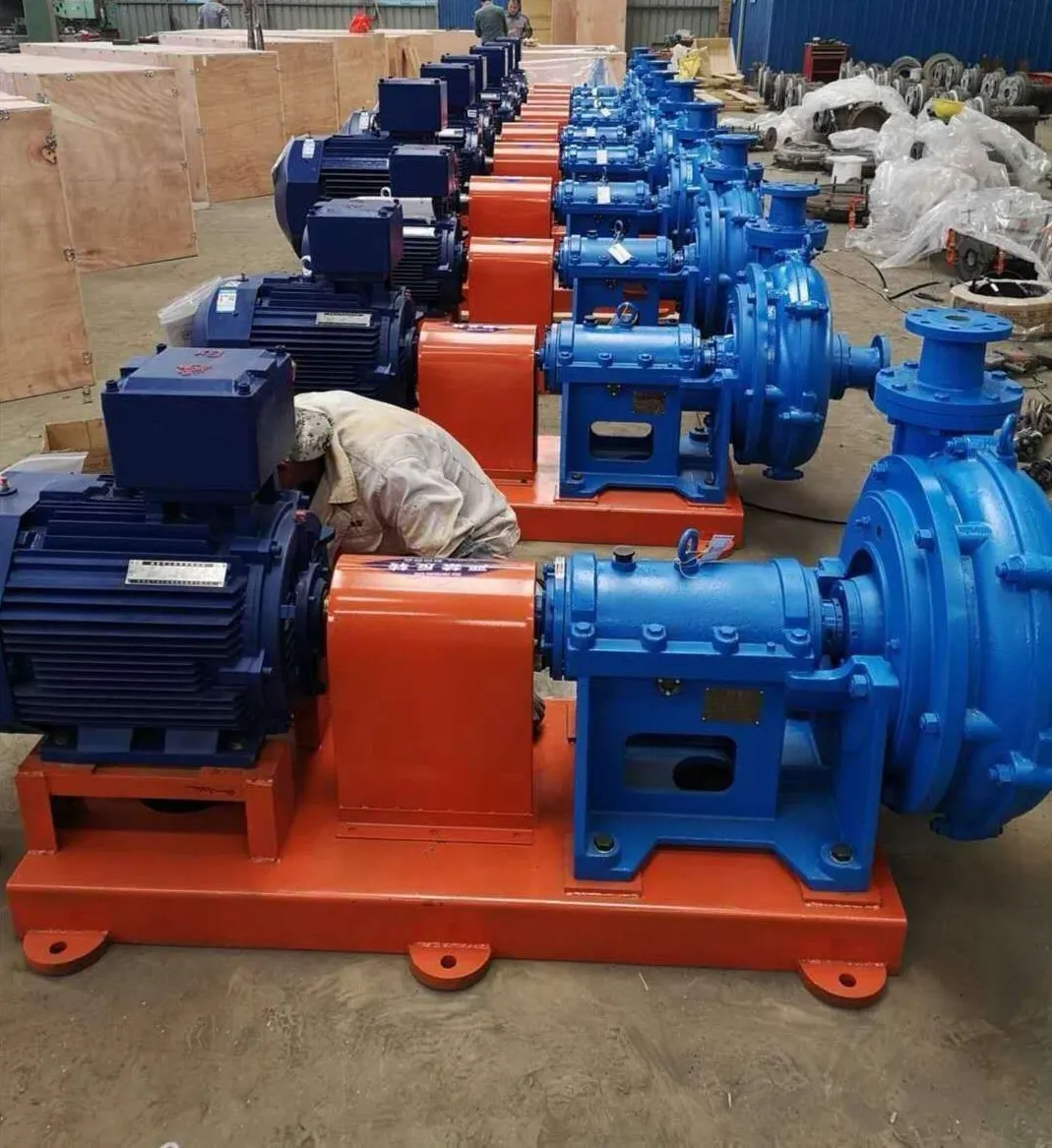
Performance & Engineering
The performance of a double suction horizontal split case pump is governed by fundamental hydraulic principles. Key parameters include flow rate (Q), total dynamic head (H), and pump efficiency (η). The pump’s head-capacity curve dictates its operating range, a graphical representation showing the relationship between head and flow rate at a specific impeller diameter and speed. The pump's Net Positive Suction Head Required (NPSHr) must be lower than the Net Positive Suction Head Available (NPSHa) to prevent cavitation. Cavitation occurs when the absolute pressure at the impeller inlet drops below the vapor pressure of the liquid, forming vapor bubbles that collapse, causing erosion and noise.
Engineering considerations include hydraulic design optimization, shaft stability analysis, and bearing selection. Volute casing geometry is crucial for converting kinetic energy into pressure energy efficiently. Shaft design must account for bending moments and torsional stresses, especially in high-power applications. Bearing selection (typically deep groove ball bearings or cylindrical roller bearings) depends on radial and axial loads. Proper alignment is vital to prevent premature bearing failure and seal damage. Environmental resistance is also crucial; pumps operating in corrosive environments necessitate protective coatings or specialized materials. Compliance with industry standards like Hydraulic Institute (HI) standards ensures performance validation and interchangeability. Force analysis, incorporating fluid dynamic loads and mechanical stresses, is essential for ensuring structural integrity and longevity.
Technical Specifications
| Parameter | Unit | Typical Value (Range) | Testing Standard |
|---|---|---|---|
| Flow Rate | m³/h | 50 - 2000 | ISO 9906:2012 |
| Total Dynamic Head | m | 10 - 150 | ISO 9906:2012 |
| Pump Efficiency | % | 70 - 85 | ISO 9906:2012 |
| Suction Pipe Diameter | mm | 80 - 400 | DIN EN 1092-1 |
| Discharge Pipe Diameter | mm | 80 - 600 | DIN EN 1092-1 |
| Operating Temperature | °C | -20 to +120 | Material Dependent |
Failure Mode & Maintenance
Double suction horizontal split case pumps are susceptible to several failure modes. Cavitation erosion, as previously discussed, damages impeller vanes and the casing. Mechanical seal failure, often caused by misalignment, abrasive particles, or chemical incompatibility, leads to leakage. Bearing failure can result from improper lubrication, overload, or misalignment. Corrosion, especially in pumps handling aggressive fluids, weakens casing and impeller materials. Fatigue cracking can occur in shafts and casings due to cyclic loading. Delamination of coatings can occur due to improper surface preparation or coating application.
Preventative maintenance is crucial. Regular vibration analysis detects bearing wear and imbalance. Oil analysis monitors lubricant condition and identifies wear debris. Seal flushing ensures proper seal cooling and lubrication. Visual inspections identify corrosion, erosion, and leakage. Impeller balancing restores hydraulic efficiency and reduces vibration. Casing inspections assess wall thickness and detect corrosion. Following a strict lubrication schedule using appropriate lubricants minimizes bearing wear. Alignment checks and adjustments prevent misalignment stresses on seals and bearings. Scheduled overhauls, including impeller replacement and seal replacement, extend pump life. A Failure Mode and Effects Analysis (FMEA) is a proactive approach to identifying potential failure modes and implementing preventative measures.
Industry FAQ
Q: What are the primary differences between a double suction and a single suction horizontal split case pump?
A: Double suction pumps offer a higher flow rate capability for a given impeller diameter and speed compared to single suction pumps. The double suction design reduces NPSHr, making them more resistant to cavitation. However, double suction pumps are generally more expensive and require more space.
Q: How does the fluid viscosity affect pump performance?
A: Increased fluid viscosity generally reduces pump flow rate and efficiency. Higher viscosity fluids create greater frictional losses within the pump and require more power to pump. Pump curves are typically based on water; corrections are needed for other fluids.
Q: What type of mechanical seal is best suited for abrasive fluids?
A: For abrasive fluids, a double mechanical seal with a barrier fluid system is recommended. This provides a secondary seal to prevent abrasive particles from entering the seal faces and extending seal life. Silicon carbide seal faces offer improved wear resistance.
Q: What is the significance of NPSHa and NPSHr?
A: NPSHa (Net Positive Suction Head Available) is the absolute pressure at the pump suction inlet minus the vapor pressure of the liquid. NPSHr (Net Positive Suction Head Required) is the minimum pressure required by the pump to prevent cavitation. NPSHa must always be greater than NPSHr by a sufficient margin (typically 0.5-1 meter) to ensure reliable operation.
Q: How often should pump alignment be checked?
A: Pump alignment should be checked at installation, after major maintenance, and at least annually, or more frequently in harsh operating environments. Misalignment can lead to premature bearing and seal failure, reducing pump life and increasing maintenance costs.
Conclusion
Double suction horizontal split case pumps represent a robust and versatile solution for a wide range of industrial fluid handling applications. Their performance is directly linked to careful material selection, precise manufacturing processes, and diligent maintenance practices. Understanding the principles of hydraulic design, cavitation prevention, and failure mode analysis is paramount to maximizing pump efficiency and extending operational life.
Looking forward, advancements in pump design and monitoring technologies will further enhance their reliability and efficiency. Predictive maintenance techniques, leveraging sensor data and machine learning algorithms, will enable proactive identification of potential failures, minimizing downtime and optimizing maintenance schedules. Continued research into new materials and coatings will improve corrosion resistance and reduce abrasive wear, extending pump life in demanding applications.
-
pump for sewage water Performance Analysis
News2026-05-23
-
plumbing sewage ejector pump Performance Engineering
News2026-05-23
-
home sewer pump station Performance and Engineering
News2026-05-23
-
high pressure sump pump Performance Analysis
News2026-05-23
-
high head effluent pump Performance Analysis
News2026-05-23
-
Effluent vs Sump Pump Performance Analysis
News2026-05-22
-
effluent septic pump Performance Engineering
News2026-05-22
-
best sewer pumps Performance Engineering
News2026-05-22
-
best sewer pump Performance Analysis
News2026-05-22
-
best sewage pumps Performance Engineering
News2026-05-22
-
basement bathroom sewage pump Material Science Manufacturing
News2026-05-21
-
wastewater treatment plant pumps Material Science Manufacturing
News2026-05-21
-
waste water pump for basement Material Science Manufacturing
News2026-05-21
-
sump pump sewage Performance Analysis
News2026-05-21
-
sump pump for sewage Material Science and Manufacturing
News2026-05-21




