English
- Afrikaans
- Albanian
- Amharic
- Arabic
- Armenian
- Azerbaijani
- Basque
- Belarusian
- Bengali
- Bosnian
- Bulgarian
- Catalan
- Cebuano
- Corsican
- Croatian
- Czech
- Danish
- Dutch
- English
- Esperanto
- Estonian
- Finnish
- French
- Frisian
- Galician
- Georgian
- German
- Greek
- Gujarati
- Haitian Creole
- hausa
- hawaiian
- Hebrew
- Hindi
- Miao
- Hungarian
- Icelandic
- igbo
- Indonesian
- irish
- Italian
- Japanese
- Javanese
- Kannada
- kazakh
- Khmer
- Rwandese
- Korean
- Kurdish
- Kyrgyz
- Lao
- Latin
- Latvian
- Lithuanian
- Luxembourgish
- Macedonian
- Malgashi
- Malay
- Malayalam
- Maltese
- Maori
- Marathi
- Mongolian
- Myanmar
- Nepali
- Norwegian
- Norwegian
- Occitan
- Pashto
- Persian
- Polish
- Portuguese
- Punjabi
- Romanian
- Russian
- Samoan
- Scottish Gaelic
- Serbian
- Sesotho
- Shona
- Sindhi
- Sinhala
- Slovak
- Slovenian
- Somali
- Spanish
- Sundanese
- Swahili
- Swedish
- Tagalog
- Tajik
- Tamil
- Tatar
- Telugu
- Thai
- Turkish
- Turkmen
- Ukrainian
- Urdu
- Uighur
- Uzbek
- Vietnamese
- Welsh
- Bantu
- Yiddish
- Yoruba
- Zulu

Telephone: +86 13120555503
Email: frank@cypump.com


Apr . 01, 2024 17:55 Back to list
Double suction fire pump Performance Analysis
Introduction
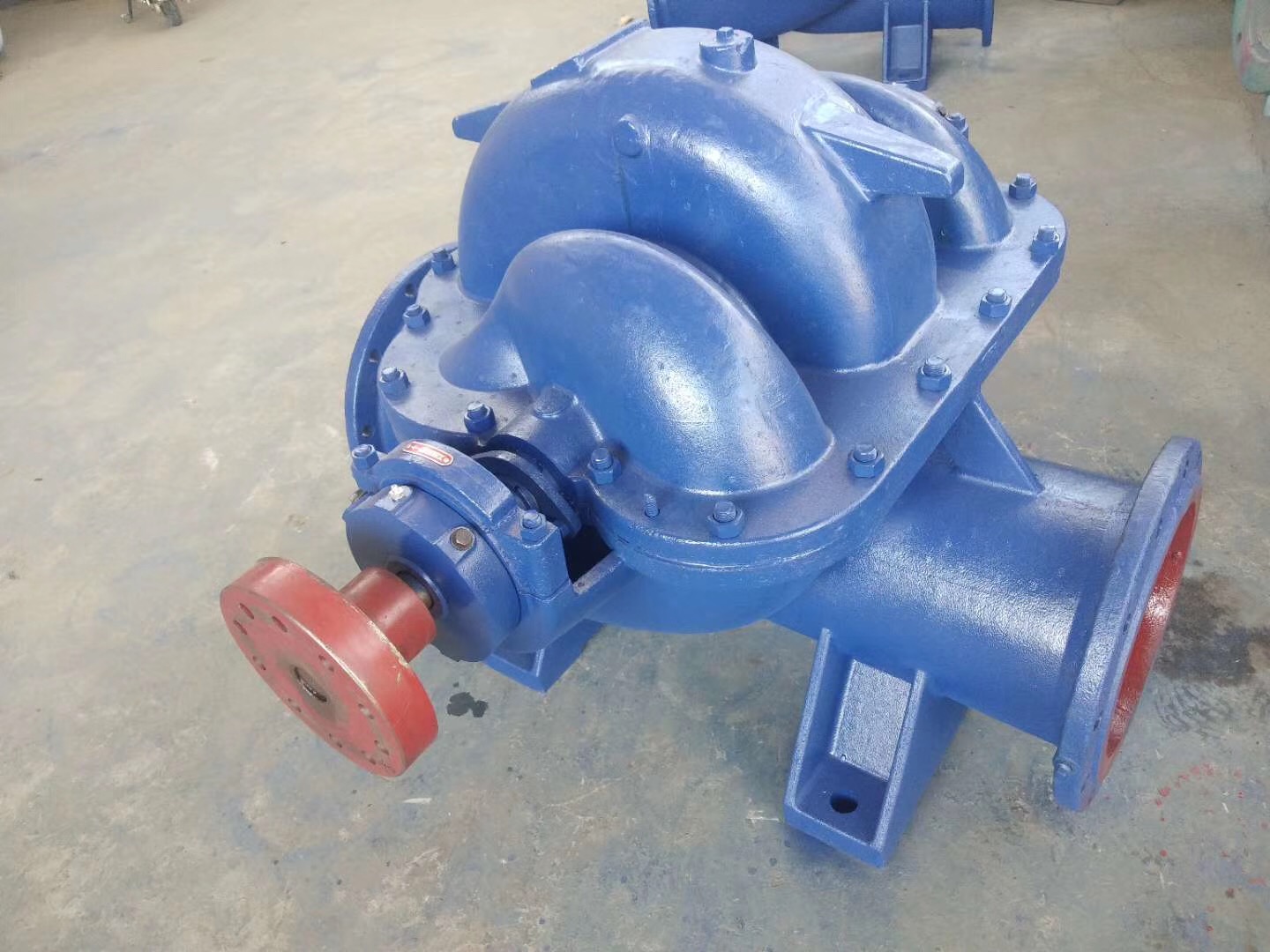
Double suction fire pumps are centrifugal pumps specifically designed for delivering high volumes of water at consistent pressure for fire suppression systems. Positioned critically within the fire protection infrastructure, these pumps function as the primary power source for sprinkler systems, standpipes, and fire hoses. Unlike single-suction pumps, double suction designs utilize impeller suction from both sides, substantially increasing flow rate capability while maintaining efficiency. Core performance characteristics include high flow rate (typically ranging from 800 to 8000 GPM), consistent pressure delivery (typically 40-150 psi), and reliable operation under challenging conditions. A key industry pain point is ensuring consistent performance and reliability over extended periods of inactivity, demanding robust materials and meticulous maintenance protocols. The critical nature of fire protection demands pumps that meet stringent international standards for safety and performance, and the double suction configuration offers a significant advantage in meeting these demands.
Material Science & Manufacturing
The construction of a double suction fire pump relies heavily on specific material properties to ensure durability and corrosion resistance. Pump casings are typically manufactured from cast iron (ASTM A126 Class B), ductile iron (ASTM A536 65-45-12), or stainless steel (304/316), chosen for their tensile strength, impact resistance, and resistance to water corrosion. Impellers are often constructed from bronze (ASTM B148 Alloy 898), stainless steel, or reinforced polymer composites, balancing cavitation resistance with durability. Shafts are manufactured from high-strength alloy steel (AISI 4140) and undergo hardening and tempering processes to achieve optimal yield strength and fatigue resistance. Seals are typically comprised of mechanical seals utilizing materials like silicon carbide or tungsten carbide against various elastomers (Viton, EPDM) for chemical compatibility and leakage prevention.
Manufacturing involves several key processes. Casting forms the pump casing and volute. Machining is then employed for precision finishing of impeller passages and shaft alignment. Welding, employing shielded metal arc welding (SMAW) or gas tungsten arc welding (GTAW), is used to fabricate certain components. Critical parameter control includes maintaining tight tolerances during machining (typically within +/- 0.005 inches for shaft runout and impeller balance), ensuring proper heat treatment for steel components, and rigorous quality control of weld integrity via non-destructive testing (NDT) methods such as ultrasonic testing and radiographic inspection. Hydrostatic testing is a critical quality assurance step, subjecting the pump to pressures exceeding operational limits to verify structural integrity.
Performance & Engineering
The hydraulic performance of a double suction fire pump is governed by several engineering principles. The pump’s Net Positive Suction Head Required (NPSHr) must be carefully considered to prevent cavitation, which degrades performance and causes damage to the impeller. The specific speed of the impeller determines its optimal flow rate and head characteristics. Force analysis during pump operation focuses on stresses induced by fluid pressure, impeller rotation, and pipe loads. These stresses are mitigated through optimized casing design and proper shaft support. Environmental resistance is crucial; pumps are often exposed to corrosive atmospheres and extreme temperatures. Protective coatings (epoxy, polyurethane) are applied to prevent corrosion. Compliance requirements are paramount, governed by NFPA 20 (Standard for the Installation of Stationary Pumps for Fire Protection), which dictates performance testing procedures, pressure requirements, and safety features. Furthermore, the pump must meet hydraulic institute standards for efficiency and performance curves. Proper alignment of the pump and driver (typically an electric motor or diesel engine) is critical to minimize vibration and bearing wear, and is achieved through laser alignment techniques.
Technical Specifications
| Parameter | Units | Typical Range | Standard Reference |
|---|---|---|---|
| Flow Rate | GPM (Gallons Per Minute) | 800 - 8000 | NFPA 20 |
| Discharge Pressure | PSI (Pounds per Square Inch) | 40 - 150 | NFPA 20 |
| Suction Pressure | PSI | -5 to 50 | Hydraulic Institute Standards |
| Impeller Diameter | Inches | 8 - 24 | Manufacturer Specifications |
| Pump Speed | RPM (Revolutions Per Minute) | 1750 - 3600 | Motor/Engine Specifications |
| NPSHr (Net Positive Suction Head Required) | Feet | 5 - 20 | Hydraulic Institute Standards |
Failure Mode & Maintenance
Double suction fire pumps are subject to several potential failure modes. Cavitation, caused by insufficient NPSH, leads to impeller erosion and reduced performance. Fatigue cracking in the pump casing or impeller can occur due to cyclical pressure fluctuations and vibration, particularly if the pump is subjected to water hammer. Bearing failure is a common issue, often resulting from improper lubrication, misalignment, or excessive loads. Mechanical seal failures lead to leakage and can damage other components. Corrosion, particularly in saltwater environments, degrades the pump’s structural integrity. Oxidation of metallic parts and degradation of elastomers in seals can also occur over time.
Preventative maintenance is critical. Regular lubrication of bearings (using lithium-based or synthetic greases), periodic inspection of mechanical seals for wear and leakage, and visual inspection of the pump casing for corrosion are essential. Vibration analysis can identify potential bearing failures before they occur. Hydrostatic testing should be performed annually to verify the pump’s structural integrity. Routine flushing of the pump and piping system removes sediment and debris. For extended periods of inactivity, pumps should be periodically rotated (cycled on) to ensure proper lubrication and prevent seal stiction. Any signs of unusual noise, vibration, or leakage require immediate investigation and repair.
Industry FAQ
Q: What is the impact of water temperature on pump performance?
A: Elevated water temperatures reduce the density and vapor pressure of the water, potentially increasing the risk of cavitation. Higher temperatures can also accelerate corrosion rates and degrade the elastomeric components in seals. Pump curves are typically generated at a standard temperature (e.g., 68°F / 20°C), and performance will deviate at different temperatures. Derating factors may need to be applied for higher operating temperatures.
Q: How often should the pump’s impeller be inspected for wear?
A: Impeller inspections should be conducted at least annually, or more frequently in systems with abrasive fluids or high operating hours. Focus on identifying signs of erosion, cavitation damage, and cracking. Non-destructive testing methods, such as liquid penetrant inspection, can detect hairline cracks.
Q: What measures can be taken to mitigate corrosion in seawater applications?
A: Utilizing materials specifically designed for seawater service, such as stainless steel (316) or specialized alloys, is paramount. Applying corrosion-resistant coatings (epoxy or polyurethane) to the pump casing and external components provides additional protection. Implementing a cathodic protection system can further reduce corrosion rates. Regular flushing with freshwater after seawater exposure helps remove salt deposits.
Q: What are the key differences between electric driver and diesel driver fire pumps?
A: Electric driver pumps are generally quieter, require less maintenance, and are more energy-efficient. However, they rely on a stable electrical power supply. Diesel driver pumps offer independence from the electrical grid and are suitable for emergency situations where power outages are likely. Diesel pumps require more frequent maintenance (e.g., fuel filter changes, oil changes) and generate exhaust emissions.
Q: What is the importance of proper pump alignment, and how is it achieved?
A: Proper pump and driver alignment minimizes vibration, reduces bearing wear, and extends pump life. Misalignment introduces stresses on the shaft, bearings, and seals, leading to premature failure. Laser alignment tools are the most accurate method for achieving precise alignment, ensuring concentricity and parallelism between the pump and driver shafts.
Conclusion
Double suction fire pumps represent a critical component in modern fire protection systems, offering high flow rates and reliable performance essential for effective fire suppression. The selection and maintenance of these pumps require a thorough understanding of material science, hydraulic principles, and relevant industry standards. Addressing the common failure modes through proactive maintenance practices, including regular inspections, lubrication, and performance monitoring, is paramount to ensuring long-term reliability and minimizing downtime.
Future advancements in fire pump technology will likely focus on enhanced monitoring systems (incorporating IoT sensors for real-time performance data), improved materials with enhanced corrosion resistance, and optimized impeller designs for increased efficiency and reduced cavitation risk. Continual adherence to evolving standards and best practices remains crucial for ensuring the safety and effectiveness of these life-saving systems.
-
Effluent vs Sump Pump Performance Analysis
News2026-05-22
-
effluent septic pump Performance Engineering
News2026-05-22
-
best sewer pumps Performance Engineering
News2026-05-22
-
best sewer pump Performance Analysis
News2026-05-22
-
best sewage pumps Performance Engineering
News2026-05-22
-
basement bathroom sewage pump Material Science Manufacturing
News2026-05-21
-
wastewater treatment plant pumps Material Science Manufacturing
News2026-05-21
-
waste water pump for basement Material Science Manufacturing
News2026-05-21
-
sump pump sewage Performance Analysis
News2026-05-21
-
sump pump for sewage Material Science and Manufacturing
News2026-05-21
-
sump pump for septic systems Material Science Manufacturing
News2026-05-20
-
sump pump and ejector pump Material Science Manufacturing
News2026-05-20
-
sewage treatment plant pumps Performance Analysis
News2026-05-20
-
sewage tank pump Material Science and Manufacturing
News2026-05-20
-
sewage pump for septic tank Performance Analysis
News2026-05-20




