English
- Afrikaans
- Albanian
- Amharic
- Arabic
- Armenian
- Azerbaijani
- Basque
- Belarusian
- Bengali
- Bosnian
- Bulgarian
- Catalan
- Cebuano
- Corsican
- Croatian
- Czech
- Danish
- Dutch
- English
- Esperanto
- Estonian
- Finnish
- French
- Frisian
- Galician
- Georgian
- German
- Greek
- Gujarati
- Haitian Creole
- hausa
- hawaiian
- Hebrew
- Hindi
- Miao
- Hungarian
- Icelandic
- igbo
- Indonesian
- irish
- Italian
- Japanese
- Javanese
- Kannada
- kazakh
- Khmer
- Rwandese
- Korean
- Kurdish
- Kyrgyz
- Lao
- Latin
- Latvian
- Lithuanian
- Luxembourgish
- Macedonian
- Malgashi
- Malay
- Malayalam
- Maltese
- Maori
- Marathi
- Mongolian
- Myanmar
- Nepali
- Norwegian
- Norwegian
- Occitan
- Pashto
- Persian
- Polish
- Portuguese
- Punjabi
- Romanian
- Russian
- Samoan
- Scottish Gaelic
- Serbian
- Sesotho
- Shona
- Sindhi
- Sinhala
- Slovak
- Slovenian
- Somali
- Spanish
- Sundanese
- Swahili
- Swedish
- Tagalog
- Tajik
- Tamil
- Tatar
- Telugu
- Thai
- Turkish
- Turkmen
- Ukrainian
- Urdu
- Uighur
- Uzbek
- Vietnamese
- Welsh
- Bantu
- Yiddish
- Yoruba
- Zulu

Telephone: +86 13120555503
Email: frank@cypump.com


Apr . 01, 2024 17:55 Back to list
double suction centrifugal pump Performance Analysis
Introduction
The double suction centrifugal pump is a dynamic machine widely utilized across numerous industries, including water supply, irrigation, power generation, and chemical processing, for fluid transfer. Positioned within the industry chain as a core component of fluid handling systems, it relies on the principle of converting rotational kinetic energy to hydrodynamic energy. Unlike single-suction pumps, the double-suction design minimizes axial thrust, allowing for greater operational stability and efficiency, particularly in high-flow applications. Its core performance characteristics are defined by flow rate (capacity), head (pressure developed), and efficiency, heavily influenced by impeller geometry, rotational speed, and fluid properties. A critical pain point for operators is cavitation, which dramatically reduces pump life and performance; understanding and mitigating this is paramount. Another key challenge is selecting the correct materials of construction to resist corrosion and erosion based on the fluid being pumped, and maintaining proper alignment to prevent premature seal failure and bearing wear.
Material Science & Manufacturing
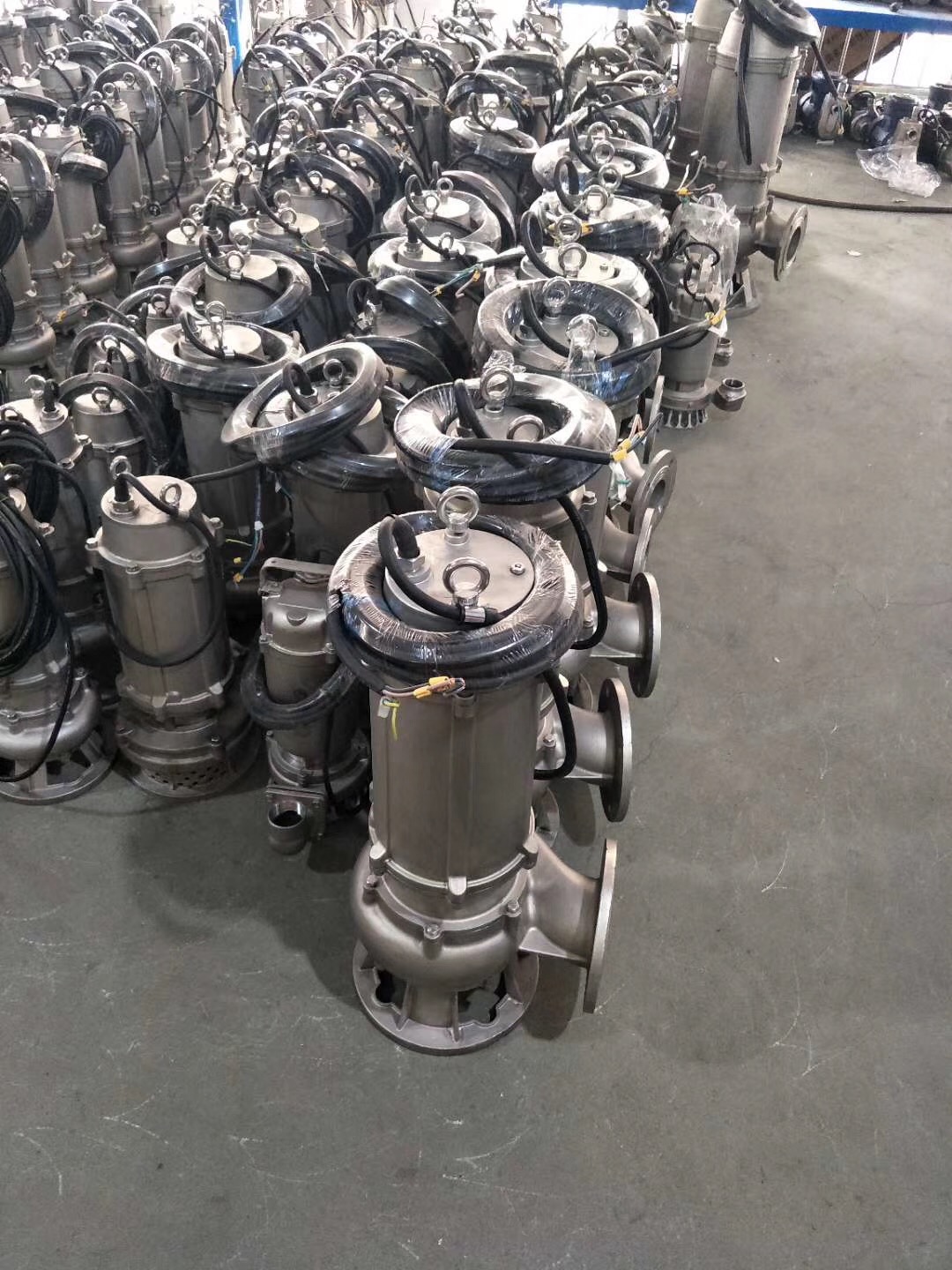
Double suction centrifugal pumps are typically constructed from cast iron, stainless steel (304, 316, duplex), or alloy materials like bronze, chosen based on fluid compatibility and operational environment. Cast iron, while cost-effective, is susceptible to corrosion and is primarily used for clean water applications. Stainless steels offer superior corrosion resistance, with 316 being preferred for more aggressive environments containing chlorides. Duplex stainless steels provide even higher strength and resistance to pitting corrosion. Bronze is often employed for impellers due to its resistance to erosion and cavitation damage. The manufacturing process begins with creating patterns for casting the pump casing and impeller. Casing production involves sand casting, resin-coated sand casting, or investment casting depending on complexity and required surface finish. Impellers are often produced using centrifugal casting or investment casting for precise geometry and balanced mass distribution. Critical parameters during impeller manufacturing include balancing to minimize vibration, surface finish to reduce friction losses, and dimensional accuracy to ensure optimal hydraulic performance. Shafts are typically made from high-strength carbon steel and undergo heat treatment and machining to ensure concentricity and surface hardness. Seal materials, crucial for preventing leakage, are commonly composed of mechanical seals utilizing materials like silicon carbide, tungsten carbide, and elastomers such as Viton or EPDM, selected for chemical compatibility and temperature resistance. Welding procedures, particularly for stainless steel components, require careful control of heat input and shielding gas to prevent sensitization and maintain corrosion resistance. Non-destructive testing methods, including radiographic inspection, ultrasonic testing, and dye penetrant inspection, are applied to ensure structural integrity.
Performance & Engineering
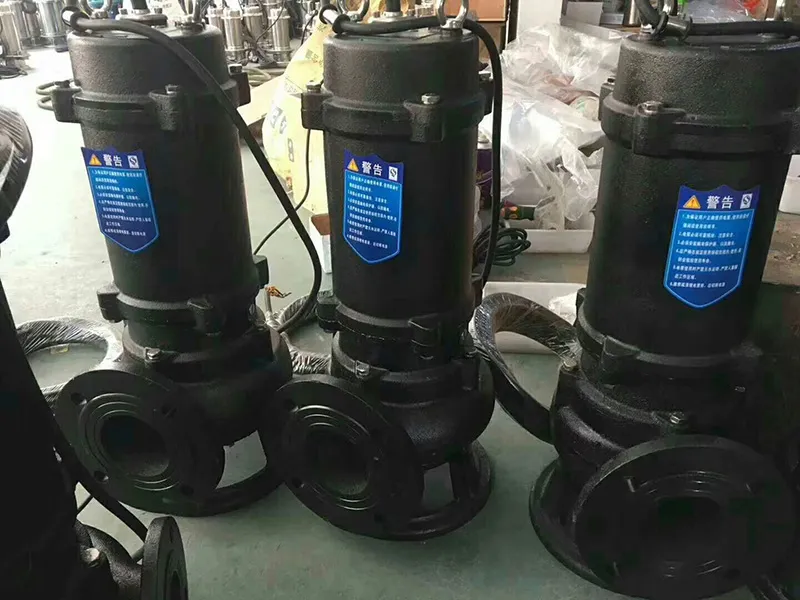
The performance of a double suction centrifugal pump is governed by the affinity laws, which dictate relationships between flow rate, head, power, and rotational speed. Force analysis focuses on hydraulic forces acting on the impeller, radial loads on the shaft from the impeller and casing pressure, and axial thrust due to unbalanced hydraulic pressure. The double-suction design significantly reduces axial thrust compared to single-suction pumps, but careful impeller balancing and proper bearing selection remain crucial. Environmental resistance considerations include temperature extremes, exposure to corrosive atmospheres, and potential for freezing. Materials selection and protective coatings (e.g., epoxy, PTFE) are essential for prolonged life in harsh environments. Compliance requirements vary by region but commonly include Hydraulic Institute (HI) standards for pump performance testing, ISO 9906 for pump efficiency classification, and potentially ATEX certification for pumps operating in explosive atmospheres. The Net Positive Suction Head Required (NPSHr) is a critical parameter; insufficient NPSH leads to cavitation, characterized by vapor bubble formation and collapse within the impeller, causing noise, vibration, and erosion damage. Pump selection must consider the NPSHa (Net Positive Suction Head Available) of the system to ensure NPSHa > NPSHr by a sufficient margin. Proper pipe sizing and layout are vital to minimize friction losses and maximize NPSHa. Pump curves, generated through hydraulic testing, are used to predict pump performance at various operating points and to select the optimal pump for a given application. Finite element analysis (FEA) is used during the design phase to optimize casing geometry and impeller design for structural integrity and hydraulic efficiency.
Technical Specifications
| Parameter | Unit | Typical Range (Cast Iron) | Typical Range (Stainless Steel 316) |
|---|---|---|---|
| Flow Rate (Q) | m³/h | 20 – 800 | 10 – 500 |
| Head (H) | m | 5 – 100 | 10 – 150 |
| Power (P) | kW | 2.2 – 200 | 1.5 – 150 |
| Impeller Diameter | mm | 150 – 600 | 100 – 400 |
| Maximum Working Pressure | bar | 10 | 16 |
| Operating Temperature | °C | -10 to 80 | -20 to 120 |
Failure Mode & Maintenance
Common failure modes for double suction centrifugal pumps include cavitation erosion of the impeller, bearing failure due to misalignment or inadequate lubrication, seal leakage caused by wear or chemical incompatibility, and casing cracking due to thermal stress or corrosion. Cavitation manifests as pitting on the impeller vanes and a characteristic grinding noise. Bearing failure is often preceded by increased vibration and noise. Seal leakage is identifiable by visible leakage around the seal housing. Casing cracking typically occurs at stress concentration points, such as around nozzles or near the casing split line. Failure analysis typically involves visual inspection, non-destructive testing (NDT), and metallurgical examination of failed components. Preventative maintenance includes regular vibration monitoring, lubrication of bearings, inspection and replacement of seals, and alignment checks. Impeller balancing should be performed periodically to minimize vibration. Routine inspection for corrosion and erosion is critical, especially in aggressive fluid applications. Proper strainer installation and maintenance are essential to prevent solids from entering the pump and causing abrasion. Scheduled oil analysis can identify early signs of bearing wear or contamination. For extended downtime prevention, a condition monitoring system with predictive maintenance capabilities should be considered, employing sensors for vibration, temperature, and pressure.
Industry FAQ
Q: What is the primary advantage of a double suction pump over a single suction pump?
A: The primary advantage is reduced axial thrust, leading to improved stability, longer bearing life, and the ability to handle higher flow rates. The balanced hydraulic forces minimize stress on the shaft and bearings, increasing overall pump reliability.
Q: How can I prevent cavitation in a double suction centrifugal pump?
A: Ensuring sufficient Net Positive Suction Head Available (NPSHa) is crucial. This involves optimizing pipe layout, reducing friction losses, increasing suction pipe diameter, and lowering pump elevation relative to the fluid source. Regularly monitoring pump performance for signs of cavitation (noise, vibration) is also vital.
Q: What material is best for a pump handling a corrosive fluid, like sulfuric acid?
A: Stainless steel alloys, specifically 316 or duplex stainless steel, are generally recommended for handling sulfuric acid. However, the concentration and temperature of the acid are critical factors. In highly corrosive environments, specialized alloys like Hastelloy or PTFE-lined components may be necessary.
Q: What is the significance of pump affinity laws in pump selection?
A: Pump affinity laws allow engineers to predict how changes in operating conditions (flow rate, head, speed) will affect pump performance. They’re essential for selecting a pump that will operate efficiently and reliably at the desired duty point and for system curve matching.
Q: How often should the mechanical seal be replaced in a typical industrial application?
A: The replacement frequency depends on the fluid being pumped, operating conditions, and seal material. Generally, a mechanical seal should be inspected annually and replaced every 1-3 years, or sooner if leakage is detected. Predictive maintenance techniques, such as monitoring seal chamber temperature, can help optimize replacement schedules.
Conclusion
The double suction centrifugal pump remains a critical component in a vast range of industrial fluid handling applications. Its robust design, relatively simple operation, and adaptability to various fluids and operating conditions solidify its position as a cornerstone of process engineering. A thorough understanding of material science, manufacturing processes, performance parameters, and potential failure modes is essential for selecting, operating, and maintaining these pumps effectively, maximizing uptime and minimizing life-cycle costs.
Future advancements will likely focus on optimizing impeller designs through computational fluid dynamics (CFD), incorporating smart sensors for condition monitoring and predictive maintenance, and developing new materials with enhanced corrosion resistance and erosion protection. These innovations will further enhance the reliability, efficiency, and longevity of double suction centrifugal pumps, ensuring their continued relevance in evolving industrial landscapes.
-
Effluent vs Sump Pump Performance Analysis
News2026-05-22
-
effluent septic pump Performance Engineering
News2026-05-22
-
best sewer pumps Performance Engineering
News2026-05-22
-
best sewer pump Performance Analysis
News2026-05-22
-
best sewage pumps Performance Engineering
News2026-05-22
-
basement bathroom sewage pump Material Science Manufacturing
News2026-05-21
-
wastewater treatment plant pumps Material Science Manufacturing
News2026-05-21
-
waste water pump for basement Material Science Manufacturing
News2026-05-21
-
sump pump sewage Performance Analysis
News2026-05-21
-
sump pump for sewage Material Science and Manufacturing
News2026-05-21
-
sump pump for septic systems Material Science Manufacturing
News2026-05-20
-
sump pump and ejector pump Material Science Manufacturing
News2026-05-20
-
sewage treatment plant pumps Performance Analysis
News2026-05-20
-
sewage tank pump Material Science and Manufacturing
News2026-05-20
-
sewage pump for septic tank Performance Analysis
News2026-05-20




