English
- Afrikaans
- Albanian
- Amharic
- Arabic
- Armenian
- Azerbaijani
- Basque
- Belarusian
- Bengali
- Bosnian
- Bulgarian
- Catalan
- Cebuano
- Corsican
- Croatian
- Czech
- Danish
- Dutch
- English
- Esperanto
- Estonian
- Finnish
- French
- Frisian
- Galician
- Georgian
- German
- Greek
- Gujarati
- Haitian Creole
- hausa
- hawaiian
- Hebrew
- Hindi
- Miao
- Hungarian
- Icelandic
- igbo
- Indonesian
- irish
- Italian
- Japanese
- Javanese
- Kannada
- kazakh
- Khmer
- Rwandese
- Korean
- Kurdish
- Kyrgyz
- Lao
- Latin
- Latvian
- Lithuanian
- Luxembourgish
- Macedonian
- Malgashi
- Malay
- Malayalam
- Maltese
- Maori
- Marathi
- Mongolian
- Myanmar
- Nepali
- Norwegian
- Norwegian
- Occitan
- Pashto
- Persian
- Polish
- Portuguese
- Punjabi
- Romanian
- Russian
- Samoan
- Scottish Gaelic
- Serbian
- Sesotho
- Shona
- Sindhi
- Sinhala
- Slovak
- Slovenian
- Somali
- Spanish
- Sundanese
- Swahili
- Swedish
- Tagalog
- Tajik
- Tamil
- Tatar
- Telugu
- Thai
- Turkish
- Turkmen
- Ukrainian
- Urdu
- Uighur
- Uzbek
- Vietnamese
- Welsh
- Bantu
- Yiddish
- Yoruba
- Zulu

Telephone: +86 13120555503
Email: frank@cypump.com


Apr . 01, 2024 17:55 Back to list
double suction centrifugal pump factories Performance Analysis
Introduction
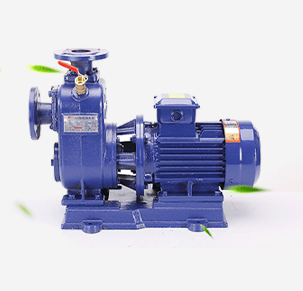
Double suction centrifugal pumps are a critical component in numerous industrial processes, predominantly utilized for large-volume fluid transfer. These pumps, characterized by their impeller design that draws fluid in from both sides, are fundamentally rotodynamic machines converting rotational energy into hydraulic energy. Their position within the industrial chain is pivotal, serving as a core element in water supply systems, wastewater treatment plants, power generation facilities, and large-scale irrigation projects. Core performance metrics center on flow rate, head (pressure developed), efficiency, and Net Positive Suction Head Required (NPSHr). The industry faces continual pressure to optimize these parameters while enhancing reliability, reducing energy consumption, and minimizing lifecycle costs. Understanding the nuanced relationship between pump design, material selection, and operational conditions is crucial for effective system integration and prolonged service life. A key pain point in the market is maintaining efficiency across a broad operating range and preventing cavitation damage, requiring sophisticated impeller profiling and robust materials.
Material Science & Manufacturing
The construction of double suction centrifugal pumps typically employs cast iron (ASTM A48 Class 30), stainless steel (304, 316, duplex grades – ASTM A992), and occasionally specialized alloys like Hastelloy or bronze for components exposed to corrosive fluids. Cast iron offers cost-effectiveness and good machinability but is susceptible to corrosion. Stainless steel provides superior corrosion resistance but comes at a higher material cost. The impeller, often the most critical component, is typically manufactured through investment casting or sand casting, followed by precision machining to achieve the desired hydrodynamic profile. Shafts are generally forged from medium carbon steel (e.g., AISI 1045) and subjected to heat treatment for enhanced strength and fatigue resistance. Seals are commonly mechanical seals constructed from materials like silicon carbide or tungsten carbide, selected based on fluid compatibility and operating temperature. Manufacturing processes involve rigorous quality control at each stage, including non-destructive testing (NDT) such as ultrasonic testing (UT) and radiographic testing (RT) to identify internal flaws. Parameter control during casting, specifically cooling rates and mold composition, significantly influences the microstructure and mechanical properties of the pump casing. Welding processes, if employed (e.g., for fabricating large pump housings), must adhere to stringent standards like AWS D1.1 to ensure structural integrity and prevent weld defects such as porosity and cracking.
Performance & Engineering
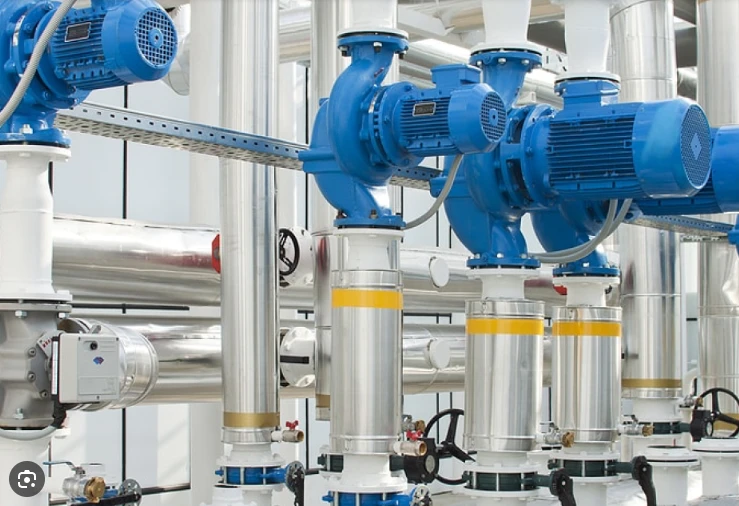
Performance analysis of double suction centrifugal pumps hinges on the principles of fluid dynamics and hydraulic design. Force analysis involves evaluating radial loads on the impeller due to fluid pressure imbalances, axial thrust due to pressure differences across the impeller, and bearing loads. These forces dictate the selection of appropriate bearings (e.g., ball bearings, roller bearings) and shaft dimensions. Environmental resistance is a crucial consideration; pumps operating in harsh environments require specialized coatings (e.g., epoxy coatings) to protect against corrosion and erosion. Compliance requirements vary based on the application and geographical location. For example, pumps used in potable water systems must comply with NSF/ANSI 61 standards for lead content and material safety. Pumps used in explosion-prone areas require ATEX or IECEx certification. Hydraulic Institute (HI) standards provide guidelines for pump testing and performance evaluation. Functional implementation involves selecting the appropriate pump curve (head vs. flow rate) to match the system requirements and ensuring proper alignment of the pump and driver (motor or engine). Cavitation, a significant concern, occurs when the absolute pressure at the pump suction drops below the vapor pressure of the fluid, forming vapor bubbles that collapse violently, causing erosion and noise. NPSHr calculations are paramount to prevent cavitation and ensure reliable pump operation.
Technical Specifications
| Parameter | Unit | Typical Value (Range) | Industry Standard |
|---|---|---|---|
| Flow Rate | m³/h | 50 - 5000 | HI 1.6 |
| Head | m | 10 - 150 | HI 1.6 |
| Pump Speed | RPM | 750 - 3600 | NEMA MG 1 |
| Power | kW | 2.2 - 500 | IEC 60034-1 |
| Suction Pipe Diameter | mm | 100 - 600 | ISO 2858 |
| Discharge Pipe Diameter | mm | 80 - 500 | ISO 2858 |
Failure Mode & Maintenance
Common failure modes in double suction centrifugal pumps include impeller cavitation (leading to erosion and reduced performance), bearing failure (due to inadequate lubrication or excessive loading), seal leakage (resulting from wear or chemical incompatibility), and casing cracking (caused by fatigue or thermal stress). Fatigue cracking often initiates at stress concentration points, such as around bolt holes or impeller blades. Delamination of coatings can occur due to poor adhesion or exposure to harsh chemicals. Degradation of elastomers in seals can lead to loss of sealing integrity. Oxidation of metallic components can result in corrosion and reduced structural integrity. Preventative maintenance is critical and includes regular vibration analysis to detect bearing wear, visual inspection for corrosion and erosion, periodic seal replacement, and lubrication of bearings. Proper alignment of the pump and driver is essential to minimize bearing loads and prevent shaft misalignment. Monitoring NPSHa (Net Positive Suction Head Available) is crucial to avoid cavitation. Failure analysis should involve metallurgical examination of failed components to identify root causes and implement corrective actions. A robust maintenance schedule, coupled with condition monitoring techniques, can significantly extend pump lifespan and reduce downtime.
Industry FAQ
Q: What are the key considerations when selecting a material for a pump handling highly corrosive fluids?
A: Material selection for corrosive fluids requires careful consideration of the fluid’s chemical composition, concentration, temperature, and flow velocity. Stainless steel alloys (e.g., 316, duplex stainless steels) are often preferred, but specialized alloys like Hastelloy or titanium may be necessary for extremely aggressive environments. The pH of the fluid is a critical factor, as some materials are susceptible to pitting corrosion at specific pH levels. Material compatibility charts and corrosion testing are essential to ensure long-term reliability.
Q: How can cavitation damage be minimized in a double suction centrifugal pump?
A: Minimizing cavitation requires ensuring sufficient NPSHa. This can be achieved by increasing the suction pipe diameter, reducing suction pipe length, elevating the liquid level in the suction tank, or lowering the pump’s installation height. Proper impeller design, with optimized blade angles and surface finish, can also reduce the likelihood of cavitation. Regular monitoring of pump performance and vibration levels can help detect early signs of cavitation.
Q: What is the role of mechanical seals in preventing pump leakage?
A: Mechanical seals create a dynamic seal between the rotating shaft and the stationary pump casing, preventing fluid leakage. They consist of two primary components: a rotating seal face and a stationary seal face. These faces are precision-lapped to create a tight, leak-free seal. The selection of seal materials (e.g., silicon carbide, tungsten carbide) is crucial for compatibility with the fluid being pumped and the operating temperature. Proper seal installation and lubrication are essential for optimal performance.
Q: What are the implications of improper pump alignment?
A: Improper pump alignment can lead to excessive bearing loads, shaft misalignment, and increased vibration. This can result in premature bearing failure, seal damage, and even shaft breakage. Regular alignment checks using laser alignment tools are recommended. Proper alignment ensures smooth operation, reduces energy consumption, and extends pump lifespan.
Q: How does pump efficiency impact overall operating costs?
A: Pump efficiency directly affects energy consumption and operating costs. A higher efficiency pump requires less energy to deliver the same flow rate and head, resulting in lower electricity bills. Even small improvements in pump efficiency can translate into significant cost savings over the pump’s lifecycle. Factors influencing pump efficiency include impeller design, internal clearances, and fluid viscosity.
Conclusion
Double suction centrifugal pumps remain a foundational element across a wide spectrum of industrial applications. Their performance and longevity are critically dependent on a confluence of factors, encompassing meticulous material selection, precision manufacturing techniques, and adherence to rigorous engineering principles. Understanding the potential failure modes – cavitation, corrosion, and mechanical wear – alongside implementing proactive maintenance strategies, is paramount to maximizing operational efficiency and minimizing lifecycle costs.
The future of double suction centrifugal pump technology is geared toward increased efficiency, reduced energy consumption, and enhanced reliability. Advancements in computational fluid dynamics (CFD) are enabling the development of more optimized impeller designs. The integration of smart sensors and condition monitoring systems will facilitate predictive maintenance and minimize unplanned downtime. Moreover, the use of advanced materials and coatings will continue to improve corrosion resistance and extend pump lifespan, addressing a core industry pain point.
-
Comprehensive Guide to Waterproof ORings for Optimal Sealing Solutions
News2026-06-09
-
Septic Pump System Performance Analysis
News2026-06-08
-
pump for septic Material Science
News2026-06-08
-
basement sewer pump Performance Analysis
News2026-06-08
-
submerged pump Performance Engineering
News2026-06-08
-
Septic System Pumps Performance Analysis
News2026-06-08
-
septic system pump Material Science and Manufacturing
News2026-06-07
-
pump for septic tank Material Science Manufacturing
News2026-06-07
-
submersible sewage pump Material Science
News2026-06-07
-
Sewage Ejector Material Science and Manufacturing
News2026-06-07
-
Ejection Pump Material Science
News2026-06-07
-
pump submersible Performance Analysis
News2026-06-06
-
ejector pumps Performance Engineering
News2026-06-06
-
basement ejector pump Material Science Manufacturing
News2026-06-06
-
Septic Tanks Pumping Performance Analysis
News2026-06-06




