English
- Afrikaans
- Albanian
- Amharic
- Arabic
- Armenian
- Azerbaijani
- Basque
- Belarusian
- Bengali
- Bosnian
- Bulgarian
- Catalan
- Cebuano
- Corsican
- Croatian
- Czech
- Danish
- Dutch
- English
- Esperanto
- Estonian
- Finnish
- French
- Frisian
- Galician
- Georgian
- German
- Greek
- Gujarati
- Haitian Creole
- hausa
- hawaiian
- Hebrew
- Hindi
- Miao
- Hungarian
- Icelandic
- igbo
- Indonesian
- irish
- Italian
- Japanese
- Javanese
- Kannada
- kazakh
- Khmer
- Rwandese
- Korean
- Kurdish
- Kyrgyz
- Lao
- Latin
- Latvian
- Lithuanian
- Luxembourgish
- Macedonian
- Malgashi
- Malay
- Malayalam
- Maltese
- Maori
- Marathi
- Mongolian
- Myanmar
- Nepali
- Norwegian
- Norwegian
- Occitan
- Pashto
- Persian
- Polish
- Portuguese
- Punjabi
- Romanian
- Russian
- Samoan
- Scottish Gaelic
- Serbian
- Sesotho
- Shona
- Sindhi
- Sinhala
- Slovak
- Slovenian
- Somali
- Spanish
- Sundanese
- Swahili
- Swedish
- Tagalog
- Tajik
- Tamil
- Tatar
- Telugu
- Thai
- Turkish
- Turkmen
- Ukrainian
- Urdu
- Uighur
- Uzbek
- Vietnamese
- Welsh
- Bantu
- Yiddish
- Yoruba
- Zulu

Telephone: +86 13120555503
Email: frank@cypump.com


Apr . 01, 2024 17:55 Back to list
Double Suction Centrifugal Pump Diagram Performance Analysis
Introduction
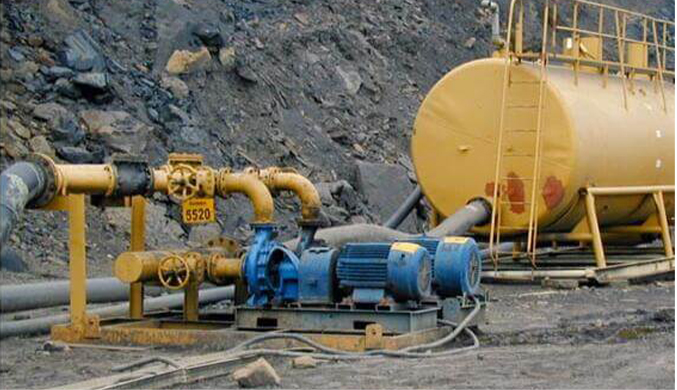
The double suction centrifugal pump is a dynamic machine employed to impart energy to a fluid, increasing its pressure and facilitating its movement through a system. Its defining characteristic – double suction – involves fluid entry from both sides of the impeller, resulting in increased flow rates and reduced axial thrust compared to single-suction designs. This pump type occupies a critical position in numerous industrial applications, including water supply, irrigation, power generation, chemical processing, and wastewater treatment. Core performance metrics center around achieving high hydraulic efficiency, reliable operation under varying conditions, and longevity in demanding environments. Understanding the intricate interplay between its components, materials, and operating parameters is essential for optimal system design and maintenance. The double-suction configuration fundamentally addresses the limitations of single-suction pumps concerning net positive suction head required (NPSHr) and susceptibility to cavitation, making it a preferred choice for large-scale fluid transfer. The diagram illustrates the core components and flow path crucial to its operation, highlighting the symmetrical impeller design and dual volute casings.
Material Science & Manufacturing
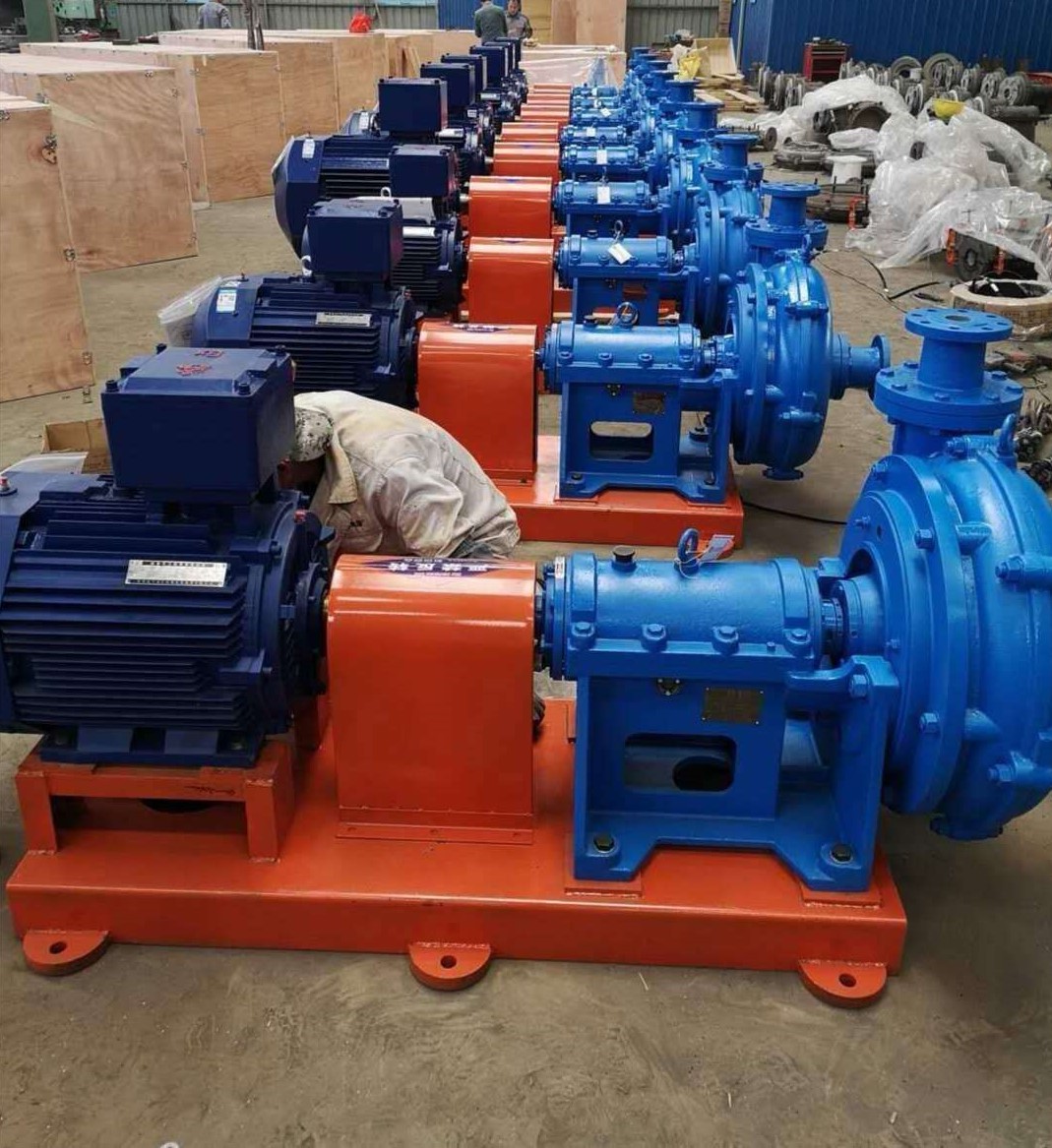
The construction of a double suction centrifugal pump relies heavily on material selection to withstand corrosive fluids, high pressures, and mechanical stresses. Common materials include cast iron (ASTM A48 Class 30 for housings, offering good machinability and cost-effectiveness), stainless steel (304/316 for impellers and internal components, providing superior corrosion resistance), and ductile iron (65-45-12 for casings requiring higher tensile strength and impact resistance). Impellers are typically manufactured via investment casting or sand casting, followed by precise machining to ensure accurate blade geometry and balance. Casing fabrication involves sand casting or shell molding, followed by surface treatment such as epoxy coating or rubber lining for enhanced corrosion protection. Shafts are commonly forged from alloy steel (e.g., 4140) and hardened to resist torsional stress and wear. The manufacturing process requires meticulous attention to parameter control, including pouring temperature, cooling rate, and heat treatment cycles. Welding, when employed (e.g., for assembling casing components), must adhere to standards like AWS D1.1 to guarantee structural integrity. Critical dimensions, such as impeller diameter and blade angle, are subject to stringent quality control using Coordinate Measuring Machines (CMMs) to ensure adherence to design specifications. Seal materials, typically mechanical seals utilizing silicon carbide or tungsten carbide faces, are chosen based on fluid compatibility and operating temperature. Proper material selection prevents galvanic corrosion within the pump assembly.
Performance & Engineering
The performance of a double suction centrifugal pump is governed by several key engineering principles. Head (the height to which the pump can lift the fluid) is directly proportional to the square of the impeller’s rotational speed. Flow rate (volume of fluid delivered per unit time) is proportional to both impeller speed and impeller diameter. The pump’s power requirement is directly related to fluid density, flow rate, and head. Force analysis necessitates evaluating radial forces caused by impeller imbalance and axial thrust generated by pressure differences. Balancing the impeller is crucial to minimize vibration and bearing wear. Bearing selection (typically deep-groove ball bearings or cylindrical roller bearings) considers load capacity, speed, and operating temperature. Environmental resistance is addressed through appropriate material selection and protective coatings. For example, in seawater applications, duplex stainless steels or specialized alloys are required. Compliance requirements such as Hydraulic Institute standards (HI 1.1, HI 1.6) dictate performance testing procedures and acceptable tolerances. Cavitation, a major concern, arises from inadequate NPSH available (NPSHa) compared to NPSHr. Proper system design, including minimizing suction line losses and elevating the pump relative to the fluid source, mitigates this risk. The pump curve, a graphical representation of head versus flow rate, is essential for selecting the appropriate pump size for a specific application.
Technical Specifications
| Parameter | Unit | Typical Range (Small Pump) | Typical Range (Large Pump) |
|---|---|---|---|
| Flow Rate | m³/h | 20-200 | 500-5000 |
| Head | m | 10-50 | 80-200 |
| Power | kW | 1.5-15 | 75-300 |
| Impeller Diameter | mm | 150-300 | 500-800 |
| Suction Pressure | bar | -0.05 to 0.5 | -0.1 to 1.0 |
| Maximum Operating Pressure | bar | 6-10 | 16-25 |
Failure Mode & Maintenance
Double suction centrifugal pumps are susceptible to several failure modes. Cavitation, caused by vapor bubble formation and collapse, leads to impeller erosion and reduced performance. Mechanical seal failure results in leakage and potential pump damage. Bearing failure, often stemming from inadequate lubrication or excessive load, manifests as noise and vibration. Shaft misalignment introduces stress on bearings and seals, accelerating wear. Corrosion, particularly in aggressive fluid environments, degrades pump components. Fatigue cracking, induced by cyclic loading, can occur in the impeller or casing. Delamination of coatings compromises corrosion protection. Oxidation can affect the integrity of metallic components at elevated temperatures. Preventative maintenance is crucial. Regular vibration analysis detects bearing wear and misalignment. Seal flush monitoring ensures proper seal lubrication. Periodic inspection for corrosion and erosion allows for timely repairs. Lubrication schedules should adhere to manufacturer recommendations. Impeller balancing prevents vibration. Proper system alignment minimizes stress on pump components. Regular performance monitoring identifies deviations from baseline conditions. A robust maintenance program extends pump lifespan and minimizes downtime. Failure analysis, utilizing techniques like metallography and non-destructive testing, identifies root causes and informs corrective actions.
Industry FAQ
Q: What is the primary advantage of a double suction pump over a single suction pump in large-scale water distribution?
A: The primary advantage lies in its increased flow capacity and reduced NPSHr. The double suction design allows for a greater volume of fluid to be drawn into the pump, and the symmetrical impeller minimizes axial thrust, reducing the risk of cavitation, which is critical in large systems where maintaining consistent pressure and flow is paramount.
Q: How does material selection impact the lifespan of a pump handling corrosive chemicals?
A: Material selection is paramount. Using materials like stainless steel 316, duplex stainless steel, or specialized alloys with enhanced corrosion resistance prevents degradation of pump components, minimizing leakage, maintaining hydraulic efficiency, and extending the pump's operational life. Incorrect material selection can lead to rapid failure and costly downtime.
Q: What are the key indicators of impending bearing failure in a double suction centrifugal pump?
A: Key indicators include increased vibration levels, elevated bearing temperatures, unusual noises emanating from the pump, and a gradual decrease in pump efficiency. Regular vibration analysis and thermal imaging are essential for early detection.
Q: How crucial is impeller balancing, and what are the consequences of an imbalanced impeller?
A: Impeller balancing is crucial. An imbalanced impeller introduces significant radial forces, leading to excessive vibration, bearing wear, shaft deflection, and potential pump failure. Proper balancing minimizes these stresses and ensures smooth, reliable operation.
Q: What regulatory standards should be considered when specifying a double suction centrifugal pump for potable water applications?
A: Relevant standards include NSF/ANSI 61 for materials in contact with potable water, ensuring they do not leach harmful contaminants. Additionally, compliance with local plumbing codes and regulations is essential, as well as adherence to Hydraulic Institute standards for performance and testing.
Conclusion
The double suction centrifugal pump remains a cornerstone of fluid transfer technology, offering a robust and efficient solution for a diverse range of industrial applications. Its inherent advantages in flow capacity, NPSHr management, and adaptability to various fluids make it a preferred choice over single-suction alternatives in many scenarios. Understanding the nuanced interplay between material science, manufacturing processes, performance characteristics, and potential failure modes is vital for ensuring optimal pump selection, operation, and longevity.
Moving forward, advancements in pump design, such as the integration of variable frequency drives (VFDs) for optimized energy consumption and the development of more corrosion-resistant materials, will further enhance the performance and reliability of these critical machines. Predictive maintenance strategies leveraging data analytics and condition monitoring will become increasingly prevalent, minimizing downtime and maximizing return on investment. Continued adherence to industry standards and best practices will remain essential for maintaining the integrity and safety of pumping systems.
-
pump for sewage water Performance Analysis
News2026-05-23
-
plumbing sewage ejector pump Performance Engineering
News2026-05-23
-
home sewer pump station Performance and Engineering
News2026-05-23
-
high pressure sump pump Performance Analysis
News2026-05-23
-
high head effluent pump Performance Analysis
News2026-05-23
-
Effluent vs Sump Pump Performance Analysis
News2026-05-22
-
effluent septic pump Performance Engineering
News2026-05-22
-
best sewer pumps Performance Engineering
News2026-05-22
-
best sewer pump Performance Analysis
News2026-05-22
-
best sewage pumps Performance Engineering
News2026-05-22
-
basement bathroom sewage pump Material Science Manufacturing
News2026-05-21
-
wastewater treatment plant pumps Material Science Manufacturing
News2026-05-21
-
waste water pump for basement Material Science Manufacturing
News2026-05-21
-
sump pump sewage Performance Analysis
News2026-05-21
-
sump pump for sewage Material Science and Manufacturing
News2026-05-21




