English
- Afrikaans
- Albanian
- Amharic
- Arabic
- Armenian
- Azerbaijani
- Basque
- Belarusian
- Bengali
- Bosnian
- Bulgarian
- Catalan
- Cebuano
- Corsican
- Croatian
- Czech
- Danish
- Dutch
- English
- Esperanto
- Estonian
- Finnish
- French
- Frisian
- Galician
- Georgian
- German
- Greek
- Gujarati
- Haitian Creole
- hausa
- hawaiian
- Hebrew
- Hindi
- Miao
- Hungarian
- Icelandic
- igbo
- Indonesian
- irish
- Italian
- Japanese
- Javanese
- Kannada
- kazakh
- Khmer
- Rwandese
- Korean
- Kurdish
- Kyrgyz
- Lao
- Latin
- Latvian
- Lithuanian
- Luxembourgish
- Macedonian
- Malgashi
- Malay
- Malayalam
- Maltese
- Maori
- Marathi
- Mongolian
- Myanmar
- Nepali
- Norwegian
- Norwegian
- Occitan
- Pashto
- Persian
- Polish
- Portuguese
- Punjabi
- Romanian
- Russian
- Samoan
- Scottish Gaelic
- Serbian
- Sesotho
- Shona
- Sindhi
- Sinhala
- Slovak
- Slovenian
- Somali
- Spanish
- Sundanese
- Swahili
- Swedish
- Tagalog
- Tajik
- Tamil
- Tatar
- Telugu
- Thai
- Turkish
- Turkmen
- Ukrainian
- Urdu
- Uighur
- Uzbek
- Vietnamese
- Welsh
- Bantu
- Yiddish
- Yoruba
- Zulu

Telephone: +86 13120555503
Email: frank@cypump.com


Apr . 01, 2024 17:55 Back to list
crystal clear water pump Material Science Manufacturing
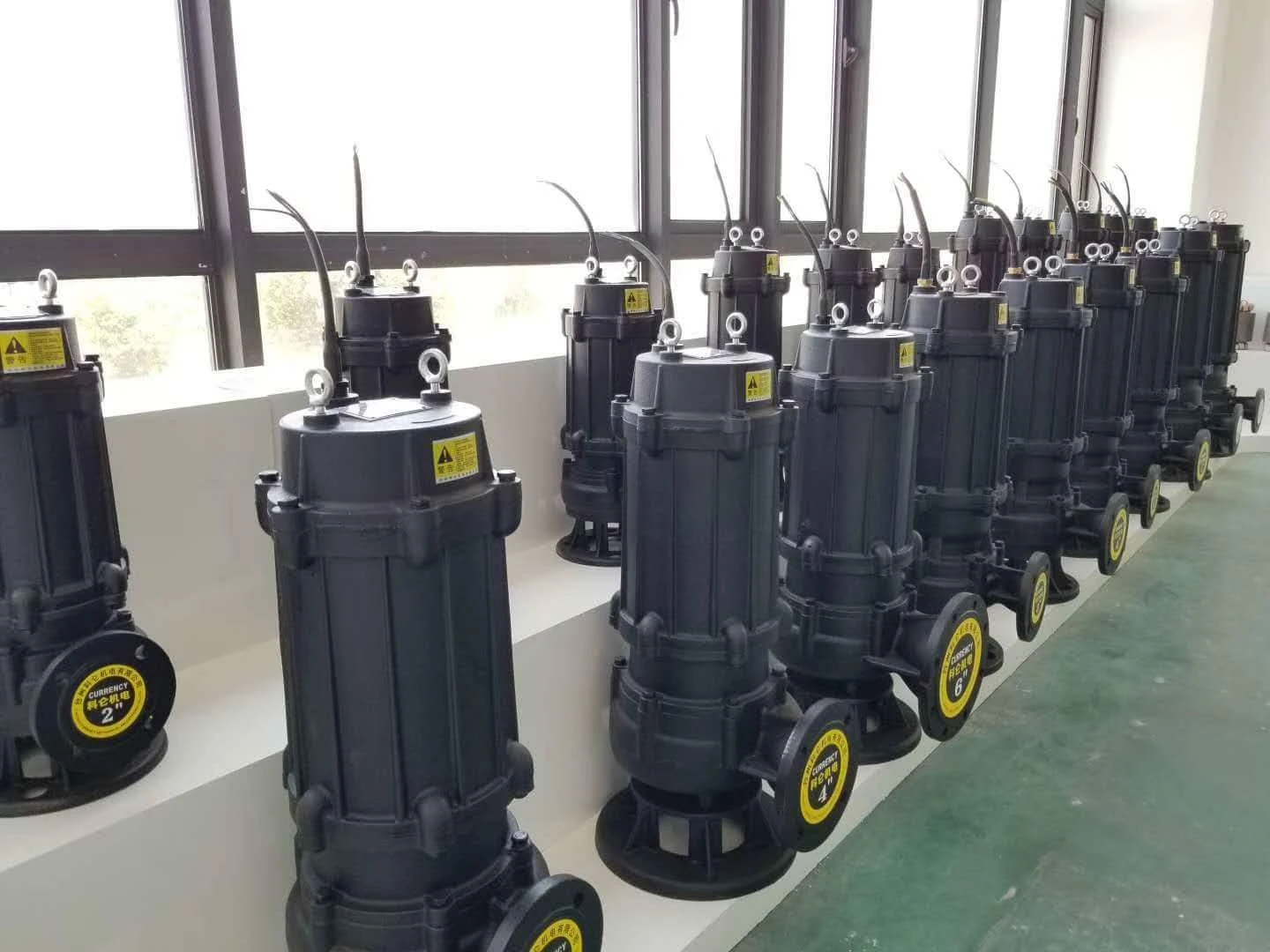
Introduction
Crystal clear water pumps represent a specialized subset of centrifugal pumps engineered for the transfer of high-purity liquids, primarily deionized water, semiconductor process fluids, and other ultra-clean fluids. Positioned within the industrial chain as a critical component in semiconductor manufacturing, pharmaceutical production, power generation, and food & beverage processing, these pumps are distinguished by their minimized particulate contribution and corrosion resistance. Core performance characteristics include exceptionally low levels of metallic ion leaching, high flow stability, and the capacity to maintain fluid purity throughout extended operational periods. Unlike standard industrial pumps, crystal clear pumps prioritize material compatibility and hydrodynamic design to prevent contamination of sensitive processes. The industry faces a consistent pain point in maintaining consistent fluid purity, managing trace metal contamination, and ensuring long-term reliability in aggressive chemical environments. Achieving these requires meticulous design, advanced material selection, and stringent quality control.
Material Science & Manufacturing
The construction of crystal clear water pumps hinges upon the selection of highly inert materials. Key components in contact with the fluid are commonly fabricated from Polypropylene (PP), Polyvinylidene Fluoride (PVDF), Ethylene Chlorotrifluoroethylene (ECTFE), and perfluoroalkoxy alkanes (PFA). PP offers good chemical resistance at lower temperatures and costs but is limited in mechanical strength. PVDF provides enhanced mechanical properties and resistance to a wider range of chemicals. ECTFE surpasses PVDF in chemical resistance, particularly to strong oxidizers. PFA exhibits the highest chemical inertness and temperature resistance, albeit at a higher cost. Impellers are often molded using these fluoropolymers, employing injection molding techniques with tight tolerances to ensure hydrodynamic efficiency. Pump housings are frequently manufactured using PP or PVDF via thermoforming or rotational molding. Seals are critical and are typically constructed from PTFE (Polytetrafluoroethylene) or FFKM (Perfluoroelastomer) to provide leak-free operation and prevent particle shedding. Manufacturing processes are rigorously controlled for particulate matter. Components are often cleaned in Class 100 cleanroom environments. Welding, when required, employs orbital TIG welding with careful passivation to eliminate weld scale and corrosion sites. Post-processing includes meticulous flushing with ultrapure water and particle counting to verify cleanliness levels.
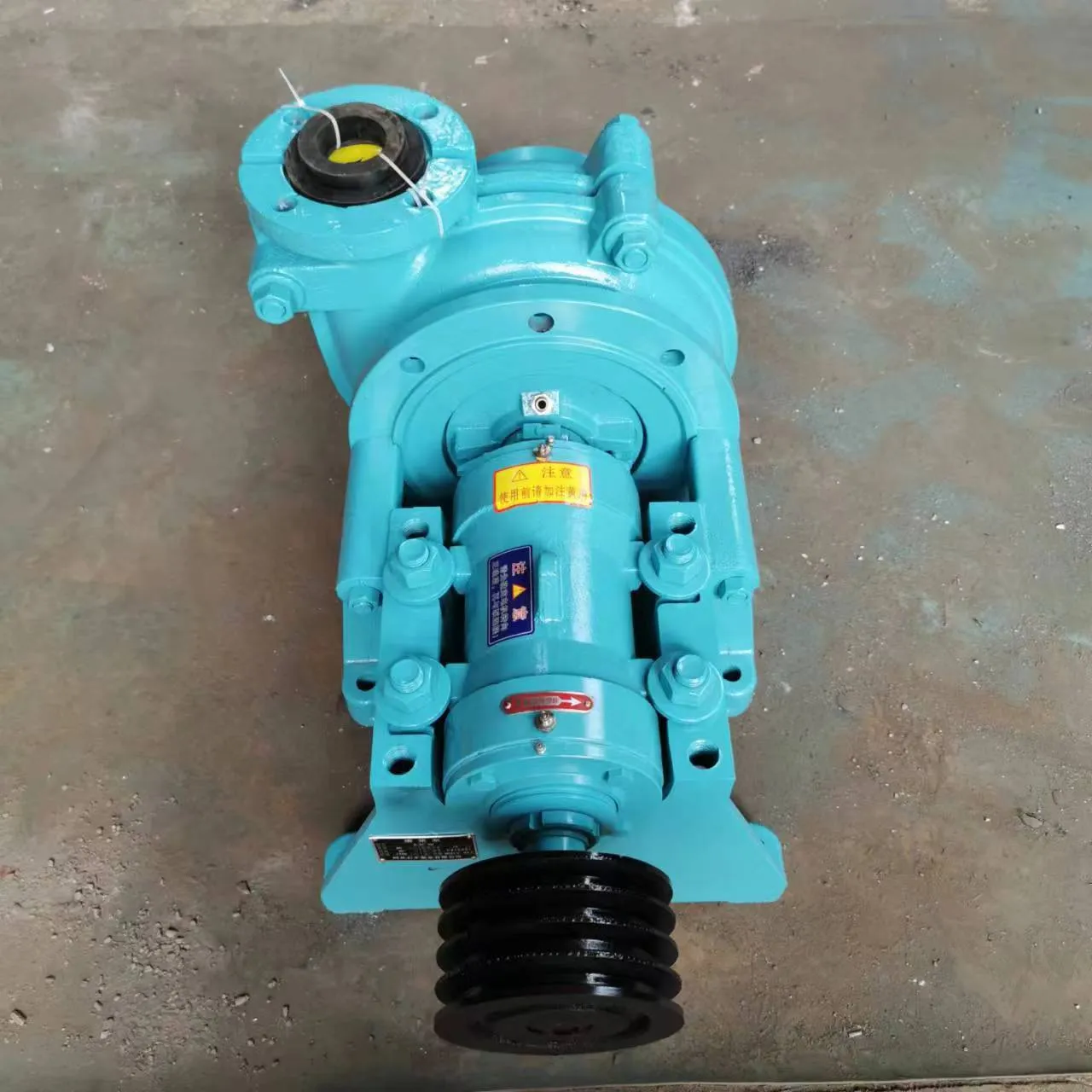
Performance & Engineering
Performance evaluation of crystal clear water pumps focuses on maintaining fluid purity and minimizing system contamination. Key engineering considerations include hydraulic design to reduce shear stress, minimizing dead legs (areas of stagnant flow where particles can accumulate), and surface finish optimization. Force analysis concentrates on stresses induced by fluid pressure and mechanical loads. The impeller must withstand centrifugal forces without deformation, and the housing must prevent leaks under maximum operating pressure. Environmental resistance is paramount. The pump must maintain performance integrity across a wide temperature range and in the presence of corrosive chemicals. Compliance requirements are stringent, particularly in semiconductor manufacturing, where pumps must meet SEMI standards for metallic ion content and particle generation. The hydrodynamic design incorporates computational fluid dynamics (CFD) simulations to optimize impeller geometry and volute shape, maximizing efficiency and minimizing turbulence. Material selection dictates the pump’s chemical compatibility, ensuring it withstands prolonged exposure to aggressive fluids without degradation or leaching. Furthermore, bearing selection is crucial. Magnetic drive systems are frequently employed to eliminate shaft seals, a common source of contamination. Ceramic bearings are utilized when mechanical seals are unavoidable, minimizing metallic wear debris.
Technical Specifications
| Parameter | Unit | Specification (Typical) | Test Standard |
|---|---|---|---|
| Maximum Flow Rate | LPM | 0-100 | ISO 9001 Internal Testing |
| Maximum Head | m | 10 | ISO 9001 Internal Testing |
| Fluid Temperature Range | °C | 0-80 | ASTM D698 |
| Metallic Ion Leaching (Fe) | ppb | <5 | SEMI 12 |
| Particle Count (>0.2µm) | particles/mL | <10 | ISO 4406 |
| Wetted Material | - | PVDF, PFA, PP | Material Certificates |
Failure Mode & Maintenance
Common failure modes in crystal clear water pumps include impeller degradation due to chemical attack, seal failures leading to leakage and contamination, and bearing wear causing reduced efficiency and increased vibration. Impeller degradation typically manifests as cracking, swelling, or surface erosion, particularly in pumps handling strong acids or bases. Seal failures are often attributed to improper material selection, abrasion from suspended particles, or thermal cycling. Bearing wear can result from inadequate lubrication, contamination, or excessive loads. Failure analysis frequently involves visual inspection, chemical analysis of failed components, and particle analysis of the pumped fluid. Preventive maintenance is critical and should include regular inspection of seals, bearings, and impeller condition. Periodic flushing with ultrapure water is recommended to remove accumulated deposits. Replacement of seals and bearings should be performed according to a scheduled maintenance plan based on operating hours and fluid characteristics. In the event of a pump failure, disassembly should be performed in a controlled environment to prevent introduction of contaminants. Proper cleaning and passivation procedures must be followed during reassembly. Monitoring of pump performance parameters (flow rate, pressure, vibration) can provide early warning signs of potential failures.
Industry FAQ
Q: What is the significance of metallic ion leaching in these pumps, and how is it minimized?
A: Metallic ion leaching is critical because trace metals can poison sensitive processes, especially in semiconductor manufacturing. We minimize this through the exclusive use of non-metallic wetted parts (PVDF, PFA, PP) and rigorous quality control during manufacturing to prevent metallic contamination. The SEMI 12 standard dictates maximum allowable limits.
Q: How does the surface finish of the pump components affect fluid purity?
A: A smoother surface finish minimizes particle adhesion and reduces the potential for leaching. We specify tight tolerances on surface roughness parameters, typically Ra < 0.8 μm for wetted surfaces, and employ electropolishing techniques where applicable to further enhance smoothness.
Q: What are the advantages of using magnetic drive pumps versus mechanically sealed pumps in this application?
A: Magnetic drive pumps eliminate the need for a shaft seal, which is a common source of contamination and leakage. This significantly reduces the risk of introducing particles into the fluid stream and enhances overall system reliability. However, magnetic drives can have lower torque capacity.
Q: How do you ensure the pumps are compatible with a wide range of aggressive chemicals?
A: We conduct extensive chemical compatibility testing on all materials used in pump construction, evaluating their resistance to swelling, degradation, and leaching in various fluids. Material certificates are provided to verify compliance with specifications.
Q: What preventative maintenance is recommended to maximize pump lifespan?
A: Regular inspection of seals, bearings, and impeller condition is crucial. Periodic flushing with ultrapure water, monitoring of performance parameters (flow, pressure, vibration), and adherence to a scheduled maintenance plan based on operating hours and fluid characteristics are highly recommended.
Conclusion
Crystal clear water pumps are indispensable components in industries demanding ultra-high fluid purity. Their design, material selection, and manufacturing processes are meticulously engineered to minimize contamination and ensure long-term reliability. The choice of materials like PVDF, PFA, and PP, combined with stringent quality control and adherence to industry standards like SEMI 12 and ISO 4406, are paramount to successful operation.
Future advancements in this field will likely focus on further reducing metallic ion leaching, improving impeller designs for enhanced efficiency, and developing more robust sealing technologies. Proactive maintenance strategies, incorporating predictive analytics based on performance monitoring data, will be increasingly important for maximizing pump lifespan and minimizing downtime. Continued adherence to evolving industry standards and rigorous testing protocols will ensure these pumps remain critical enablers of high-purity fluid handling processes.
-
Effluent vs Sump Pump Performance Analysis
News2026-05-22
-
effluent septic pump Performance Engineering
News2026-05-22
-
best sewer pumps Performance Engineering
News2026-05-22
-
best sewer pump Performance Analysis
News2026-05-22
-
best sewage pumps Performance Engineering
News2026-05-22
-
basement bathroom sewage pump Material Science Manufacturing
News2026-05-21
-
wastewater treatment plant pumps Material Science Manufacturing
News2026-05-21
-
waste water pump for basement Material Science Manufacturing
News2026-05-21
-
sump pump sewage Performance Analysis
News2026-05-21
-
sump pump for sewage Material Science and Manufacturing
News2026-05-21
-
sump pump for septic systems Material Science Manufacturing
News2026-05-20
-
sump pump and ejector pump Material Science Manufacturing
News2026-05-20
-
sewage treatment plant pumps Performance Analysis
News2026-05-20
-
sewage tank pump Material Science and Manufacturing
News2026-05-20
-
sewage pump for septic tank Performance Analysis
News2026-05-20




